Bali Wildlife
Every Spices Matter


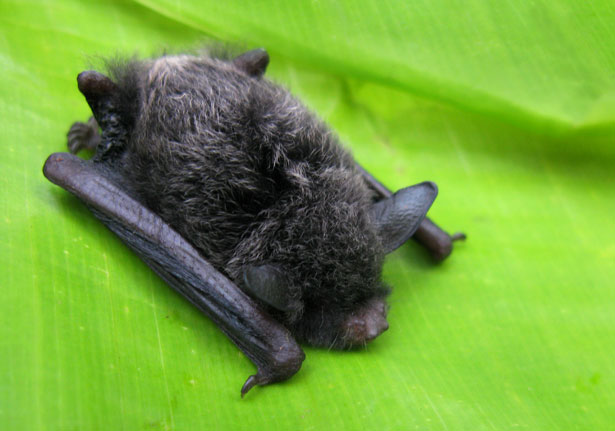
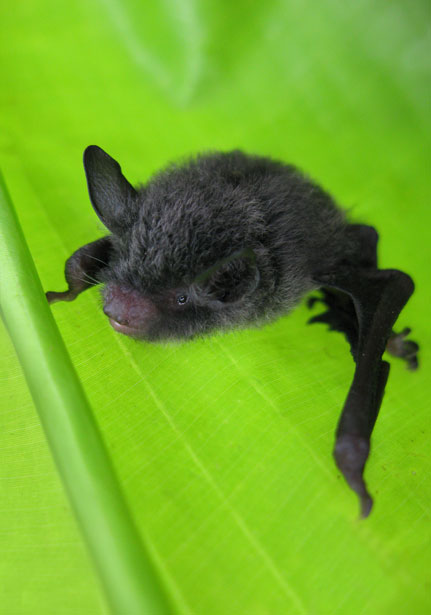
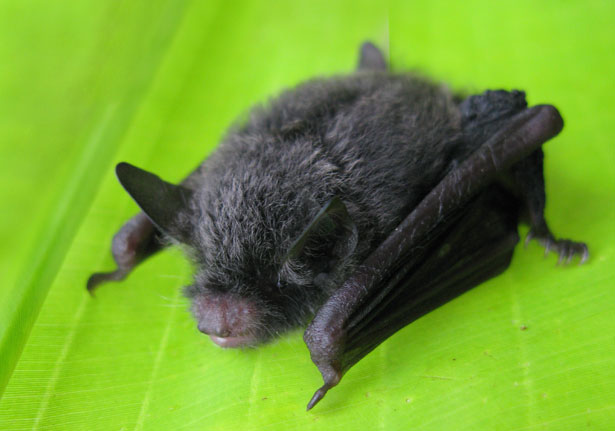
Myotis is one of the largest and most widespread genera of bats within the subfamily Myotinae (Family Vespertilionidae, Order Chiroptera). Often referred to as mouse-eared bats, species of Myotis occur across much of the world, including North and South America, Europe, Asia, Africa, and parts of Oceania. They inhabit a wide variety of environments such as forests, wetlands, caves, mountains, and urban areas.
Members of the genus Myotis are generally small to medium-sized bats with a slender body and relatively large ears. They have a simple facial structure without elaborate nose leaves, and their eyes are relatively small. Their wings are adapted for agile flight, allowing them to maneuver efficiently in both open and cluttered environments.
A defining feature of Myotis species is their use of echolocation. They emit high-frequency calls and interpret the returning echoes to navigate and locate prey in darkness. This allows them to hunt effectively at night, even in complex habitats such as forests or near water.
Feeding habits are primarily insectivorous. Myotis bats consume a wide variety of insects, including flies, mosquitoes, moths, beetles, and aquatic insects. Many species forage near water, skimming the surface to capture emerging insects or even picking prey directly from the water.
The life cycle follows typical mammalian reproduction. Females usually give birth to a single offspring and often form maternity colonies during the breeding season. Roosting sites vary widely and include caves, tree cavities, rock crevices, and buildings. Some species hibernate during winter, while others migrate to more favorable conditions.
The genus Myotis includes a large number of species, reflecting significant ecological diversity and adaptability.
Ecologically, Myotis plays a crucial role in controlling insect populations, including agricultural pests and disease-carrying insects. Their feeding activity helps maintain ecological balance and provides important benefits to agriculture and human health.