Bali Wildlife
Every Spices Matter


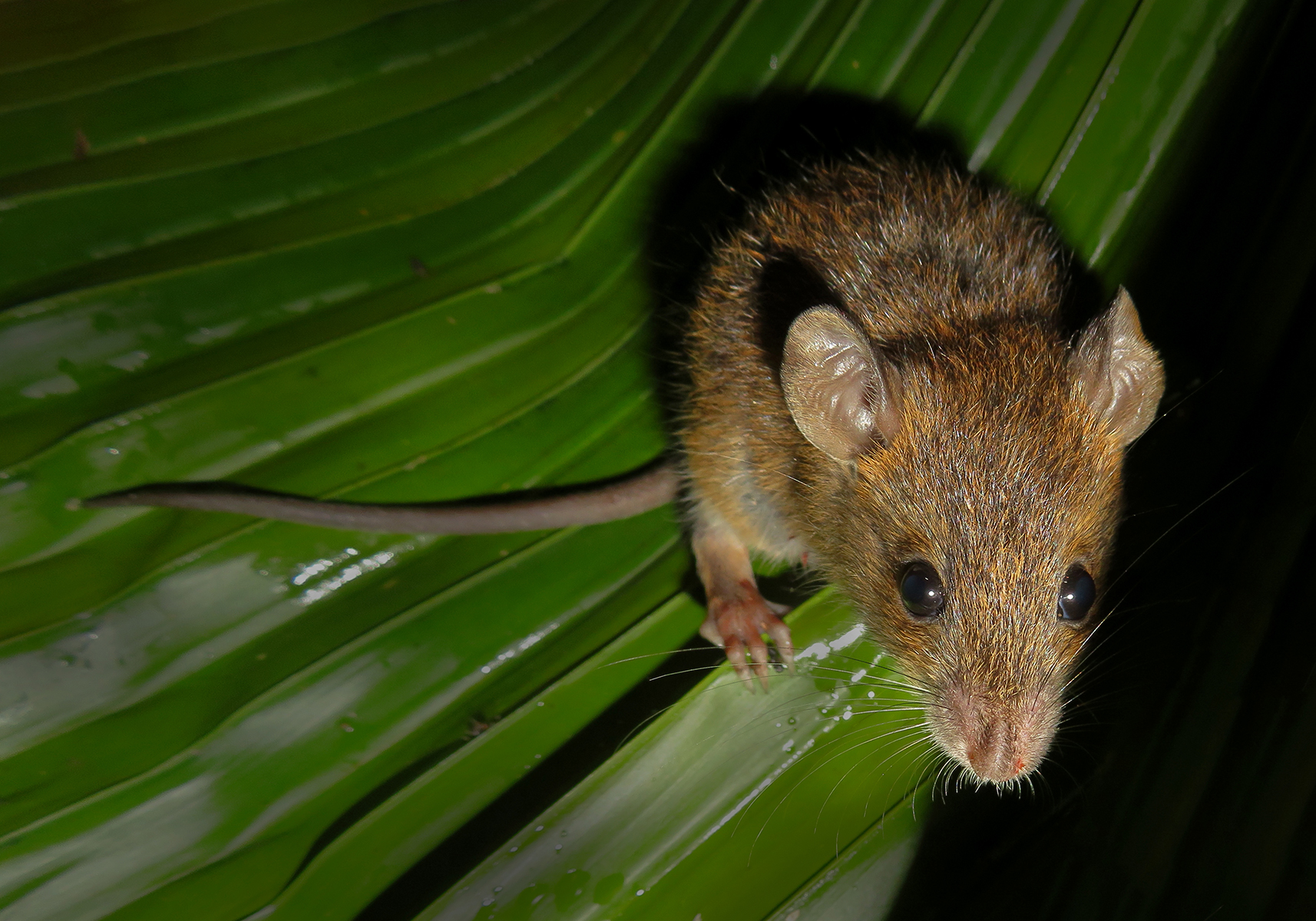
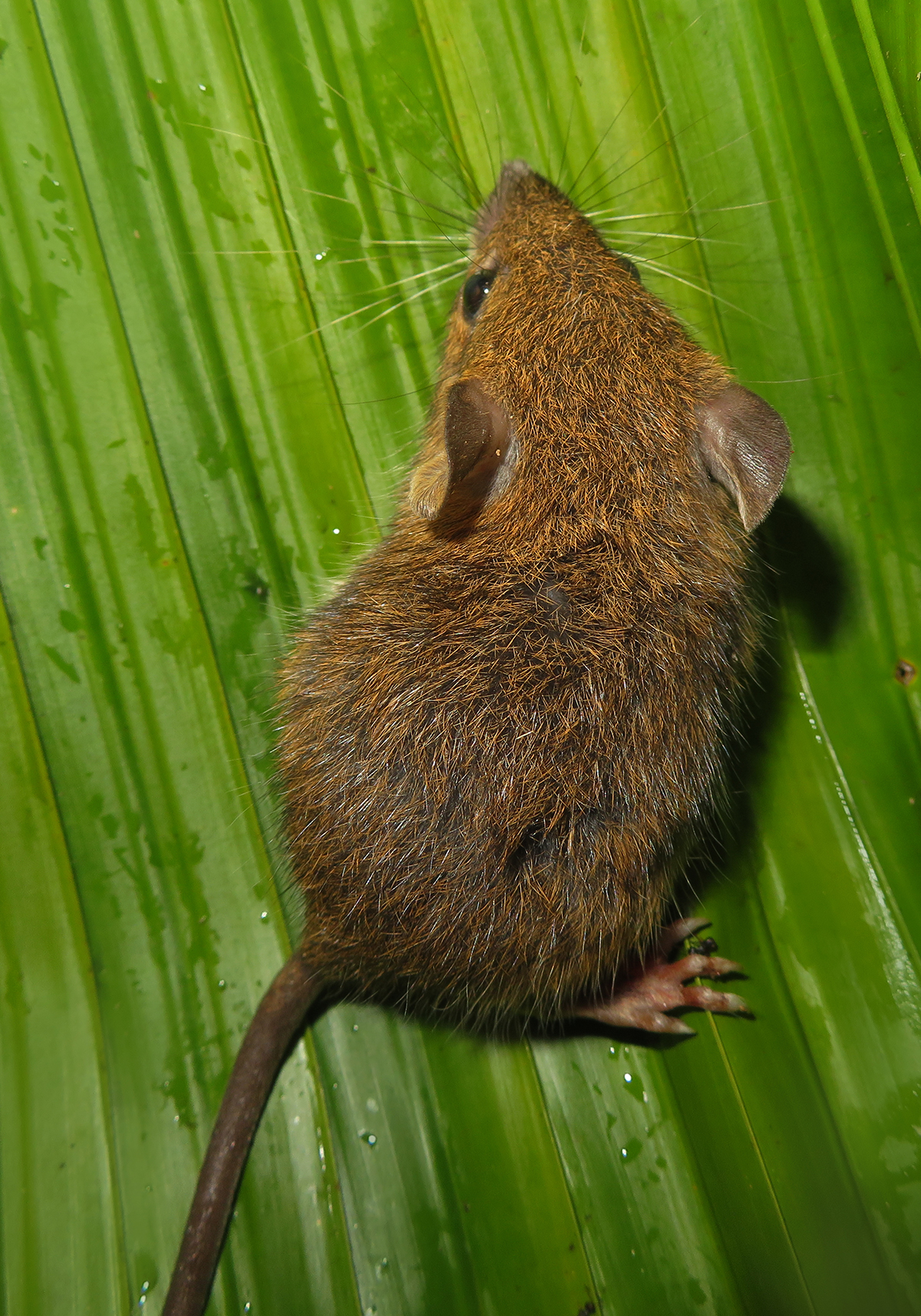
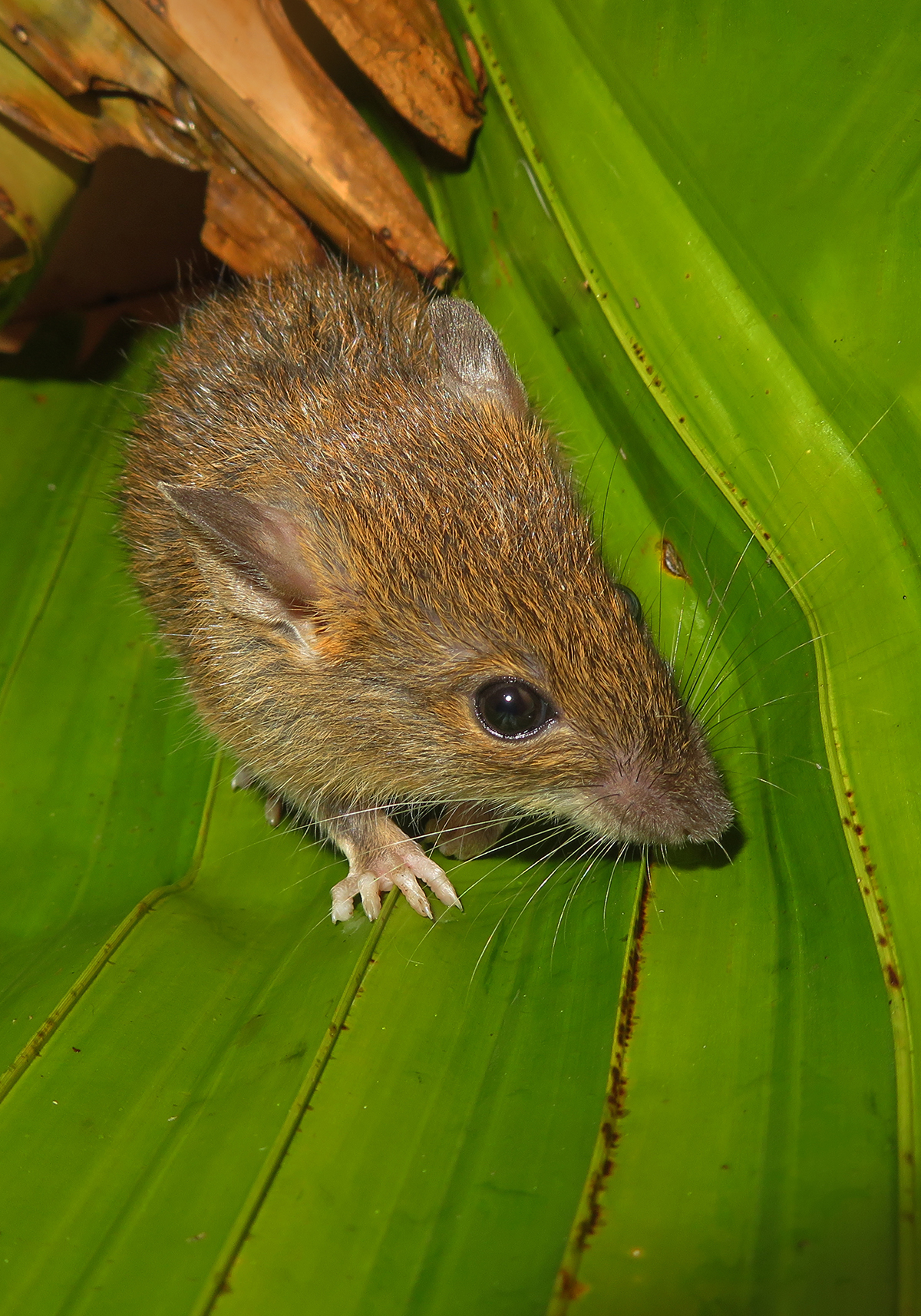
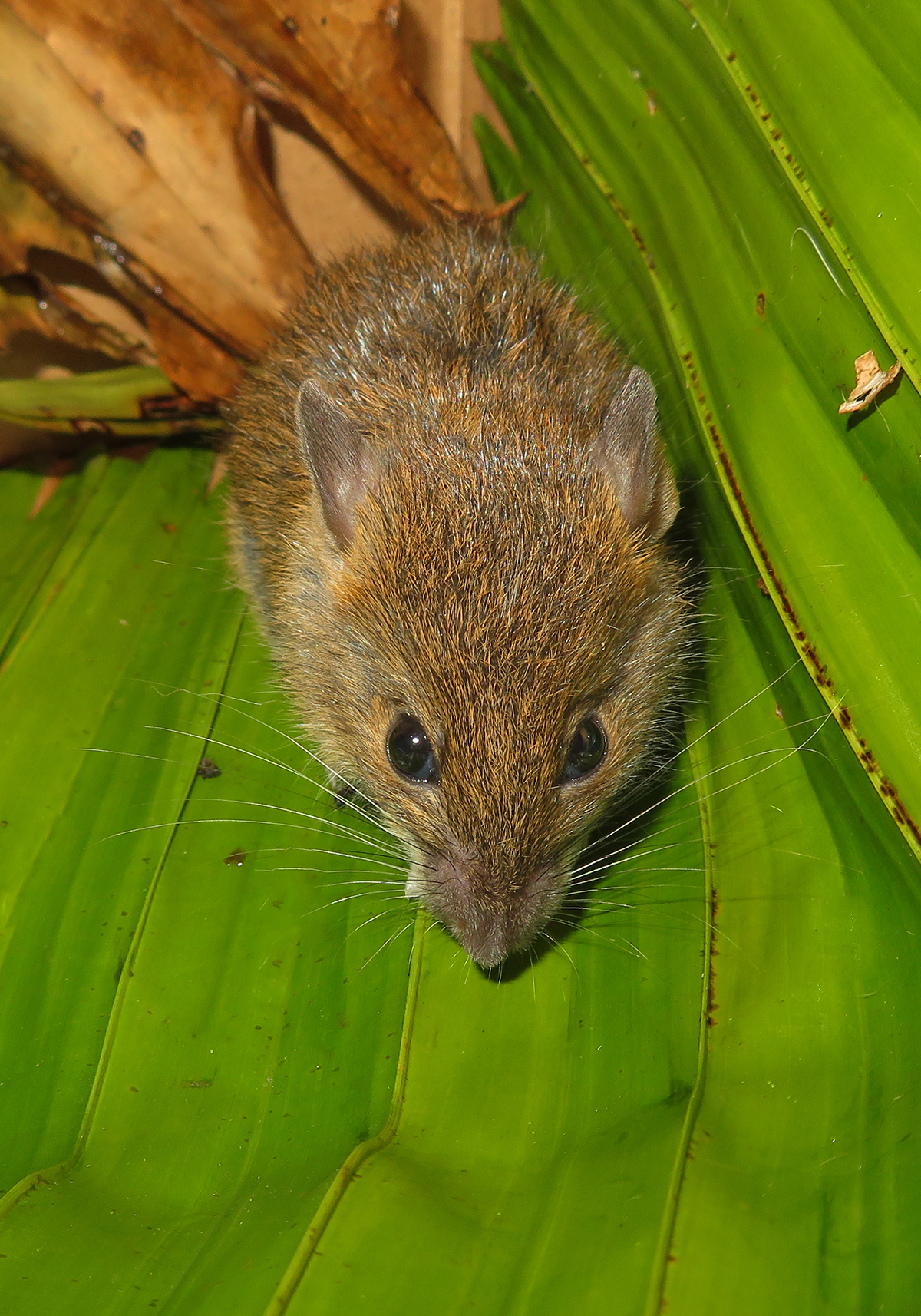
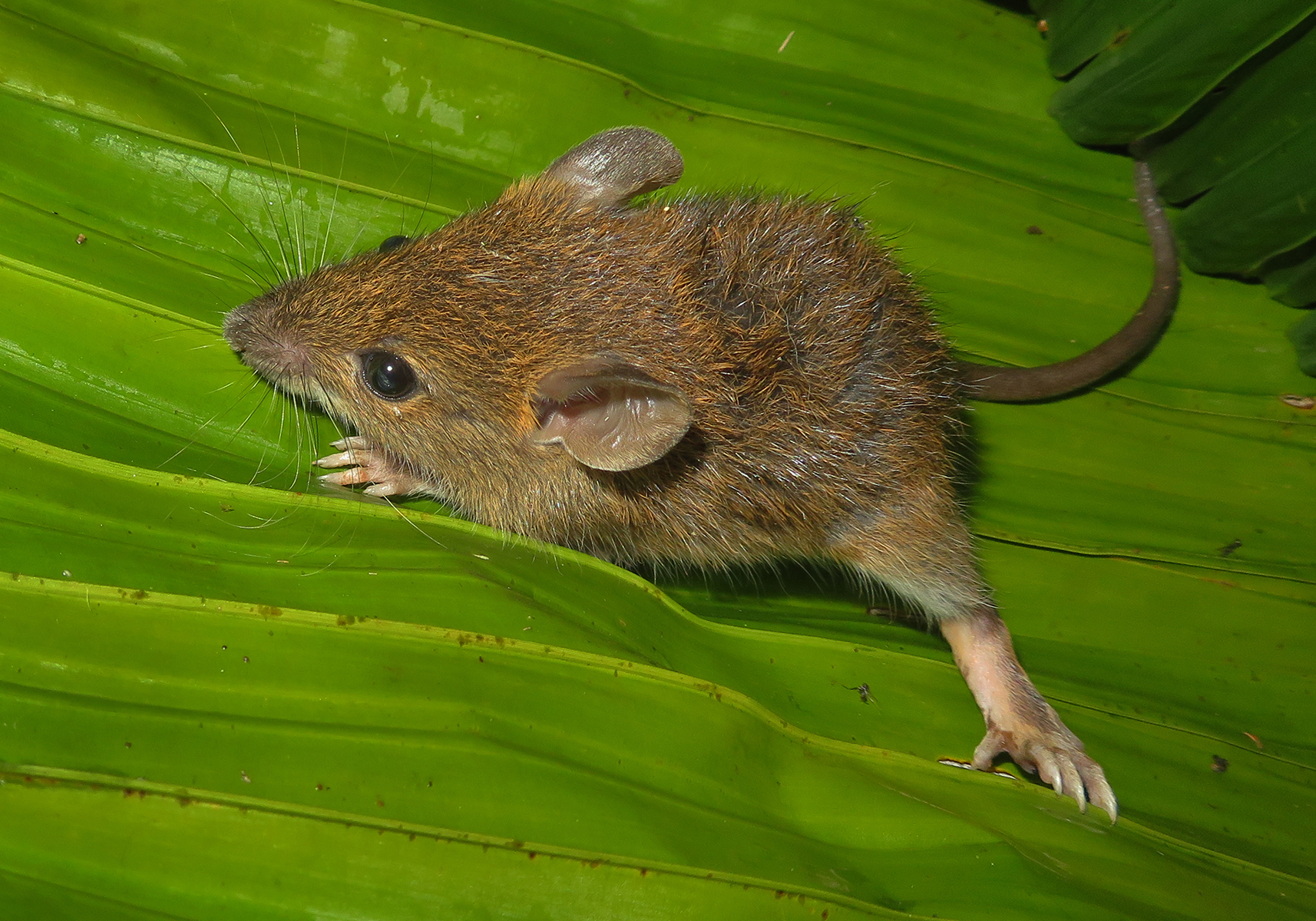
Myomorpha is a major suborder of rodents within the order Rodentia, belonging to the superorder Euarchontoglires. This group includes some of the most familiar and widespread rodents, such as mice, rats, gerbils, hamsters, and related species.
Members of Myomorpha are distributed across nearly all continents except Antarctica and inhabit a wide range of ecosystems including forests, grasslands, deserts, agricultural lands, and urban environments. Many species have adapted extremely well to human-modified habitats.
Morphologically, myomorph rodents are typically small to medium-sized with slender bodies, pointed snouts, and long tails. A defining anatomical characteristic of this suborder is the specialized structure of their jaw and masseter muscles, which allows powerful and efficient gnawing movements. Like all rodents, they possess a single pair of continuously growing incisors in both the upper and lower jaws.
The suborder includes several important families, such as Muridae (true mice and rats), Cricetidae (hamsters, voles, and New World rats and mice), and Dipodidae (jerboas and jumping mice).
Ecologically, Myomorpha species occupy diverse niches. Many are omnivorous or granivorous, feeding on seeds, fruits, insects, and other small food sources. Their high reproductive rates and adaptability have allowed them to become one of the most successful mammalian groups worldwide.
Because of their abundance and adaptability, members of Myomorpha play important ecological roles as seed dispersers, prey for numerous predators, and participants in nutrient cycling. Some species are also significant to humans, both as agricultural pests and as important laboratory animals in scientific research.