Bali Wildlife
Every Spices Matter


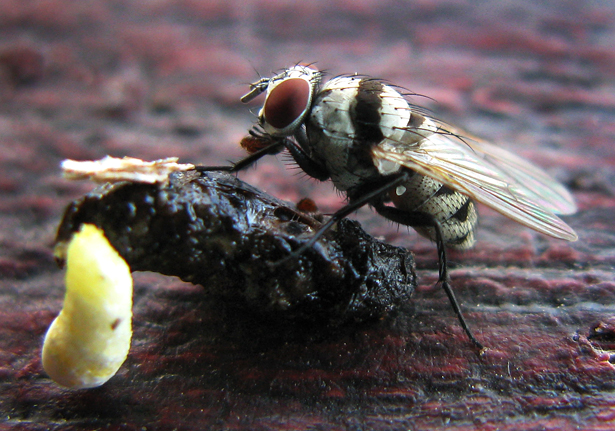
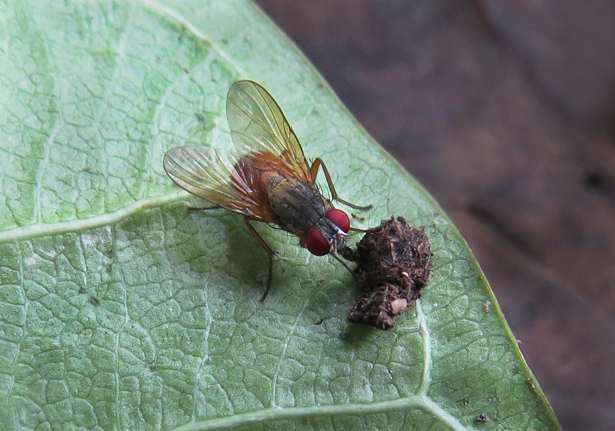
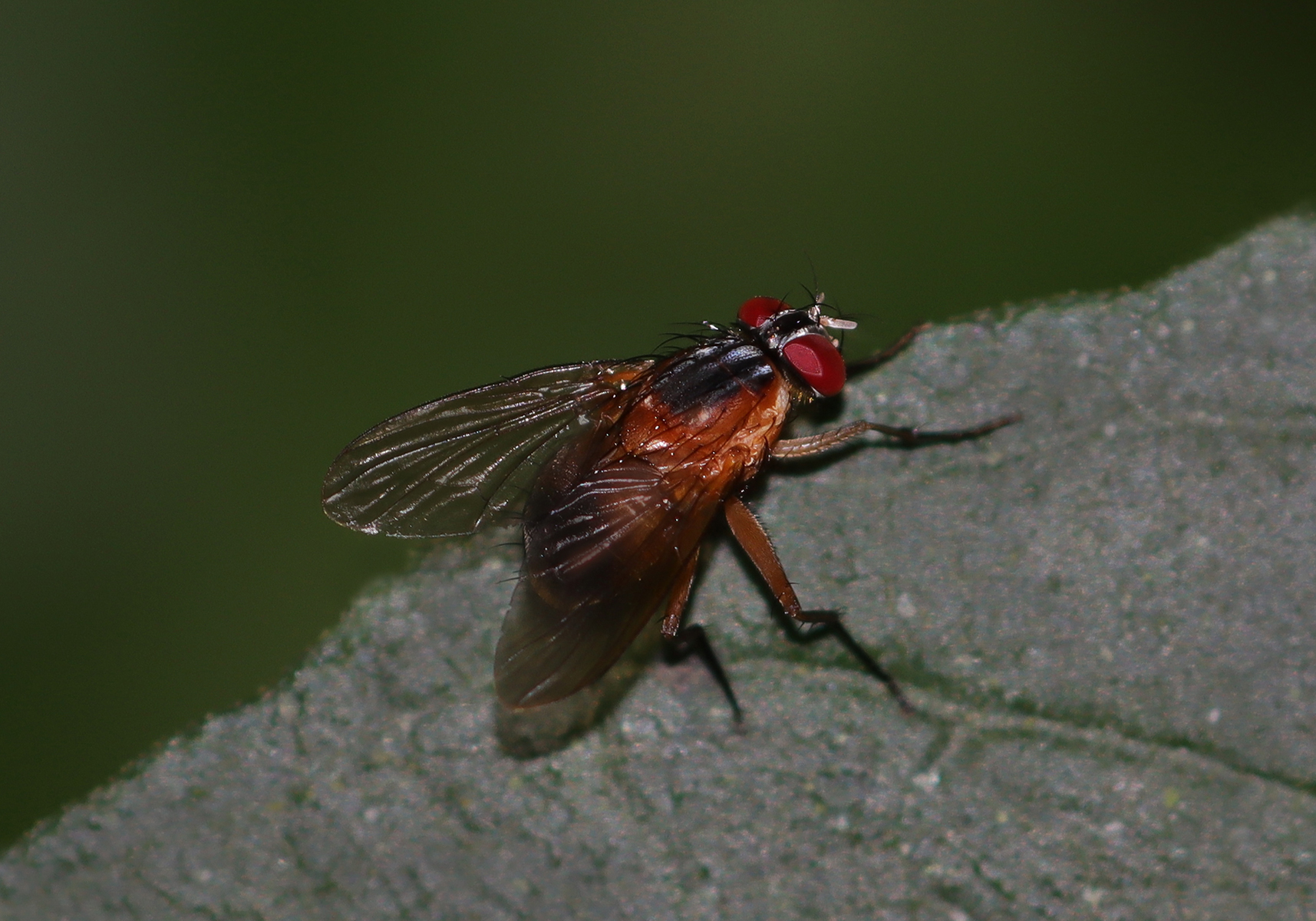
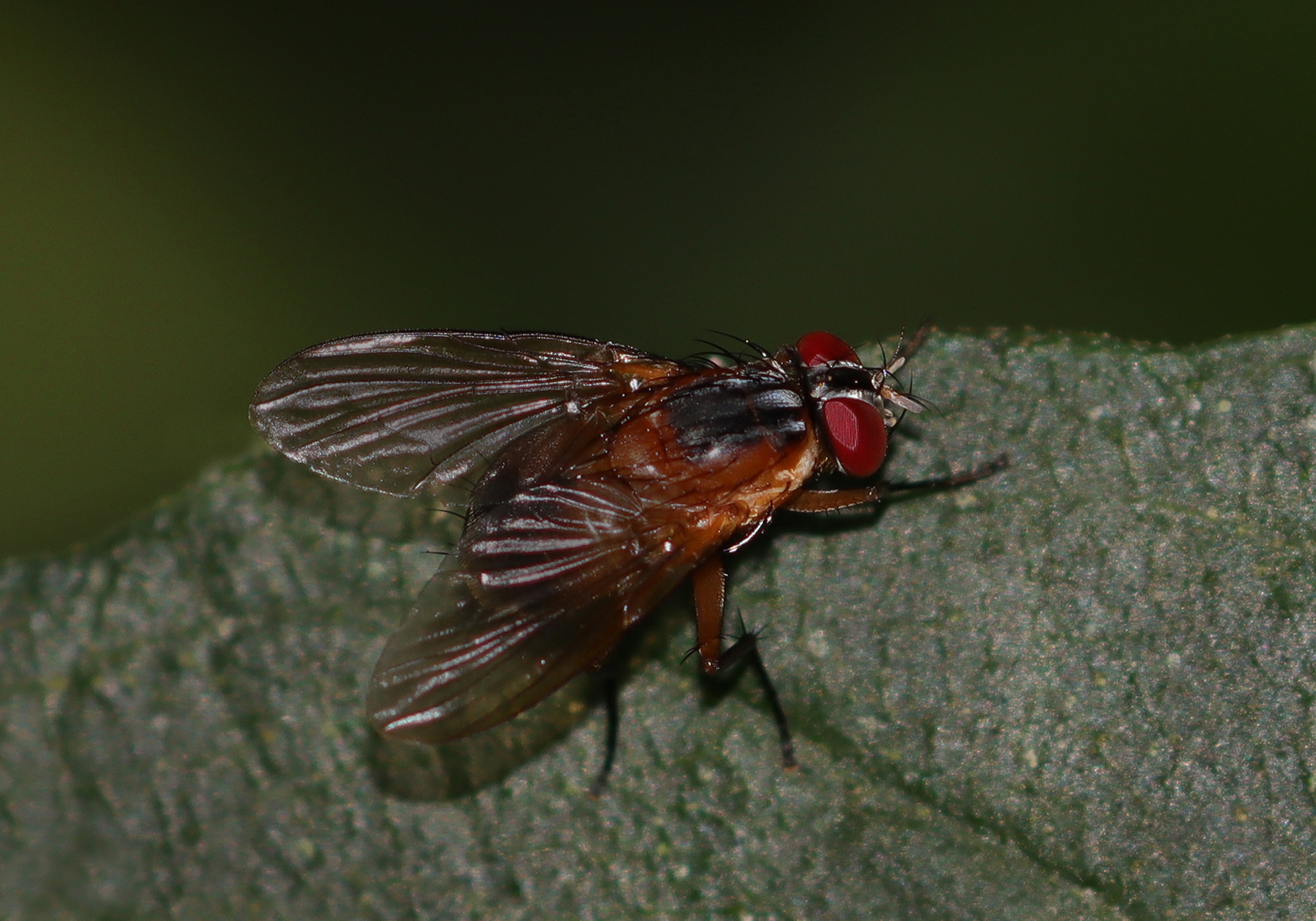
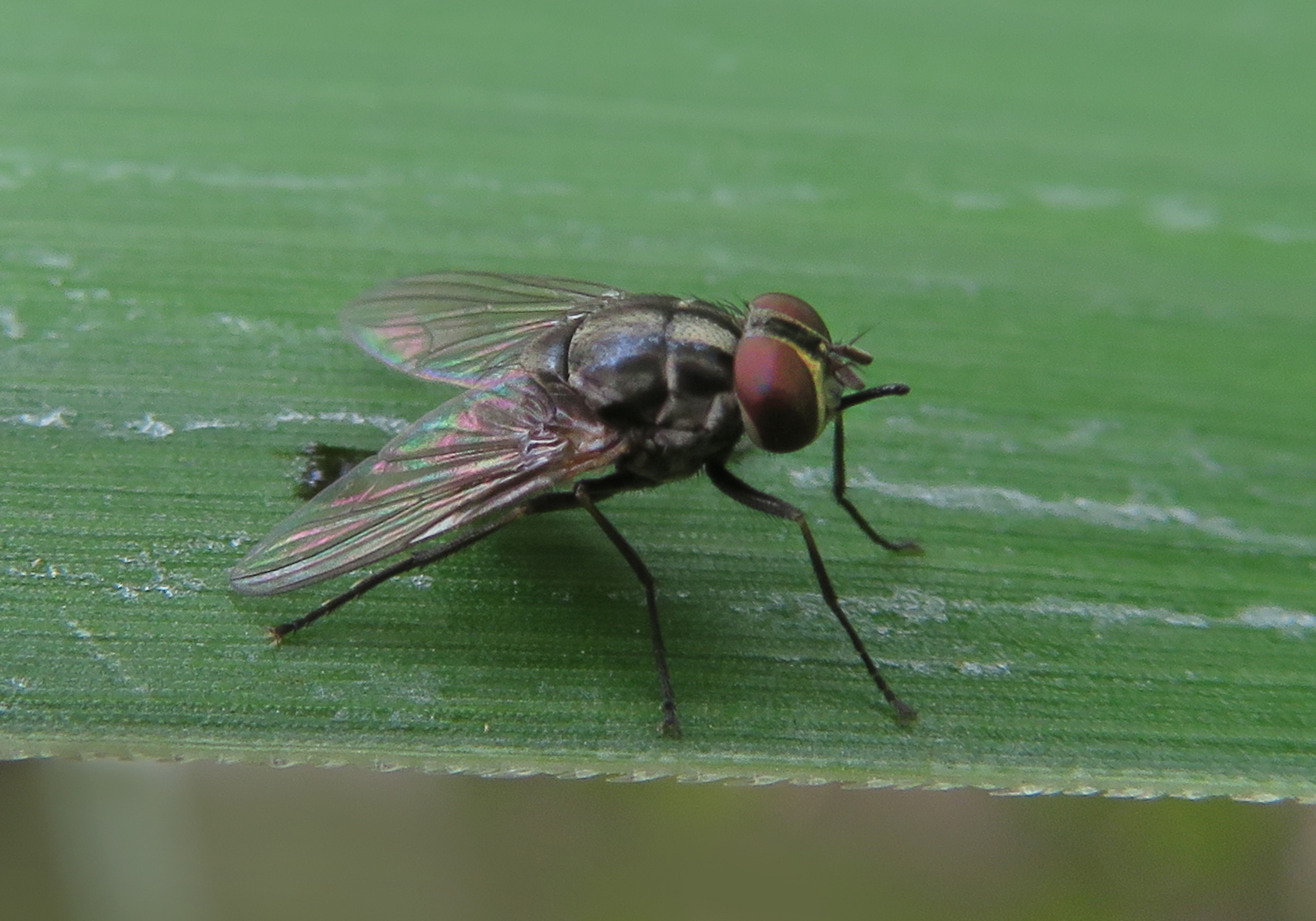
Muscoidea is a superfamily within the zoosubsection Calyptratae (Zoosection Schizophora, Infraorder Cyclorrhapha, Order Diptera), comprising a group of advanced flies that includes house flies and their close relatives. Members of this superfamily are distributed worldwide and are commonly found in a wide variety of habitats, particularly in association with decaying organic matter, animal waste, and human environments.
Flies of Muscoidea are typically medium-sized and have a robust, compact body form. They possess well-developed calypters at the base of the wings, a defining feature of calyptrate flies. The head is large with prominent compound eyes and short antennae bearing an arista. Mouthparts are generally adapted for sponging liquid food, although some species, such as stable flies, have piercing mouthparts for blood feeding.
The life cycle involves complete metamorphosis. Females usually lay eggs in nutrient-rich substrates such as dung, decaying organic matter, carrion, or waste. Larvae are legless maggots that feed on these materials and develop rapidly. Pupation occurs within a puparium formed from the hardened larval skin.
Muscoidea includes several important families, most notably Muscidae (house flies and stable flies), as well as related groups. These flies exhibit a range of feeding habits: many adults feed on liquids such as nectar, plant exudates, or decomposing material, while larvae are typically saprophagous or detritivorous.
Ecologically, Muscoidea plays a significant role in decomposition and nutrient recycling, particularly through the activity of their larvae. However, some species are of considerable medical and economic importance, especially those associated with human habitats, as they can transmit pathogens and contaminate food. Despite this, many members of the superfamily contribute positively to ecosystem processes by breaking down organic waste and supporting food webs.