Bali Wildlife
Every Spices Matter


Muscinae is a subfamily within the family Muscidae (Superfamily Muscoidea, Order Diptera), comprising a group of medium-sized flies that are widely distributed across the world. Members of this subfamily are commonly associated with both natural habitats and human-influenced environments, including farms, urban areas, forests, and grasslands.
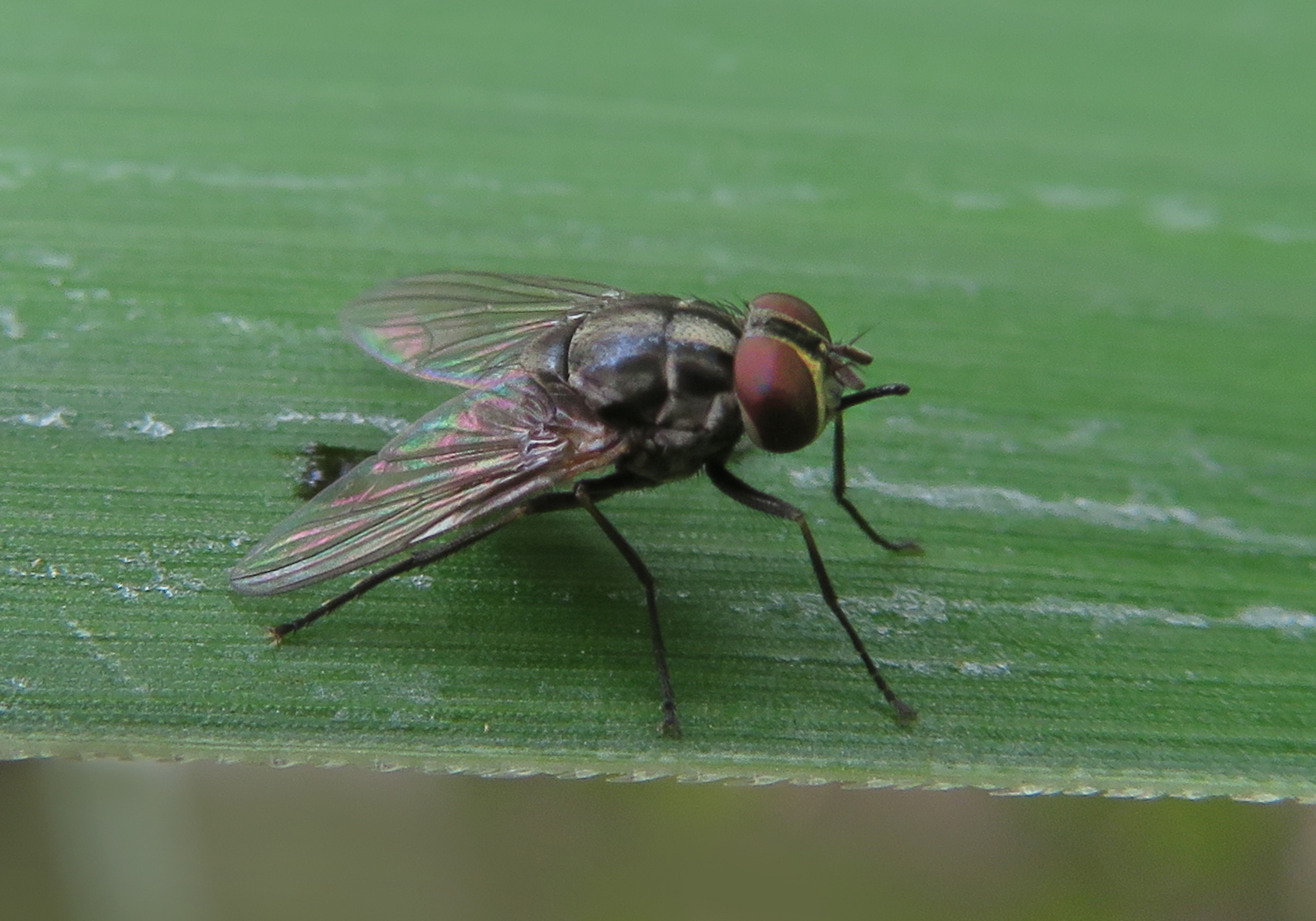
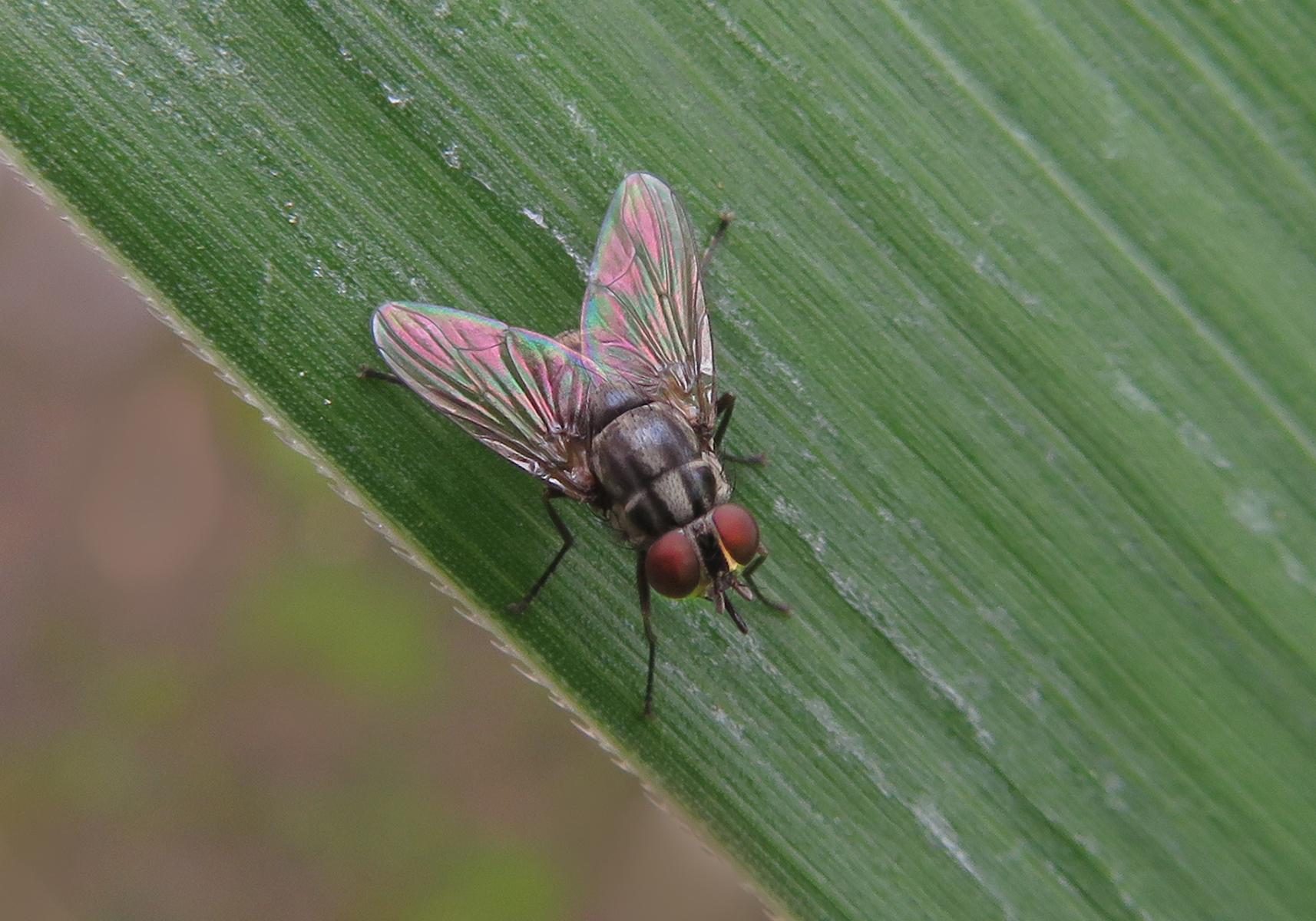
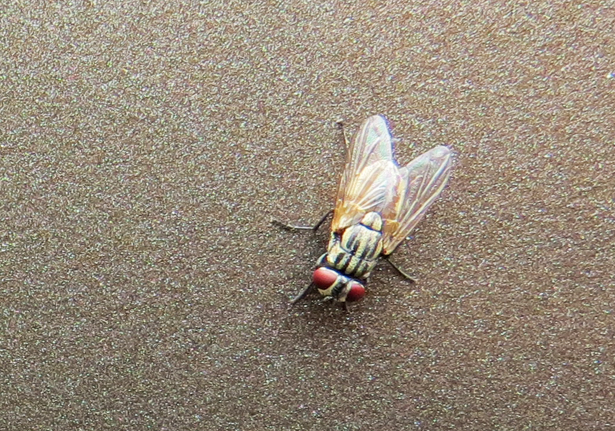
Flies of the subfamily Muscinae are typically medium-sized and have a robust, compact body. The head is large with prominent compound eyes and short antennae bearing a feathery or bristle-like arista. As calyptrate flies, they possess well-developed calypters at the base of the wings. The thorax often displays longitudinal stripes, and the body is usually gray or dull-colored.
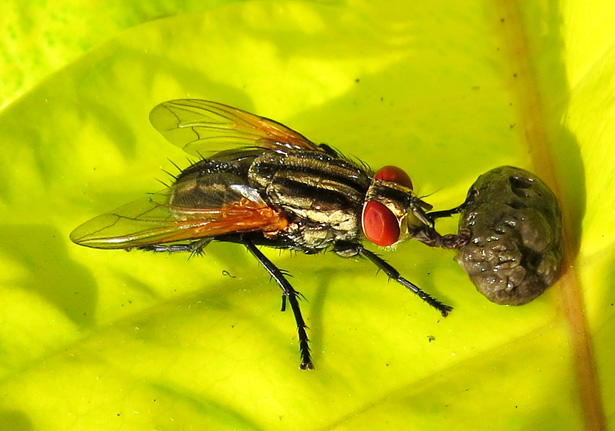
Mouthparts in Muscinae are generally adapted for sponging liquid or semi-liquid food. Adults feed on a wide variety of substances, including decaying organic matter, animal waste, plant exudates, and human food. Their feeding habits often bring them into close contact with humans and animals.
The life cycle involves complete metamorphosis. Females typically lay eggs in moist, nutrient-rich substrates such as manure, decaying organic matter, or waste. Larvae (maggots) feed on these materials and develop rapidly before pupating in a puparium.
The subfamily includes genera such as Musca (including the common house fly, Musca domestica) and Muscina. These genera include species that are of significant medical and economic importance.
Ecologically, Muscinae play an important role in decomposition and nutrient recycling. However, many species are also considered pests due to their association with human environments. They can act as mechanical vectors of pathogens, contaminating food and surfaces and contributing to the spread of disease. Despite this, they remain important components of ecosystems as decomposers and as prey for other organisms.