

Typical Crustaceans (Superclass Multicrustacea)
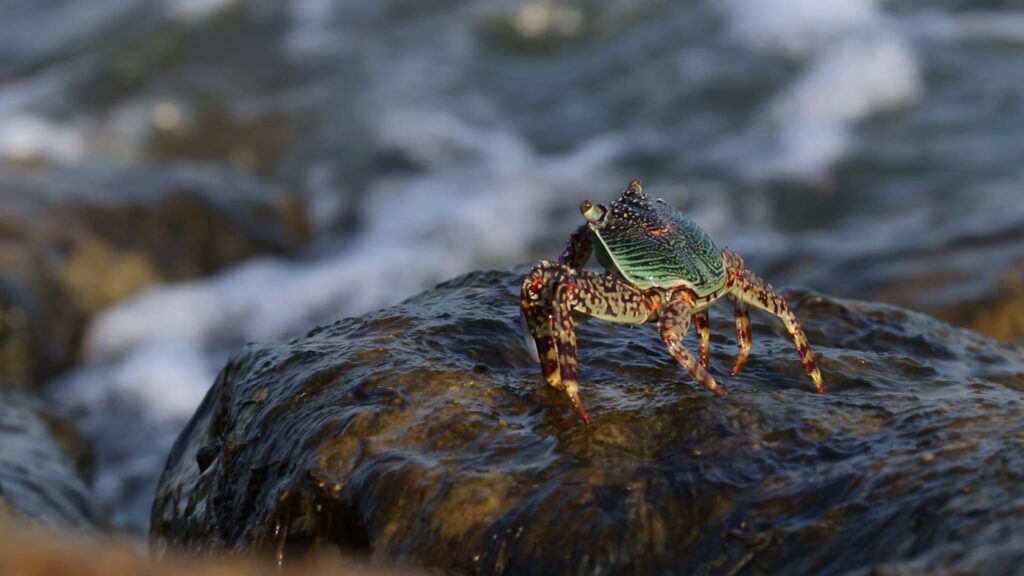
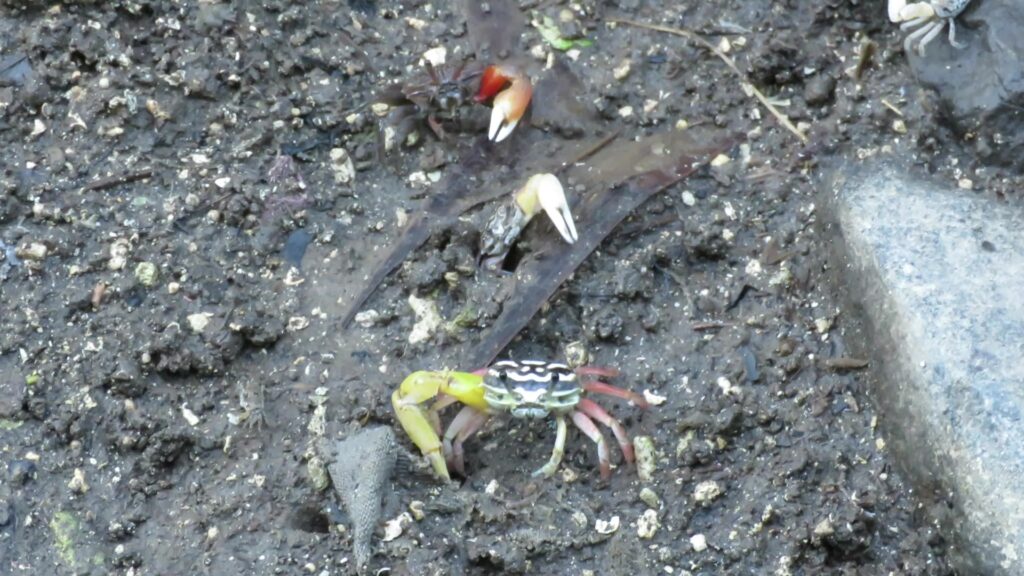
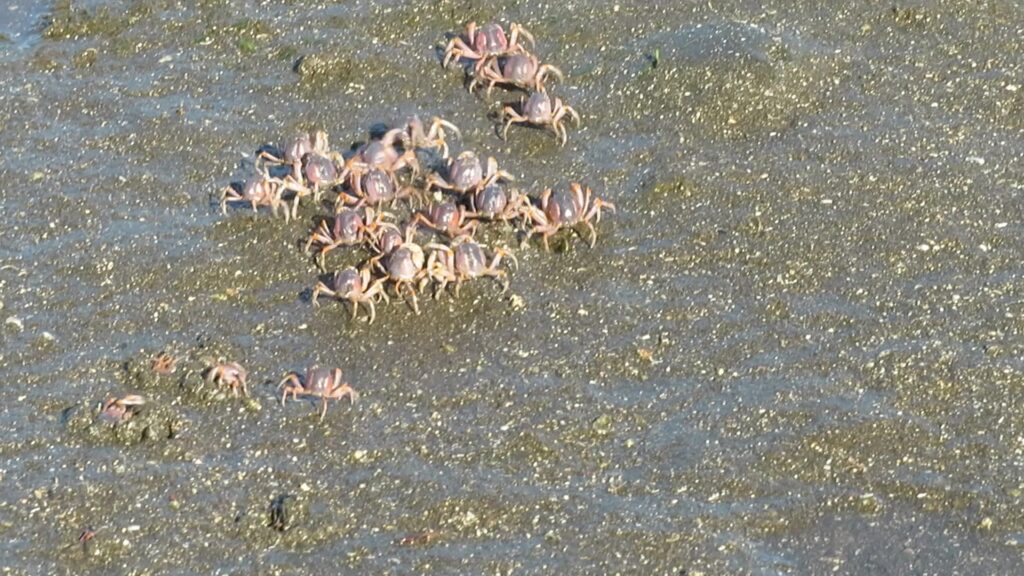
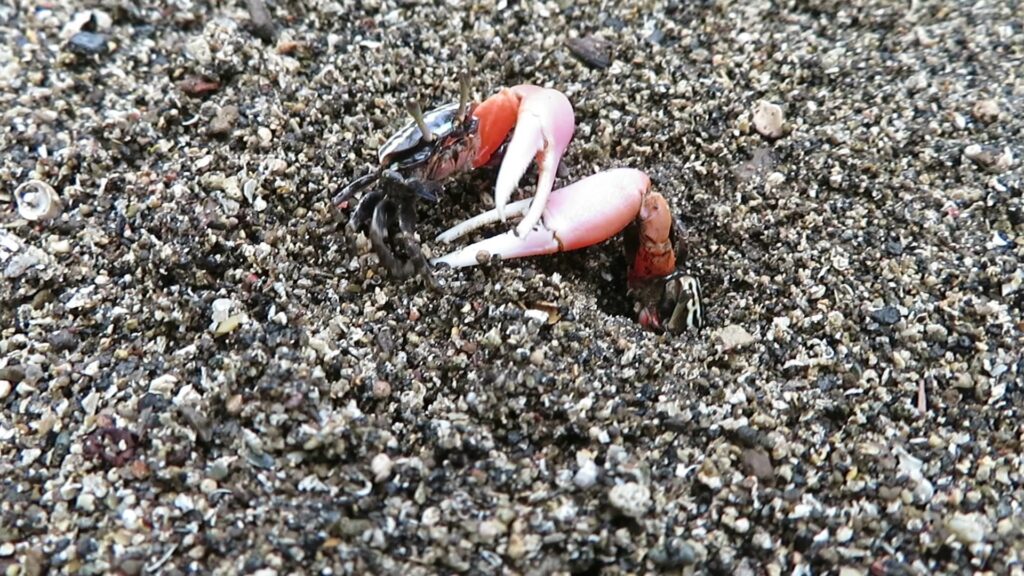
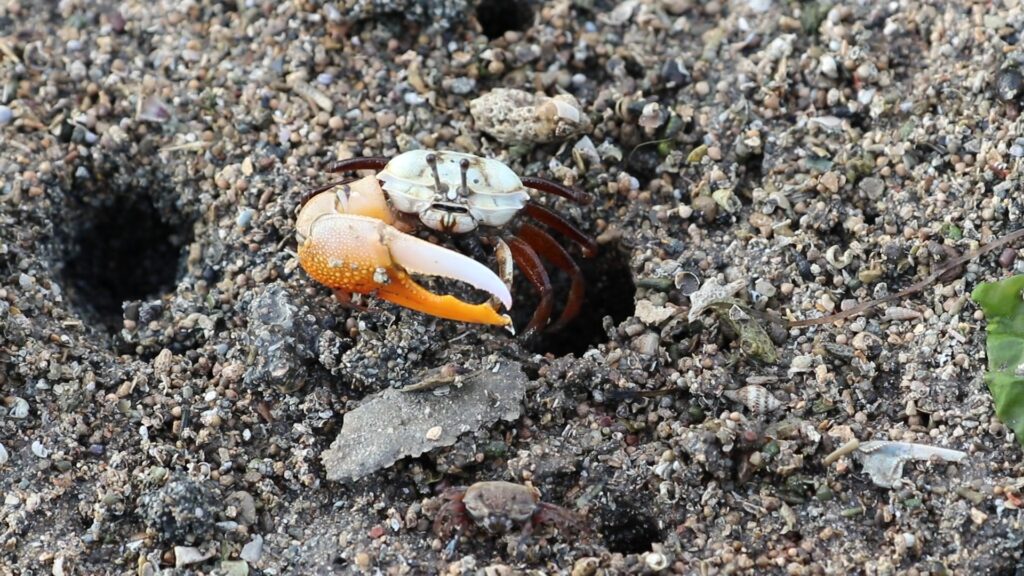
Superclass Multicrustacea is a major evolutionary group of crustaceans within the subphylum Crustacea. It includes a remarkable diversity of aquatic arthropods, such as decapods, krill, copepods, and barnacles, depending on the taxonomic framework used. Members range from tiny planktonic organisms that drift in ocean currents to large, active animals such as crabs, lobsters, and shrimp. Multicrustacea is recognized primarily through evolutionary relationships established using morphological and molecular evidence, rather than by a single external feature shared by all its members.
Multicrustaceans exhibit substantial variation in body size and organization. Like other crustaceans, they possess segmented bodies, jointed appendages, and a chitinous exoskeleton that may be strengthened with calcium carbonate. In many larger forms, the head and thorax are fused into a cephalothorax, which may be protected by a carapace. Other members, particularly small planktonic forms, have more compact or specialized body structures suited to life in the water column. This diversity reflects their adaptation to different habitats, feeding strategies, and modes of movement.
Antennae and other sensory structures play important roles in the biology of Multicrustacea. Crustaceans generally possess two pairs of antennae, which can detect chemical cues, touch, water movement, and vibrations. Compound eyes are common, although their complexity varies across the group. Active swimmers and predators may have well-developed visual systems, while small or parasitic species may have reduced sensory structures. These adaptations help individuals locate food, recognize potential mates, avoid predators, and respond to changing environmental conditions.
The appendages of multicrustaceans are highly diverse and often specialized. Decapods such as crabs, lobsters, and prawns use walking legs, claws, and abdominal appendages for locomotion, feeding, defense, and reproduction. Krill and many copepods use swimming appendages to move through the water column, while barnacles possess modified thoracic appendages that capture suspended food particles. This variety of appendage structures is an important feature of crustacean evolution and allows members of the group to occupy numerous ecological niches.
Multicrustacea includes animals found in marine, freshwater, and, in some lineages, terrestrial environments. Marine representatives occur in coastal waters, coral reefs, estuaries, the open ocean, and the deep sea. Freshwater members inhabit rivers, lakes, streams, and wetlands. Some crustaceans, including certain decapods, spend portions of their lives in different environments, migrating between freshwater and marine habitats. Barnacles commonly attach to rocks, shells, ships, and other submerged surfaces, while many copepods and krill live as planktonic organisms in the water column.
Feeding strategies vary considerably among multicrustaceans. Many copepods and krill consume phytoplankton, microscopic animals, or suspended organic particles, making them important links between primary producers and larger marine consumers. Decapods include predators, scavengers, herbivores, detritivores, and omnivores. Barnacles generally filter food from the surrounding water using specialized appendages. These feeding differences influence the flow of energy through aquatic ecosystems and help determine the ecological roles of individual species.
Reproduction and development are also diverse. Most multicrustaceans reproduce sexually, with separate sexes in many groups, although reproductive systems and mating behaviors differ among lineages. Some decapods carry fertilized eggs beneath the abdomen, while barnacles are generally sessile as adults and release larvae into the water. Copepods commonly produce eggs that hatch into nauplius larvae, which pass through a series of developmental stages before becoming adults. Other groups have distinct larval forms adapted to dispersal, feeding, or settlement in suitable habitats.
Multicrustaceans are ecologically important across marine and freshwater food webs. Krill and copepods are major food sources for fish, seabirds, and marine mammals, while crabs, shrimp, and other decapods serve as both predators and prey. Many species consume decaying organic material and contribute to nutrient recycling. Filter-feeding species can also influence the abundance of suspended particles and plankton. Because of these roles, changes in multicrustacean populations can affect the productivity and structure of entire ecosystems.
Humans interact with Multicrustacea in numerous ways. Shrimp, prawns, crabs, lobsters, and related decapods support fisheries and aquaculture industries worldwide. Some species are used in scientific research, while others can become invasive when transported beyond their native ranges. Threats include overharvesting, habitat degradation, pollution, warming waters, ocean acidification, and changes in food availability. These pressures can be especially significant for species with restricted distributions or highly specialized habitat requirements.
Overall, Multicrustacea represents a major and evolutionarily diverse group within Crustacea. Its members range from microscopic plankton to large benthic and swimming animals, displaying an extraordinary variety of body forms, feeding mechanisms, and reproductive strategies. Their importance in aquatic food webs, nutrient cycling, fisheries, and ecosystem functioning makes them a central group in the study of crustacean diversity and evolutionary biology.