Bali Wildlife
Every Spices Matter


Mollusca is one of the largest and most diverse animal phyla, comprising soft-bodied invertebrates such as snails, clams, squids, and octopuses. Members of this phylum are found in marine, freshwater, and terrestrial environments, with marine species representing the greatest diversity.
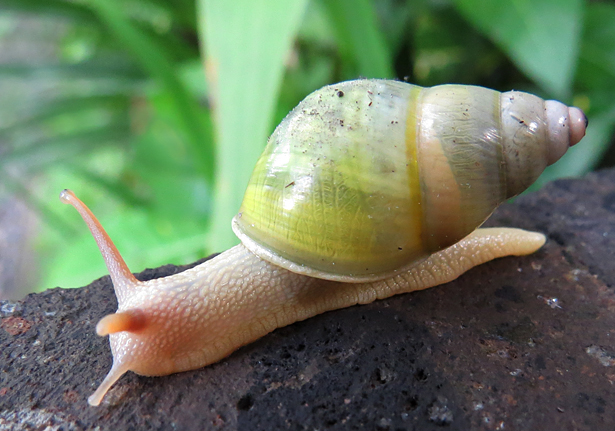
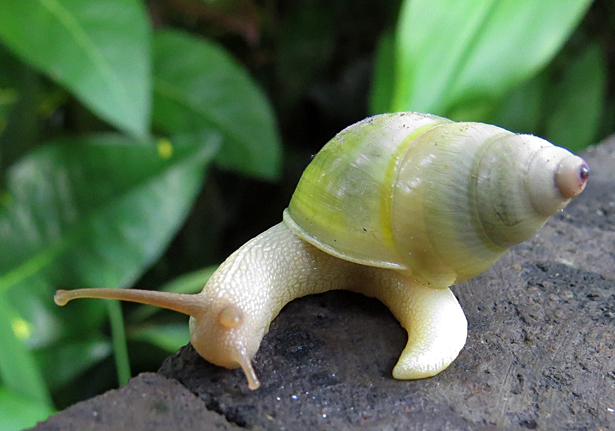
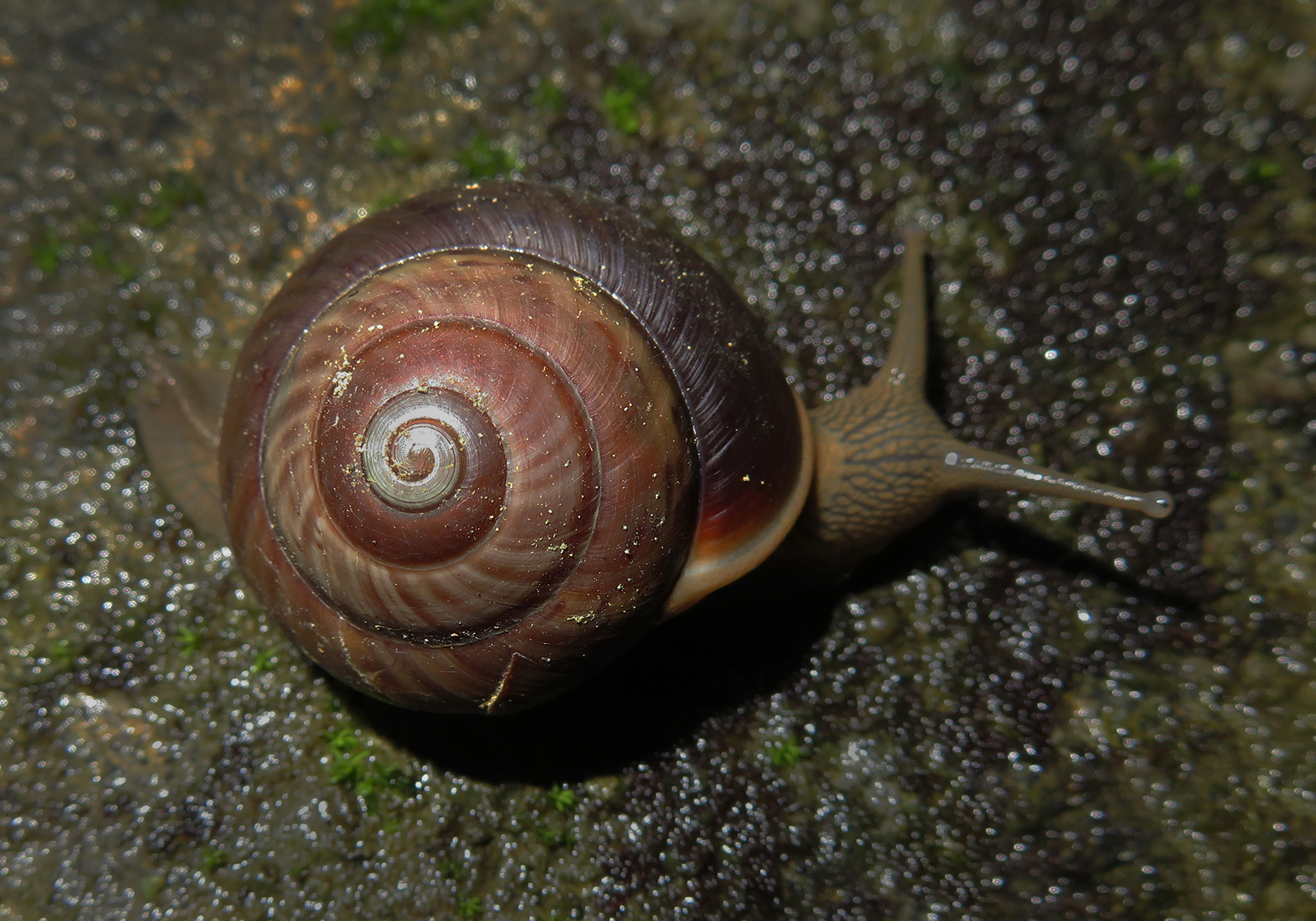
Mollusks typically share a fundamental body plan consisting of three main parts: a muscular foot, used for locomotion or attachment; a visceral mass, containing the internal organs; and a mantle, a specialized tissue layer that covers the visceral mass and often secretes a calcium carbonate shell. While many species possess an external shell, others have internal shells or lack a shell entirely.
Most mollusks have a radula, a ribbon-like feeding structure equipped with tiny chitinous teeth used for scraping, cutting, or drilling food. However, this structure is absent in bivalves. The nervous system ranges from simple ganglia in many species to highly developed brains in cephalopods. Circulatory systems are generally open, though cephalopods possess a closed circulatory system.
Mollusks exhibit wide variation in body form and ecological roles. They may function as herbivores, predators, filter feeders, scavengers, or detritivores. Reproductive strategies vary greatly, including separate sexes, hermaphroditism, and complex larval stages such as trochophore and veliger larvae in many marine species.
Ecologically, mollusks are essential components of aquatic and terrestrial ecosystems. They contribute to nutrient cycling, bioerosion, reef formation, and food webs, serving as prey for numerous vertebrates and invertebrates. Many species are also of major economic importance to humans as food sources and in aquaculture.
Phylum Mollusca represents a highly adaptable and evolutionarily successful lineage, distinguished by its versatile body plan, diverse ecological strategies, and remarkable morphological variation across both aquatic and terrestrial habitats.