

Genus Mictis
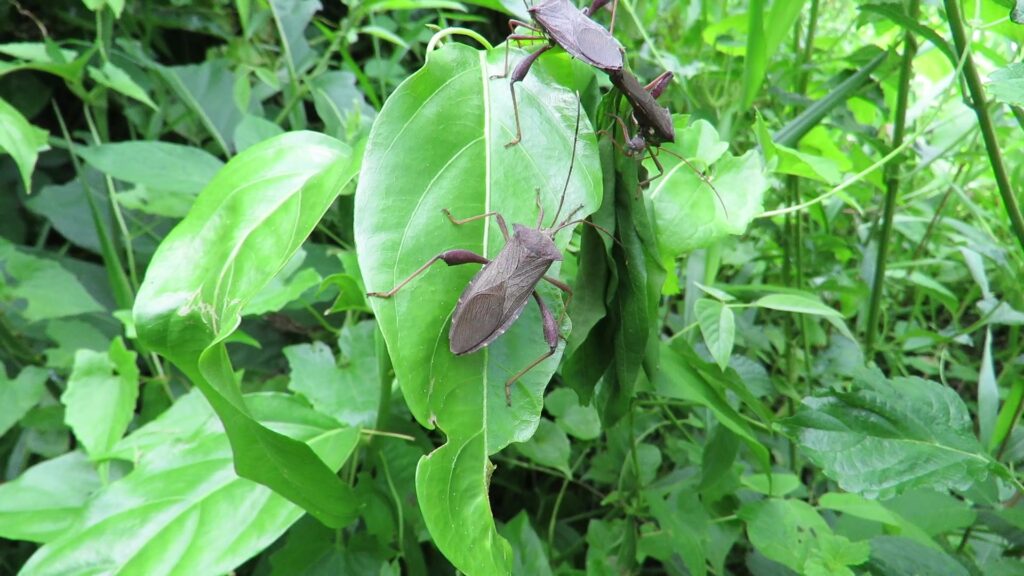
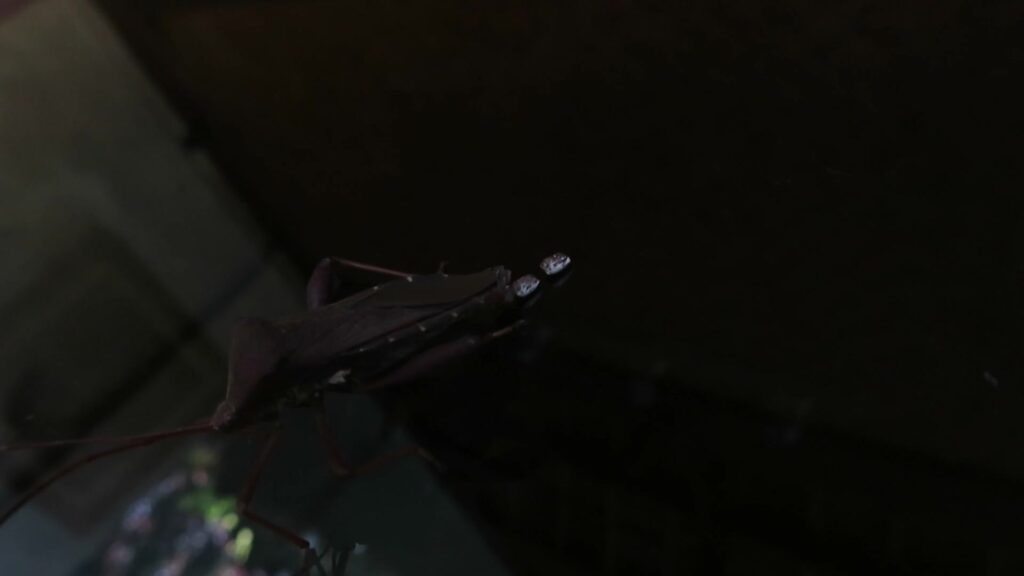
The genus Mictis comprises a group of true bugs belonging to the order Hemiptera and the family Coreidae, commonly known as leaf-footed bugs. These insects are recognized for their elongated bodies, prominent antennae, and characteristic adaptations of the hind legs. The genus belongs to the subfamily Coreinae and includes species primarily associated with vegetation in tropical and subtropical regions. Like other coreid bugs, members of Mictis possess piercing-sucking mouthparts that enable them to feed on plant fluids, making them important components of terrestrial ecosystems and, in some cases, potential pests of cultivated plants.
Members of Mictis generally have medium-sized to relatively large bodies compared with many other true bugs. Their bodies are elongated and somewhat flattened, with a distinct head, a well-developed thorax, and an abdomen that may extend beyond the folded wings. Their coloration is commonly dominated by shades of brown, reddish brown, dark grey, or black, sometimes accompanied by contrasting markings. These subdued colours can provide camouflage among stems, branches, dried leaves, and other vegetation. Body size, proportions, and colour patterns vary between species and can assist in identification when considered alongside more detailed structural features.
The head of Mictis bears a pair of compound eyes, long segmented antennae, and a piercing-sucking rostrum. The rostrum is used to penetrate plant tissues and extract sap or other fluids. The thorax supports three pairs of legs and two pairs of wings in winged adults. The forewings are typically hardened at the base and membranous toward the tips, a characteristic arrangement among true bugs. The hind legs may display modifications of the femora or tibiae, although the extent and form of these structures vary among species. Such features, together with wing venation and the shape of the pronotum, are useful for distinguishing Mictis from related coreid genera.
The genus is associated with warm environments across parts of Asia and the Indo-Australian region, with the distribution varying among individual species. Members may occur in forests, woodland margins, scrublands, gardens, plantations, and agricultural landscapes where suitable host plants are available. They are often encountered on shrubs, trees, vines, and other vegetation, where they can remain relatively inconspicuous while feeding or resting. The availability of host plants, seasonal changes in vegetation, and local climatic conditions influence their distribution and abundance.
Feeding in Mictis is based primarily on the use of the rostrum to access fluids within plant tissues. Individuals may feed on developing shoots, stems, leaves, fruits, seeds, or other plant structures, depending on the species and its host preferences. Their feeding can cause localized tissue damage, discoloration, wilting, or deformation when populations are abundant. Feeding on reproductive plant structures may also affect fruit or seed development. However, the extent of any agricultural impact depends on the species involved, its preferred host plants, and its population density.
Like many coreid bugs, Mictis undergoes incomplete metamorphosis. Females lay eggs on plant surfaces or in other suitable locations, and the emerging nymphs develop through several stages separated by moulting. The nymphs resemble adults in their general body organization but lack fully developed wings and often differ in coloration and proportions. They feed on plant fluids as they grow and gradually develop the external characteristics of adults. The timing of reproduction, duration of development, and number of generations per year vary with species and environmental conditions.
The behaviour of Mictis reflects its dependence on vegetation for food, shelter, and reproduction. Individuals may move along stems and branches while searching for feeding sites or suitable places to rest. When disturbed, they may walk rapidly, drop from vegetation, or fly away if their wings are fully developed. Their body coloration can make them difficult to detect against woody stems and dried plant material. Chemical signals and other forms of communication may also play roles in mate finding and interactions between individuals, although these behaviours are not equally well documented across all species in the genus.
Members of Mictis participate in food webs as plant-feeding insects and potential prey for spiders, predatory insects, birds, and other insectivorous animals. Their feeding transfers nutrients from plants to higher trophic levels, while their eggs and nymphs can provide resources for predators and parasitoids. Natural enemies, weather conditions, host-plant quality, and habitat structure may influence their population dynamics. Their ecological role therefore extends beyond any effects they may have on cultivated plants.
Identification of Mictis requires attention to its overall body shape, head and pronotum structure, antennae, hind legs, wing venation, and reproductive morphology. Closely related coreid genera can share many external characteristics, so colour alone is rarely sufficient for a reliable identification. Geographic distribution and host-plant associations can provide useful supporting information. Taxonomic revisions and differences in species-level identification practices may also affect how the genus is represented in regional insect guides and scientific catalogues.
Overall, Mictis is a distinctive genus of leaf-footed bugs adapted to life on vegetation in warm regions. Its elongated body, specialized mouthparts, developed wings, and characteristic leg structures reflect the broader evolutionary adaptations of the family Coreidae. Through its plant-feeding habits and interactions with predators and other organisms, the genus forms part of the ecological diversity of terrestrial habitats. Its significance in natural and agricultural environments depends on the biology, distribution, and host associations of the individual species.