

Tribe Mictini
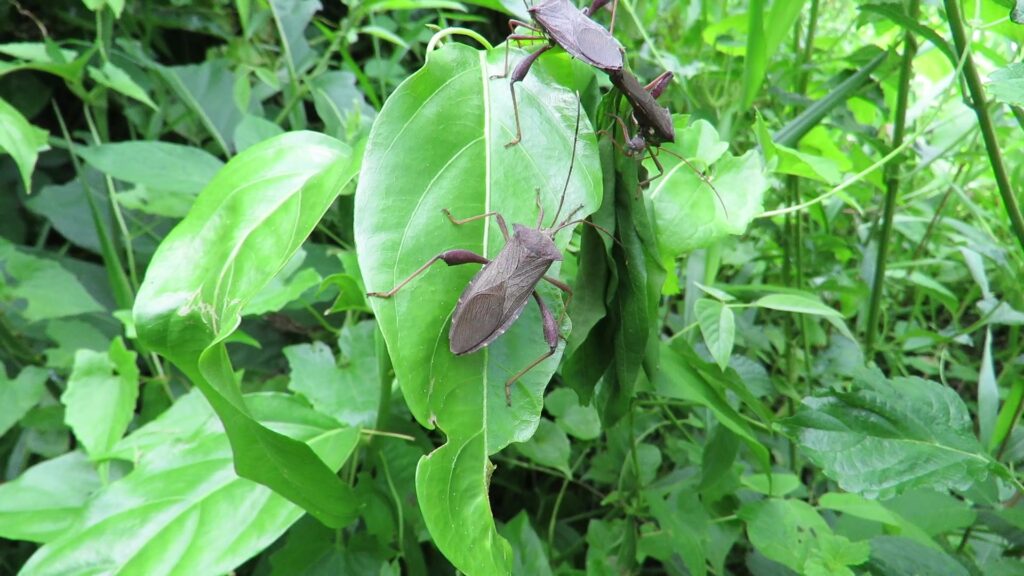
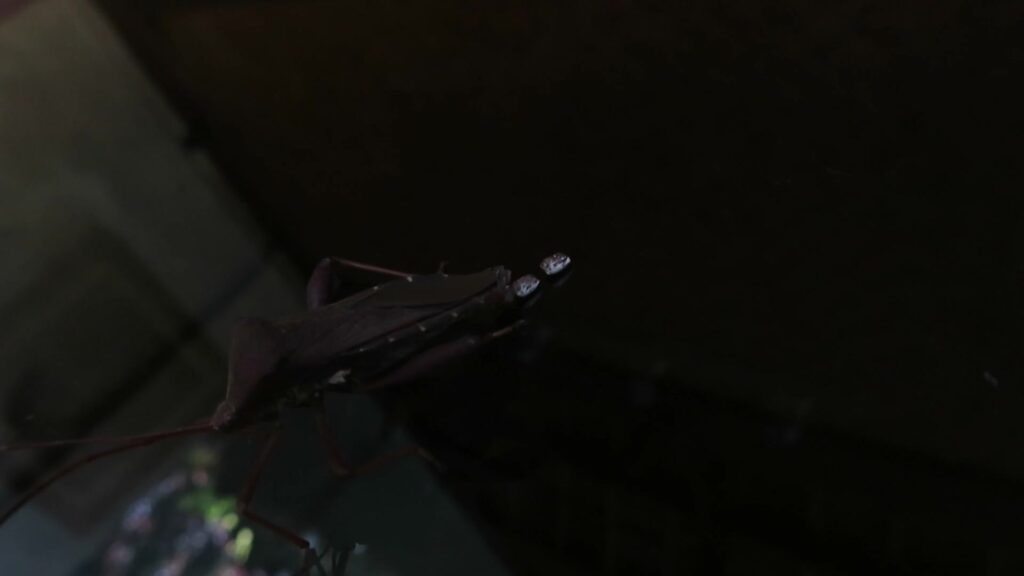
The tribe Mictini is a taxonomic group of insects within the order Hemiptera, which includes true bugs, cicadas, aphids, and other insects characterized by piercing-sucking mouthparts. It is associated with the planthopper lineage of the infraorder Fulgoromorpha, although the precise classification and limits of the tribe may vary among taxonomic treatments. Members of this group are plant-associated insects that use specialized mouthparts to extract sap from vascular tissues. Like other planthoppers, they are adapted for life on vegetation and may possess distinctive body shapes, wing patterns, and coloration that help distinguish them from related groups.
Mictini belongs to the broader diversity of planthoppers, insects whose bodies are generally adapted for jumping, clinging to plants, and moving through foliage. Their bodies typically consist of a head, thorax, and abdomen, with three pairs of legs and, in winged adults, two pairs of wings. The head may show modifications in the shape of the face, vertex, or other structures, while the thorax supports the wings and powerful hind legs. As in other fulgoroid insects, the hind legs are adapted for jumping, allowing individuals to escape predators or move quickly between plant surfaces.
The external appearance of insects assigned to Mictini can vary among genera and species. Their coloration may include shades of brown, grey, green, or other tones that blend with bark, leaves, and stems. Some species may exhibit contrasting markings or textured surfaces that improve camouflage in their natural habitats. Wing shape and venation, head structure, leg characteristics, and the form of the male and female reproductive structures are often important in distinguishing taxa within the group. Accurate identification generally requires examination of these morphological features alongside geographic and ecological information.
Like other planthoppers, members of Mictini feed primarily on plant sap. Their mouthparts form a slender piercing-sucking apparatus that allows them to penetrate plant tissues and draw out fluids. Feeding may occur on stems, leaves, branches, or other suitable parts of host plants, depending on the species. The nutritional quality and availability of host plants influence growth, survival, and reproduction. Although sap feeding is a normal part of plant–insect interactions, large populations of some planthoppers can weaken plants or contribute to other problems, particularly when feeding is accompanied by the transmission of plant pathogens. However, the ecological or agricultural importance of Mictini specifically depends on the biology of its constituent species.
The habitat of Mictini is associated with vegetation capable of supporting sap-feeding insects. Potential habitats include forests, woodland edges, shrublands, grass-dominated environments, and cultivated landscapes, depending on the distribution of individual species. Some planthoppers are closely associated with particular host plants, while others use a broader range of vegetation. Their abundance may be influenced by temperature, rainfall, humidity, seasonal plant growth, and the availability of suitable feeding and oviposition sites. More detailed habitat descriptions require information about the particular genus or species being considered.
The life cycle of planthoppers generally includes eggs, several immature stages known as nymphal instars, and winged or wingless adults. Females lay eggs on or within plant tissues or in other protected locations, depending on the species. After hatching, the nymphs begin feeding on plant sap and pass through a series of moults before reaching adulthood. Unlike insects with complete metamorphosis, planthoppers develop without a pupal stage. The nymphs often resemble smaller, less-developed versions of adults, although they lack fully developed wings and may differ in coloration or body proportions. The duration of development and the number of generations produced each year depend on species-specific characteristics and environmental conditions.
Mictini and related planthoppers form part of terrestrial food webs. They may be preyed upon by spiders, predatory insects, birds, and other insectivorous animals. Their feeding activity transfers plant-derived nutrients into animal food webs, while their eggs and nymphs provide resources for small predators and parasitoids. Camouflage, rapid jumping, and movement into sheltered parts of vegetation can reduce the risk of predation. Their populations are also influenced by weather, plant condition, natural enemies, and competition with other sap-feeding insects.
The taxonomic study of Mictini relies on detailed morphological examination, comparisons with related tribes, and, increasingly, molecular evidence. Features such as wing venation, head proportions, leg structure, and reproductive anatomy can be useful in determining relationships and distinguishing closely related species. Because classifications within Fulgoromorpha have undergone revisions, the placement and definition of a tribe may differ among catalogues and specialist publications. Confirming the relevant family and subfamily is therefore important when describing Mictini in a formal taxonomic context.
Overall, Mictini represents a group within the diversity of plant-feeding true bugs whose members share the general biological adaptations of planthoppers. Their specialized mouthparts, jumping ability, and association with vegetation reflect an evolutionary strategy suited to exploiting plant fluids while avoiding predators. Further information about the tribe’s diagnostic characteristics, distribution, host plants, and ecological significance depends on establishing its accepted taxonomic placement and identifying the genera and species included within it.