Bali Wildlife
Every Spices Matter


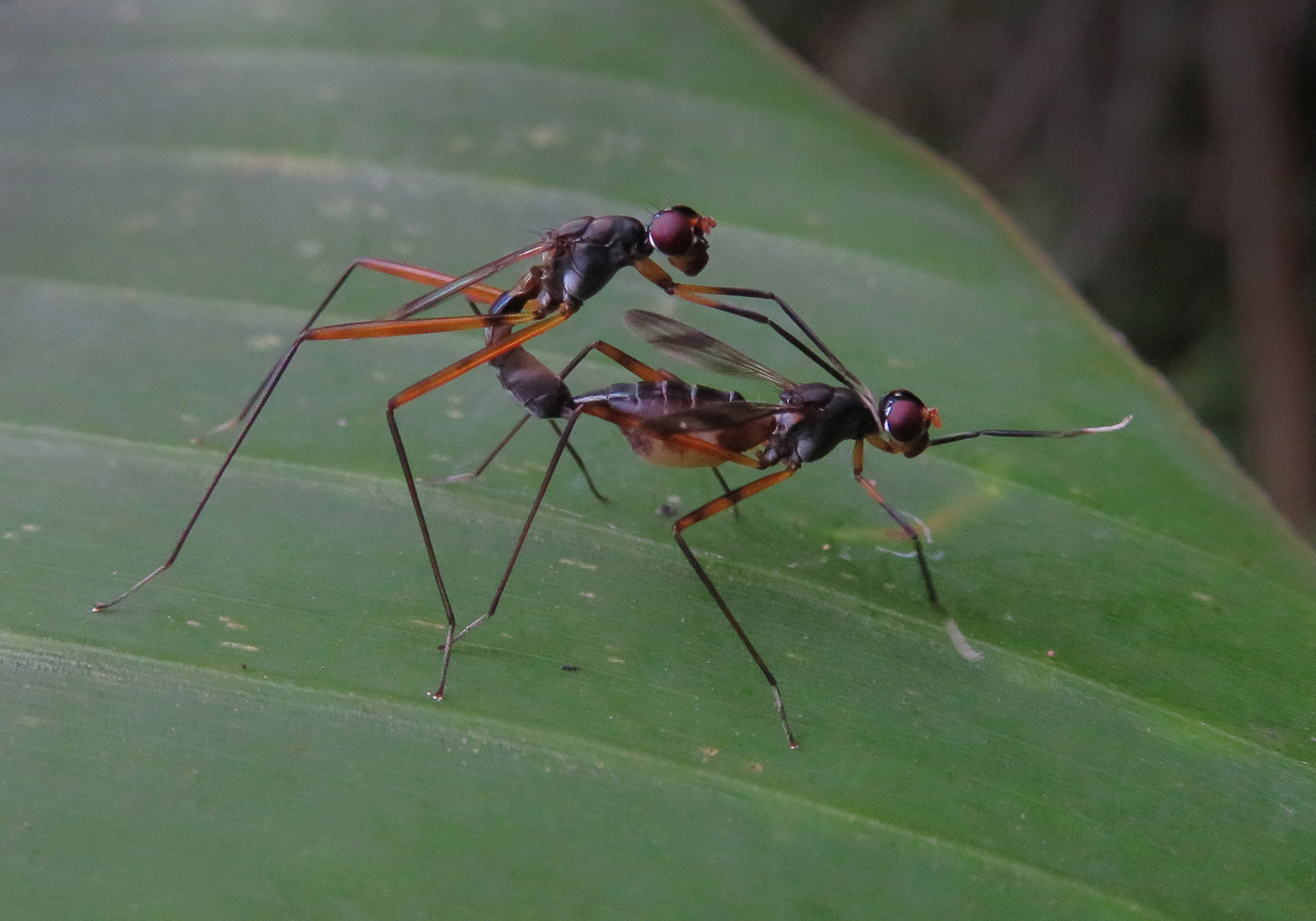
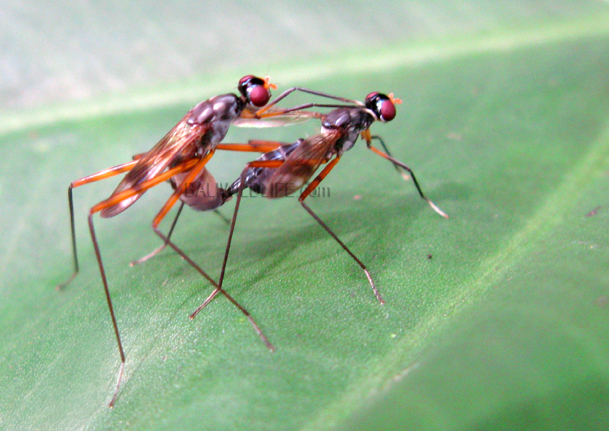
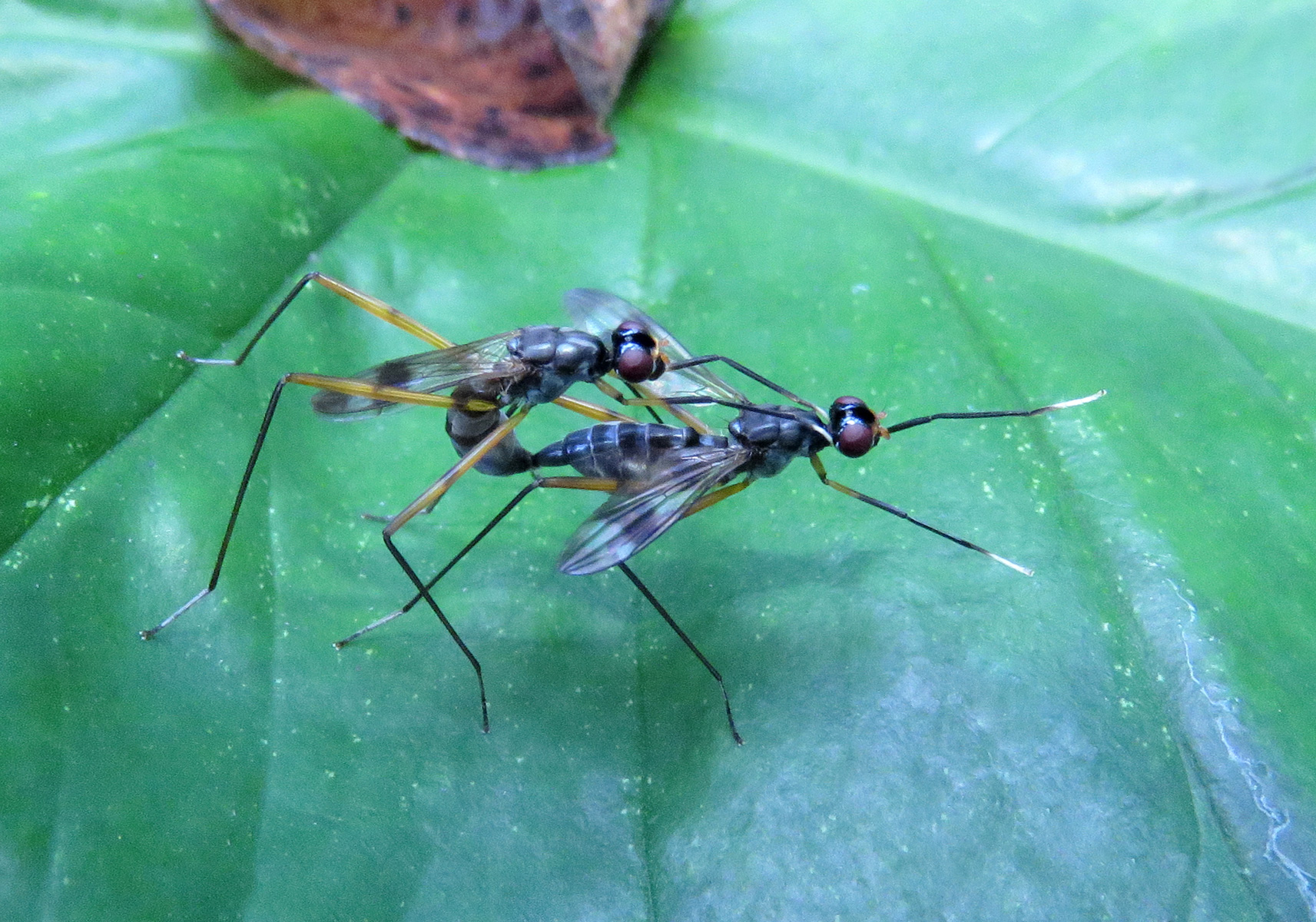
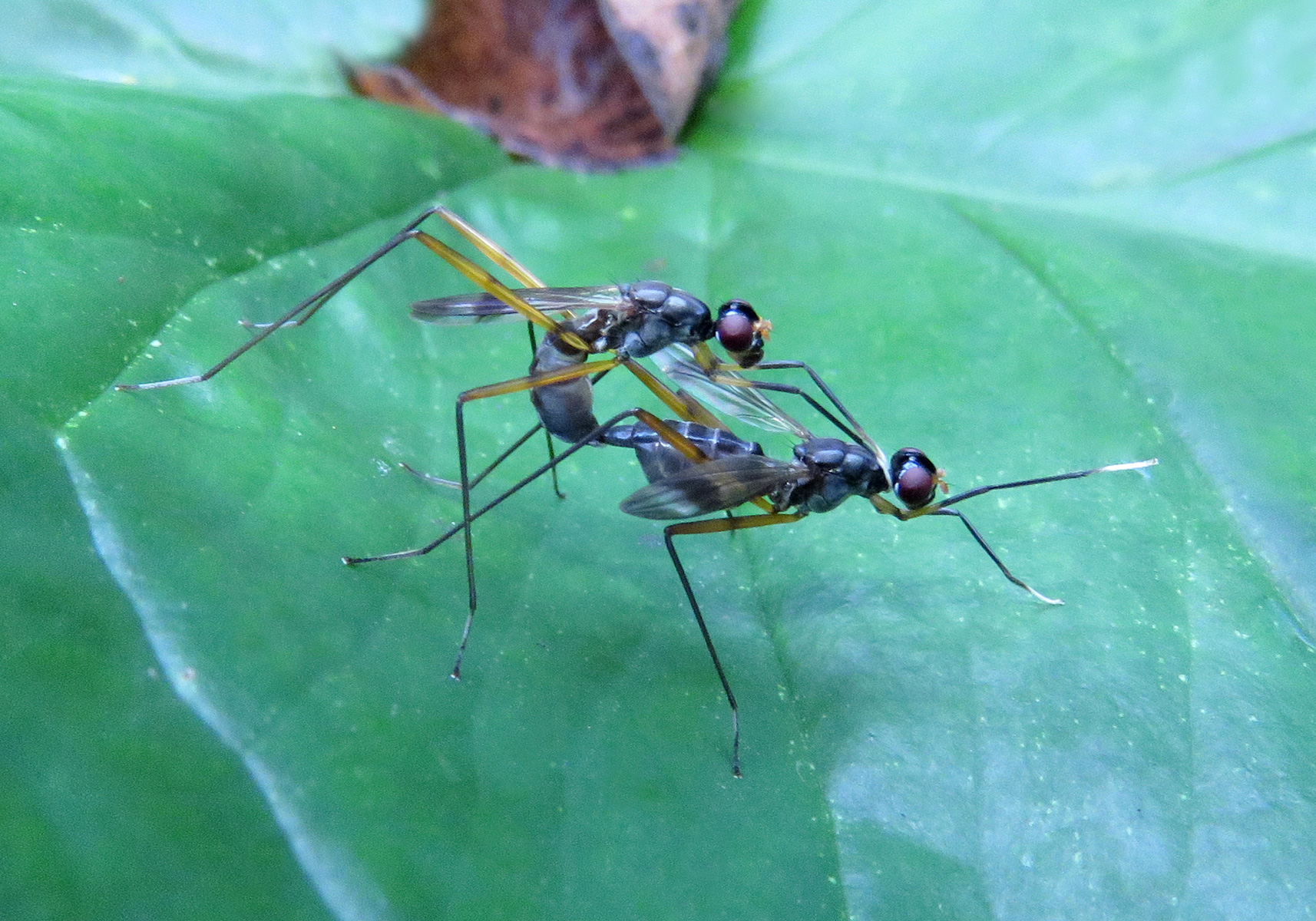
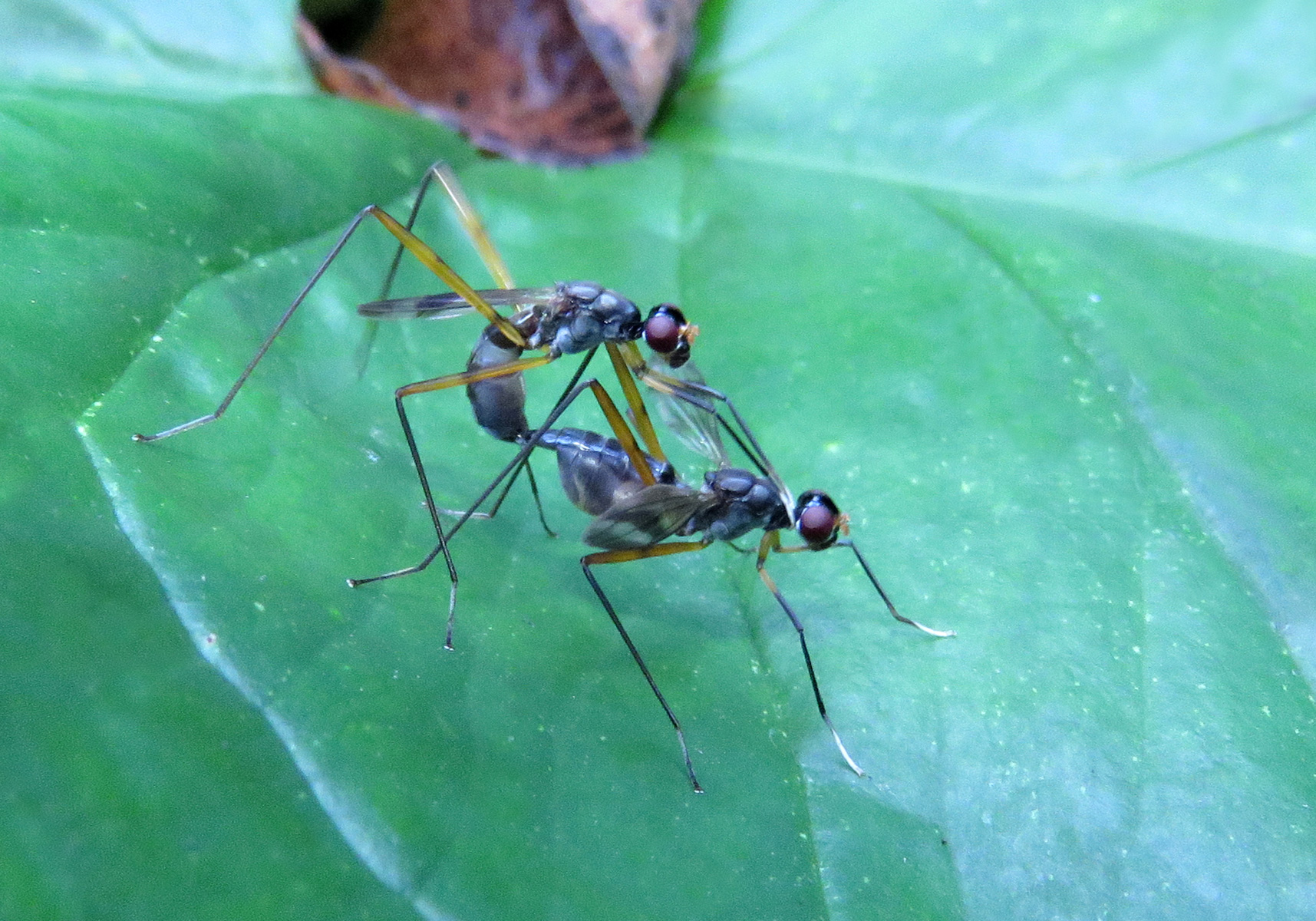
Micropezidae, commonly known as stilt-legged flies, is a family within the superfamily Nerioidea (Order Diptera). The family is distributed worldwide and is particularly diverse in tropical and subtropical regions. Members of Micropezidae are commonly found in forests, grasslands, wetlands, and areas rich in decaying organic matter.
Stilt-legged flies are easily recognized by their extremely long, slender legs and elongated bodies, which give them a delicate, stick-like appearance. The hind legs are often particularly long, and the front legs may be held raised or used in behavioral displays, sometimes mimicking antennae of ants or wasps. The head is relatively small, with large compound eyes and short antennae bearing an arista. Wings are usually clear or lightly marked and are held flat over the abdomen when at rest.
Many Micropezidae exhibit mimicry of ants, wasps, or other insects, which likely serves as a defense against predators. Their posture and slow, deliberate movements enhance this resemblance, making them difficult to distinguish from the organisms they mimic.
The life cycle involves complete metamorphosis. Larvae are typically found in decaying organic material such as rotting vegetation, wood, leaf litter, or animal waste. They are generally detritivorous, feeding on decomposing matter and microorganisms. Some species may have more specialized larval habitats or feeding behaviors.
Adults are often found on vegetation, tree trunks, or near decomposing substrates. They may feed on decaying organic material, plant exudates, or other liquid sources. While not major pollinators, they may occasionally visit flowers.
Ecologically, Micropezidae play a role in decomposition and nutrient recycling through their larval activity. Their mimicry and unusual morphology make them an interesting component of insect biodiversity. Although they are not typically of economic importance, they contribute to the ecological complexity of terrestrial ecosystems, especially in tropical environments.