Bali Wildlife
Every Spices Matter


Meloidae, commonly known as blister beetles, is a distinctive family within the superfamily Tenebrionoidea (Order Coleoptera). The family comprises several thousand described species distributed worldwide, with greatest diversity in arid, semi-arid, and open habitats such as grasslands, savannas, deserts, and agricultural areas. Blister beetles are well known for their chemical defenses and unusual life cycles.
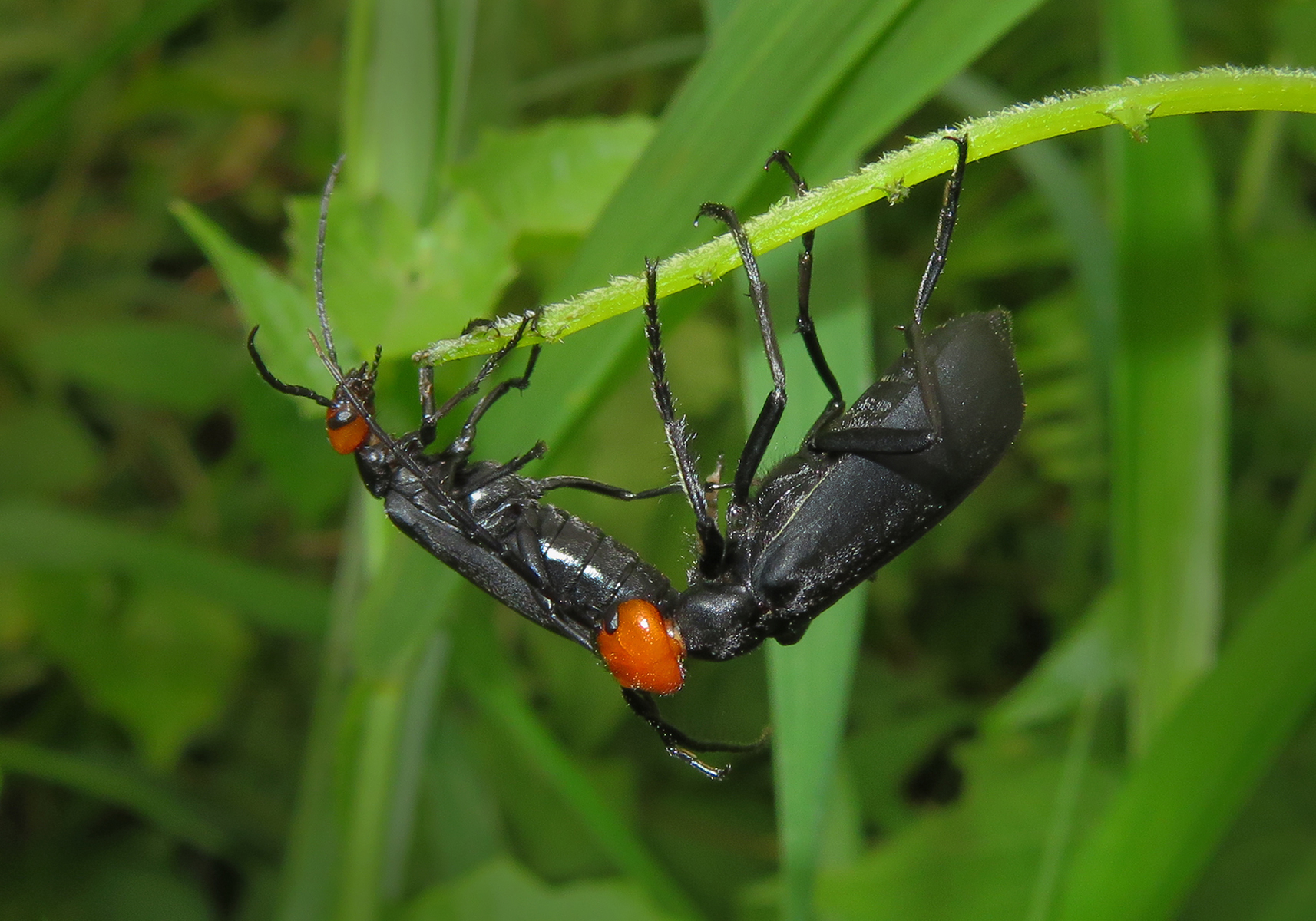
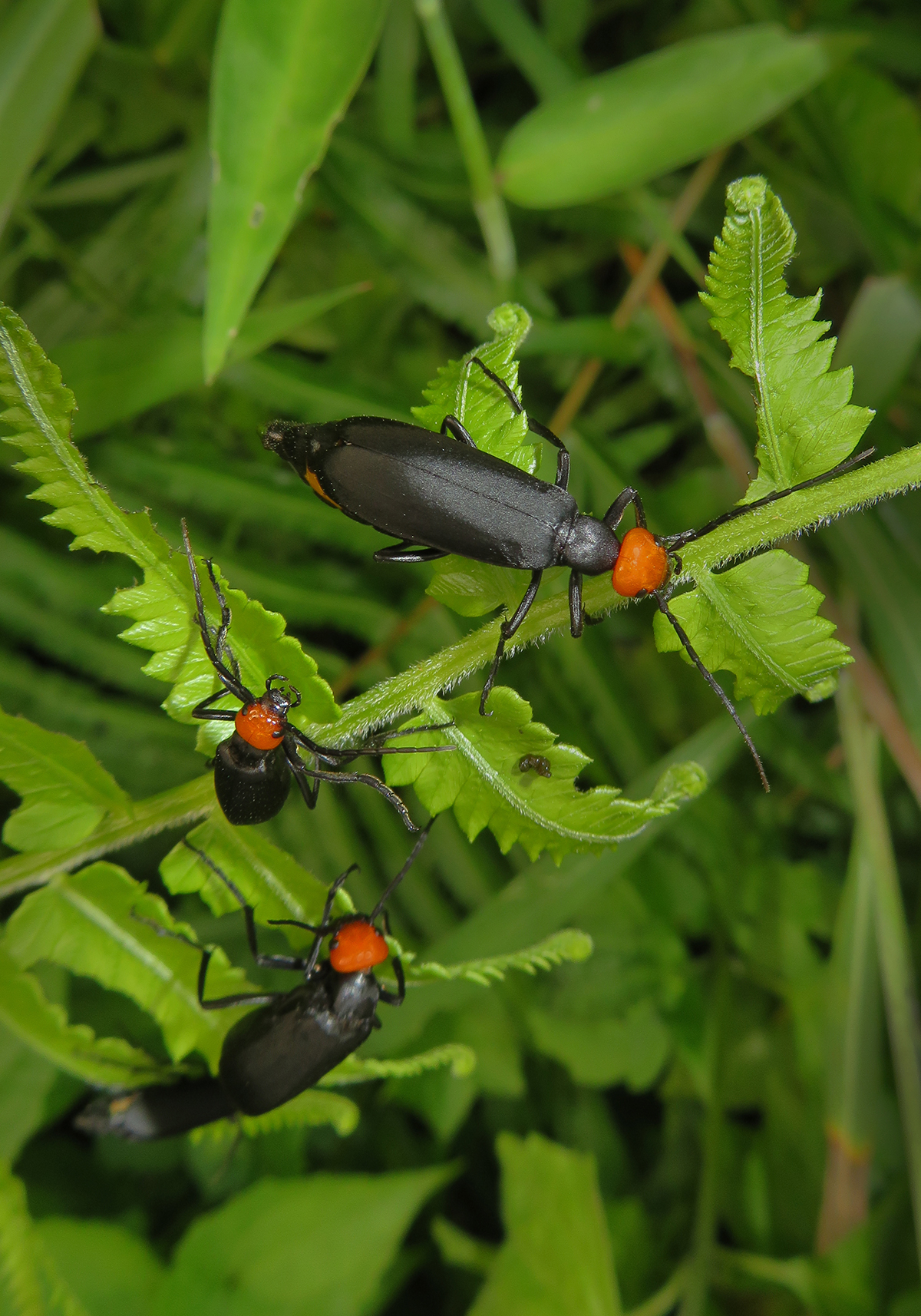
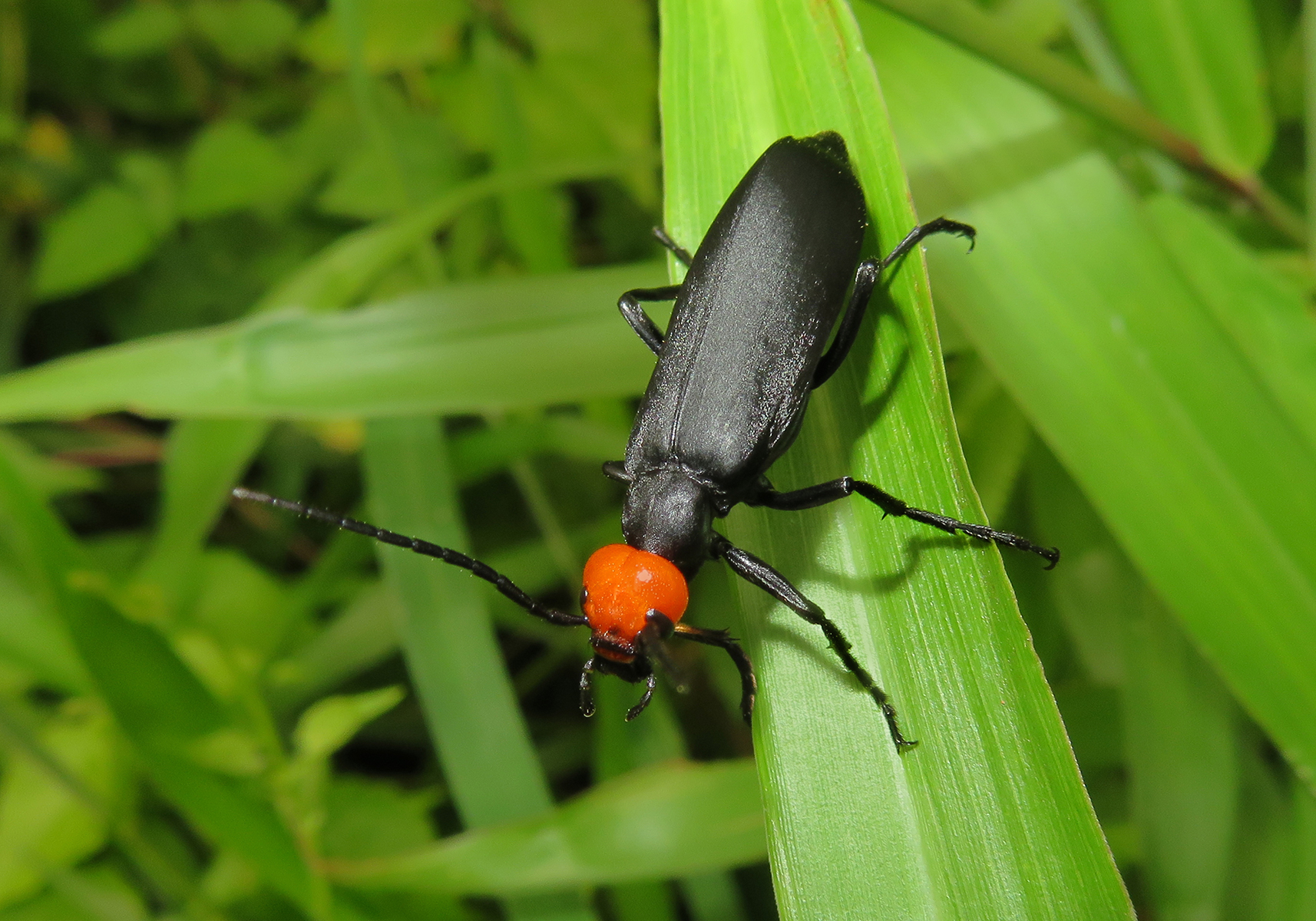
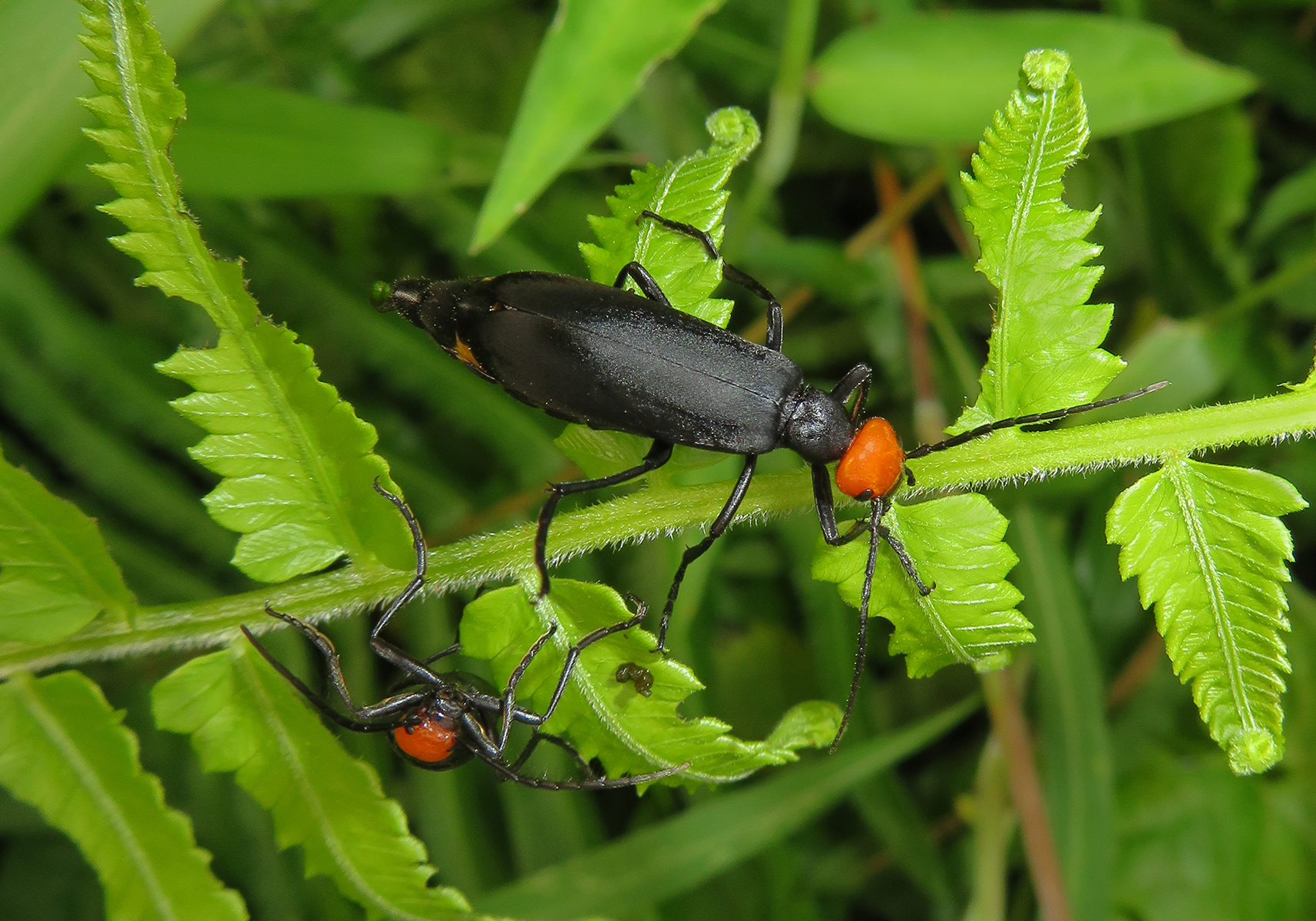
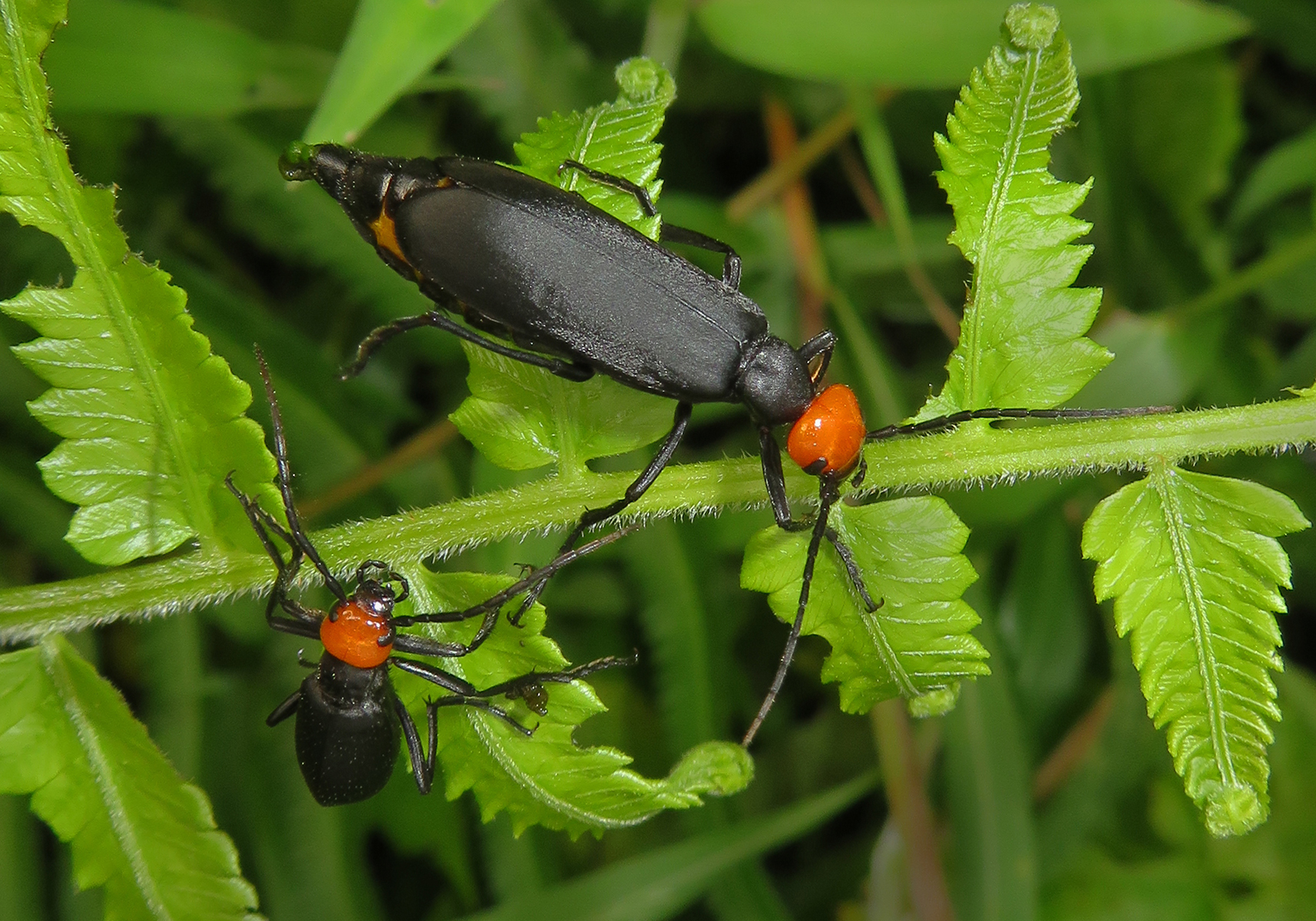
Adult Meloidae are typically medium to large beetles with soft-bodied, elongate, and somewhat flexible forms. A characteristic feature is the narrow pronotum, which is distinctly narrower than both the head and the elytra, giving the beetles a “necked” appearance. Elytra are often soft and may not completely cover the abdomen. Coloration ranges from dull brown or black to bright warning colors, including metallic hues or bold banded patterns.
A defining trait of Meloidae is their production of cantharidin, a toxic chemical that causes blistering of the skin and serves as an effective defense against predators. This compound can also be harmful to livestock if blister beetles contaminate hay or forage. The presence of cantharidin is reflected in the aposematic coloration of many species.
Meloidae exhibit hypermetamorphosis, a complex developmental pattern in which larval stages differ greatly in form and behavior. The first larval stage (triungulin) is active and mobile, often seeking out hosts such as solitary bees or grasshopper egg pods. Later larval stages are grub-like and sedentary. Larvae are typically parasitoids or predators, feeding on bee provisions and larvae or on grasshopper eggs.
The family includes several notable genera, such as Meloe, Lytta, Epicauta, and Hycleus. Some species have historical significance, as cantharidin extracted from blister beetles was formerly used in traditional medicine and as an aphrodisiac, though it is highly toxic.
Ecologically, Meloidae plays an important role in regulating populations of other insects, particularly grasshoppers and solitary bees. While adults may feed on flowers, leaves, or pollen and can occasionally damage crops, their larvae often provide indirect benefits through predation or parasitism. The unique combination of chemical defense, hypermetamorphic development, and ecological interactions makes Meloidae one of the most distinctive beetle families.