Bali Wildlife
Every Spices Matter


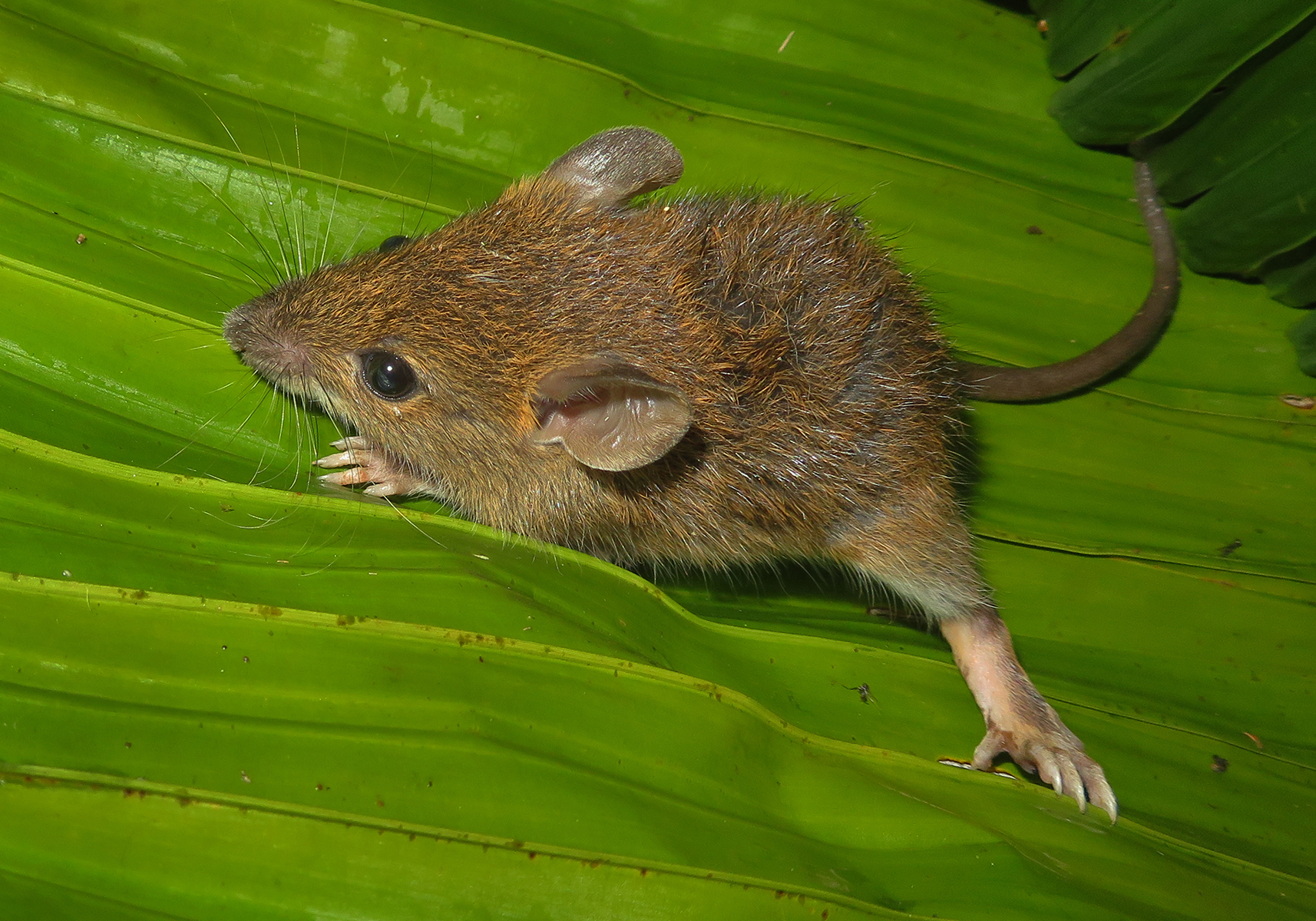
Mammalia is a class of vertebrate animals within the phylum Chordata. Mammals are distinguished by the presence of mammary glands, which produce milk to nourish their young, as well as hair or fur at some stage of development. This class includes a highly diverse group of animals ranging from tiny shrews to large whales and elephants.
Mammals are characterized by several key anatomical features: a single lower jaw bone (dentary), three middle ear bones (malleus, incus, and stapes), a neocortex in the brain, and a diaphragm separating the thoracic and abdominal cavities. Most mammals are endothermic (warm-blooded), maintaining a constant internal body temperature.
The class is divided into three major groups:
Mammals occupy nearly every habitat on Earth, including terrestrial, aquatic, aerial, and subterranean environments. Their diets vary widely and include herbivorous, carnivorous, omnivorous, and specialized feeding strategies.
Reproduction in most mammals involves internal fertilization and live birth (except monotremes). Parental care is typically well developed, with extended nurturing of offspring compared to many other vertebrates.
Ecologically, mammals play vital roles as predators, prey, pollinators, seed dispersers, and ecosystem engineers. Their adaptability and complex behaviors have contributed to their widespread success and diversification.
Class Mammalia represents one of the most evolutionarily advanced and ecologically significant groups of vertebrates, characterized by endothermy, hair, milk production, and advanced brain development.