Bali Wildlife
Every Spices Matter


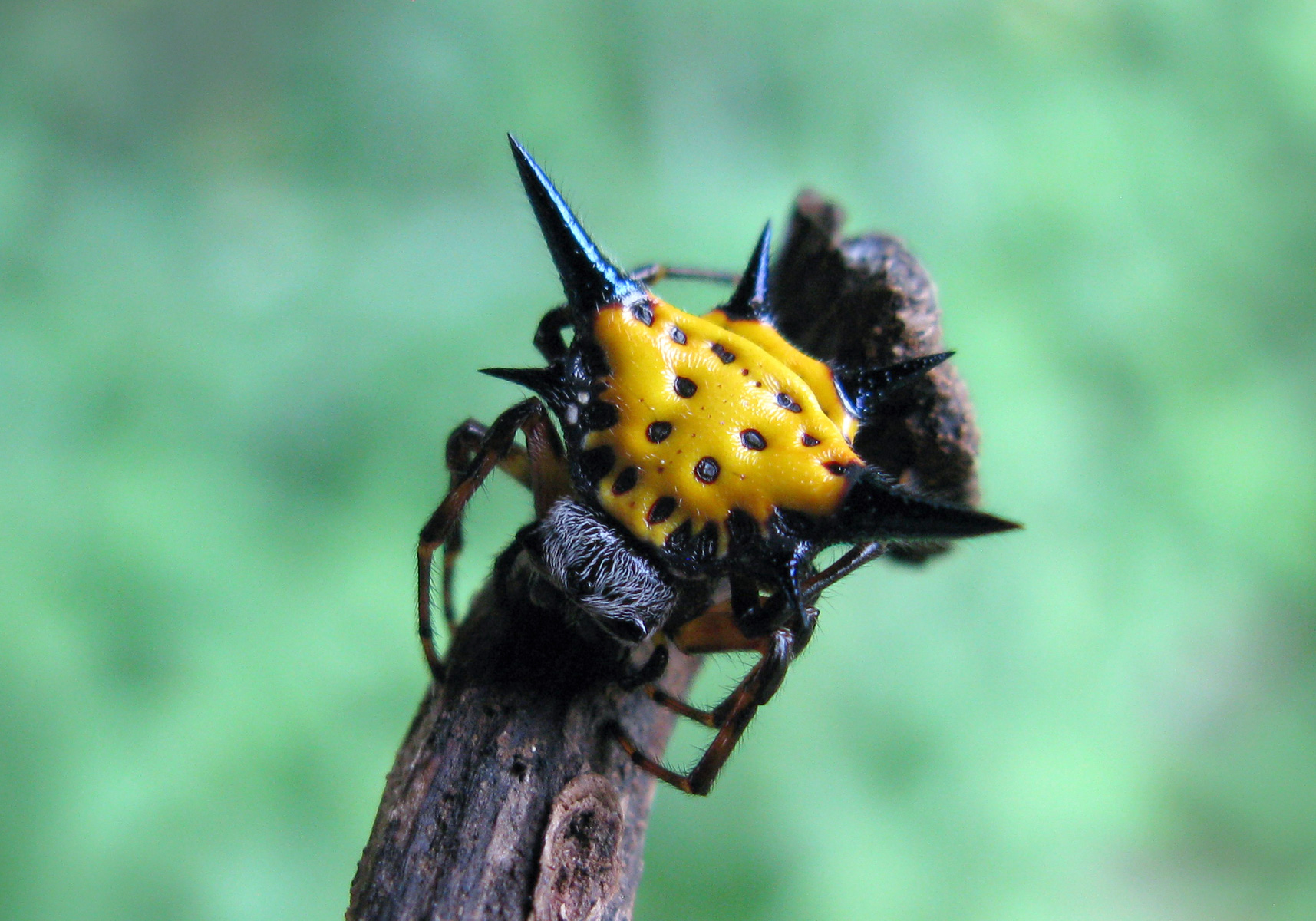
Hasselt’s Spiny Spider (Macracantha hasselti), is a distinctive orb-weaving spider in the family Araneidae, subfamily Gasteracanthinae. It is one of the most recognizable spiny orb-weavers in Southeast Asia, commonly recorded from Indonesia, Malaysia, Thailand, and surrounding regions, where it inhabits tropical forests, forest edges, plantations, and gardens.
This species is a diurnal orb-web builder, constructing a large, vertical orb web between shrubs or small trees, usually at low to mid height above the ground. The spider typically rests at the center of the web during daylight hours, making it highly visible to observers. At night, it may repair or rebuild its web.
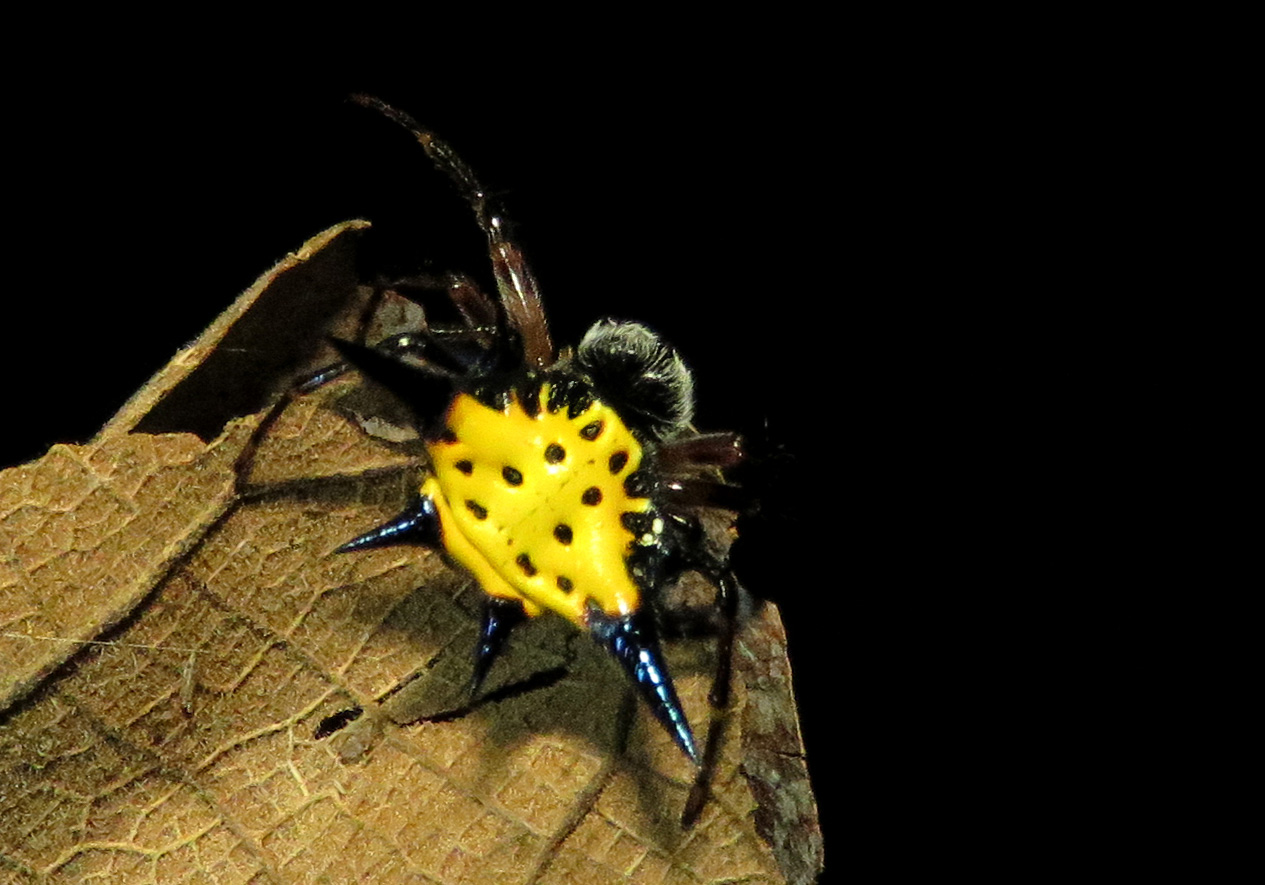
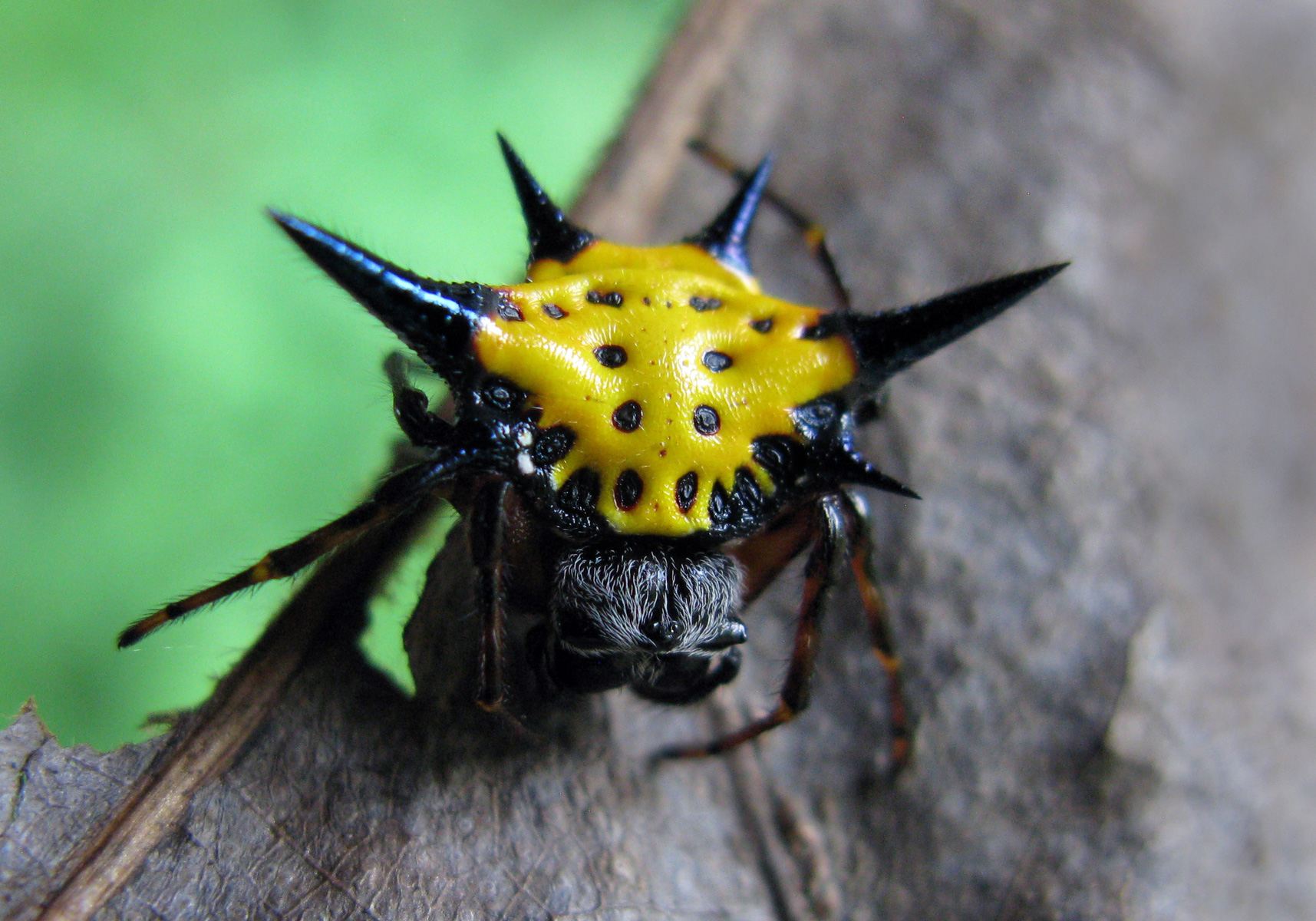
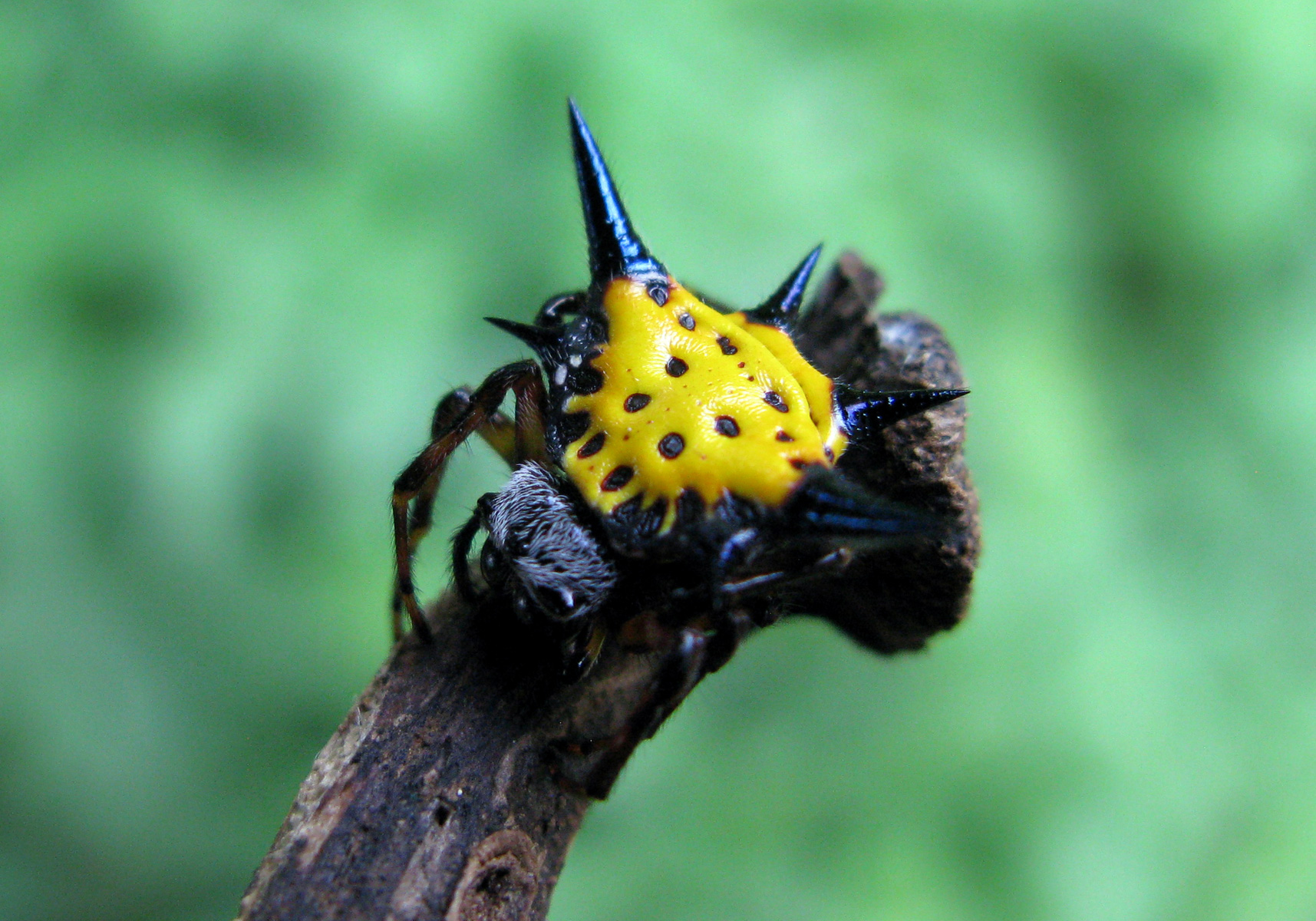
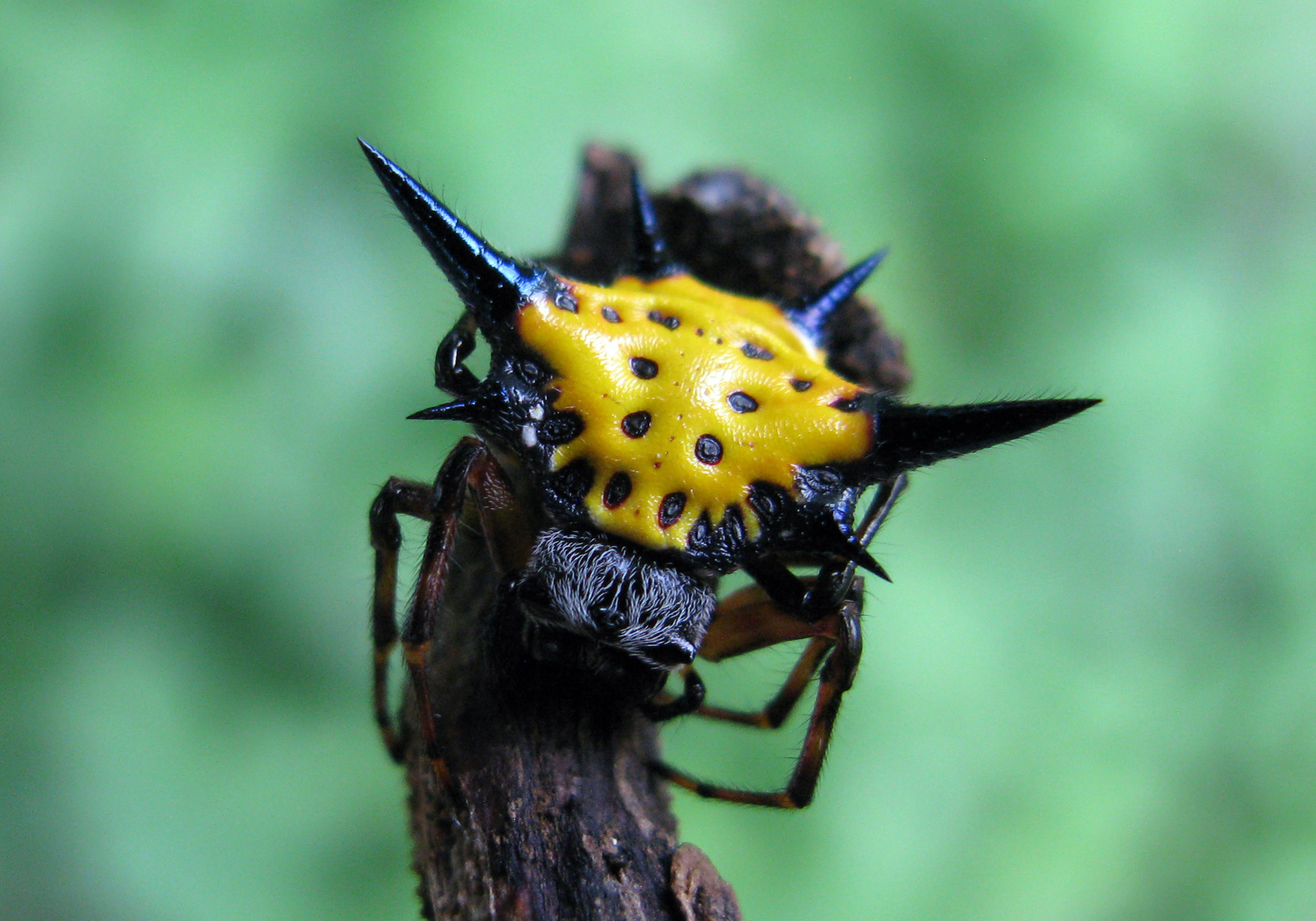
Macracantha hasselti is best known for its extraordinarily long lateral abdominal spines, which extend far beyond the body and give the spider a striking cross- or star-shaped appearance. The abdomen is broad, flattened, and heavily sclerotized. Coloration is bold and contrasting, often featuring white, yellow, orange, or cream backgrounds with black markings, enhancing its conspicuous display.
Sexual dimorphism is extreme. Females are large and highly ornamented, bearing the characteristic elongated spines, while males are much smaller, lack prominent spines, and are rarely noticed. The carapace is small relative to the abdomen, and the legs are moderately short, adapted for web maintenance rather than active pursuit of prey.
Like other araneids, the female has entelegyne genitalia with a well-developed epigyne, while males possess species-specific palpal organs. Courtship and mating typically occur on or near the female’s web.
Ecologically, M. hasselti functions as an efficient predator of flying insects, contributing to insect population control in tropical ecosystems. The exaggerated spines and vivid coloration are thought to serve as anti-predator defenses, making the spider appear larger, more difficult to swallow, and potentially unpalatable to vertebrate predators.
Hasselt’s Spiny Spider is a classic example of extreme morphological specialization among orb-weaving spiders and is widely regarded as one of the most visually dramatic spiders of Southeast Asia.