Bali Wildlife
Every Spices Matter


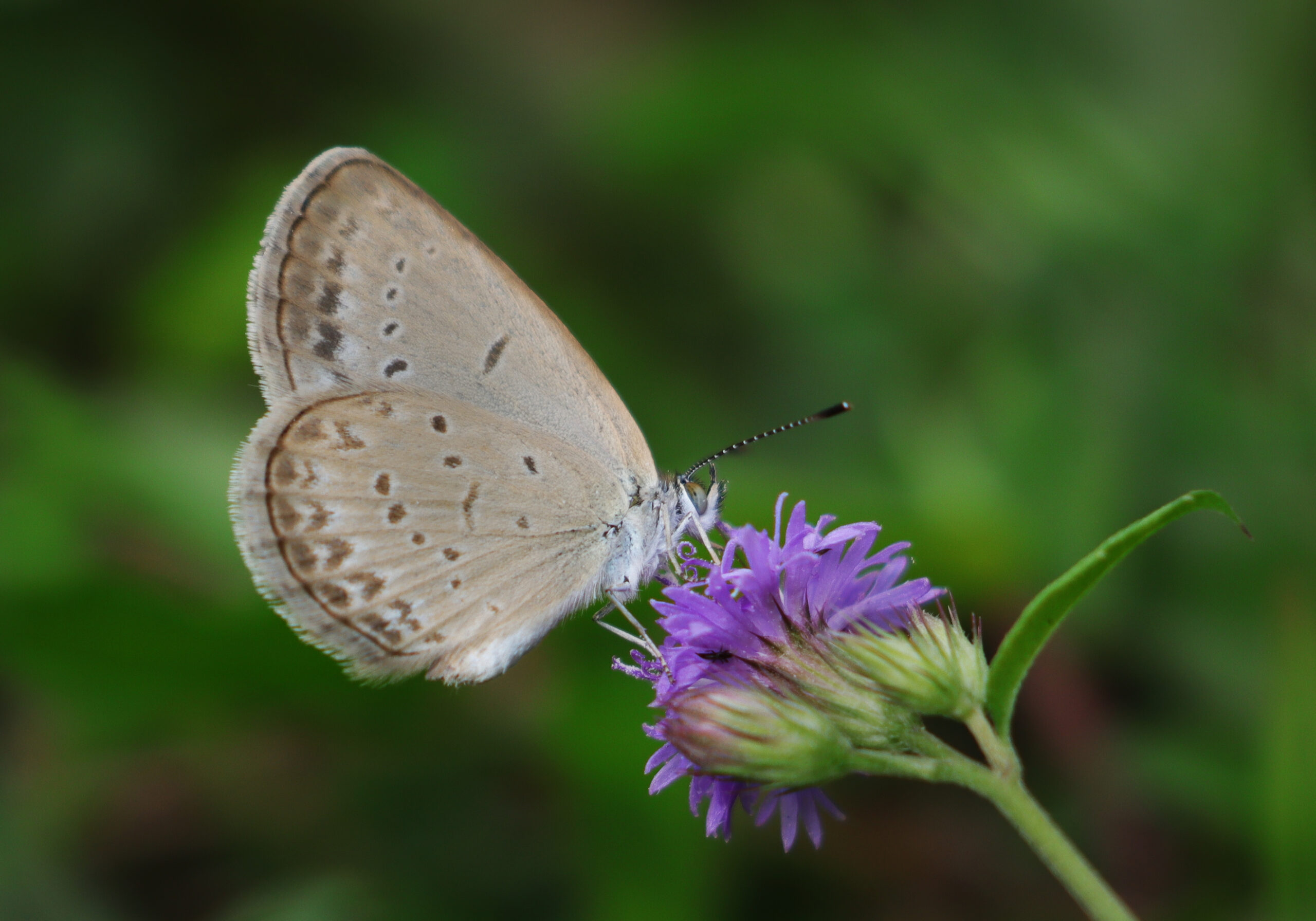
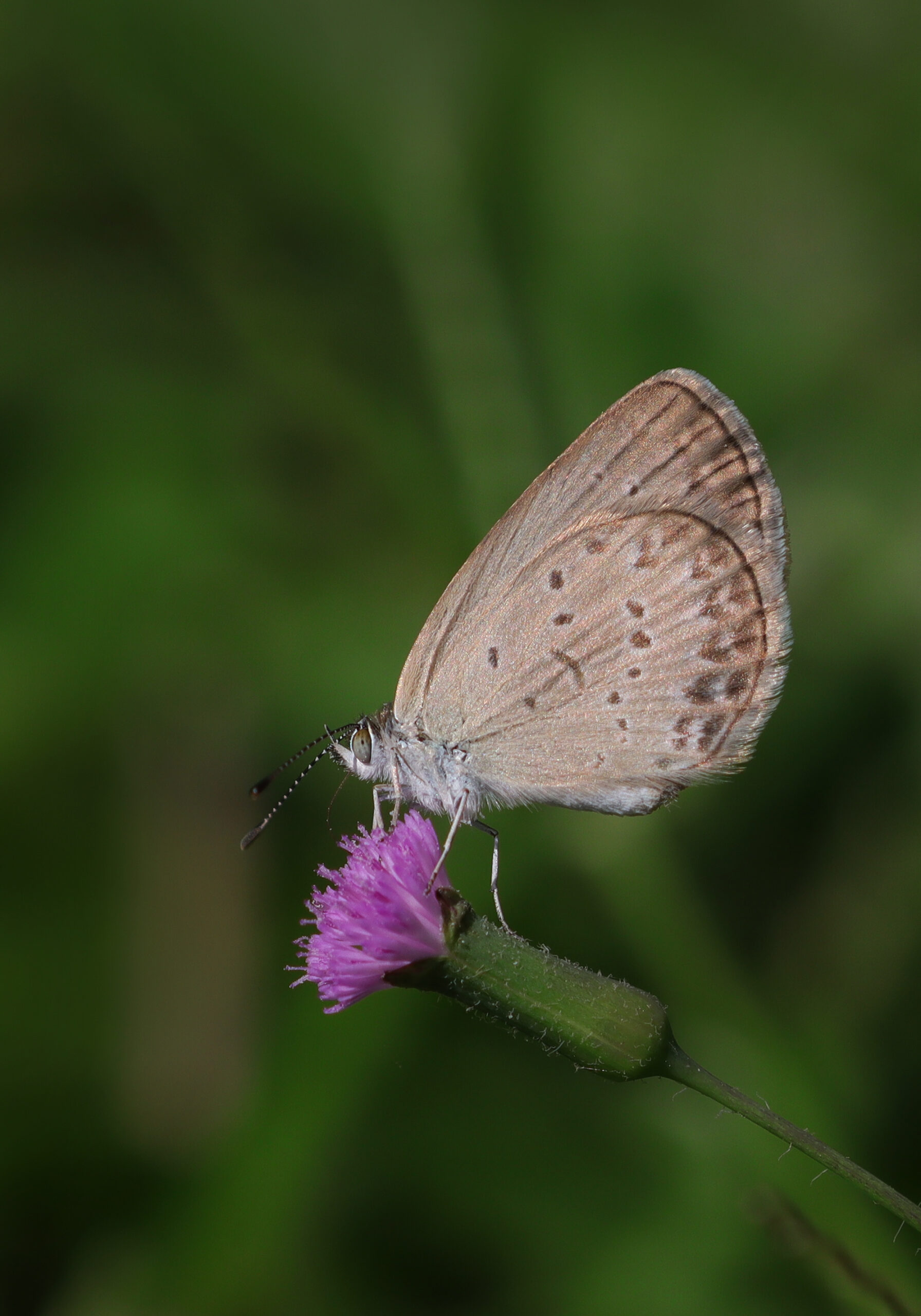
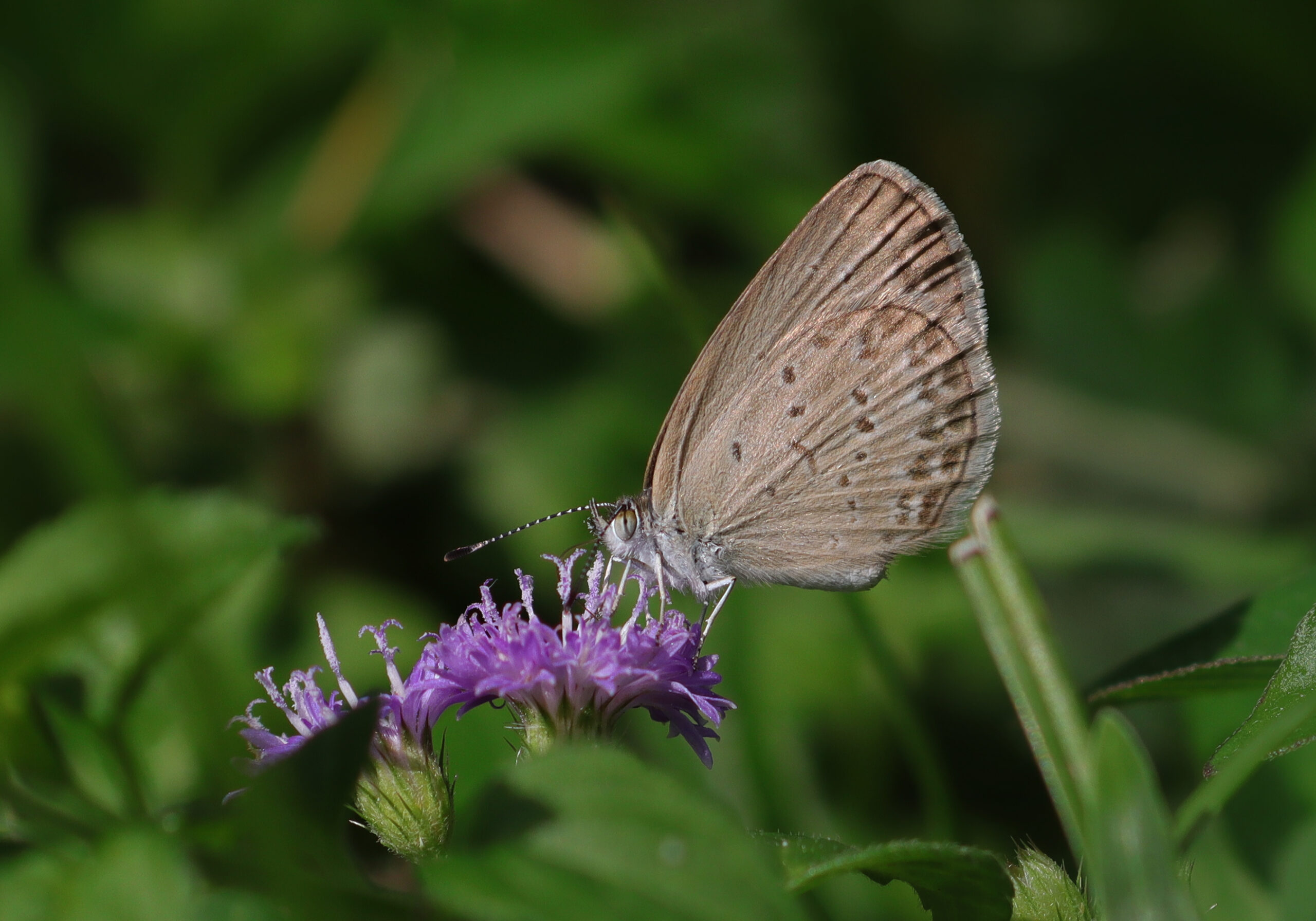
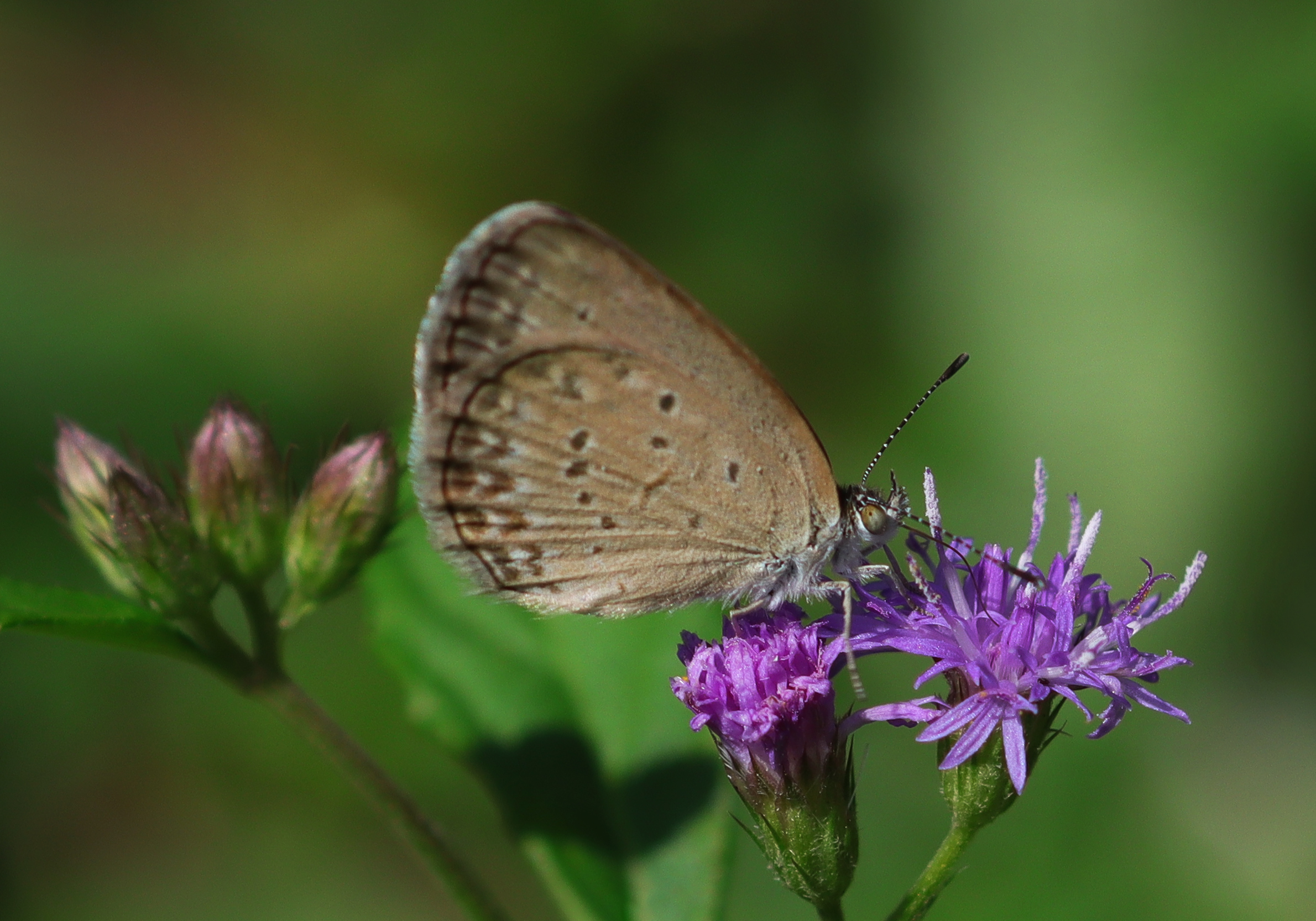
Lycaenidae is one of the largest families of butterflies within the superfamily Papilionoidea (Order Lepidoptera), commonly known as blues, coppers, hairstreaks, and harvesters. With more than 6,000 described species, it is the second-largest butterfly family and is distributed worldwide, occurring in a wide range of habitats including forests, grasslands, shrublands, wetlands, agricultural areas, and urban gardens.
Lycaenid butterflies are generally small in size and are often distinguished by their brilliant wing coloration. Many species display iridescent blue, purple, copper, or metallic hues, while others exhibit subtle brown or gray patterns. The underside of the wings is often marked with delicate spots, lines, or bands that provide camouflage when the butterfly is at rest.
A characteristic feature of many species is the presence of small tail-like extensions on the hindwings, particularly in hairstreak butterflies. These structures, together with wing patterns, may help divert predator attacks away from vital body parts.
The life cycle involves complete metamorphosis, consisting of egg, larva (caterpillar), pupa, and adult stages. Caterpillars are typically flattened and slug-like in appearance. Many species have remarkable ecological relationships with ants, a phenomenon known as myrmecophily. Caterpillars produce sugary secretions that attract ants, which in turn provide protection from predators and parasitoids.
Adults feed primarily on nectar, although some species also obtain nutrients from honeydew, tree sap, rotting fruit, or animal waste. Caterpillars usually feed on flowers, leaves, seeds, or young shoots of specific host plants.
The family includes several subfamilies and well-known groups, such as blues (Polyommatinae), hairstreaks (Theclinae), and coppers (Lycaeninae), each displaying diverse ecological adaptations.
Ecologically, Lycaenidae butterflies play important roles as pollinators and as components of food webs. Their caterpillars influence plant communities through herbivory, while their interactions with ants represent some of the most sophisticated mutualistic relationships among insects. Due to their sensitivity to habitat quality and environmental changes, many lycaenid species are valuable indicators of biodiversity and ecosystem health.