Bali Wildlife
Every Spices Matter


Lucanini is a tribe of stag beetles within the subfamily Lucaninae (Family Lucanidae, Order Coleoptera). Members of this tribe are distributed across Europe, Asia, Africa, and parts of the Americas, with the greatest diversity occurring in forested regions. They are commonly associated with woodlands, mature forests, and habitats containing abundant decaying wood, which is essential for larval development.
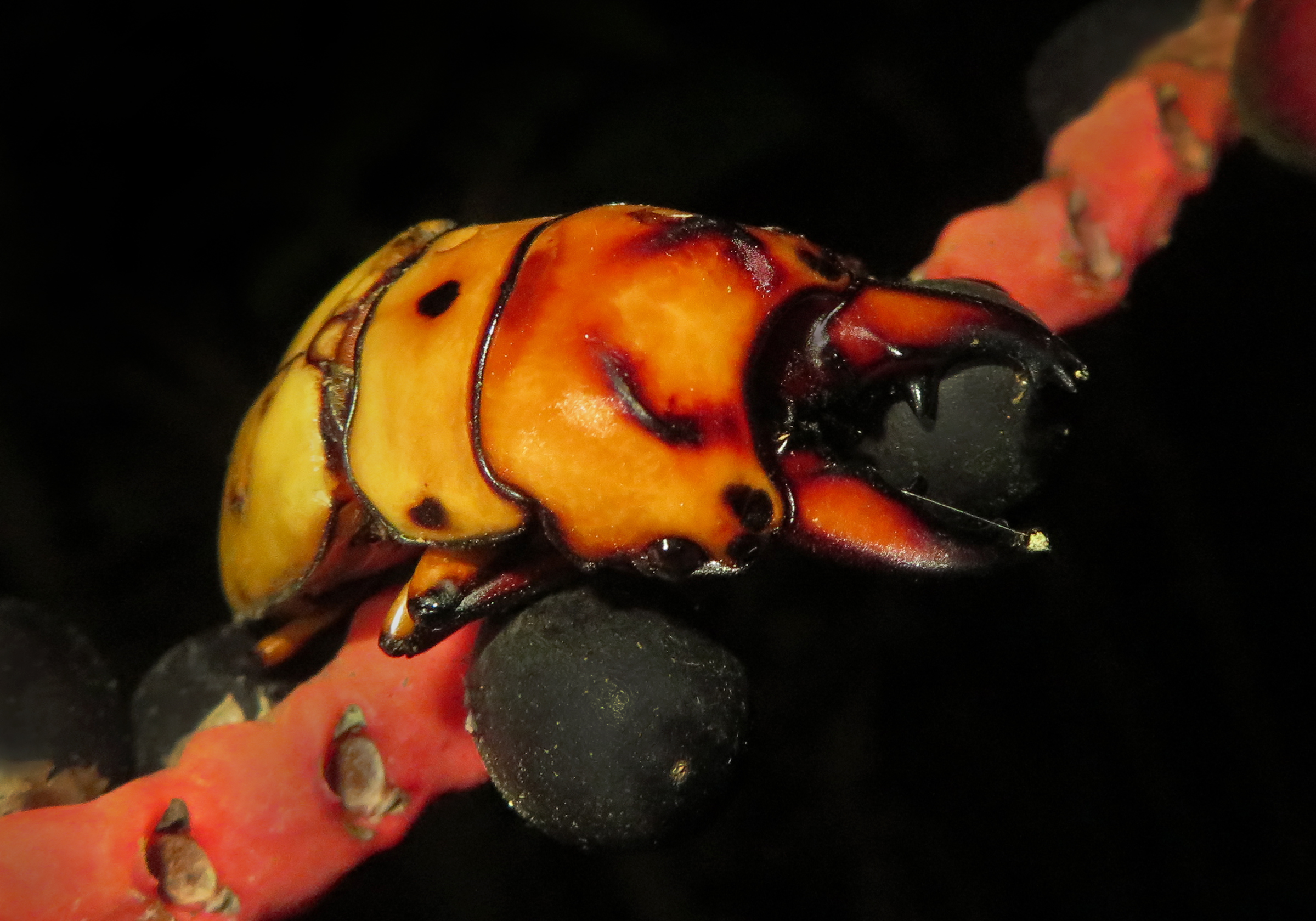
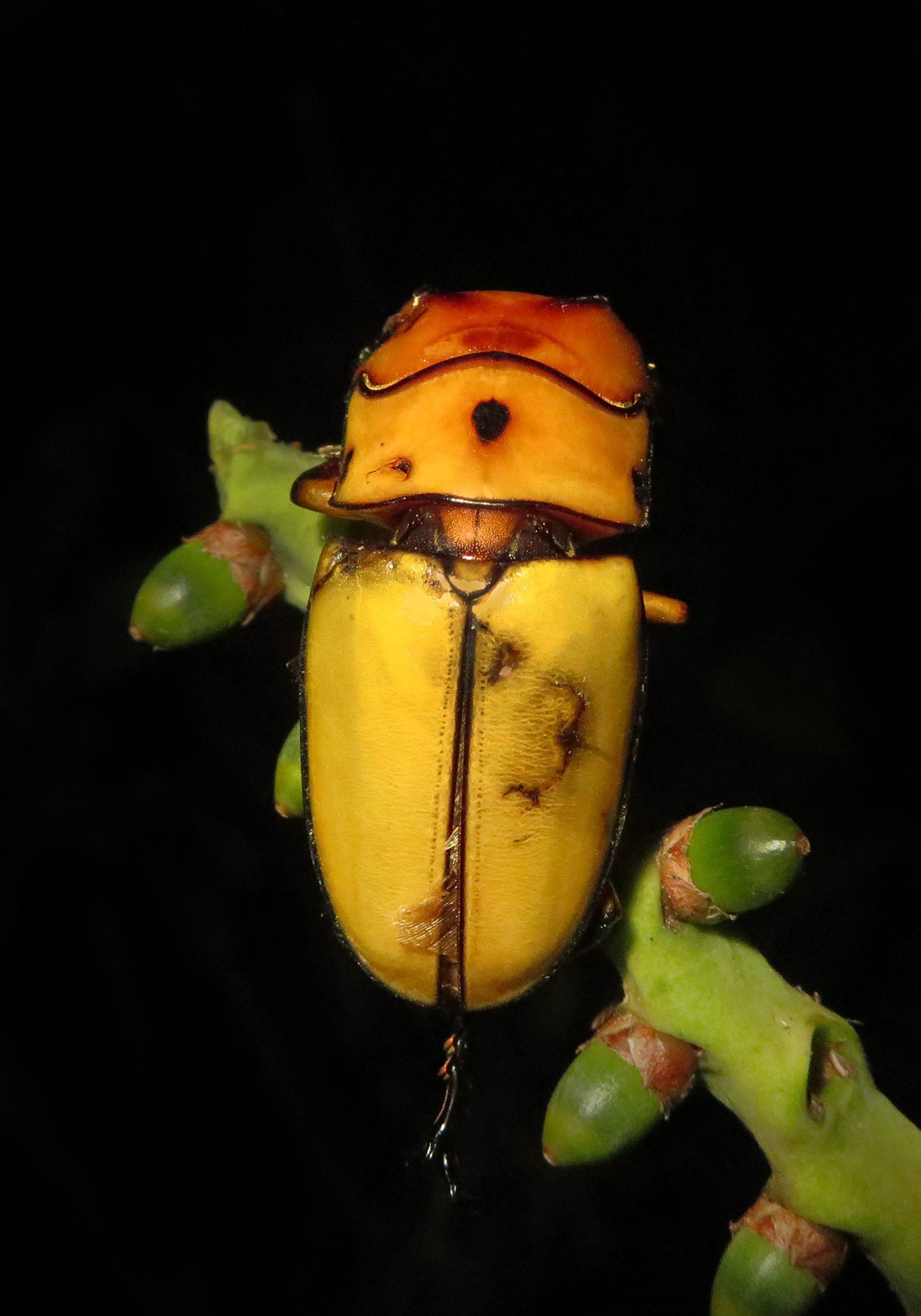
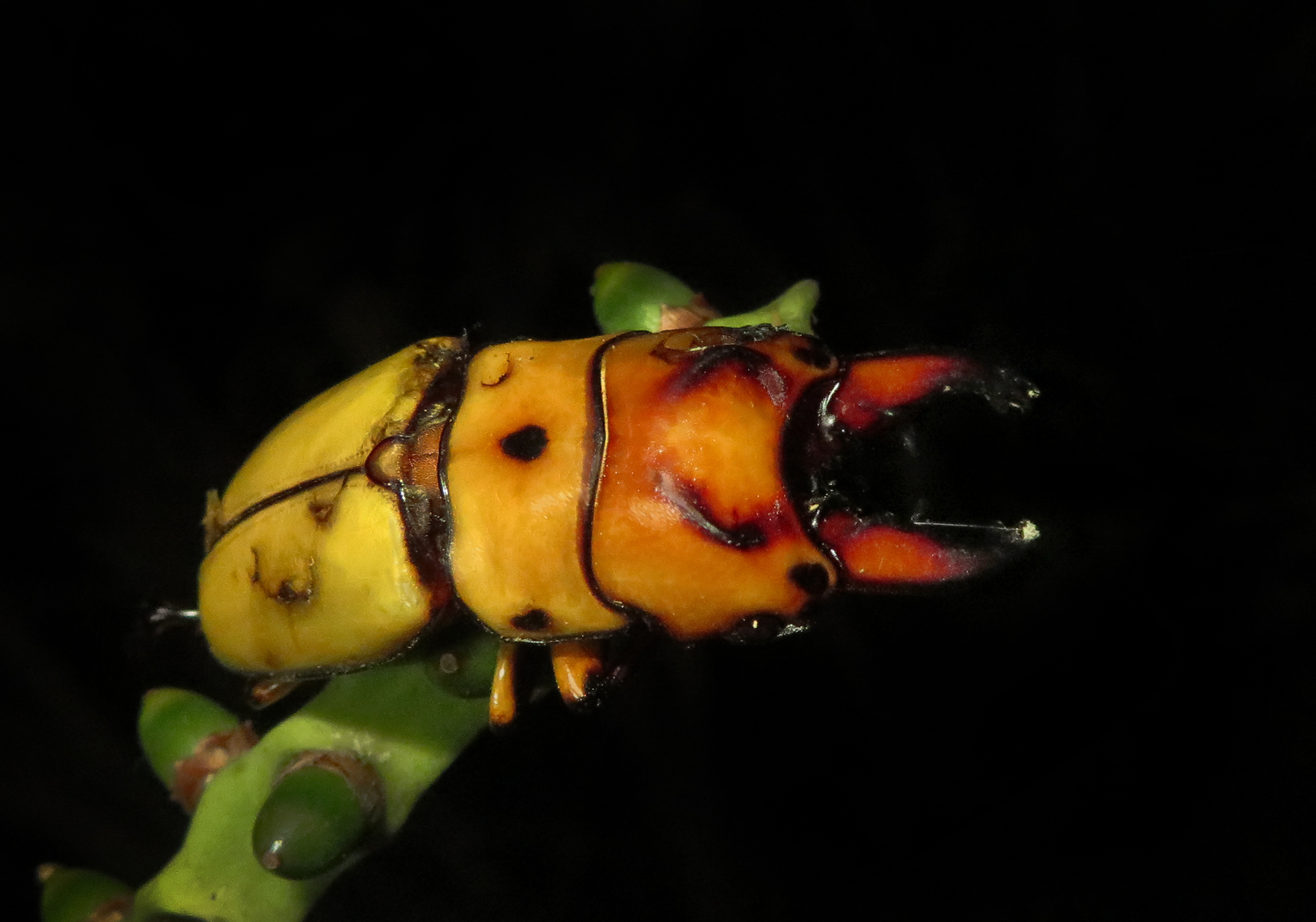
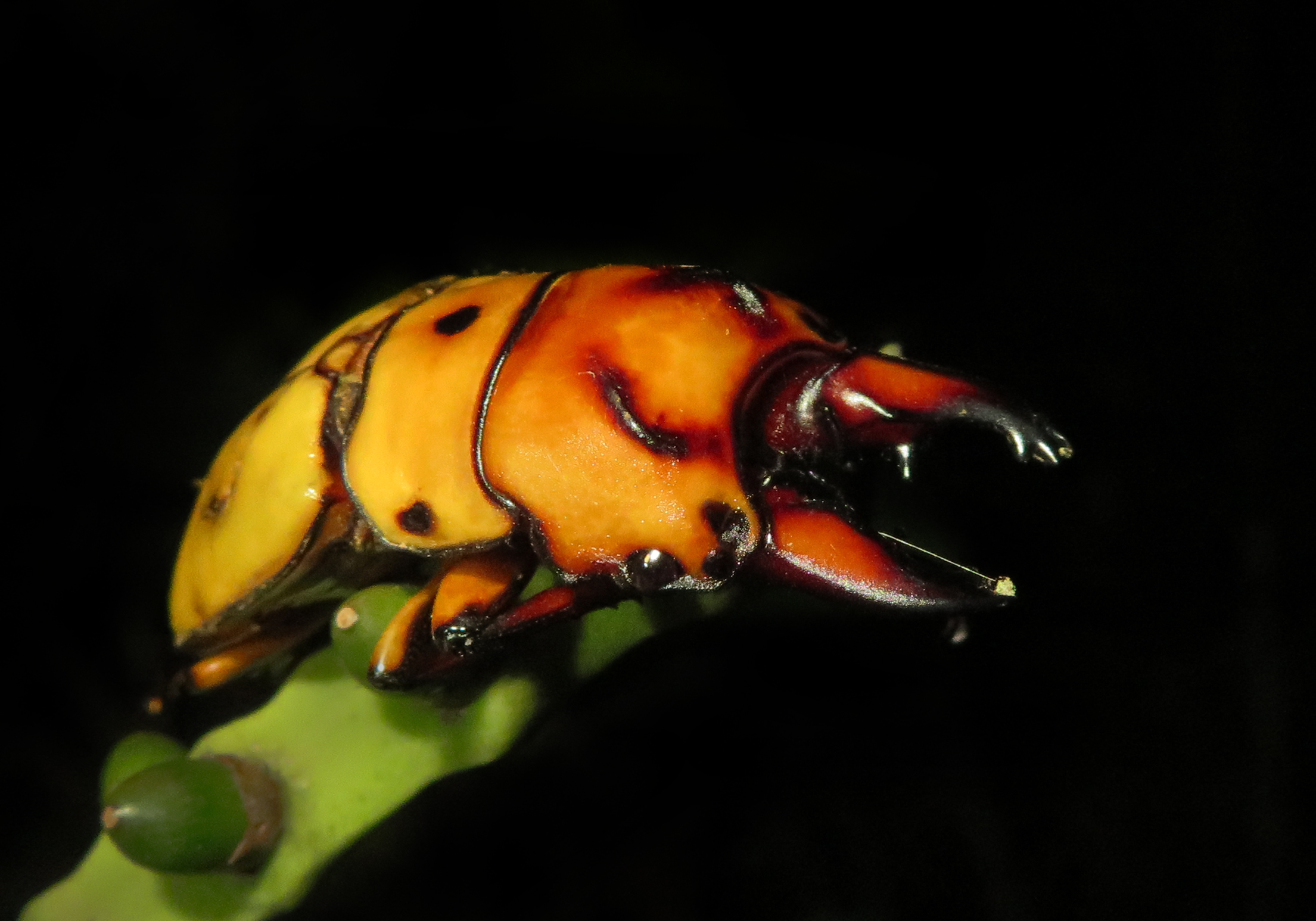
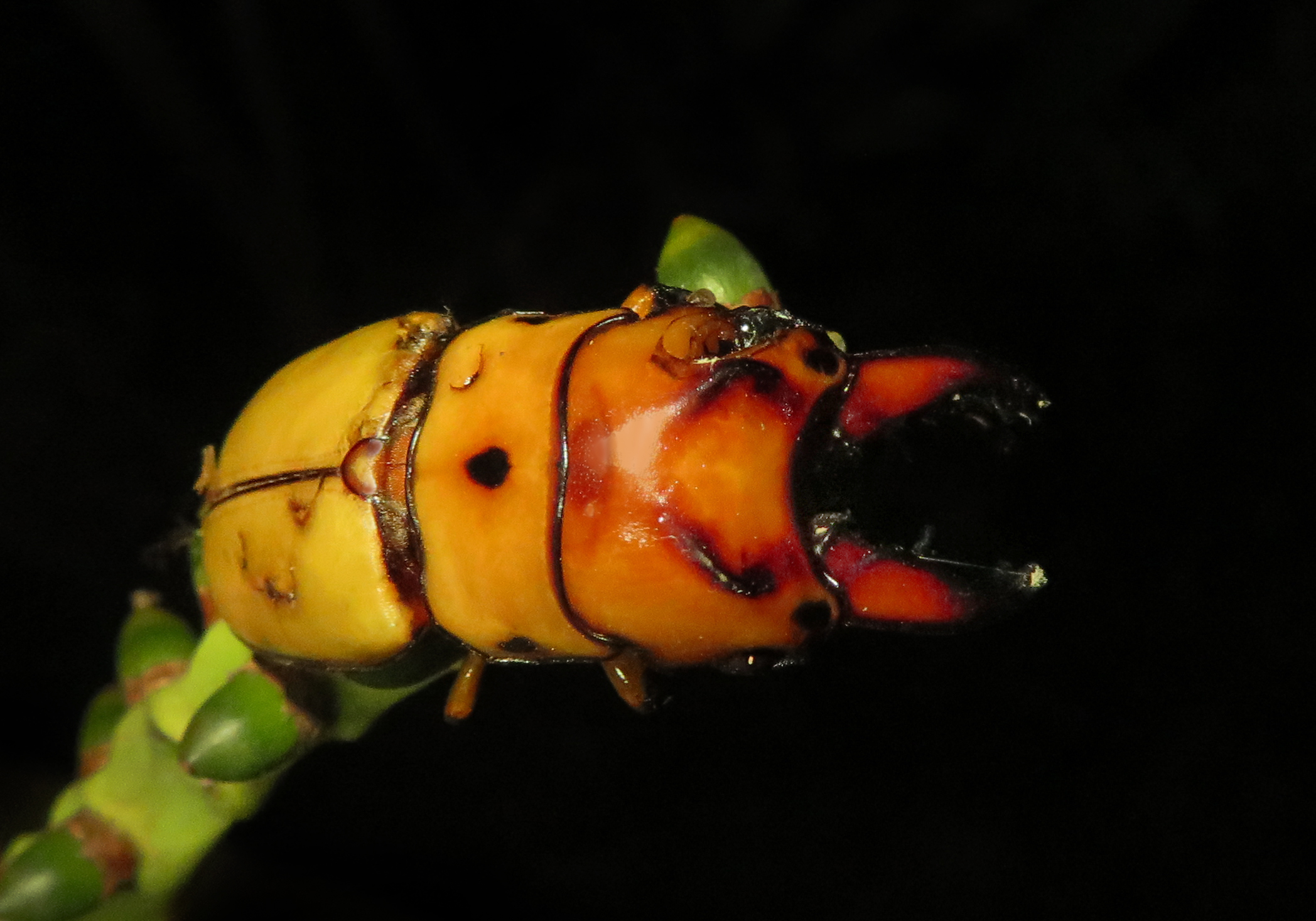
Beetles of the tribe Lucanini are generally medium to large in size and are distinguished by their robust bodies and powerful mandibles. Sexual dimorphism is often pronounced, with males possessing greatly enlarged mandibles that resemble the antlers of a stag, giving rise to the common name “stag beetles.” These mandibles are used primarily in combat with rival males during competition for mates and territories.
The body is typically dark brown, reddish-brown, or black, although coloration varies among species. The exoskeleton is strong and heavily sclerotized, providing protection and support during physical interactions. Antennae are elbowed and terminate in a distinctive comb-like club characteristic of stag beetles.
The life cycle involves complete metamorphosis, consisting of egg, larva, pupa, and adult stages. Larvae are large, creamy-white grubs that develop within decaying wood, rotting roots, or decomposing logs. Depending on the species and environmental conditions, larval development may require several years before pupation occurs.
Adults are generally active during warm seasons. Many species feed on tree sap, fermented fruit, or other sugary substances, while some may feed little or not at all during their relatively short adult lifespan.
The tribe includes well-known genera such as Lucanus, Neolucanus, Hexarthrius, and related forms, many of which are highly valued by collectors and entomologists because of their impressive size and morphology.
Ecologically, Lucanini beetles play an important role in forest ecosystems. Their larvae contribute to the decomposition of dead wood and nutrient recycling, while adults serve as prey for birds, mammals, reptiles, and other predators. Through their involvement in decomposition processes and forest food webs, they help maintain ecosystem health and biodiversity.