Bali Wildlife
Every Spices Matter


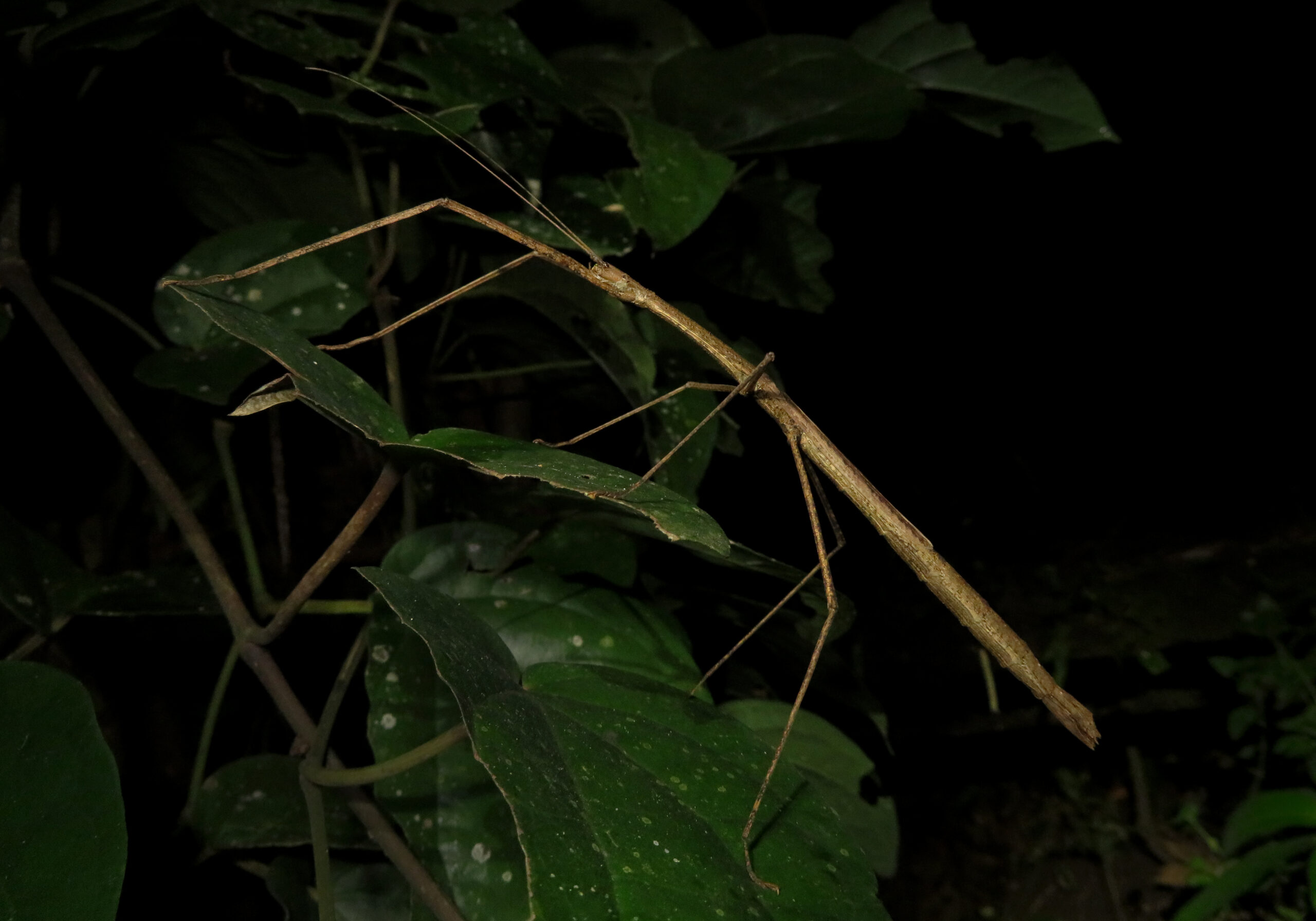
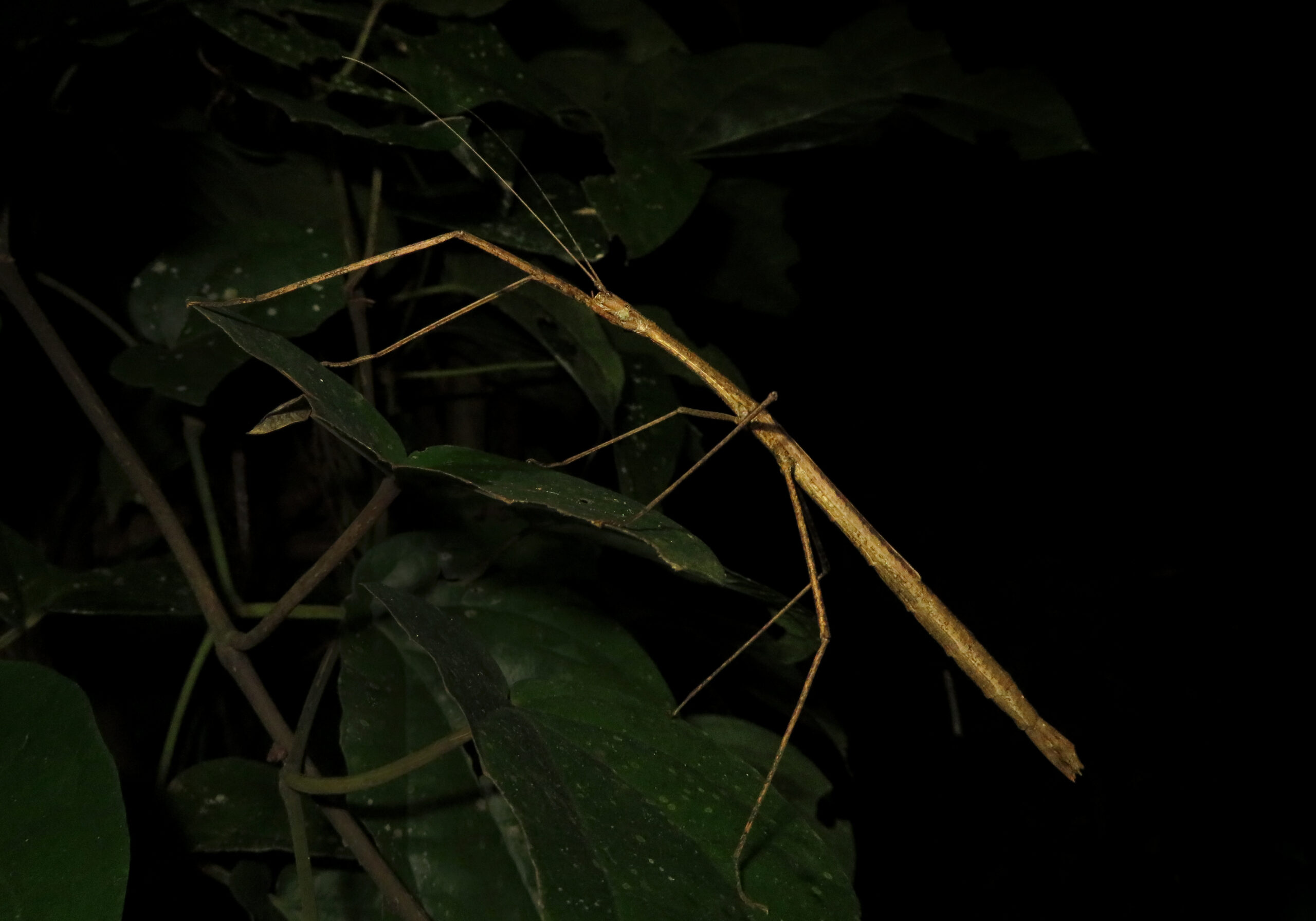
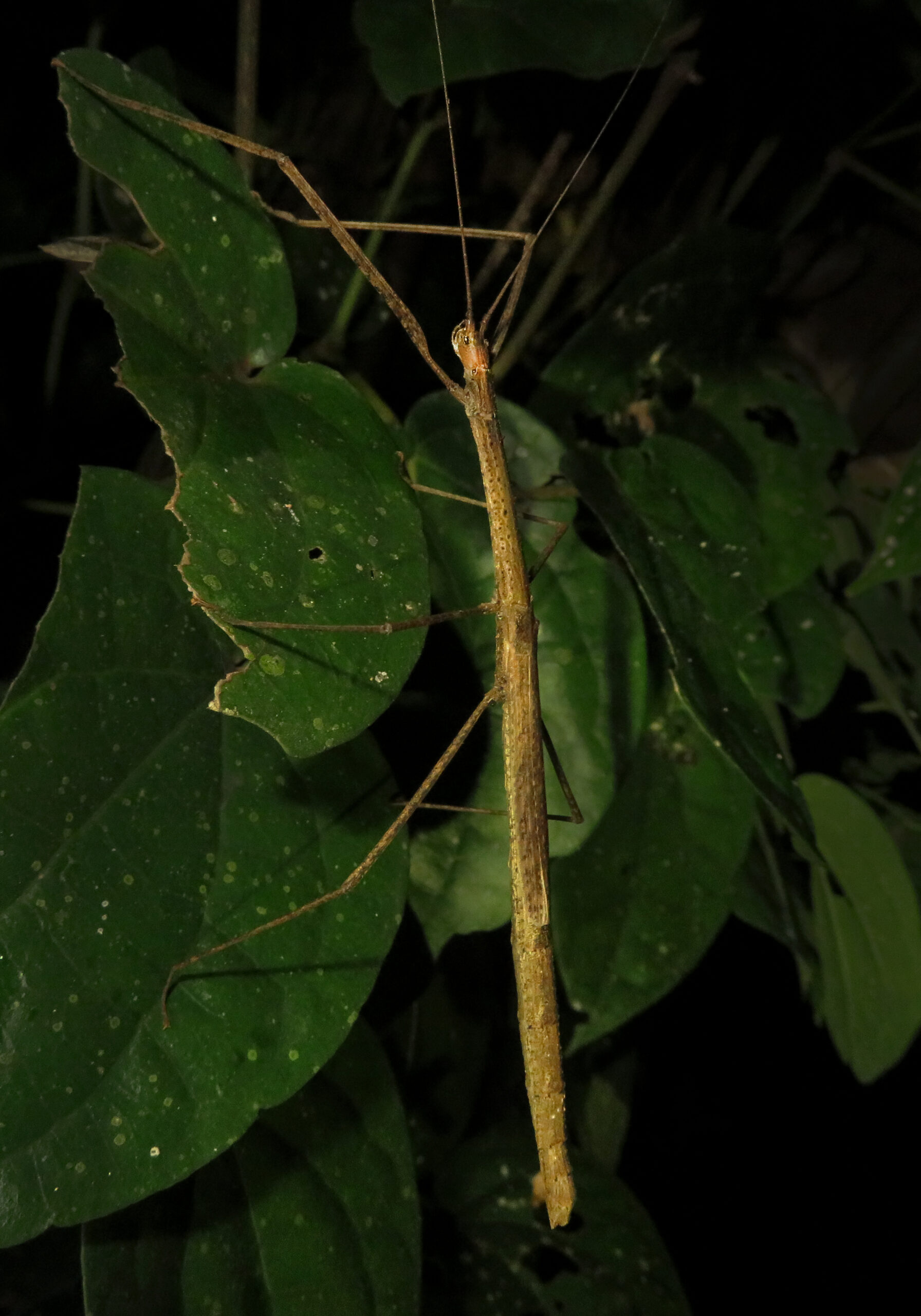
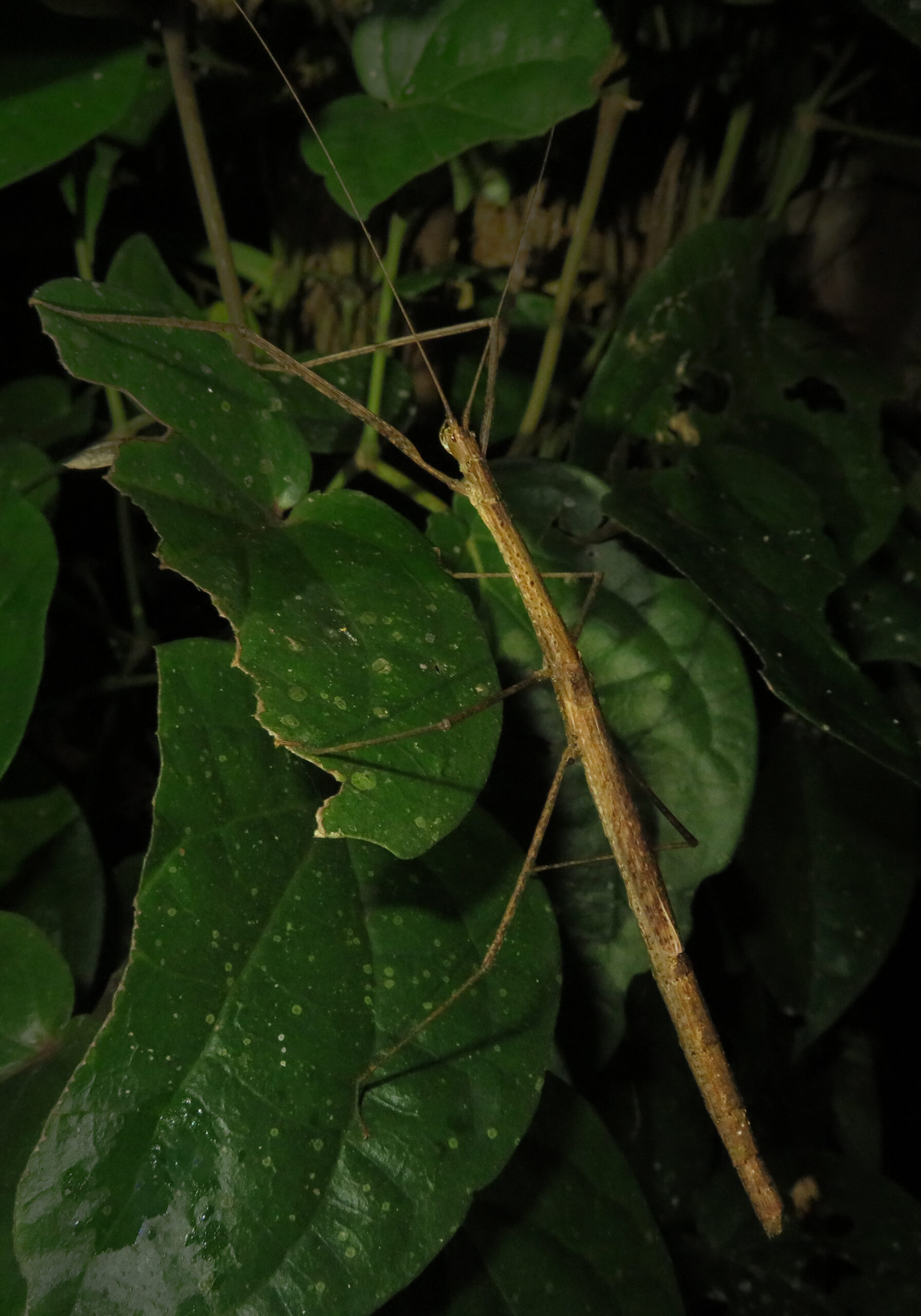
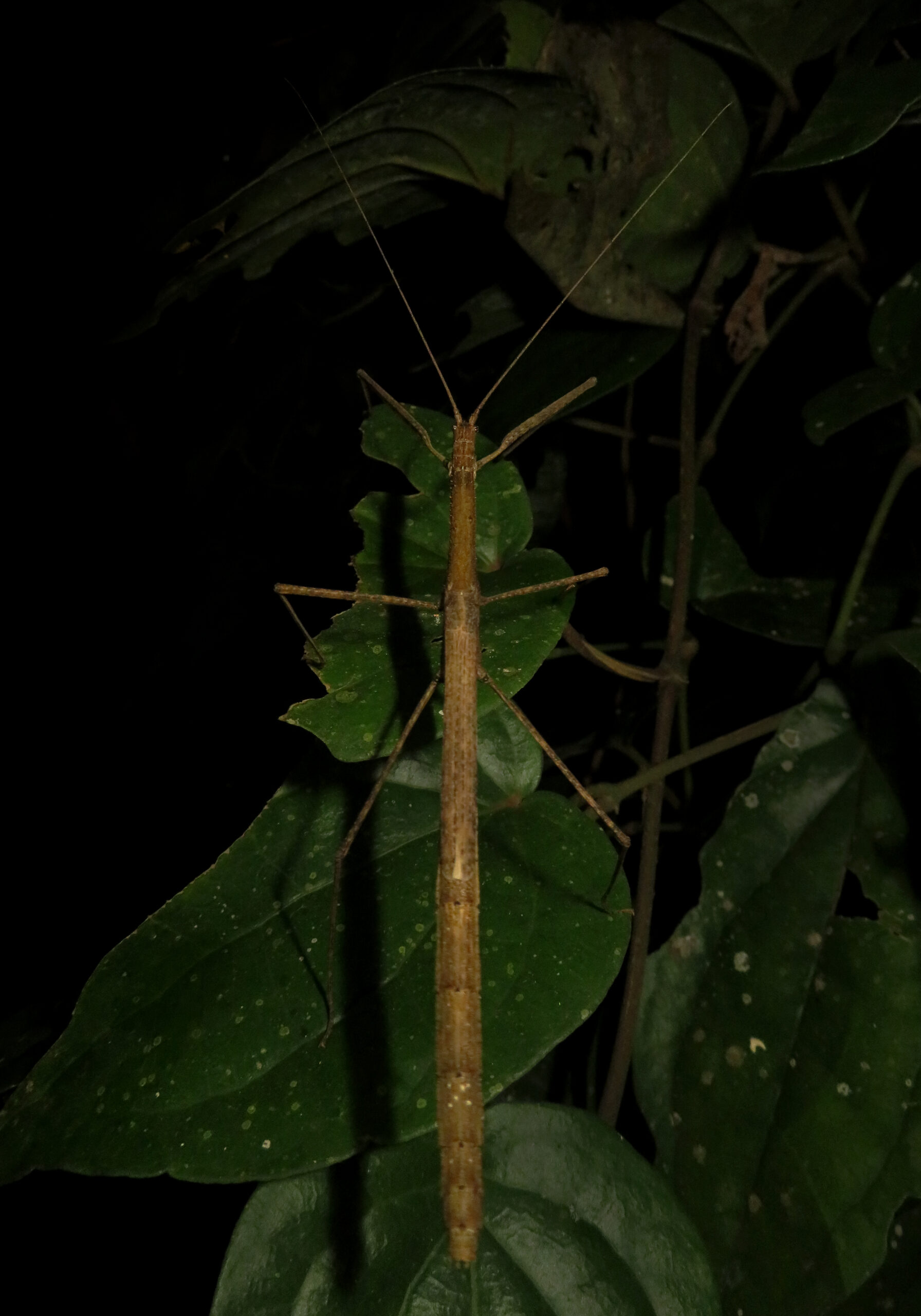
Lonchodidae is a family of stick insects within the order Phasmatodea, comprising a diverse group of slender, cryptic insects commonly found in tropical and subtropical regions of Asia, Australia, and nearby islands. Members of this family inhabit forests, shrublands, secondary vegetation, plantations, and gardens, where they live among branches and foliage that provide effective concealment.
Stick insects of the family Lonchodidae are generally medium to large in size and are characterized by their elongated, cylindrical bodies that closely resemble twigs or stems. Their legs are long and slender, further enhancing their camouflage. Coloration is usually shades of green, brown, gray, or yellowish, allowing individuals to blend seamlessly with surrounding vegetation. Some species may exhibit subtle color variation depending on age, habitat, or environmental conditions.
Most lonchodids are nocturnal and remain motionless during the day, relying on their remarkable camouflage to avoid detection by predators. When disturbed, they may sway gently to imitate the movement of twigs in the wind or remain rigid in a stick-like posture. Some species may also drop from vegetation or release defensive chemicals to deter predators.
Members of the family are exclusively herbivorous. Both nymphs and adults feed on the leaves of a wide variety of trees, shrubs, and climbing plants. Their chewing mouthparts are well adapted for consuming foliage, and most species are host generalists, although some show preferences for particular plant groups.
The life cycle involves incomplete metamorphosis, consisting of egg, nymph, and adult stages. Females typically deposit eggs individually on the ground or among leaf litter, although egg-laying behavior varies among species. Nymphs resemble miniature adults and undergo a series of molts before reaching maturity. Reproduction may occur sexually, and in some species parthenogenesis (development from unfertilized eggs) has also been recorded.
The family includes numerous genera, such as Lonchodes, Carausius, Medaura, and related taxa, many of which are well known for their remarkable twig mimicry and diversity of body forms.
Ecologically, Lonchodidae species play an important role as herbivores in forest ecosystems, contributing to plant–insect interactions and nutrient cycling. They also serve as prey for birds, reptiles, amphibians, spiders, and predatory insects. Their extraordinary camouflage and specialized adaptations make them among the most effective examples of protective mimicry in the insect world.