Bali Wildlife
Every Spices Matter


Limenitidinae is a diverse subfamily of brush-footed butterflies within the family Nymphalidae (Superfamily Papilionoidea, Order Lepidoptera). It comprises more than 1,000 described species distributed throughout tropical, subtropical, and temperate regions of the world, with the greatest diversity occurring in Asia and the Americas. Members inhabit tropical rainforests, temperate woodlands, secondary forests, riverbanks, forest edges, grasslands, plantations, parks, and gardens.
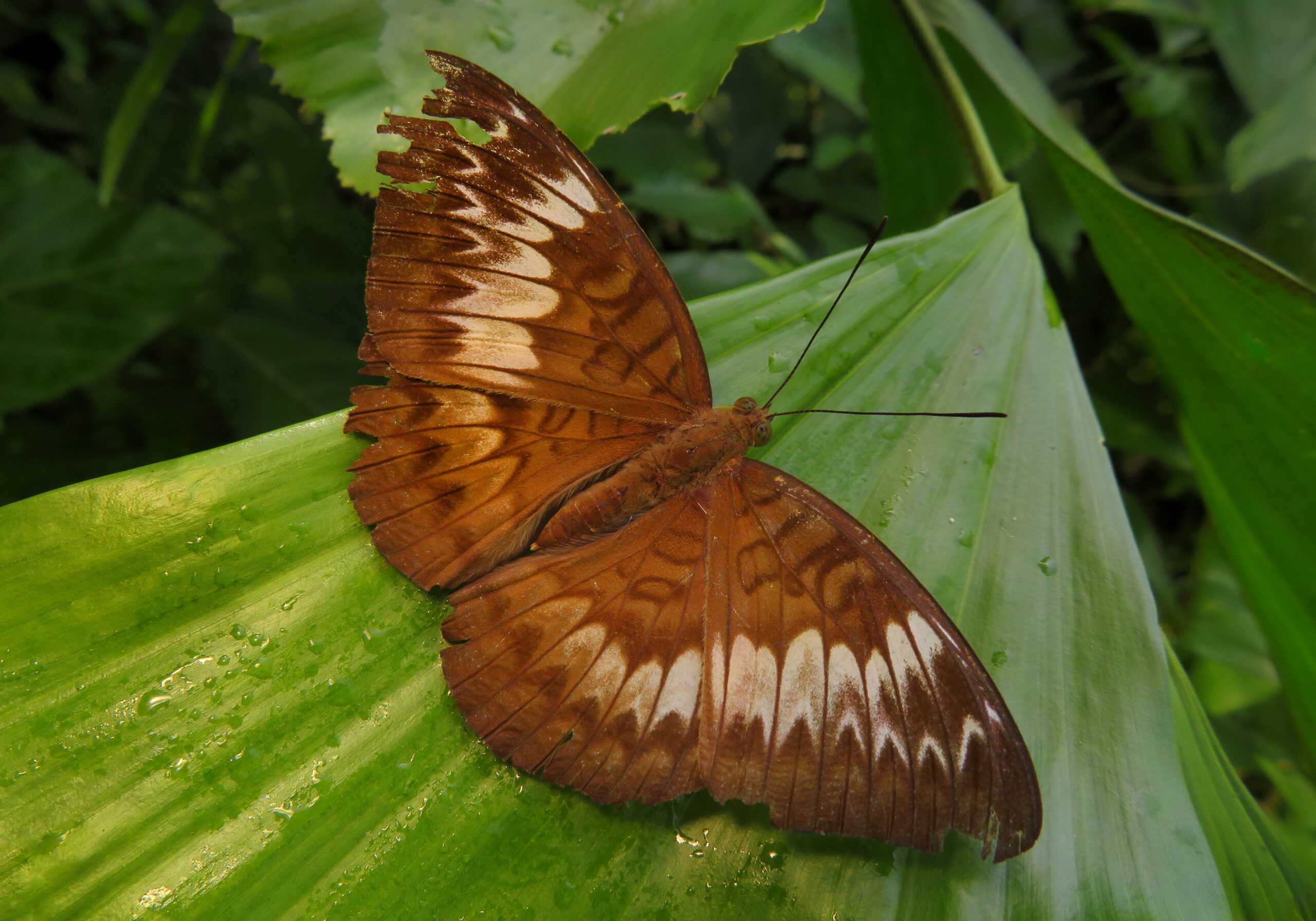
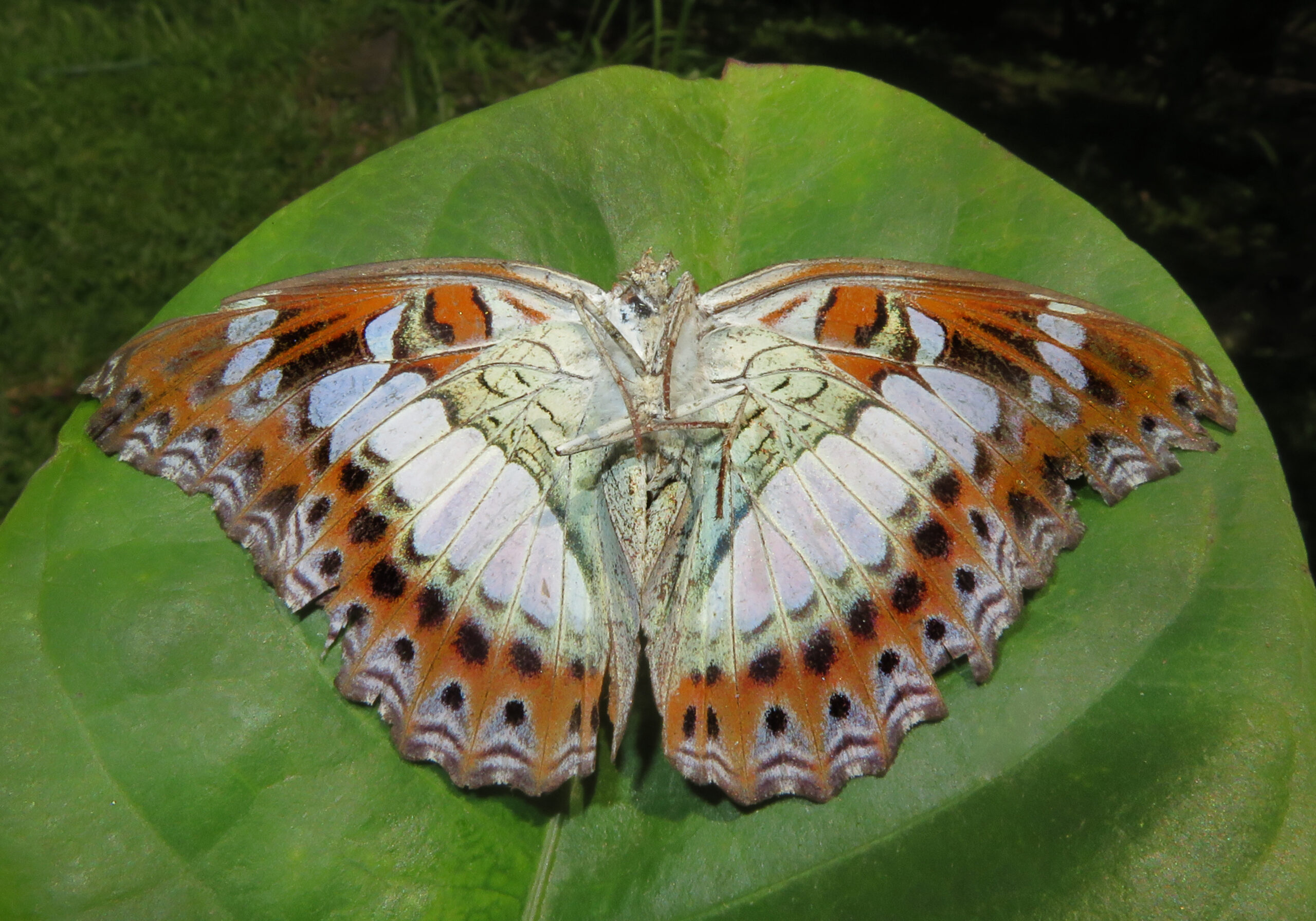
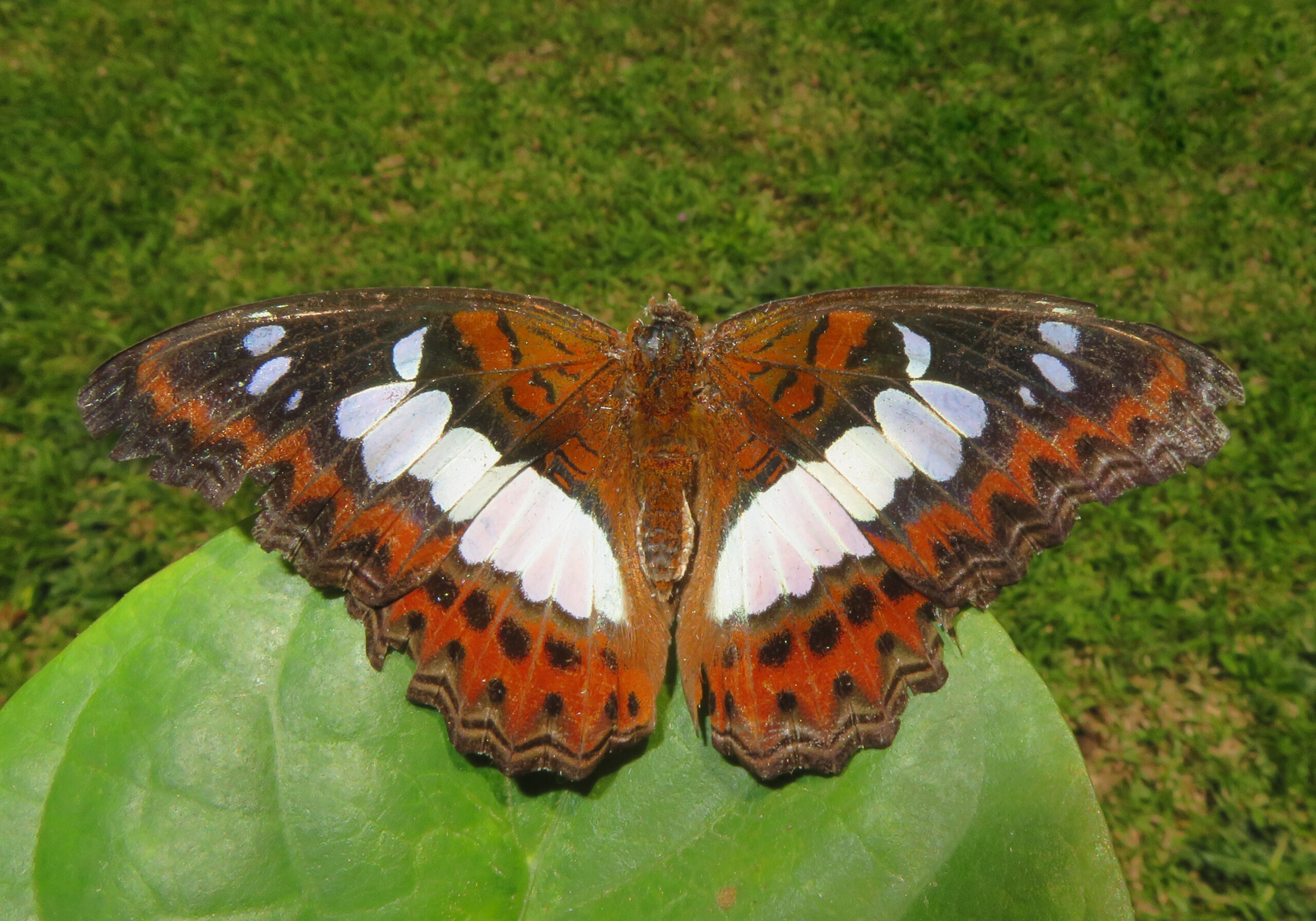
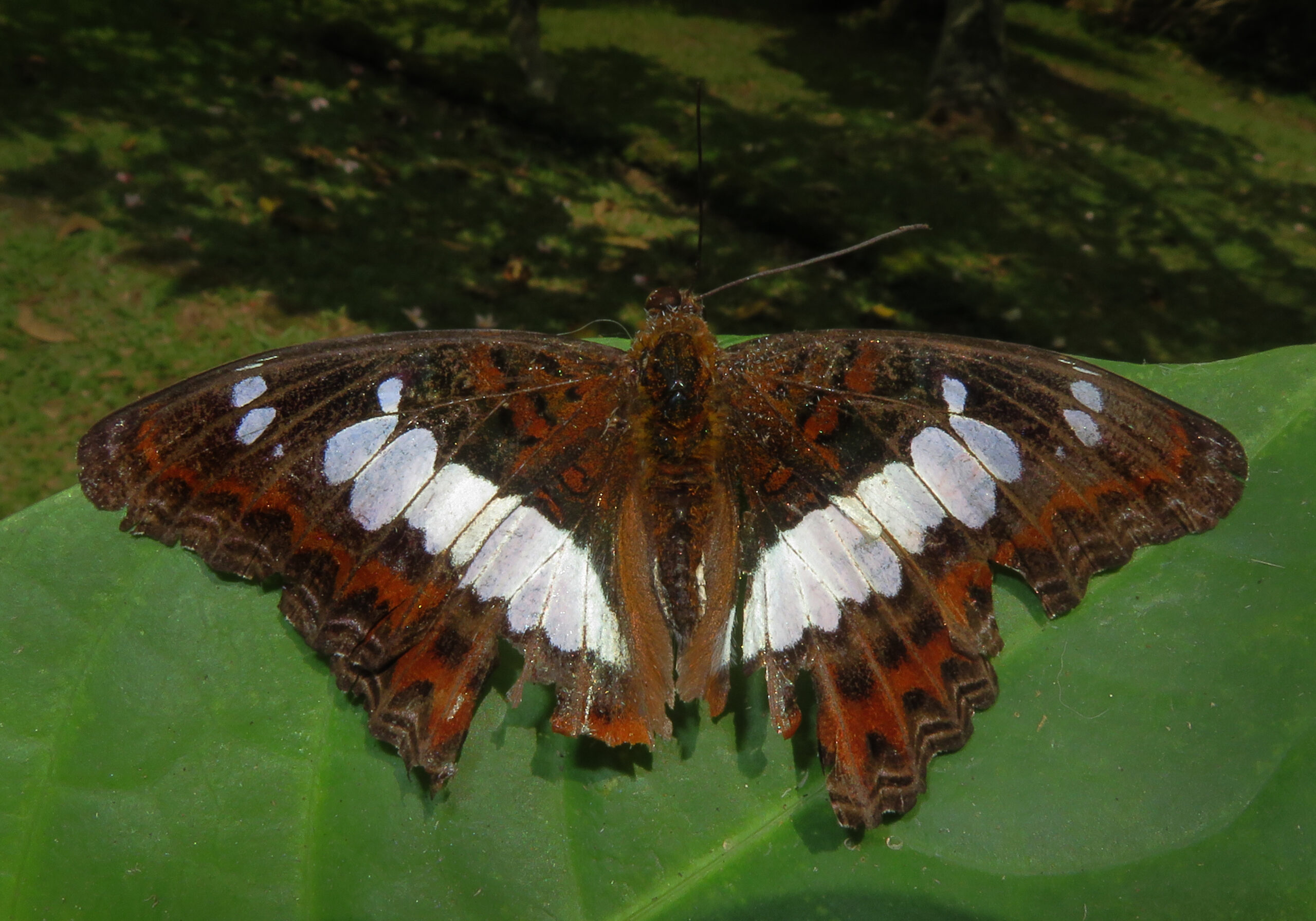
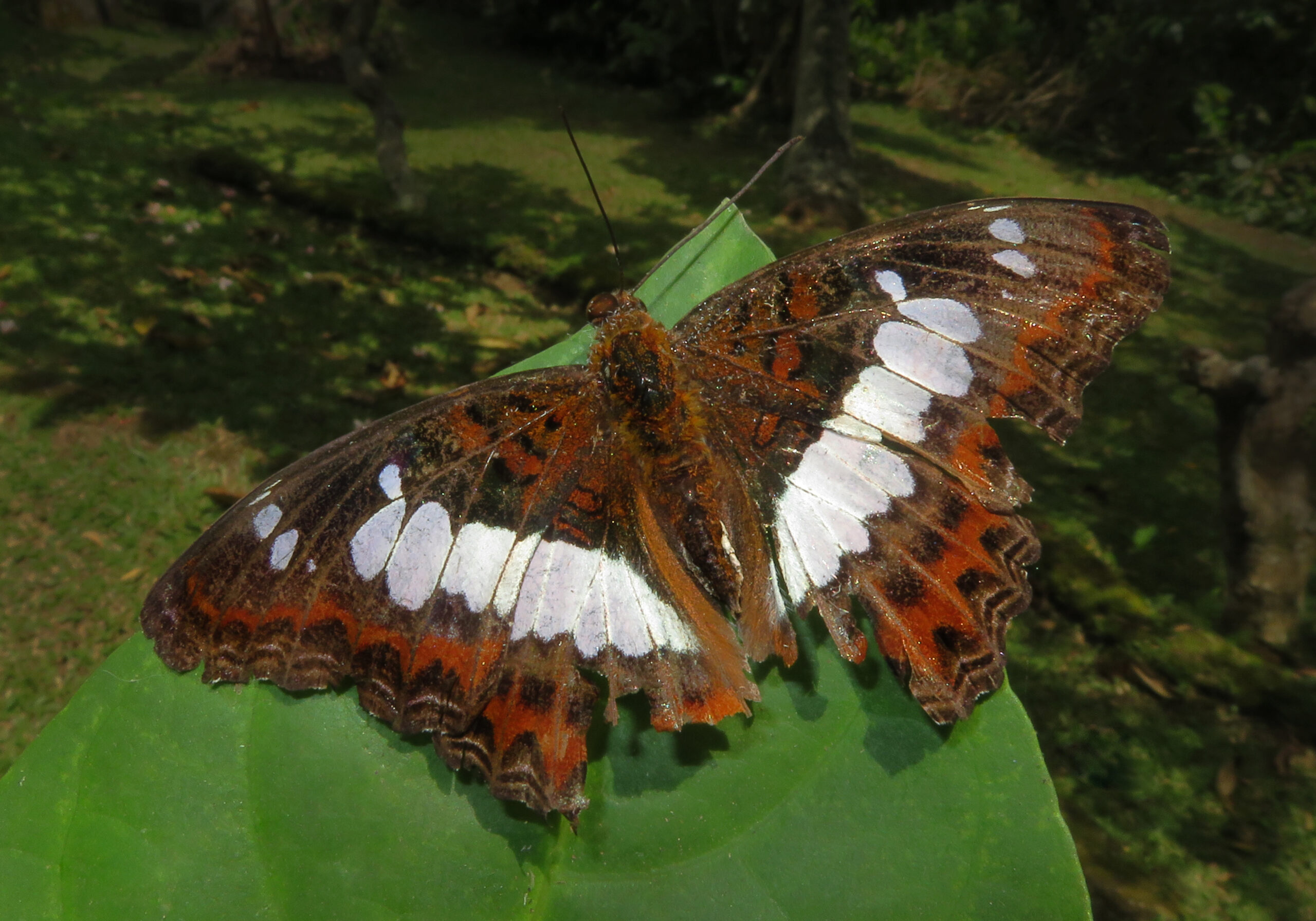
Butterflies of the subfamily Limenitidinae are generally medium-sized and are characterized by broad wings, a slender body, and strong, graceful flight. Wing coloration is highly variable among genera and species, ranging from cryptic shades of brown and gray to striking combinations of black, white, orange, blue, green, and red. Many species exhibit bold transverse bands, eye spots, or contrasting patches that function in camouflage, warning coloration, or mimicry. Several members participate in Müllerian or Batesian mimicry complexes, closely resembling distasteful butterflies from other families.
Like all brush-footed butterflies, members of Limenitidinae possess reduced forelegs covered with sensory hairs, giving the appearance of walking on only four functional legs. Adults are active during the day and feed using a long, coiled proboscis. While many species visit flowers for nectar, others feed on tree sap, fermenting fruits, animal dung, or mineral-rich moisture from damp soil. Males commonly engage in mud-puddling to obtain sodium and other minerals important for reproduction.
The life cycle involves complete metamorphosis, consisting of egg, larva (caterpillar), pupa (chrysalis), and adult stages. Caterpillars are often green or brown with spines, horns, or branched projections that provide camouflage or defense. Many species construct silken resting platforms on leaves and feed on a wide variety of host plants belonging to families such as Urticaceae, Salicaceae, Fabaceae, Rubiaceae, and Acanthaceae, depending on the genus. The chrysalis is usually suspended head downward from a silken pad and often resembles a dried leaf or twig.
The subfamily includes numerous well-known genera, including Limenitis, Neptis, Athyma, Parthenos, Moduza, Adelpha, and Tacola. Many species are admired for their elegant wing patterns and agile flight, while several are common inhabitants of forested landscapes.
Ecologically, Limenitidinae butterflies are important pollinators and contribute to plant reproduction through nectar feeding. Their caterpillars play significant roles as herbivores, while both larvae and adults provide food for birds, reptiles, spiders, predatory insects, and parasitoids. Their dependence on healthy vegetation and diverse host plants makes them valuable indicators of forest ecosystem health and biodiversity.