Bali Wildlife
Every Spices Matter


Ligyra is a genus of bee flies within the tribe Exoprosopini (Subfamily Anthracinae, Family Bombyliidae, Order Diptera). The genus is widely distributed in tropical and subtropical regions, particularly in Africa, Asia, and Australia, and is commonly found in open habitats such as grasslands, forest edges, coastal areas, and sandy environments.
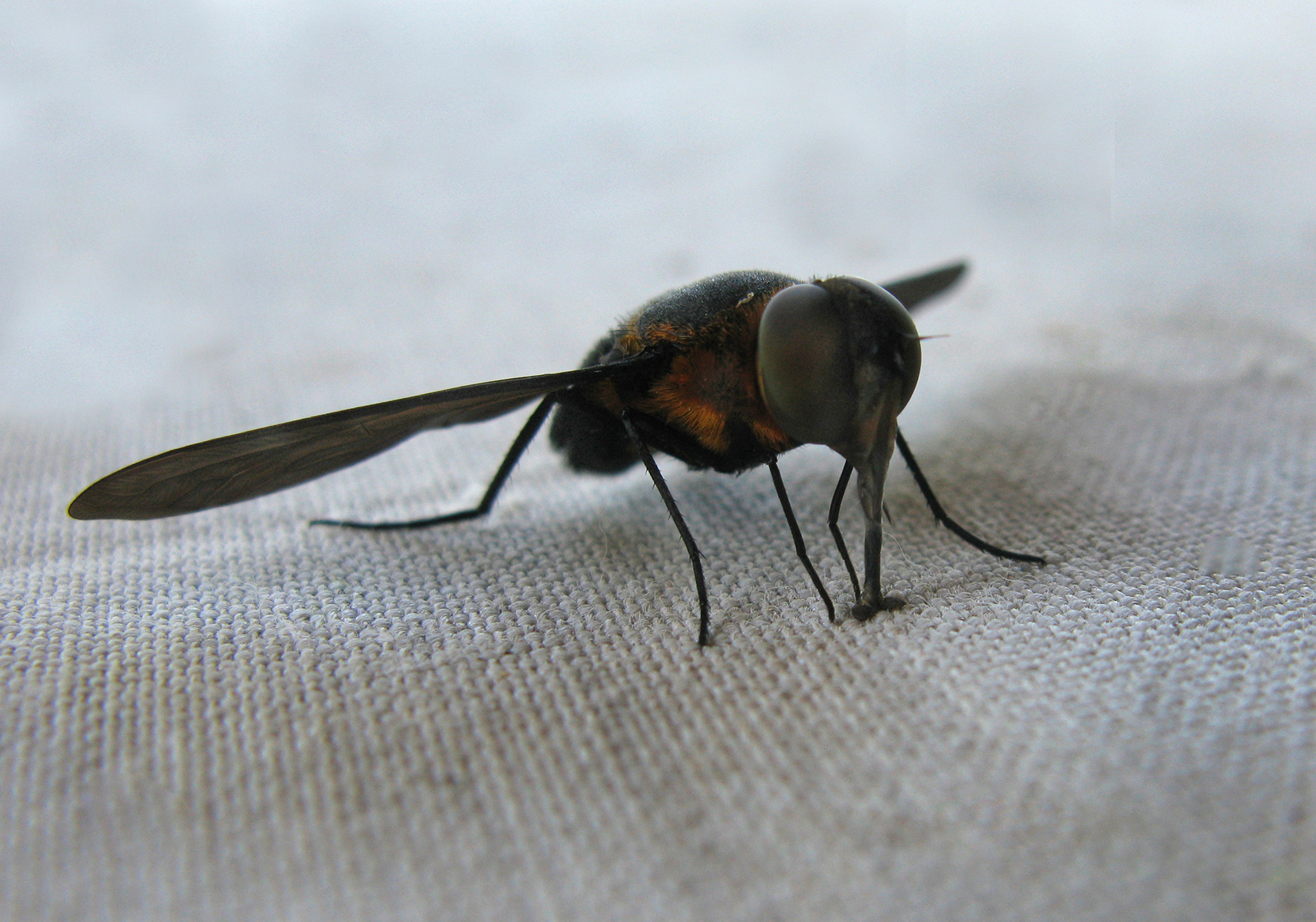
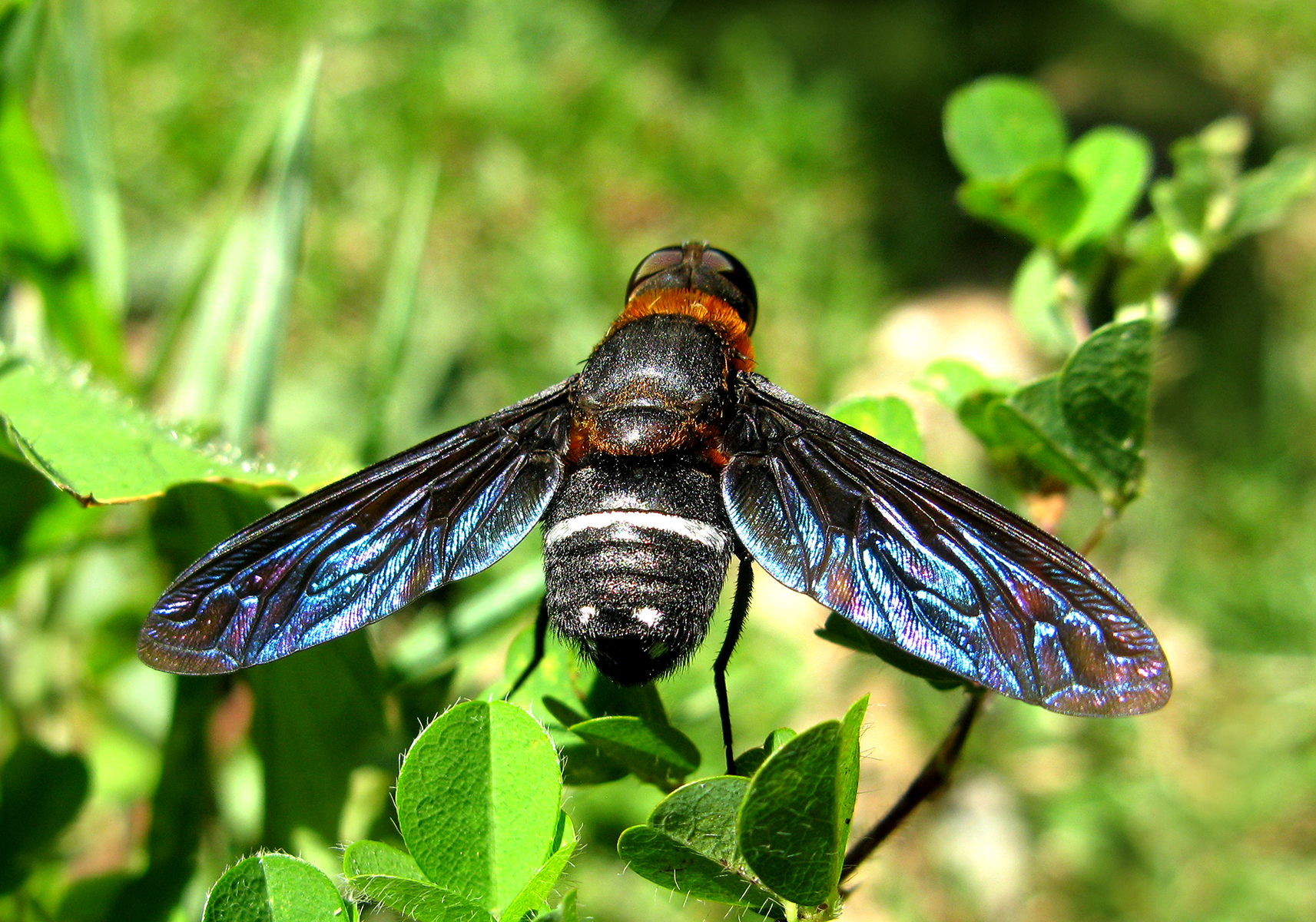
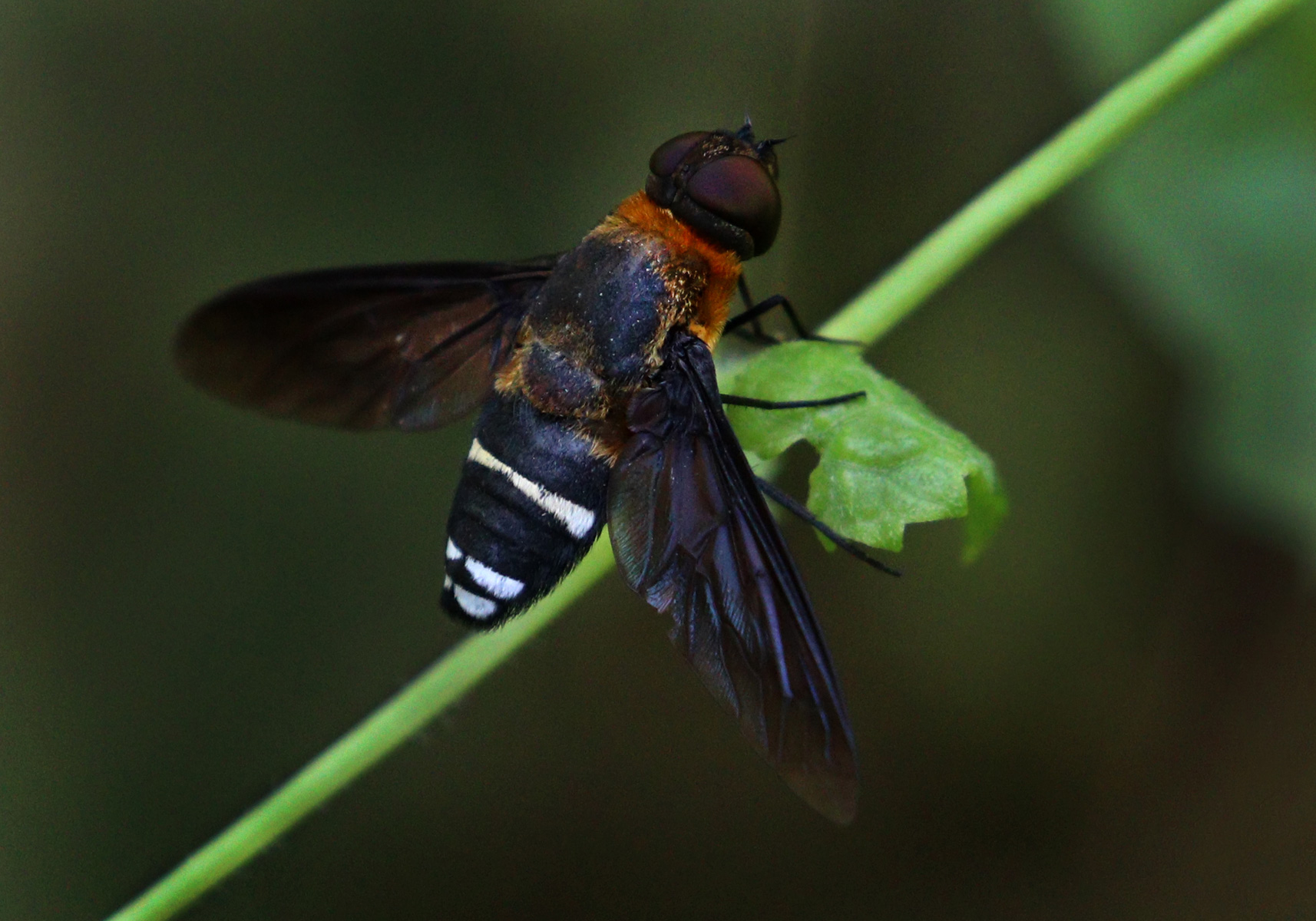
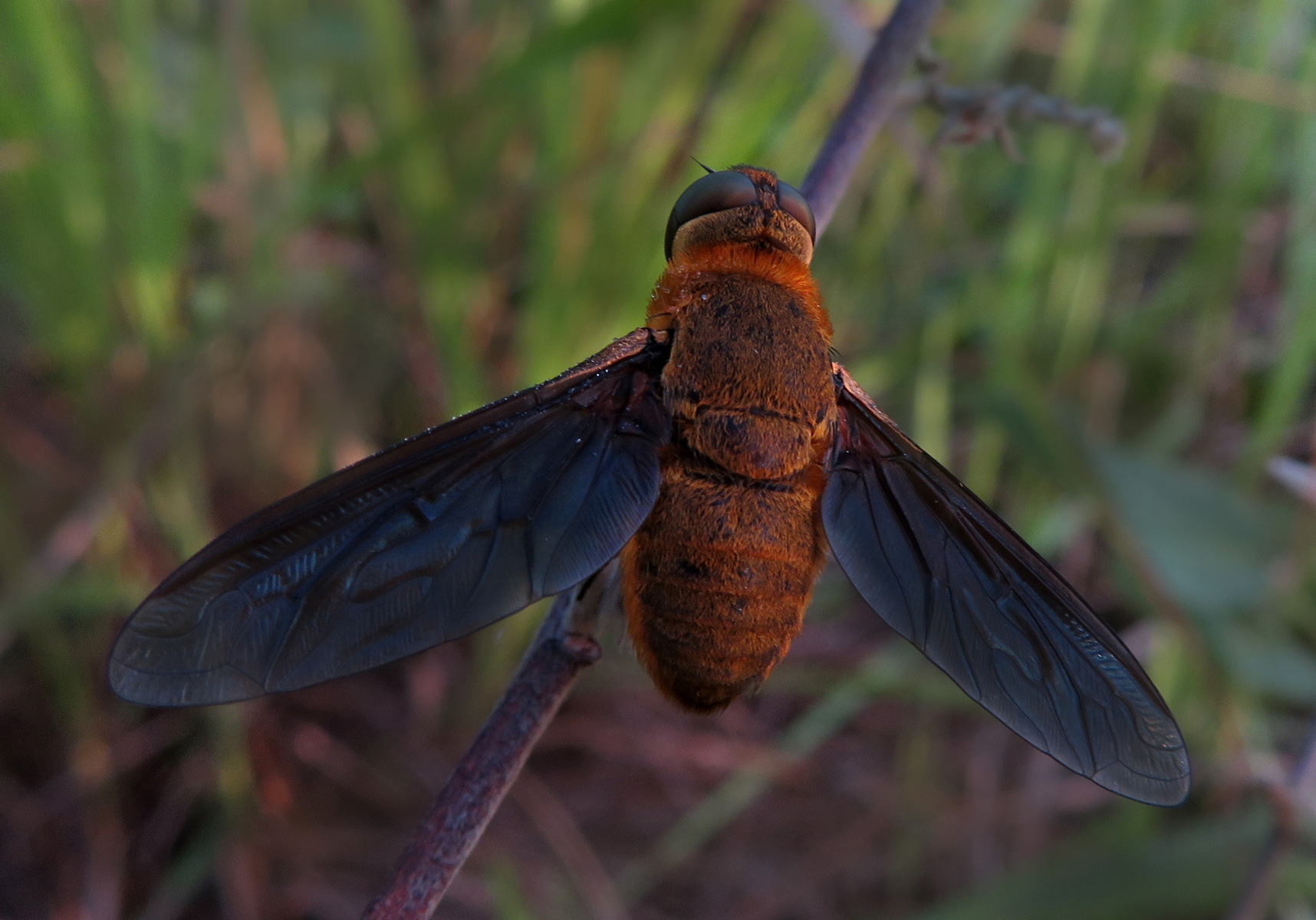
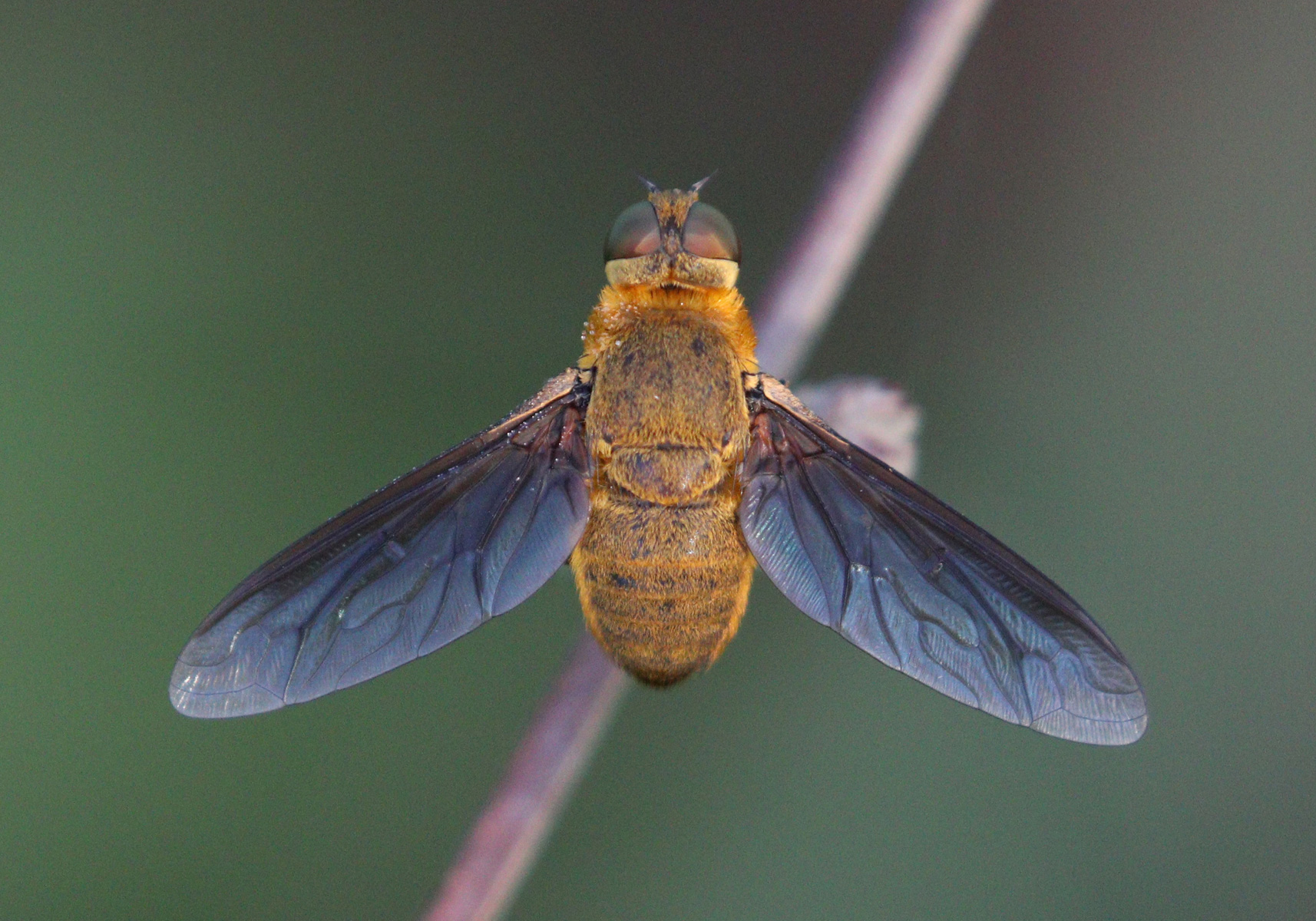
Members of the genus Ligyra are typically small to medium-sized flies with a robust body and distinctive wing patterns. The wings often display bold spots, bands, or patches of dark pigmentation, which may serve in camouflage or species recognition. The body is usually dark brown or black and may be covered with fine hairs, giving a somewhat bee-like appearance.
The head is large with well-developed compound eyes, and the antennae are short. Many species possess a moderately long proboscis that enables them to feed on nectar. Adults are agile fliers and are often observed hovering near flowers or resting on the ground or vegetation in sunny areas.
The life cycle follows complete metamorphosis. Larvae of Ligyra are parasitoids, typically developing in or on the immature stages of other insects, especially ground-nesting bees and wasps. Females lay eggs near host habitats, and the emerging larvae locate and parasitize their hosts.
Ecologically, Ligyra species play an important dual role. Adults contribute to pollination by visiting flowers, while larvae help regulate populations of other insects through parasitism. Their adaptability to warm, open environments and their distinctive appearance make them a notable component of insect diversity in tropical and subtropical ecosystems.