Bali Wildlife
Every Spices Matter


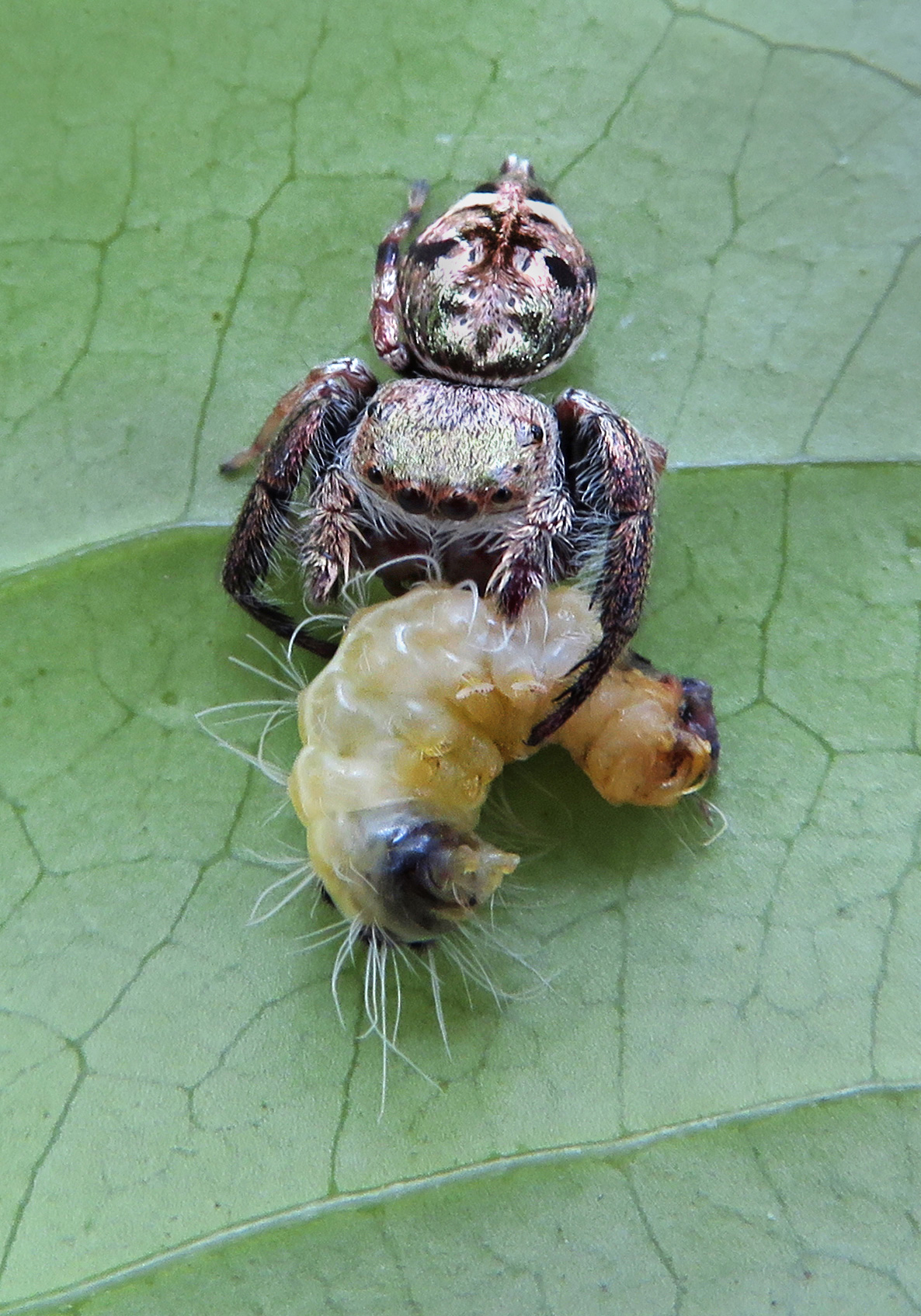
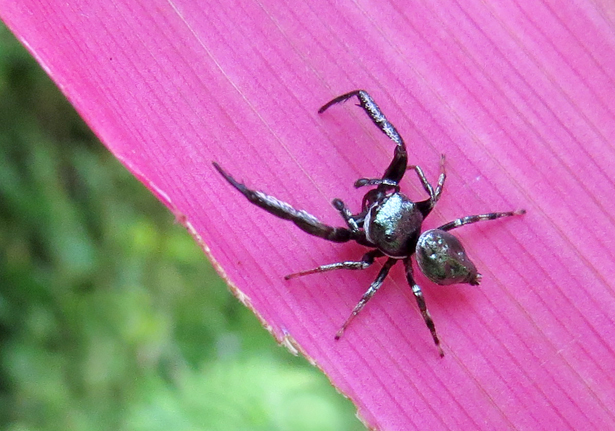
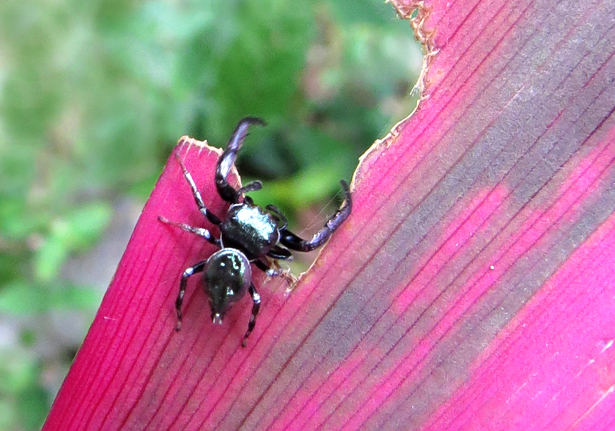
Ligurra is a genus of jumping spiders in the family Salticidae, subfamily Salticinae, subtribe Simaethina, and tribe Viciriini. The genus is distributed mainly in South and Southeast Asia, with records extending into East Asia. Species of Ligurra are typically associated with tree trunks, branches, and woody vegetation in forests, plantations, and wooded gardens.
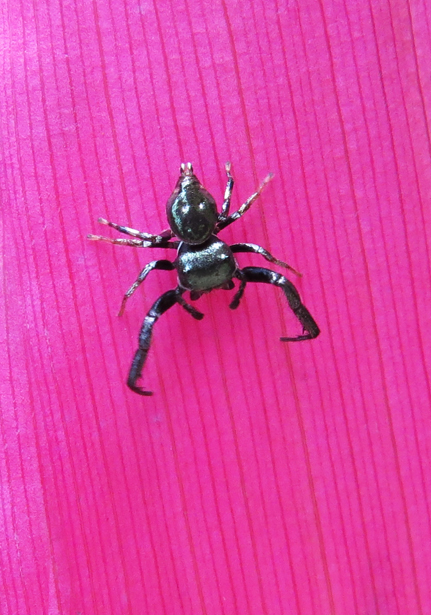
Members of the genus Ligurra are small to medium-sized jumping spiders characterized by a distinctly elongated and flattened body form, which provides effective camouflage against bark and woody surfaces. Coloration is generally cryptic, dominated by shades of brown, gray, and black, often with mottled or longitudinal patterns that break up the body outline. The cephalothorax is low and elongate, and the abdomen is narrow and extended, enhancing their resemblance to twigs or bark fragments.
Morphologically, Ligurra species are distinguished by characteristic structures of the male palpal organs and the female epigyne, which are essential for accurate species identification. The legs are relatively long and slender, adapted for agile movement on vertical surfaces. The first pair of legs may be slightly more developed and used in prey capture and subtle courtship displays.
Behaviorally, Ligurra spiders are diurnal visual predators. Rather than actively jumping frequently, they often move slowly and deliberately, relying on stealth and camouflage to approach prey before making a short, precise leap. When disturbed, individuals may remain motionless or align their bodies closely with the substrate to avoid detection.
Ecologically, species of Ligurra play an important role as predators of small arthropods in forested ecosystems. Their cryptic morphology and specialized habitat use make them less conspicuous than many other jumping spiders, but they are a distinctive and well-adapted genus within the subtribe Simaethina.