Bali Wildlife
Every Spices Matter


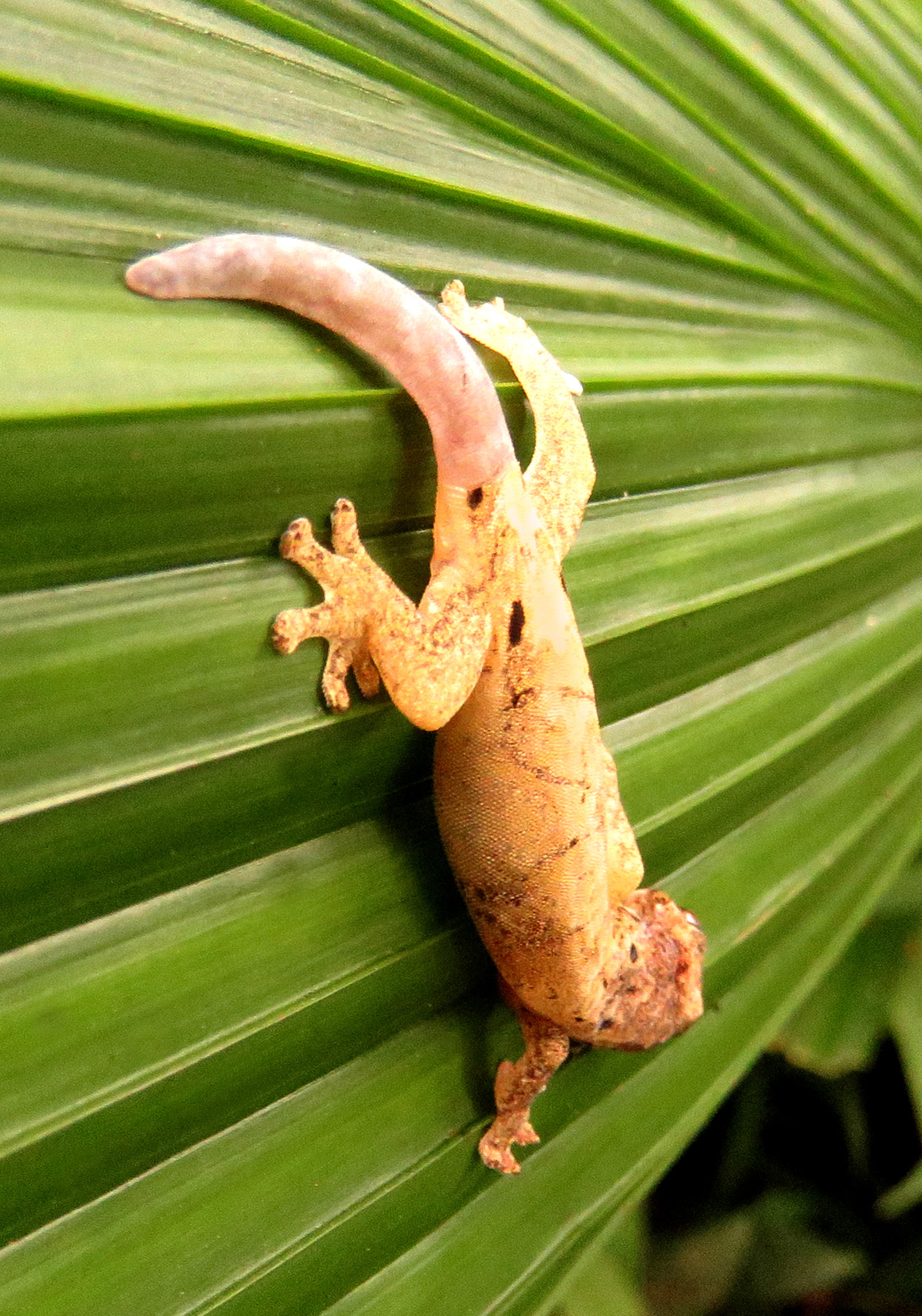
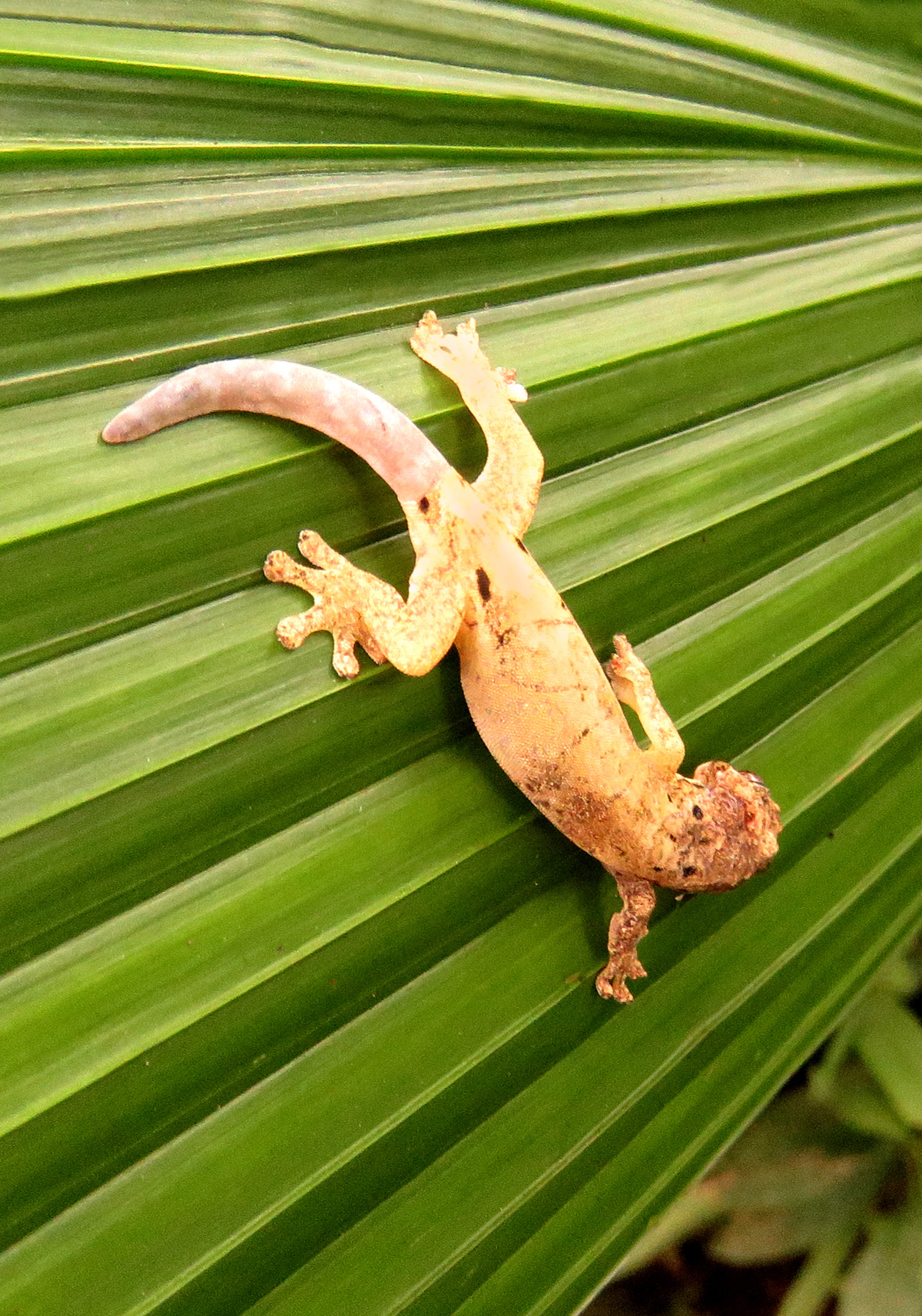
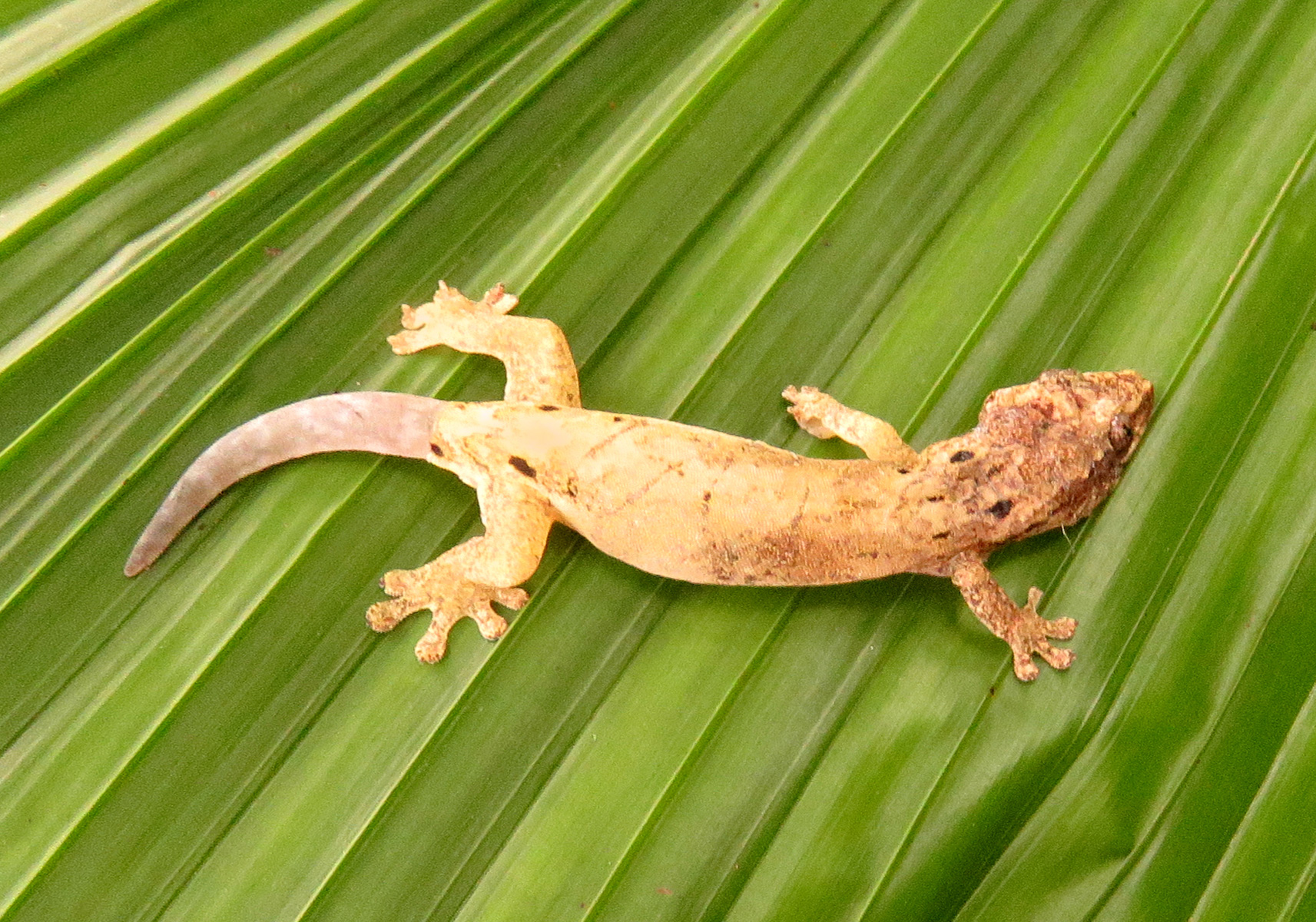
Lepidodactylus lugubris, commonly known as the mourning gecko, is a small gecko species within the genus Lepidodactylus, family Gekkonidae, infraorder Gekkota, and order Squamata.
This species is native to coastal regions and islands of Southeast Asia and the Pacific, but it has achieved an almost cosmopolitan distribution in tropical and subtropical regions due to accidental human transport. It is especially common on islands and in coastal settlements.
Mourning geckos are small and slender, typically reaching about 8–10 cm in total length. Their coloration is usually light brown to gray with darker mottled patterns or faint stripes, providing effective camouflage against bark, rocks, or walls. The toes are equipped with adhesive pads that allow efficient climbing on smooth surfaces.
One of the most remarkable characteristics of Lepidodactylus lugubris is its reproductive strategy. The species reproduces primarily through parthenogenesis, meaning females produce viable eggs without fertilization by males. Populations are therefore composed almost entirely of females, which contributes to their rapid colonization of new areas.
Ecologically, this species is nocturnal and insectivorous, feeding on small insects and other invertebrates. It may also consume nectar or sweet substances when available. Due to its adaptability, small size, and unique reproductive biology, Lepidodactylus lugubris is an important model species in studies of island biogeography, colonization, and asexual reproduction.