Bali Wildlife
Every Spices Matter


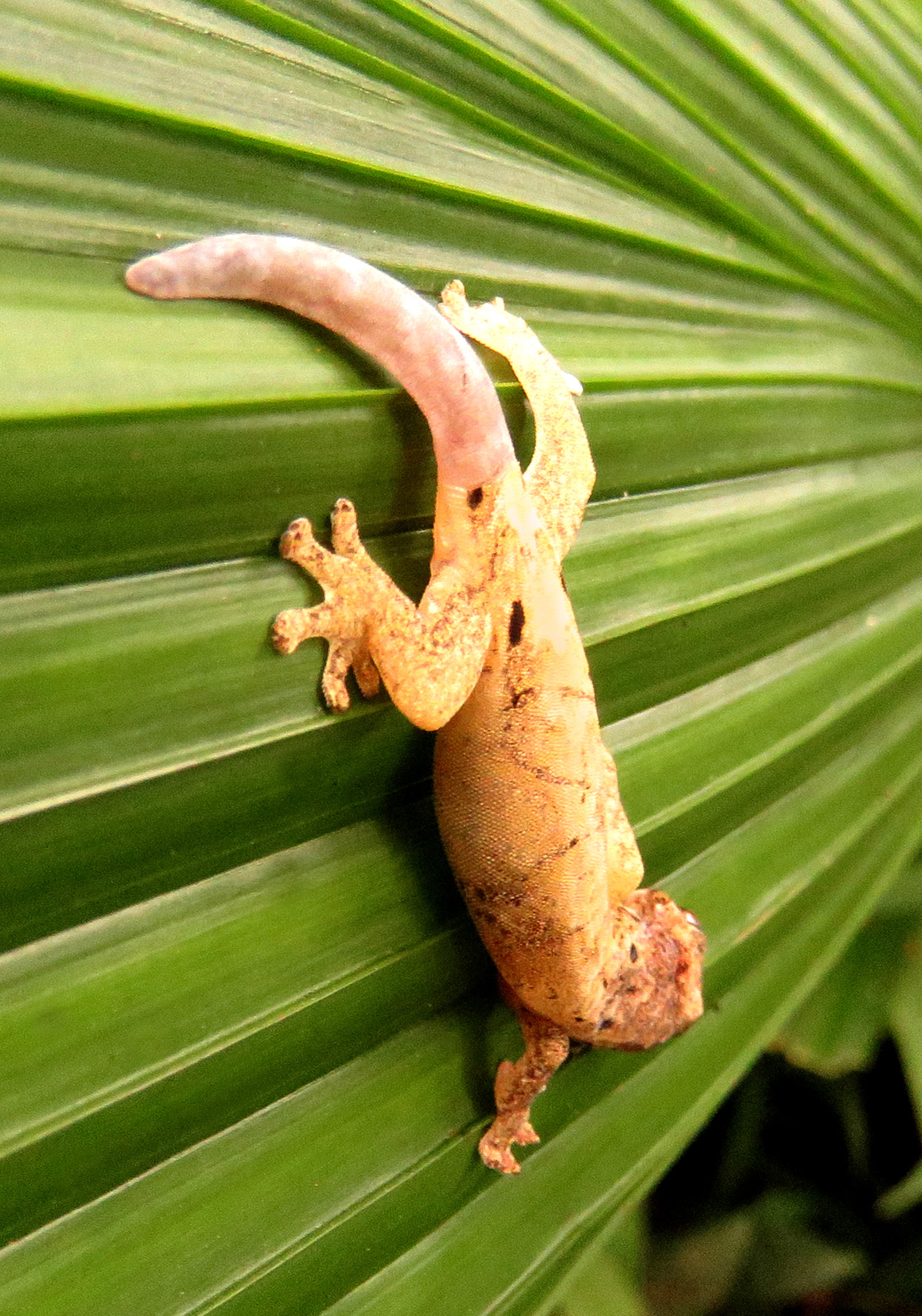
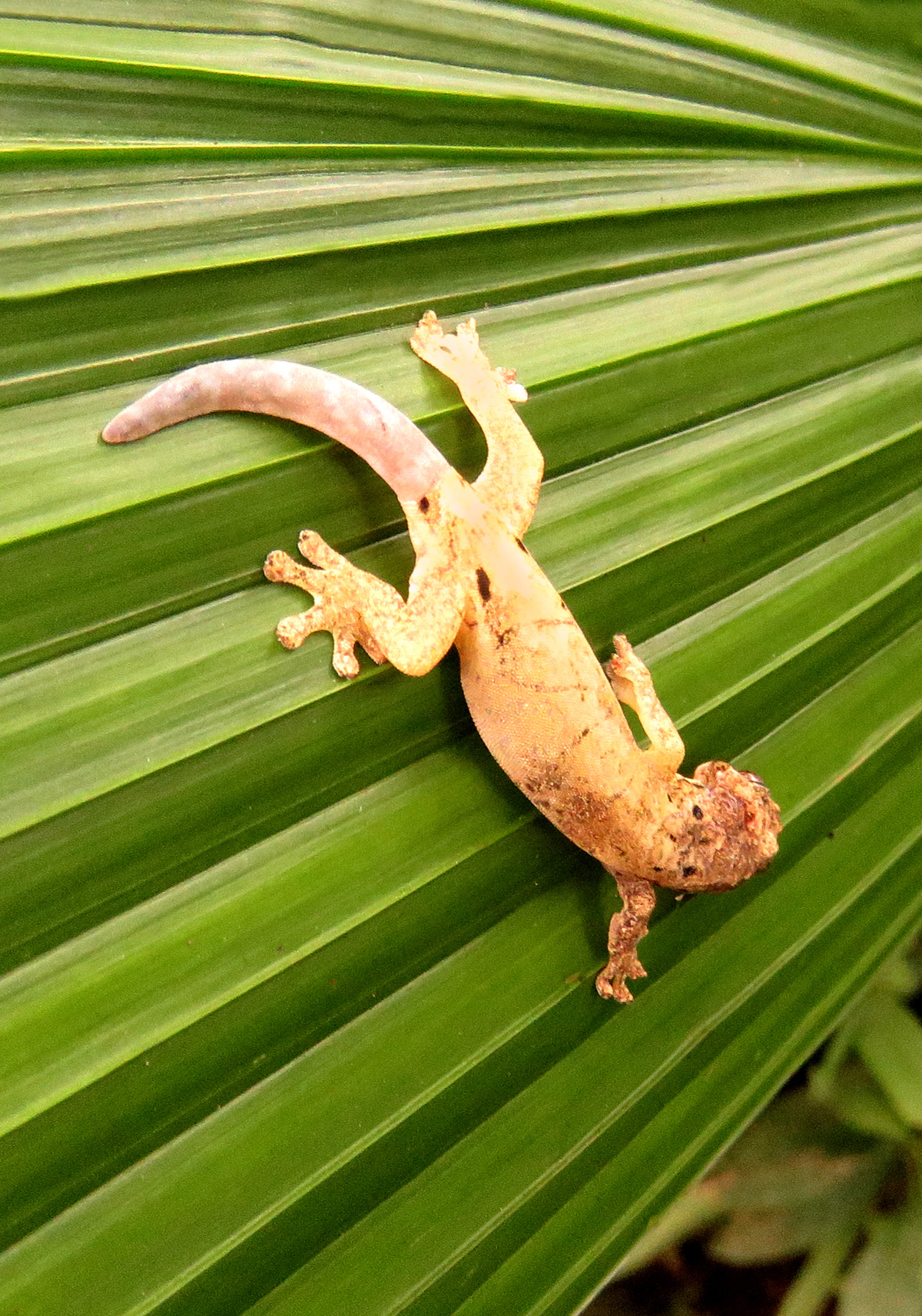
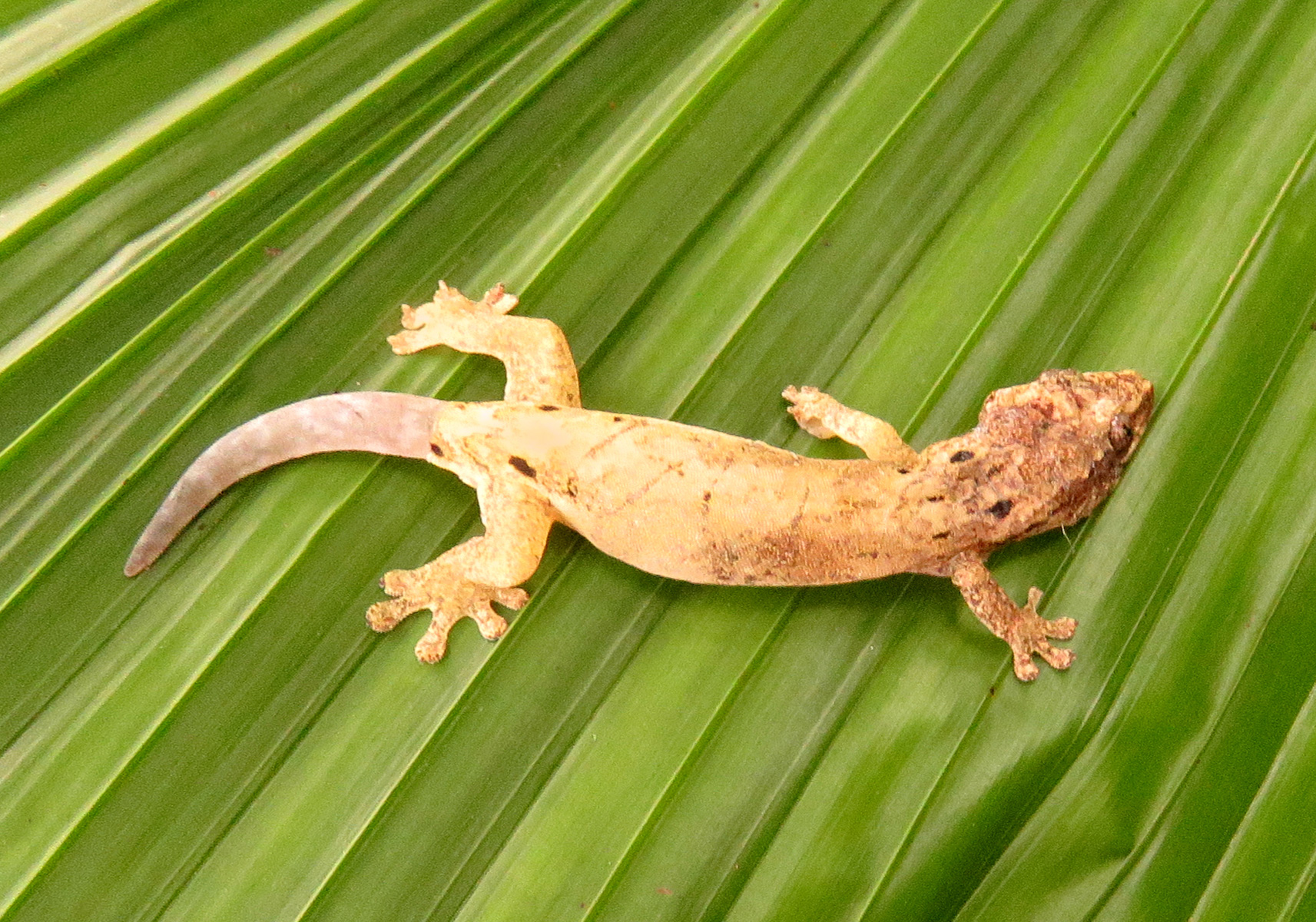
Lepidodactylus is a genus of geckos within the family Gekkonidae, infraorder Gekkota, and order Squamata. Commonly known as scaly-toed geckos, this genus includes numerous species distributed primarily across Southeast Asia, Melanesia, Micronesia, and many islands of the Pacific region.
Species of Lepidodactylus are typically found in tropical forests, coastal habitats, plantations, and island ecosystems. Some species are arboreal and inhabit tree trunks and foliage, while others are terrestrial or closely associated with rocky areas. A few species have adapted to living near human settlements, especially on islands.
Morphologically, members of this genus are generally small to medium-sized geckos with slender bodies and relatively large heads. The toes bear adhesive pads, although these are often less expanded compared to those of many house geckos. The name “scaly-toed” refers to the distinct arrangement of scales on the toes and digits. Their coloration is usually brown, gray, or mottled, providing effective camouflage against bark, leaf litter, or rocky substrates.
Ecologically, Lepidodactylus species are mostly nocturnal and insectivorous, feeding on small arthropods such as insects and spiders. They play an important role in island ecosystems as small predators helping regulate invertebrate populations. Reproduction is generally oviparous, with females laying one or two eggs in sheltered locations such as crevices or under bark.
Several species within this genus have dispersed widely across Pacific islands, sometimes aided by human activity, making them important subjects in studies of island biogeography and evolution.