Bali Wildlife
Every Spices Matter


Lauxaniidae is a diverse family of small flies within the superfamily Lauxanioidea (Order Diptera). Members of this family are distributed worldwide, with the highest diversity in tropical and subtropical regions. They are especially common in forested habitats, where they are frequently associated with leaf litter, understory vegetation, and shaded environments.
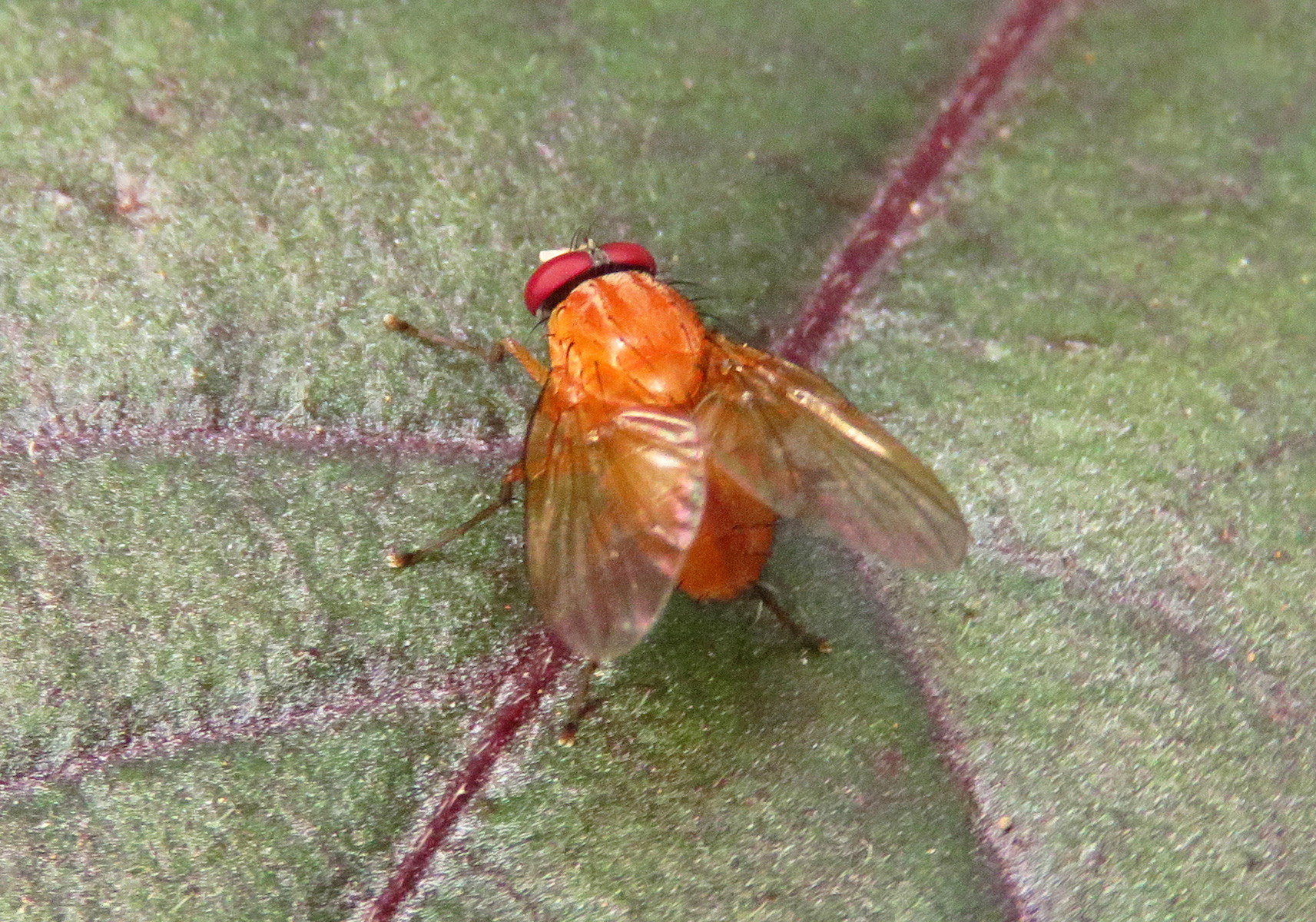
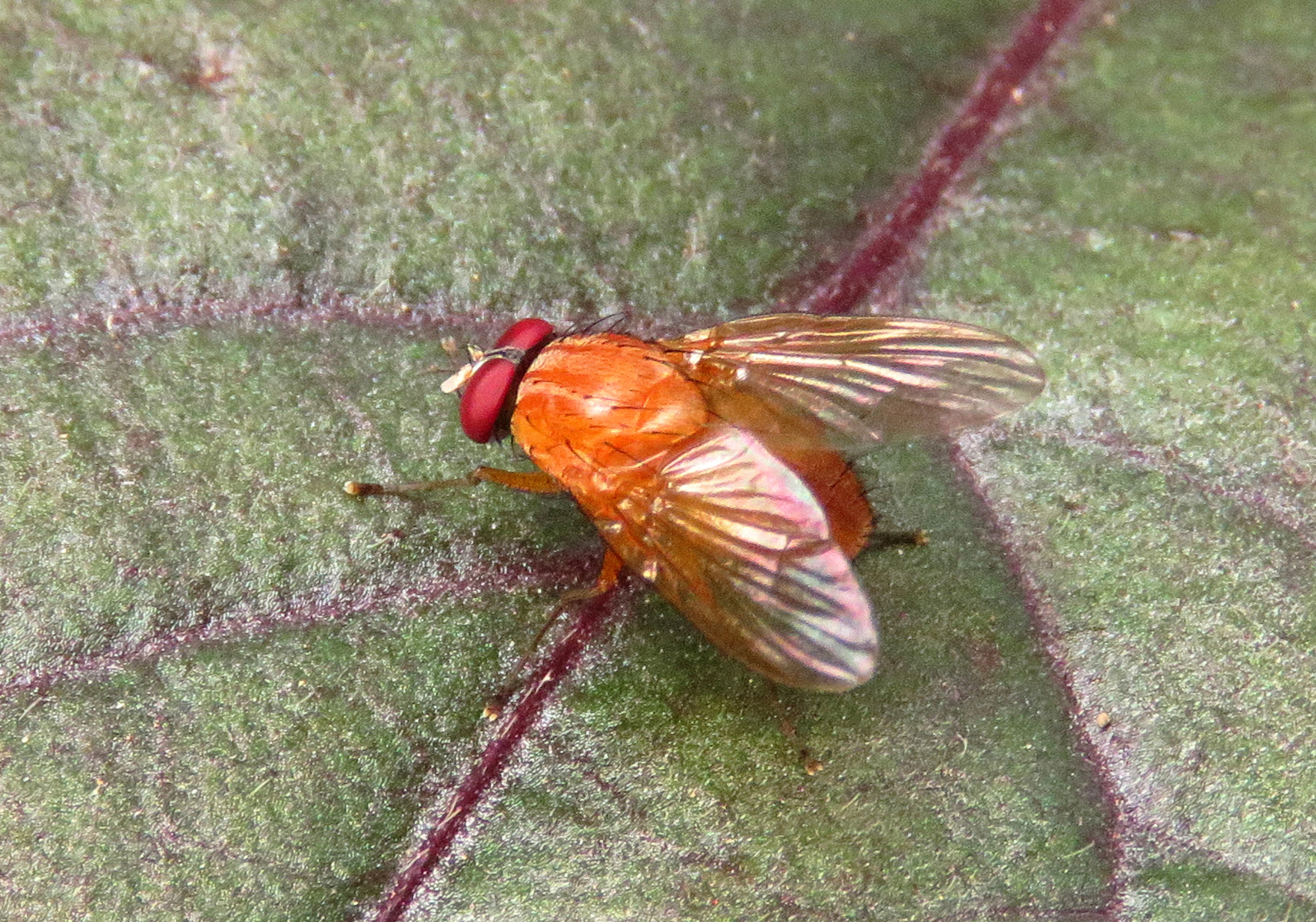
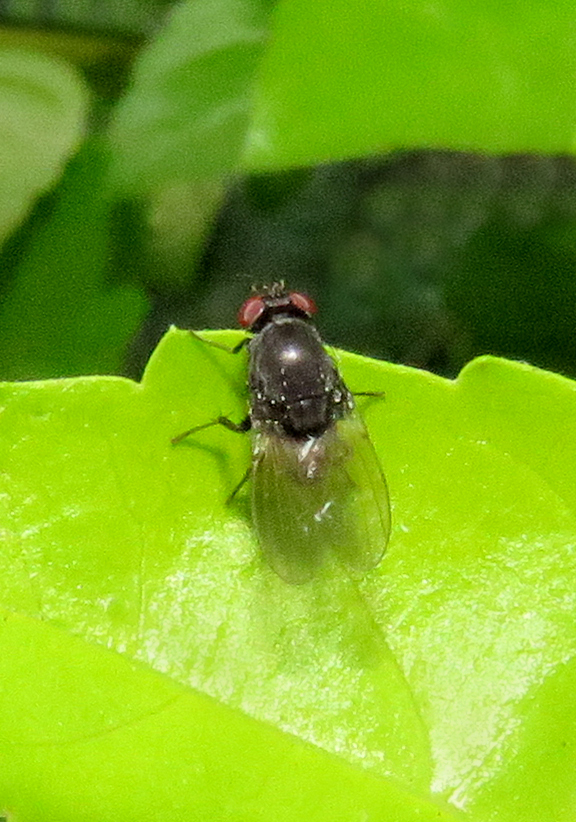
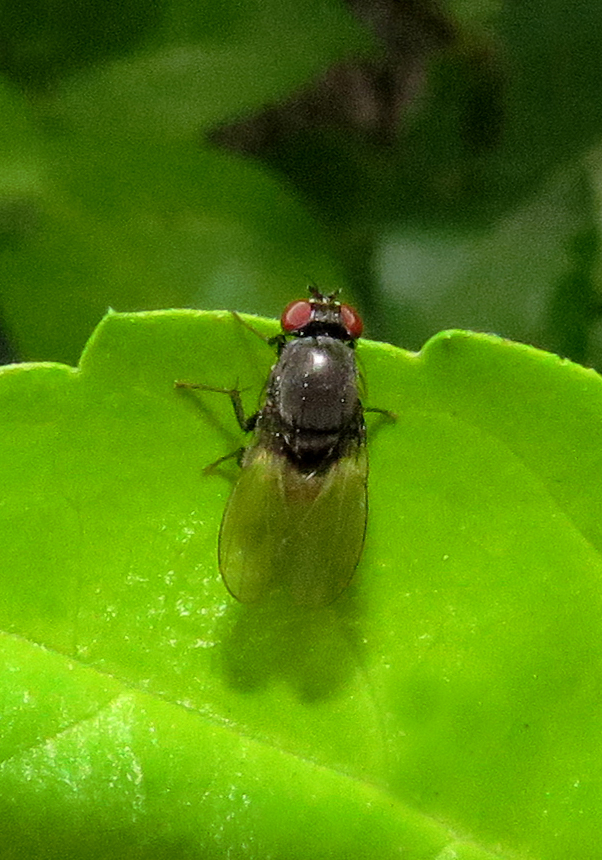
Flies of the family Lauxaniidae are generally small and delicate, often exhibiting bright or contrasting coloration such as yellow, orange, brown, or black. The head is relatively large with prominent compound eyes, and the antennae are short with a bristle-like arista. Many species have a somewhat rounded or slightly arched body shape, and the wings are usually clear, sometimes with subtle markings.
As members of Acalyptratae, lauxaniid flies lack well-developed calypters. They are typically found resting on leaves, stems, or other surfaces in shaded habitats and are often active in humid environments.
The life cycle involves complete metamorphosis. Larvae are primarily associated with decaying plant material, leaf litter, fungi, or other organic substrates, where they feed as detritivores or saprophages. Some species may also be associated with living plant tissues or specialized microhabitats within forest ecosystems.
The family Lauxaniidae includes numerous genera, reflecting a wide range of morphological diversity and ecological adaptations. Despite their small size, they represent an important component of forest insect communities.
Ecologically, Lauxaniidae play a significant role in decomposition and nutrient cycling, particularly in forest ecosystems. Their larvae help break down organic matter, contributing to soil formation and nutrient recycling. Although they are generally not of major economic importance, they are important for maintaining ecological balance and biodiversity in terrestrial environments.