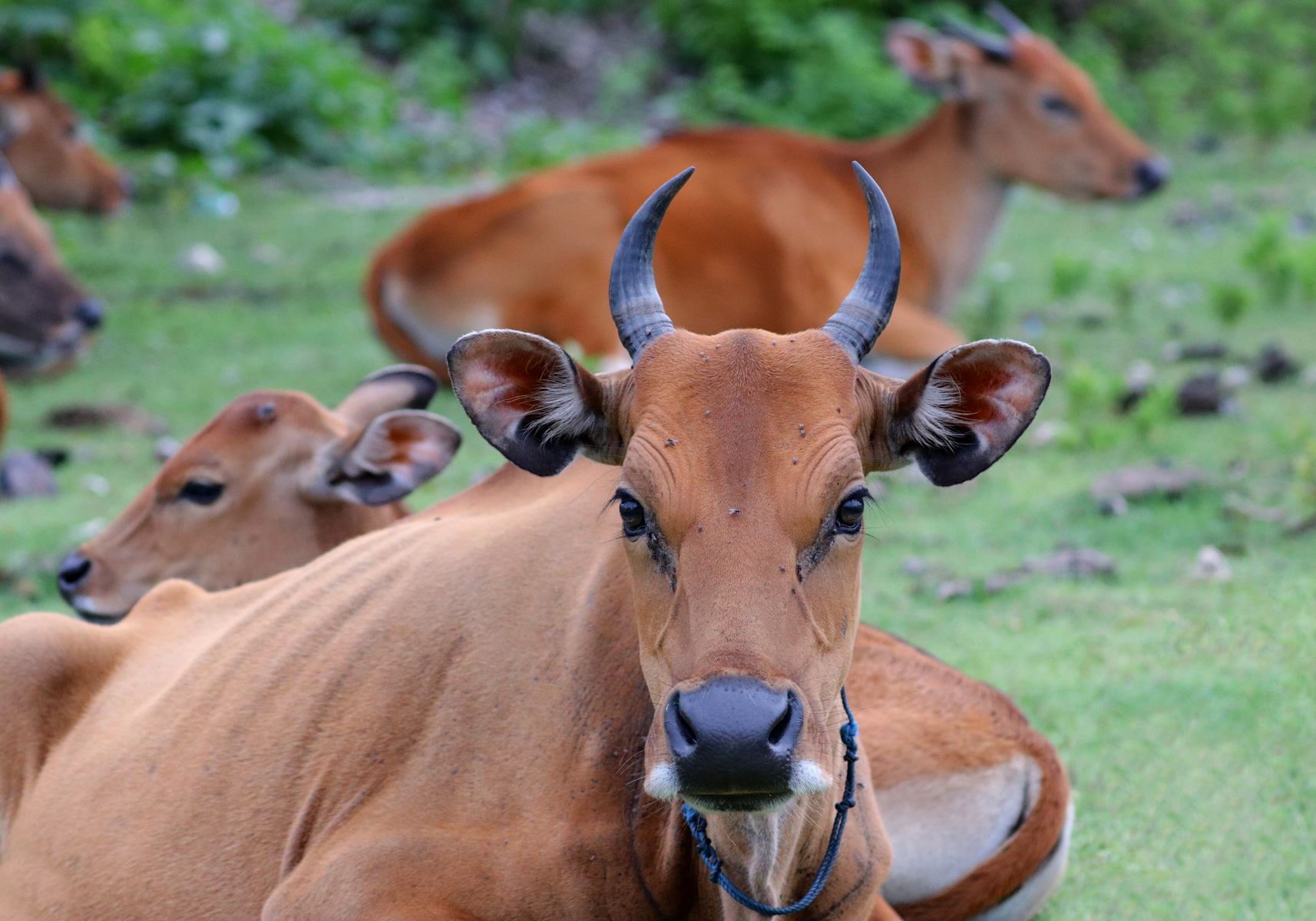
Bali Wildlife
Every Spices Matter


Laurasiatheria is a superorder within the infraclass Placentalia (Subclass Theria, Class Mammalia). It represents one of the major evolutionary lineages of placental mammals and is believed to have originated on the ancient northern supercontinent Laurasia, from which its name is derived.
Laurasiatheria includes several important mammalian orders, such as:
Members of Laurasiatheria display remarkable morphological and ecological diversity. They range from small insectivorous mammals to apex predators, large terrestrial herbivores, and fully aquatic marine mammals such as whales. Adaptations within this superorder include powered flight (bats), echolocation, cursorial locomotion (running adaptations), and complete aquatic specialization.
Phylogenetically, Laurasiatheria is primarily supported by molecular (DNA) evidence, which reveals evolutionary relationships that are not always obvious from morphology alone. The group diversified rapidly after the Cretaceous–Paleogene extinction event, contributing significantly to modern mammalian diversity.