Bali Wildlife
Every Spices Matter


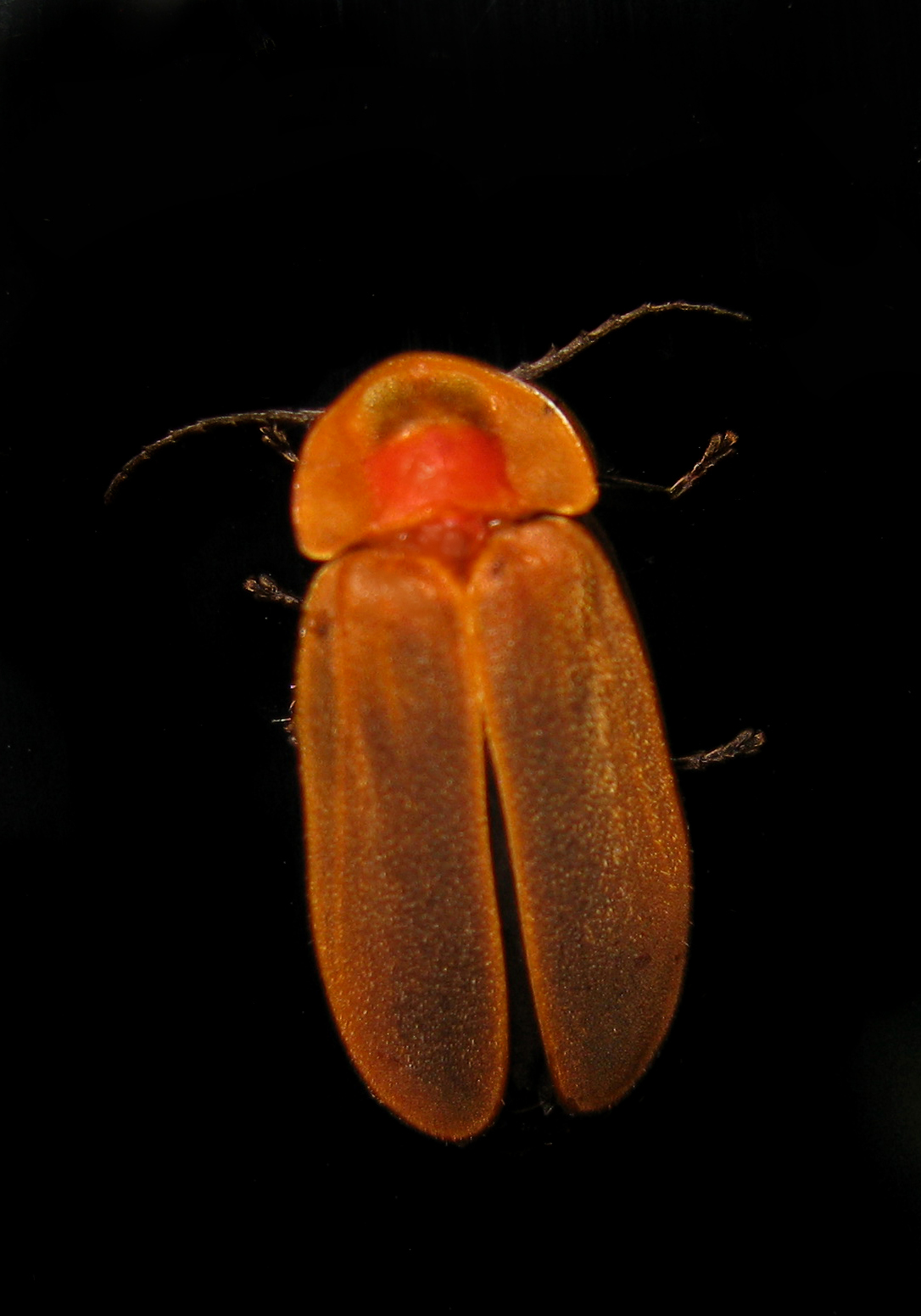
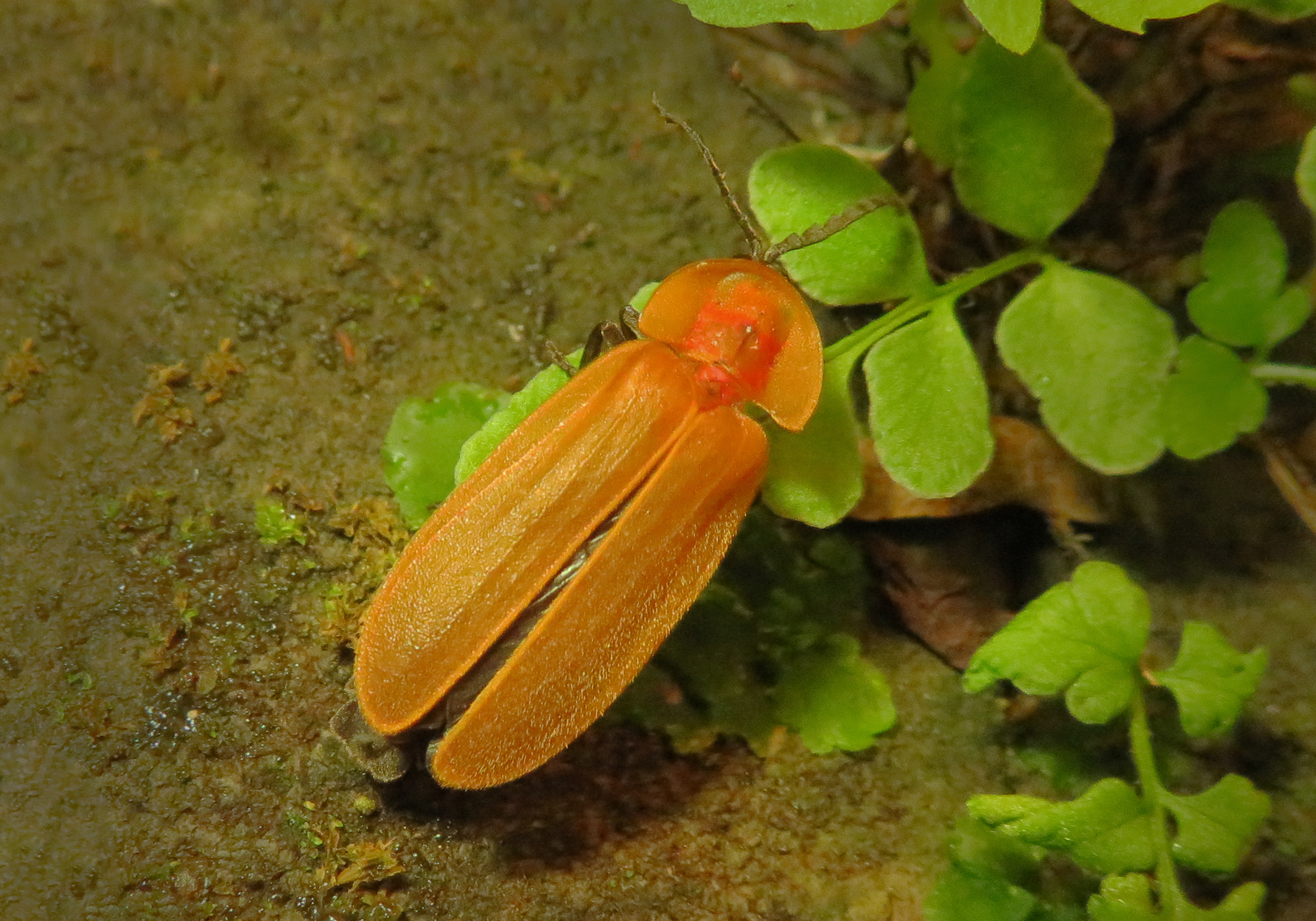
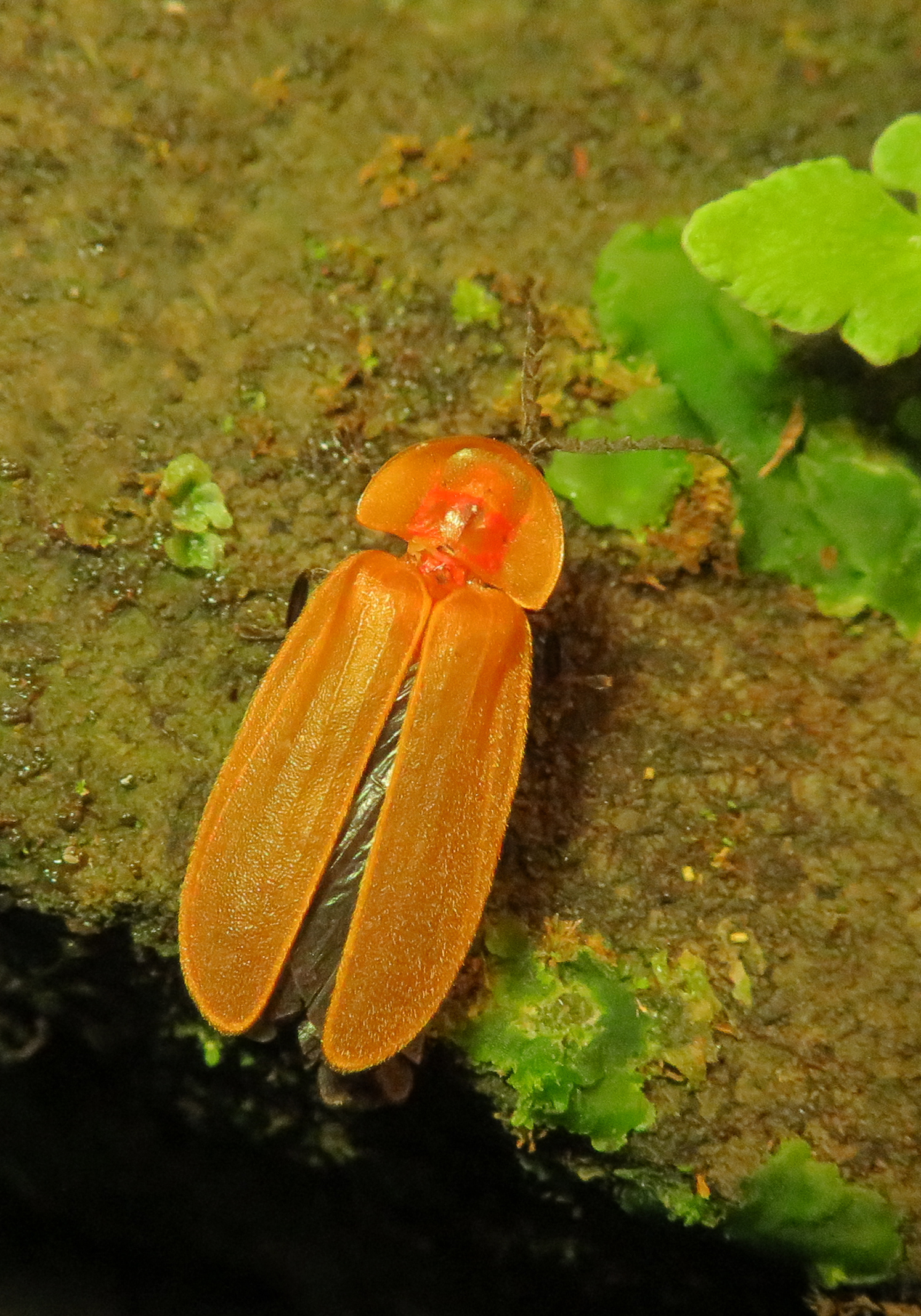
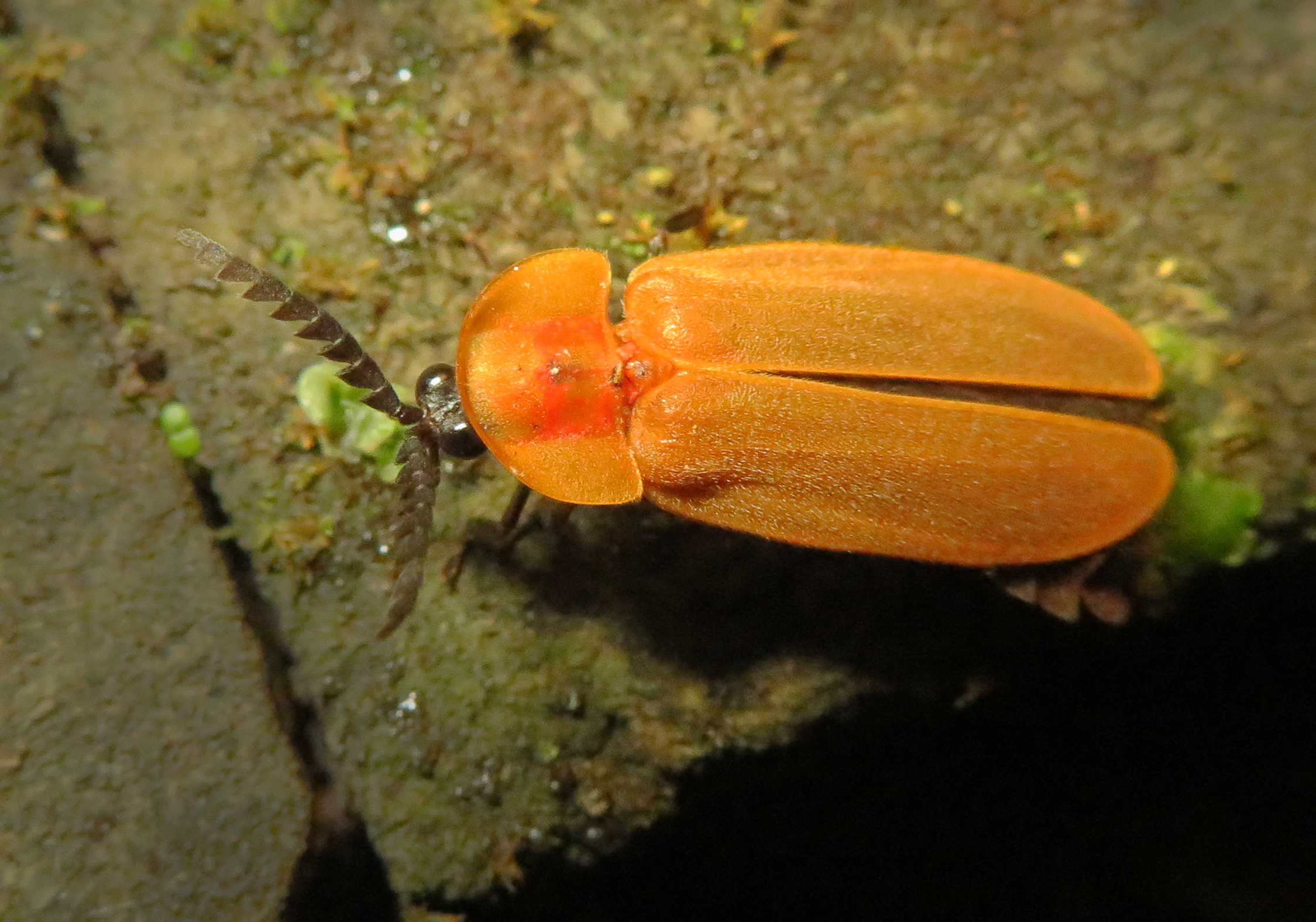
Lampyridae is a family of soft-bodied beetles commonly known as fireflies or lightning bugs, belonging to the superfamily Elateroidea (Order Coleoptera). This family is widely distributed across tropical and temperate regions of the world and is especially diverse in warm, humid habitats.
Members of Lampyridae are typically small to medium-sized, with elongate, somewhat flattened bodies and relatively soft elytra. The pronotum often partially covers the head when viewed from above. Coloration is generally brown, black, or yellowish, sometimes with pale or translucent margins.
The most distinctive feature of this family is bioluminescence. Many species possess specialized light-producing organs located on the underside of the abdomen. Light is produced through a chemical reaction involving luciferin, luciferase, oxygen, and ATP. In most species, bioluminescence functions primarily in courtship communication, with males and females producing species-specific flash patterns to locate mates. In some species, larvae and even eggs may also glow.
Larvae, often called glowworms, are typically elongate and somewhat flattened, with well-developed mandibles. They are mainly predatory, feeding on soft-bodied invertebrates such as snails, slugs, and worms. Larvae often inject digestive enzymes into their prey before consuming them.
Adults vary in feeding habits: some feed on nectar or pollen, others are predatory, and in certain species adults may feed very little or not at all. Most fireflies are nocturnal, though some diurnal species rely more on chemical signals than light for communication.
The life cycle includes complete metamorphosis: egg, larva, pupa, and adult. Development time varies depending on species and environmental conditions.
Family Lampyridae represents one of the most iconic beetle groups, recognized for their light displays, ecological roles as predators of soft-bodied invertebrates, and importance in cultural symbolism around the world.