Bali Wildlife
Every Spices Matter


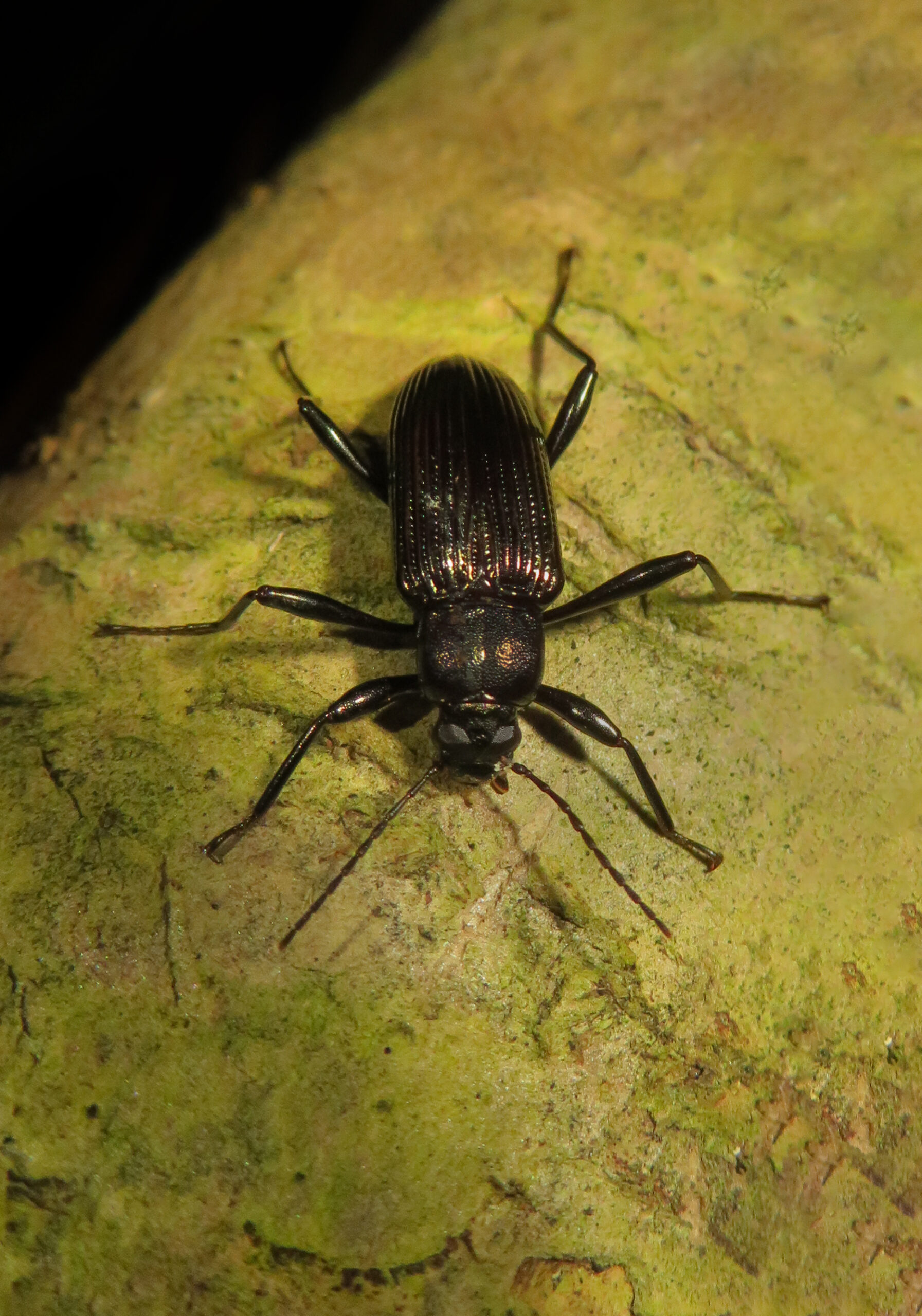
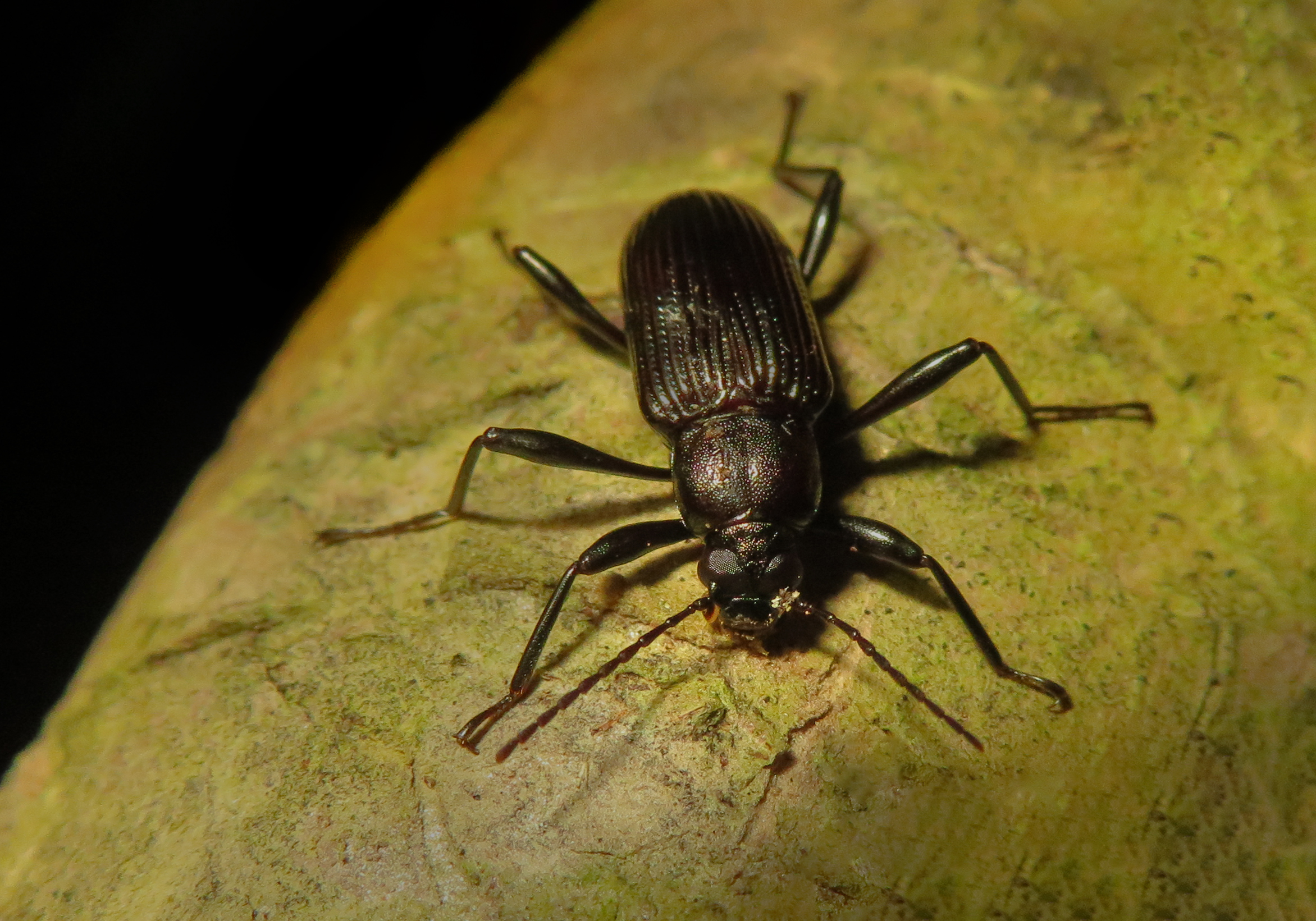
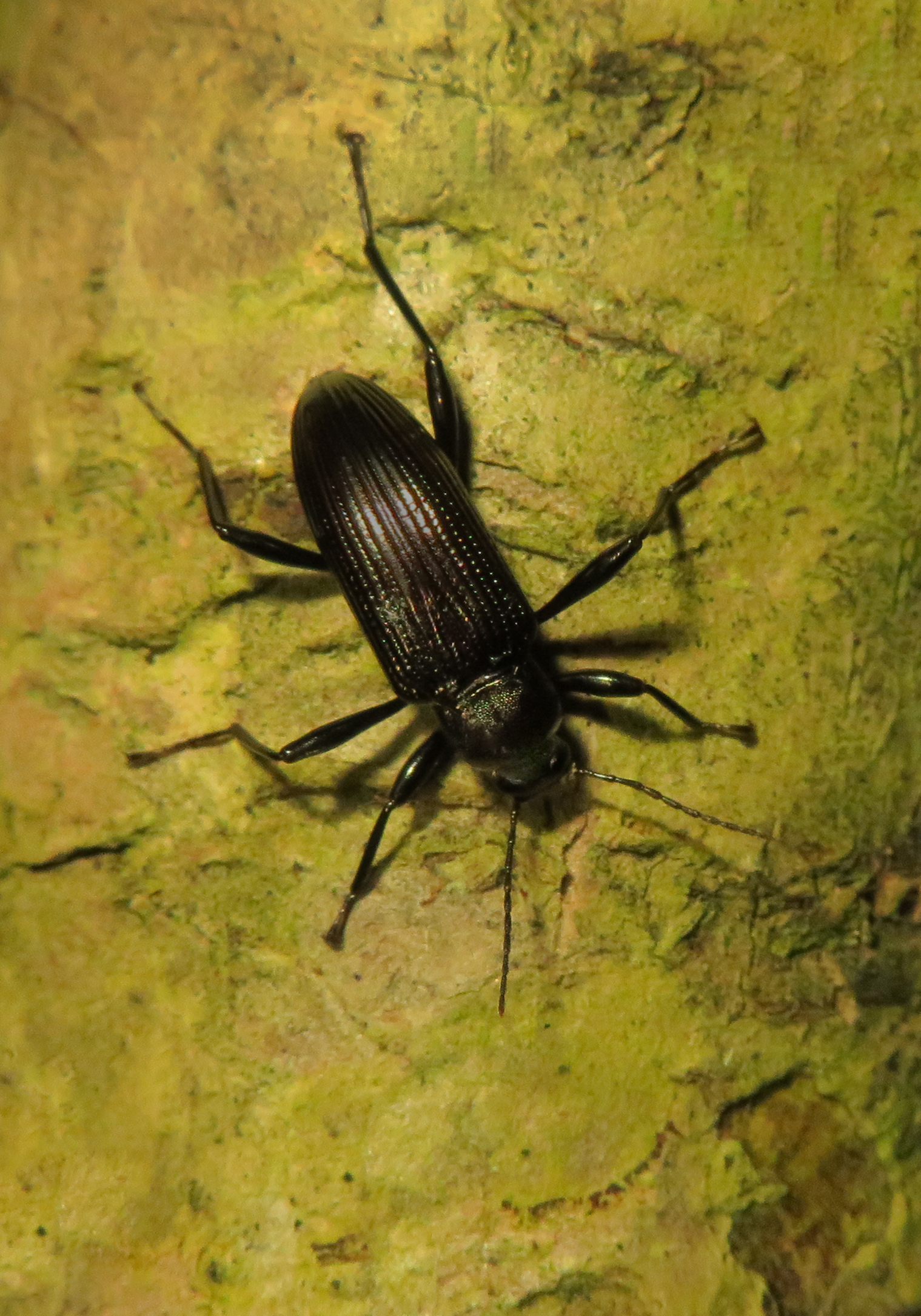
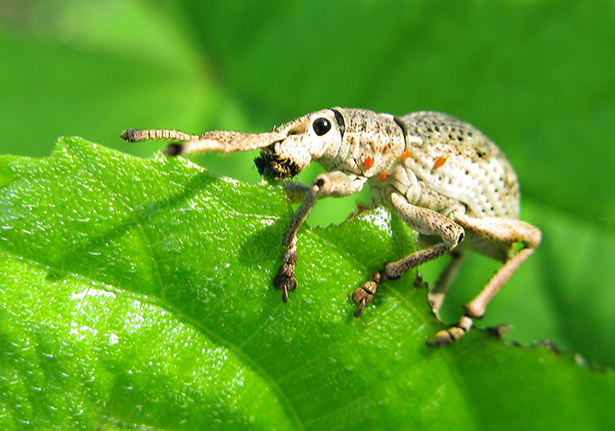
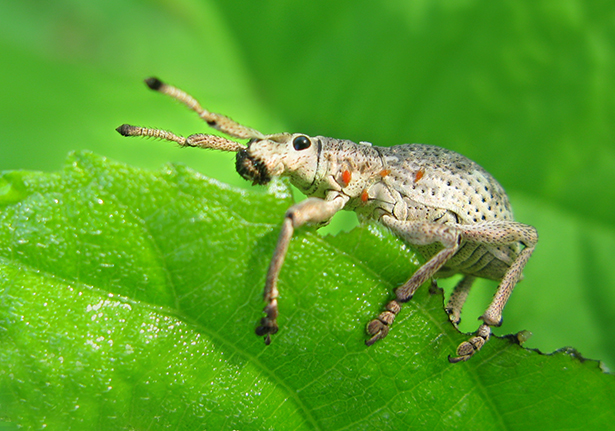
Insecta is the largest and most diverse class within the subphylum Hexapoda, comprising animals commonly known as insects. Members of this class are characterized by a three-part body plan consisting of a head, thorax, and abdomen; three pairs of jointed legs; and a single pair of antennae. Insects are the only invertebrates to have evolved powered flight, a key innovation that has contributed greatly to their evolutionary success.
The head bears compound eyes, often accompanied by simple ocelli, and a variety of mouthpart types adapted for different feeding strategies, including chewing, piercing-sucking, siphoning, and sponging. The thorax is divided into three segments, each bearing one pair of legs; in most groups, the second and third thoracic segments support one or two pairs of wings. The abdomen is typically segmented and contains major digestive, excretory, and reproductive organs.
Insects possess a chitinous exoskeleton that provides protection and structural support and must be periodically shed during growth through molting. Respiration occurs primarily via a tracheal system, in which air is delivered directly to tissues through spiracles and tracheae. The circulatory system is open, and the nervous system is highly developed, enabling complex behaviors and sensory perception.
Reproduction is predominantly sexual, and development may involve no metamorphosis (ametabolous), incomplete metamorphosis (hemimetabolous), or complete metamorphosis (holometabolous). Insects occupy nearly all terrestrial and many freshwater habitats and play vital ecological roles as pollinators, decomposers, herbivores, predators, and prey. They also have profound economic, medical, and scientific significance, influencing agriculture, ecosystems, and human societies worldwide.