

Tribe Hypopyrini
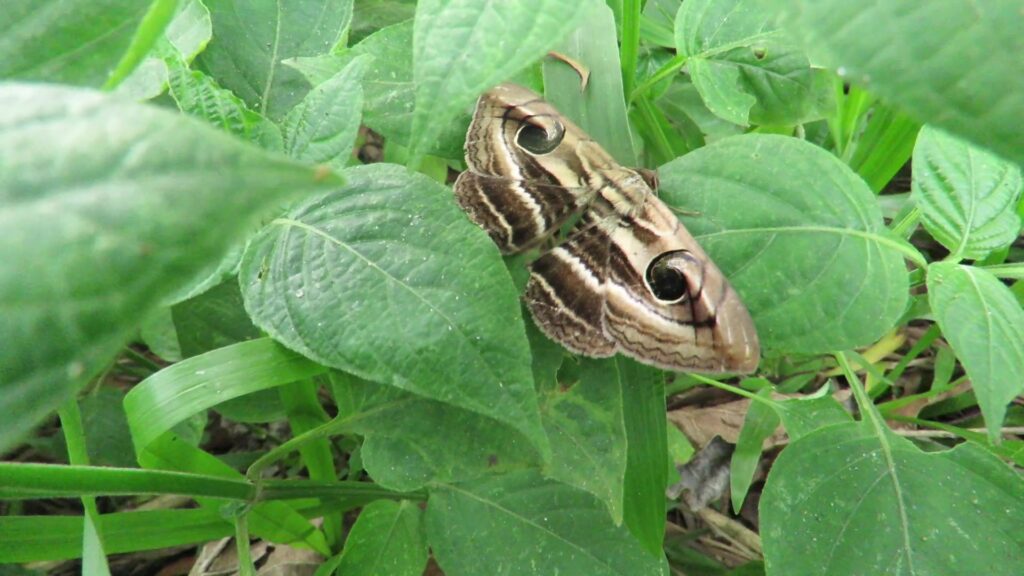
Tribe Hypopyrini is a taxonomic group of moths belonging to the subfamily Erebinae, family Erebidae, and order Lepidoptera. Its members are part of the diverse group of moths commonly known for their varied wing patterns, nocturnal habits, and adaptations to terrestrial environments. Species associated with Hypopyrini occur primarily in tropical and subtropical regions, where they inhabit forests, woodland edges, and other areas with suitable vegetation. Like many erebine moths, they generally possess well-developed wings and coloration that may include shades of brown, gray, black, and contrasting markings that help them blend into their surroundings. Their wing patterns can provide camouflage against tree bark, dry leaves, and other natural surfaces, reducing their visibility to predators. Adults are generally active at night and may be attracted to artificial lights, although activity patterns vary among species. Their feeding habits are not uniform across the tribe, but adult erebine moths may visit fermenting fruit, tree sap, or other sugar-rich food sources. The larvae typically develop as caterpillars and feed on host plants, with dietary preferences depending on the species. Like other moths, members of Hypopyrini undergo complete metamorphosis through egg, larval, pupal, and adult stages. Their immature and adult stages form part of terrestrial food webs, providing resources for birds, bats, parasitoid wasps, and other insectivorous animals. The precise distribution, host-plant relationships, and ecological characteristics of individual species within the tribe remain unevenly documented, and the limits of moth tribes may differ among taxonomic classifications. Habitat alteration, pesticide exposure, and changes in vegetation may influence local populations. Through their life cycles and interactions with plants and predators, members of Hypopyrini contribute to the diversity and ecological functioning of moth communities.