Bali Wildlife
Every Spices Matter


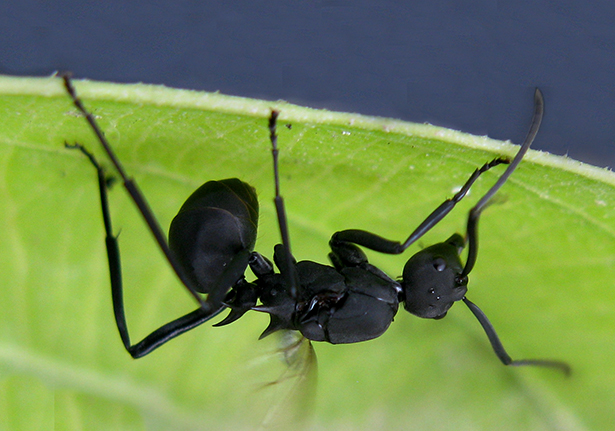
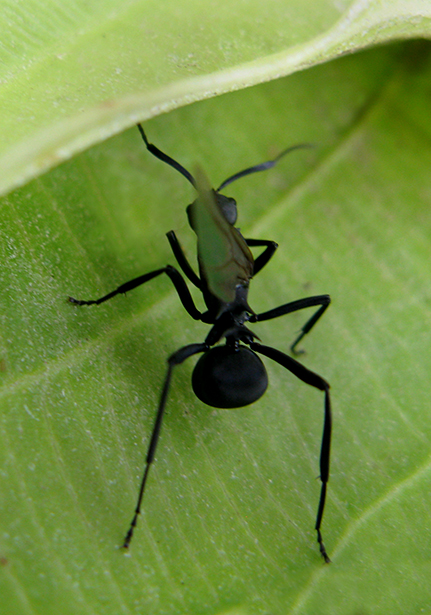
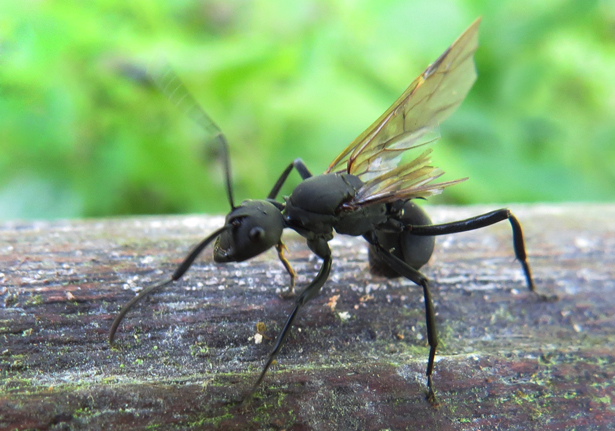
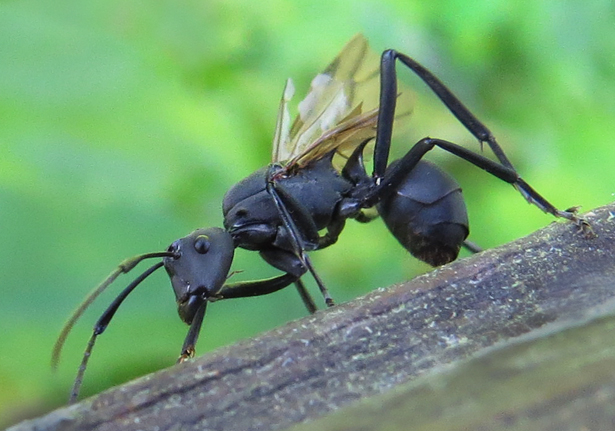
Hymenoptera is one of the largest and most ecologically significant orders of insects within the class Insecta (Phylum Arthropoda). The order includes ants, bees, wasps, and sawflies, with over 150,000 described species and many more yet to be discovered. Hymenopterans are distributed worldwide and occupy nearly all terrestrial ecosystems, from tropical forests to temperate grasslands and urban environments.
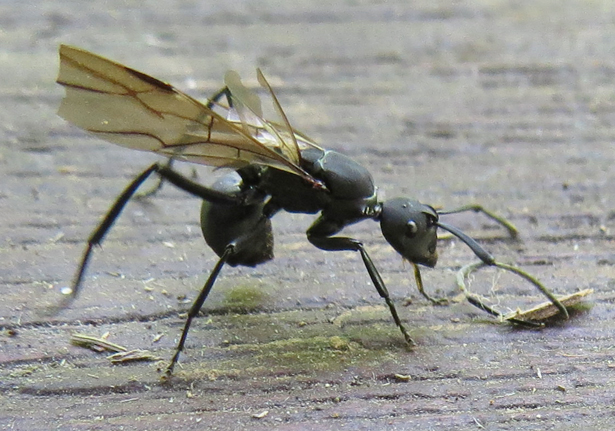
Members of Hymenoptera are characterized by two pairs of membranous wings (when present), with the hind wings smaller than the forewings and linked by a row of hooks called hamuli. Wingless forms are common in certain groups, particularly worker ants and some parasitic wasps. The mouthparts are mandibulate, often modified for chewing, biting, or lapping.
A major division within the order separates Symphyta (sawflies and wood wasps) from Apocrita (wasps, bees, and ants). Apocritans are distinguished by a narrow “waist” (petiole) between the thorax and abdomen, allowing enhanced flexibility. In many aculeate hymenopterans, the ovipositor is modified into a stinger used for defense or prey capture.
Hymenoptera exhibit remarkable behavioral and ecological diversity. Many species are solitary, while others—most notably ants, many bees, and some wasps—are eusocial, forming complex colonies with division of labor, cooperative brood care, and overlapping generations. Communication through chemical signals (pheromones) is highly developed.
Ecologically, hymenopterans play crucial roles as pollinators, predators, parasitoids, scavengers, and herbivores. Bees are among the most important pollinators of flowering plants, while parasitic wasps are vital regulators of insect populations. Ants influence soil structure, seed dispersal, and nutrient cycling.
Development in Hymenoptera is holometabolous, involving complete metamorphosis with egg, larval, pupal, and adult stages. Reproductive strategies are diverse, including haplodiploid sex determination, in which females develop from fertilized eggs and males from unfertilized eggs.
Order Hymenoptera represents a highly successful and evolutionarily advanced insect lineage, distinguished by its structural adaptations, complex behaviors, and profound impact on terrestrial ecosystems and human agriculture.