

Suborder Hirudiniformes
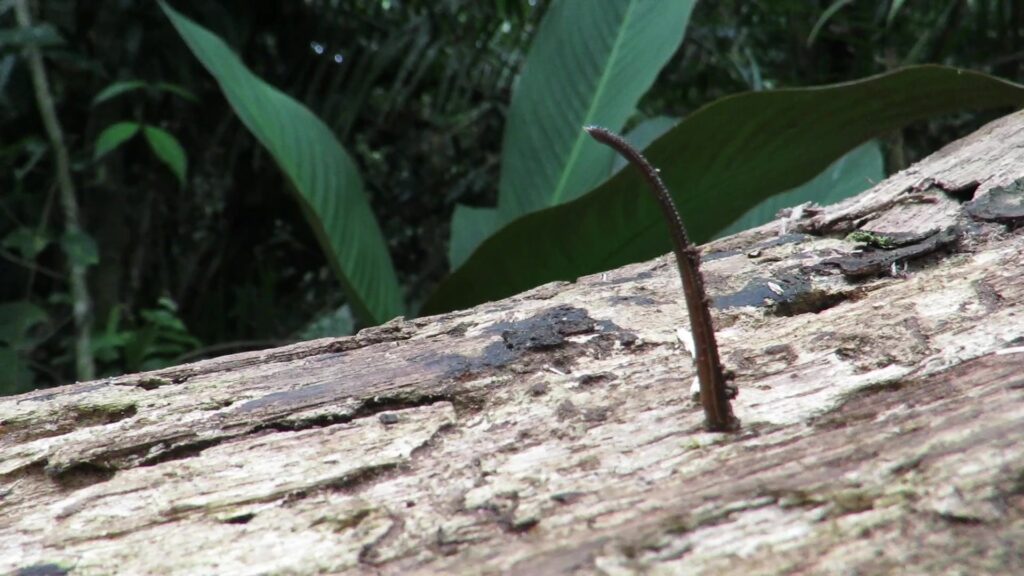
Hirudiniformes is a suborder of leeches belonging to the order Arhynchobdellida within the class Clitellata and phylum Annelida. Its members are segmented invertebrates characterized by flexible bodies, specialized suckers, and feeding adaptations suited to predatory or blood-feeding lifestyles. Many species inhabit freshwater environments, while others live in moist terrestrial habitats or occur in marine-associated settings. The group includes some familiar medicinal and terrestrial leeches, as well as numerous species that prey on other invertebrates.
Members of Hirudiniformes typically possess elongated or flattened bodies divided externally into numerous ring-like annuli. These rings do not always correspond directly to the underlying true body segments. Most species have a posterior sucker that provides attachment and helps with movement, along with an anterior region containing the mouth and, in many species, an oral sucker. Their muscular bodies can stretch, contract, and change shape, allowing them to crawl across surfaces, move through vegetation, or swim in water.
The body form and coloration of hirudiniform leeches vary considerably. Some species are slender and cylindrical, while others are broad and flattened. Their colors may include brown, black, olive, green, reddish, or yellowish shades, often with stripes, spots, or contrasting patterns. Some terrestrial species possess vivid markings, whereas many freshwater species have subdued coloration that helps them blend into sediment and aquatic vegetation. Their skin is generally soft and moist, supporting movement and helping prevent excessive water loss.
Hirudiniformes includes species that inhabit ponds, lakes, streams, rivers, wetlands, humid forests, and other environments with suitable moisture and shelter. Freshwater species often hide beneath stones, among aquatic plants, or within muddy substrates. Terrestrial representatives typically occur in humid tropical or subtropical habitats, including forest floors and dense vegetation. Their distribution depends on temperature, humidity, water quality, food availability, and the presence of suitable hosts or prey.
Feeding strategies are among the most distinctive features of this suborder. Many species are blood-feeding ectoparasites that attach to vertebrates such as mammals, birds, reptiles, amphibians, or fish. Depending on the species, they use muscular jaws to cut the skin and obtain blood. Salivary compounds may prevent blood clotting and allow feeding to continue. Other hirudiniform leeches are predators that consume earthworms, insect larvae, snails, and other small invertebrates. Their feeding behavior reflects adaptations to the prey and hosts available in their habitats.
Blood-feeding species often possess an expandable digestive region that stores a large meal, allowing them to survive for extended periods between feedings. This is particularly advantageous for terrestrial leeches, which may encounter hosts only occasionally. Predatory species tend to feed on smaller animals and use their muscular pharynx and jaws to capture or consume prey. These differences allow the suborder to occupy several ecological roles, from parasites to active predators.
Movement is accomplished through coordinated contractions of the body muscles and the action of the suckers. Many species move by attaching one sucker, extending the body, attaching the other sucker, and drawing the body forward in a looping motion. Aquatic species may also swim by undulating their bodies from side to side. Sensory structures help them detect chemical cues, vibrations, temperature changes, and movement, allowing them to locate prey, hosts, or suitable habitats.
Reproduction in Hirudiniformes is generally sexual, and most species are hermaphroditic, meaning that individuals possess both male and female reproductive organs. Mating usually involves the exchange of sperm between two individuals. Like other members of Clitellata, these leeches form protective cocoons for their eggs. The cocoons may be deposited in moist soil, attached to vegetation, or placed in other sheltered locations. Young leeches generally resemble miniature adults and develop without a typical free-swimming larval stage.
Hirudiniformes plays important roles in terrestrial and aquatic food webs. Predatory species help regulate populations of small invertebrates, while blood-feeding species participate in parasite–host relationships. Leeches themselves serve as prey for fish, birds, amphibians, and other predators. Certain species, such as the medicinal leech Hirudo medicinalis, have also been used in carefully controlled medical procedures because their saliva contains substances that inhibit blood clotting.
Despite their ecological importance, some hirudiniform leeches are affected by wetland destruction, water pollution, habitat degradation, and the loss of suitable host species. Terrestrial species may be vulnerable to forest clearing and drying of their habitats, while aquatic species can be affected by changes in water quality and flow. Protecting wetlands, streams, and humid natural environments helps maintain their diversity.
Overall, Hirudiniformes is a diverse suborder of leeches characterized by specialized suckers, muscular bodies, and varied feeding strategies. Its members occupy freshwater and terrestrial environments, where they function as predators, parasites, and prey for other animals. Their distinctive anatomy, reproductive biology, and ecological relationships make them an important component of annelid diversity.