Bali Wildlife
Every Spices Matter


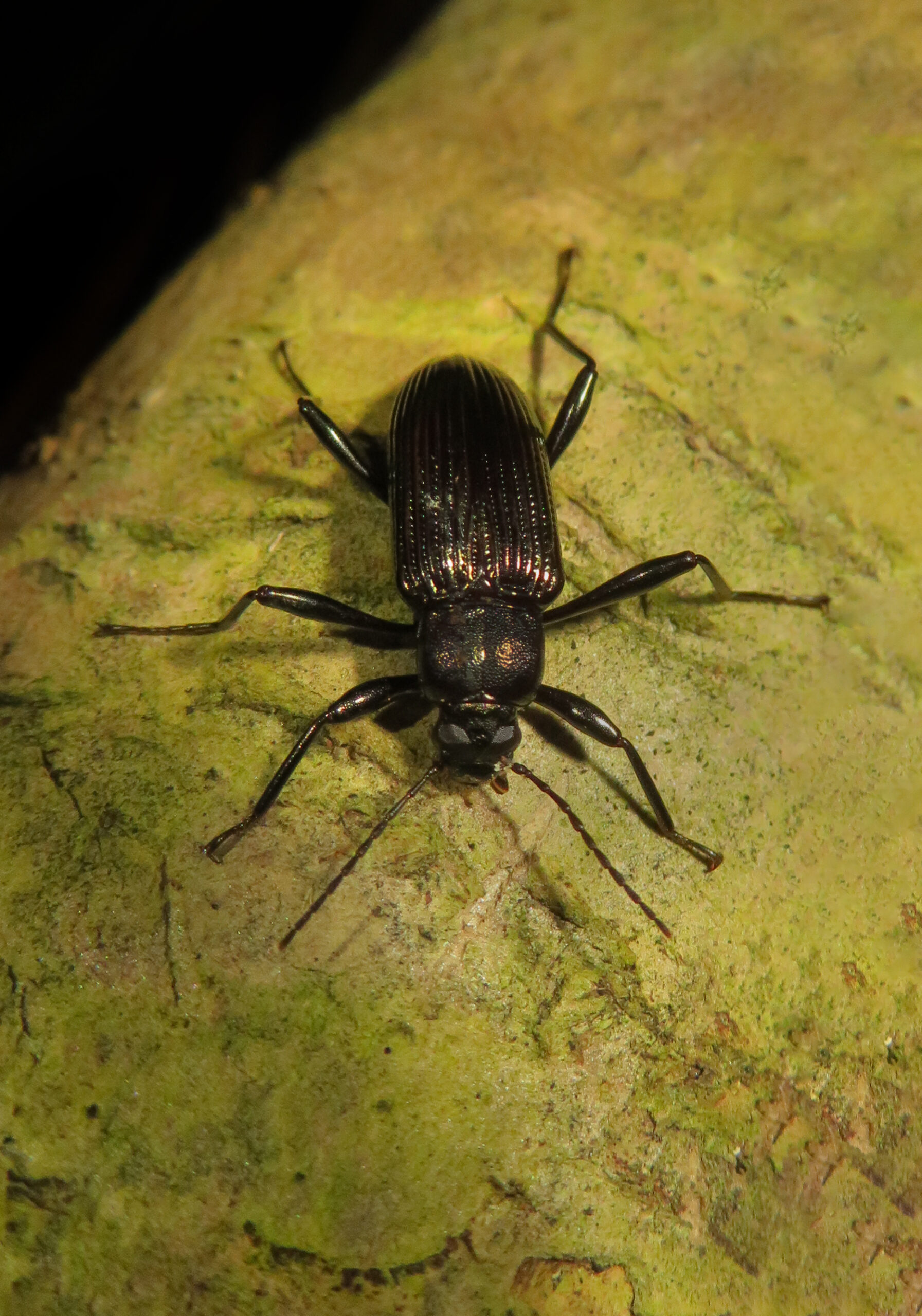
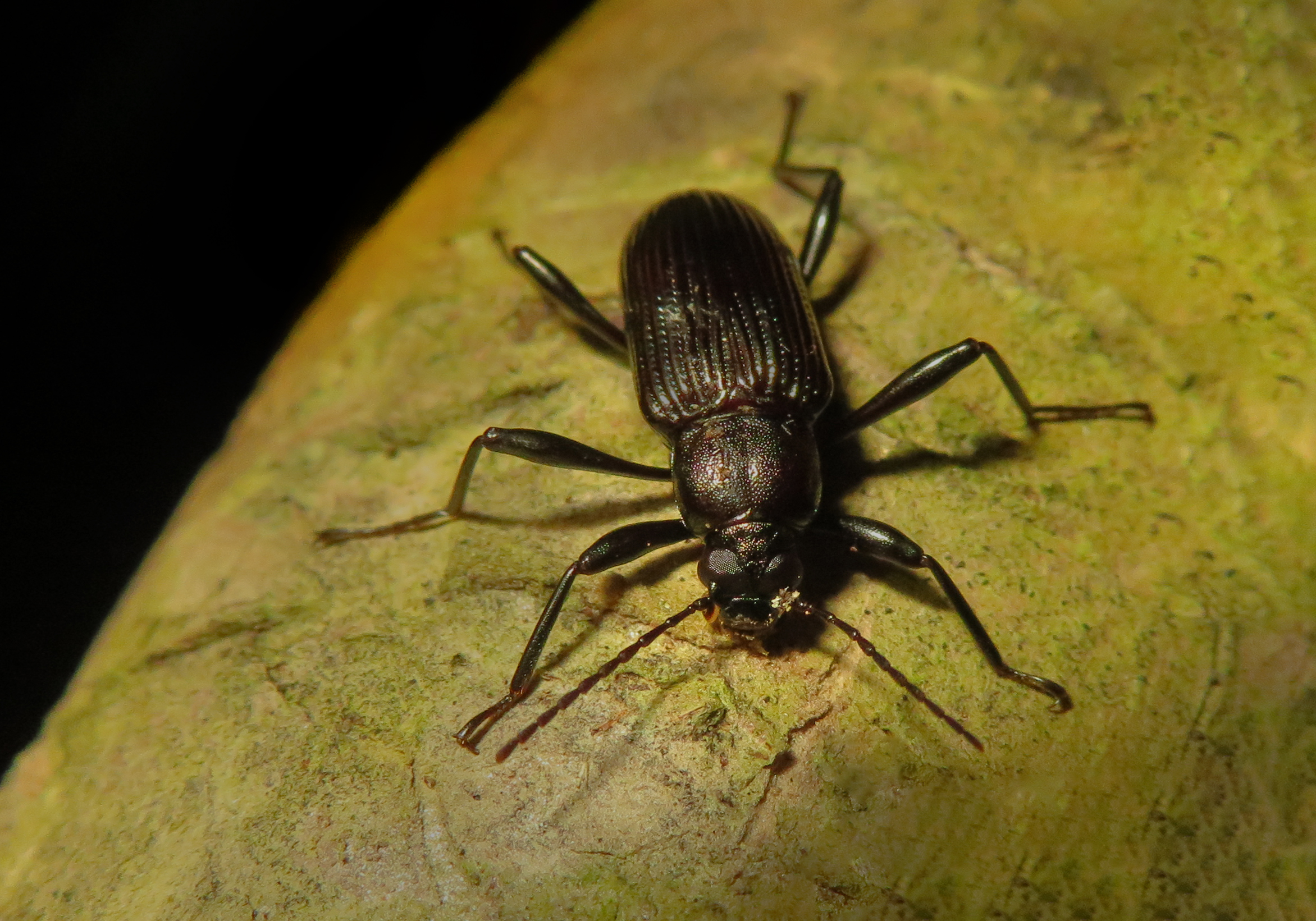
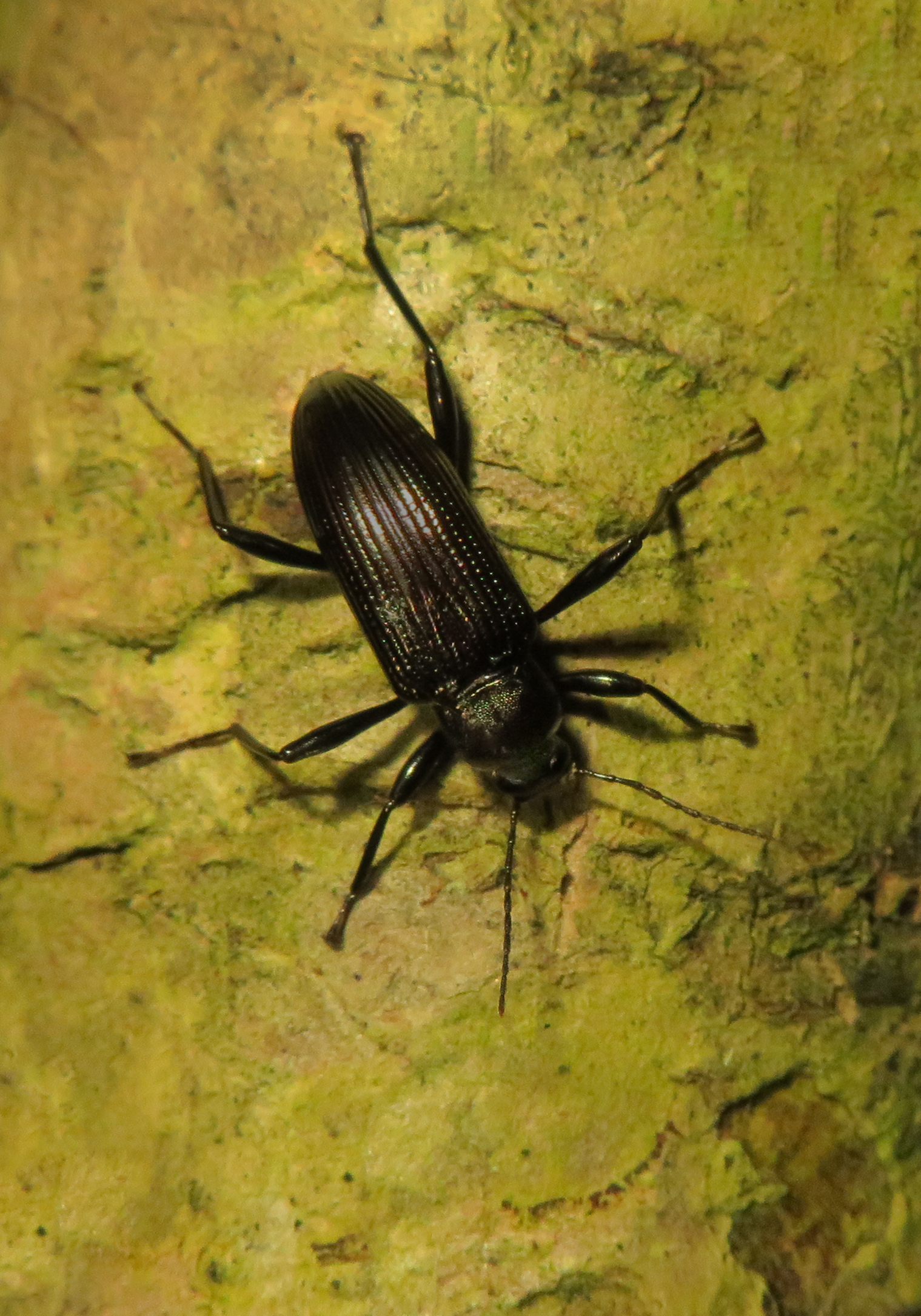
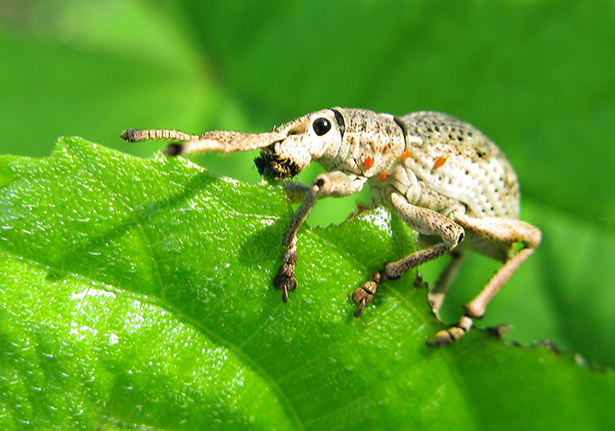
Hexapoda is a major subphylum of Arthropoda comprising invertebrate animals characterized by having six legs. This group includes the insects and several closely related, primarily wingless lineages. Hexapods are among the most diverse and ecologically successful animals on Earth, occupying nearly all terrestrial habitats, as well as some freshwater and marginal marine environments.
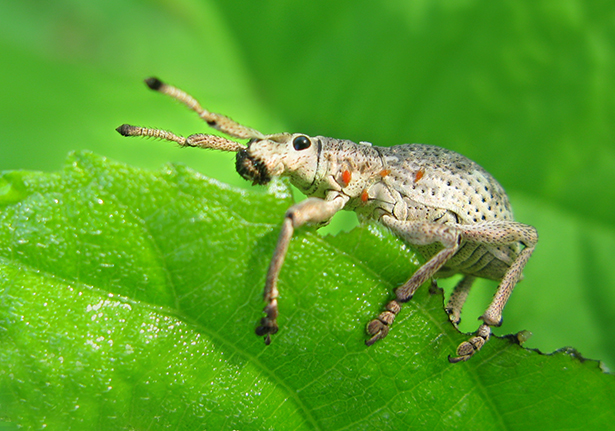
The body of a hexapod is typically divided into three distinct regions: the head, thorax, and abdomen. The head bears a single pair of antennae, compound eyes and/or simple ocelli, and specialized mouthparts adapted for various feeding strategies. The thorax consists of three segments, each bearing one pair of jointed legs; in insects, the thorax may also support one or two pairs of wings. The abdomen is usually segmented and contains most of the digestive and reproductive organs.
Hexapods possess a chitinous exoskeleton that must be periodically molted to allow growth. Respiration generally occurs through a tracheal system that delivers oxygen directly to body tissues, an adaptation that supports high levels of activity in many species. The circulatory system is open, and the nervous system is well developed, with a dorsal brain and ventral nerve cord.
Reproduction is predominantly sexual, and development may be direct or involve metamorphosis, ranging from ametabolous (no metamorphosis) to hemimetabolous and holometabolous life cycles. Subphylum Hexapoda is traditionally divided into several groups, including the class Insecta and non-insect hexapods such as Collembola, Protura, and Diplura. Collectively, hexapods play critical roles in ecosystems as pollinators, herbivores, predators, decomposers, and vectors, and they are of immense ecological and economic importance.