Bali Wildlife
Every Spices Matter


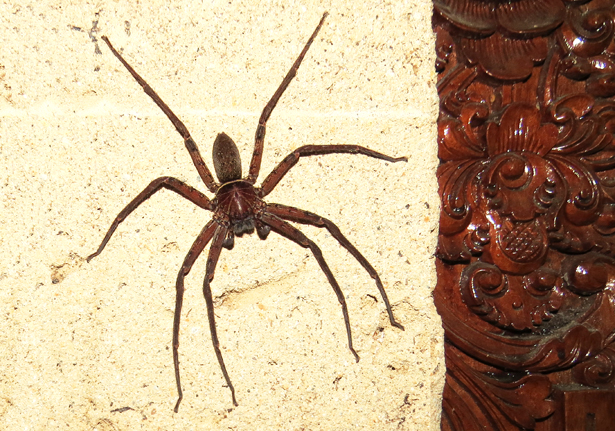
Heteropoda is a genus of huntsman spiders within the family Sparassidae and subfamily Heteropodinae. The genus is widely distributed across tropical and subtropical regions of Asia, Africa, Australia, and the Pacific islands, with some species extending into temperate areas. Species of Heteropoda inhabit a broad range of environments, including forests, plantations, caves, rocky habitats, and human dwellings, where they are commonly found on tree trunks, under bark, or on walls and ceilings.
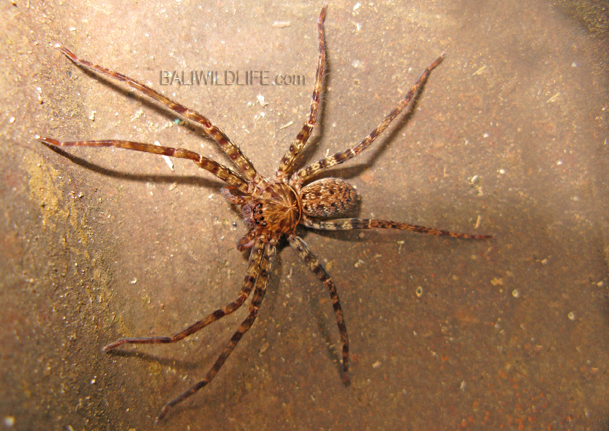
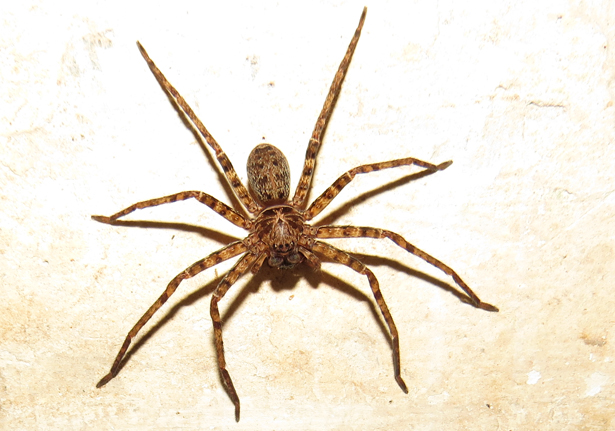
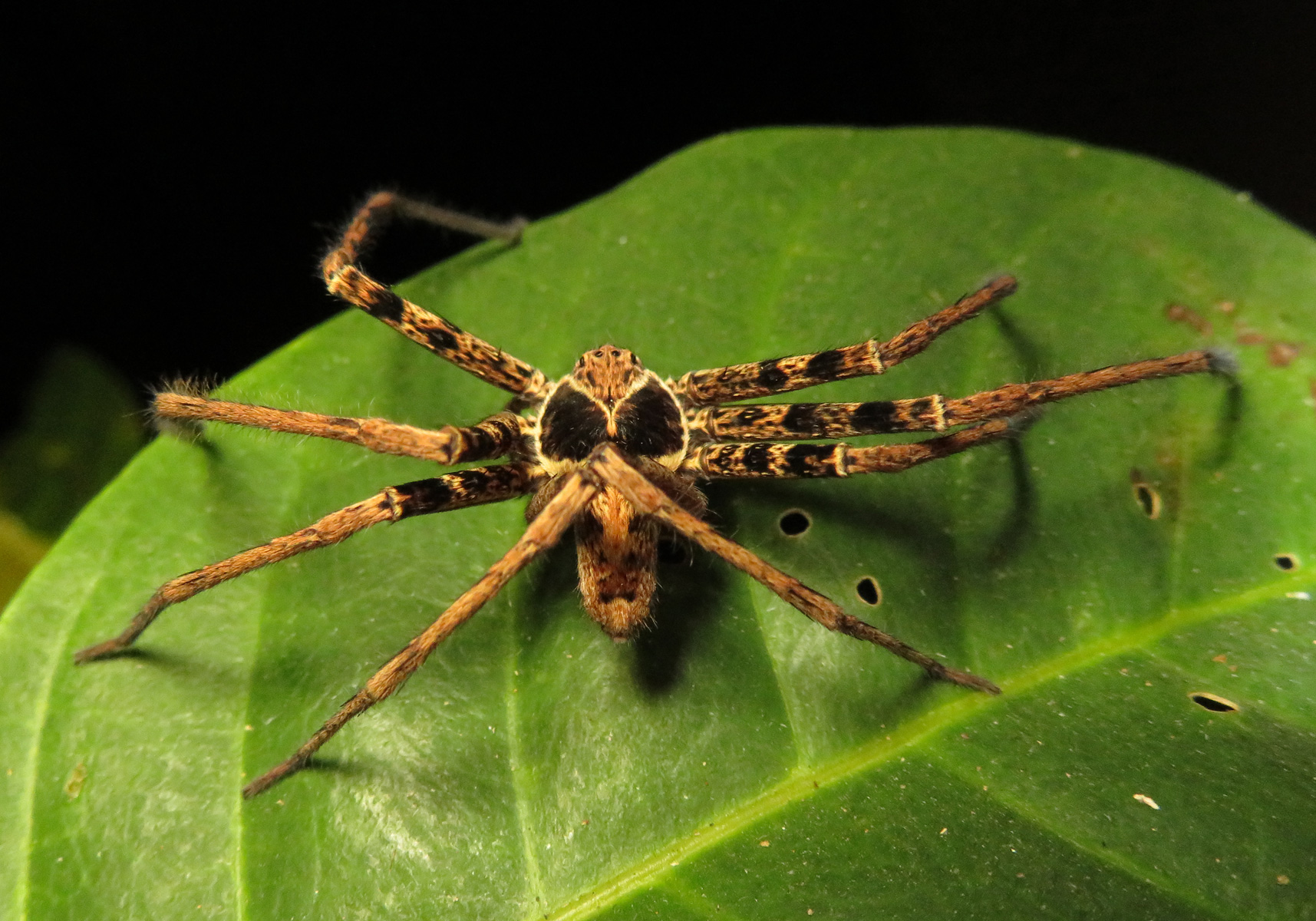
Members of the genus Heteropoda are large, fast-moving spiders characterized by their strongly laterigrade legs, which extend sideways in a crab-like manner. The body is dorsoventrally flattened, enabling individuals to hide in narrow crevices. Coloration is typically cryptic, consisting of shades of brown, gray, or tan, often with darker banding or mottled patterns that enhance camouflage.
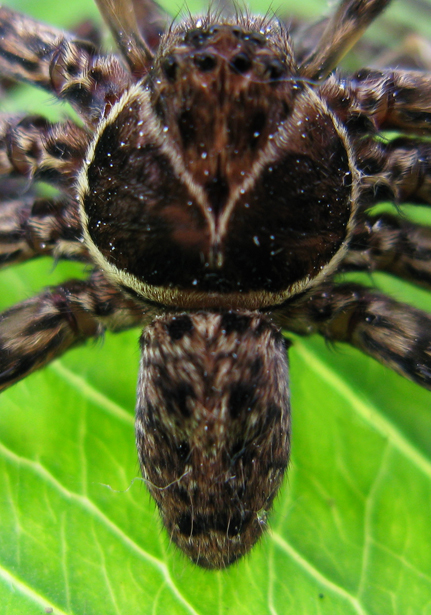
Morphologically, Heteropoda species possess a broad, flat cephalothorax and an oval to elongated abdomen. The legs are long, powerful, and adapted for rapid running rather than web construction. The eyes are arranged in two rows, with the anterior row slightly recurved. Species identification relies primarily on the structure of the male palpal organs and the female epigyne, which show distinctive forms within the genus.
Behaviorally, Heteropoda spiders are active, primarily nocturnal hunters. They do not build prey-capture webs but rely on speed, agility, and ambush tactics to capture insects and other arthropods, and occasionally small vertebrates. When threatened, individuals may flee rapidly or adopt a defensive posture with legs spread wide.
Ecologically, species of Heteropoda are important predators in both natural and human-modified ecosystems, contributing to the control of insect populations. Due to their large size and frequent presence in houses, Heteropoda spiders are among the most familiar and recognizable huntsman spiders worldwide.