Bali Wildlife
Every Spices Matter


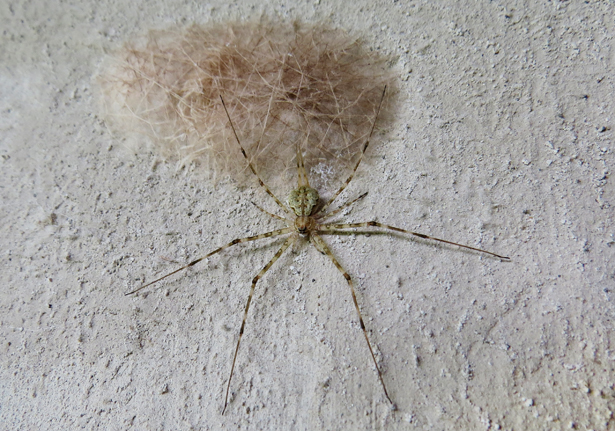
Hersiliidae is a family of araneomorph spiders commonly known as two-tailed spiders, belonging to the superfamily Oecobioidea (Order Araneae). The family is widely distributed in tropical and subtropical regions of Africa, Asia, Australia, and the Americas, with a few species extending into temperate areas. Members of Hersiliidae are most often found on tree trunks, rocks, and walls, where their morphology and behavior are well adapted to life on flat surfaces.
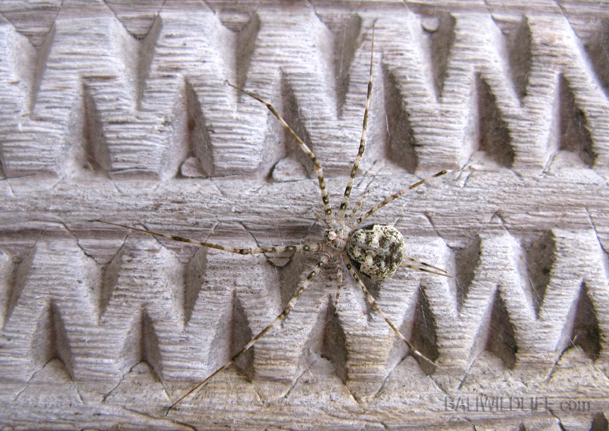
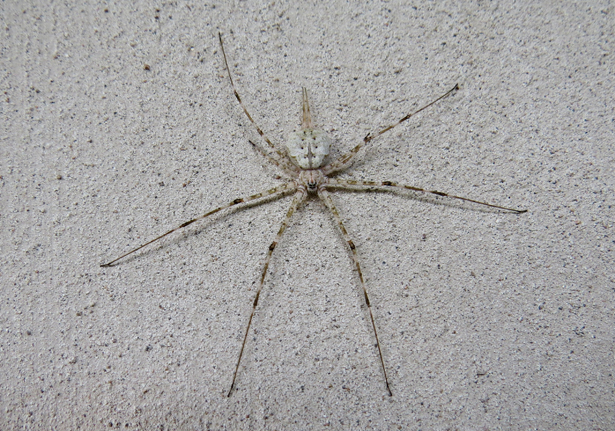
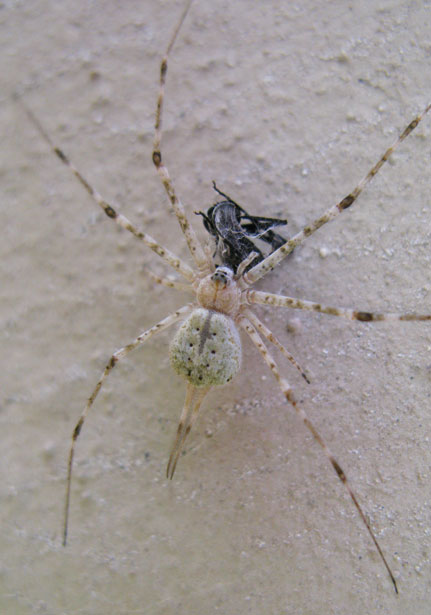
Spiders of the family Hersiliidae are medium-sized and easily recognized by their extremely long posterior spinnerets, which appear as two tail-like appendages extending well beyond the abdomen. The body is generally flattened and broad, allowing individuals to cling closely to the substrate. Coloration is typically cryptic, consisting of browns, grays, and mottled patterns that blend with bark or stone.
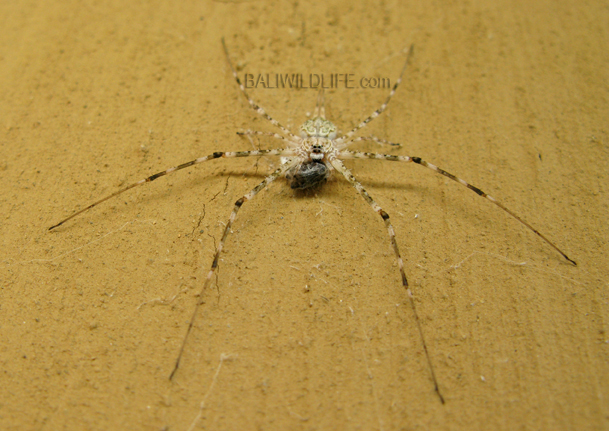
Morphologically, hersiliids have a low cephalothorax, a rounded to oval abdomen, and long, laterigrade legs that radiate outward, giving them a crab-like stance. The elongated spinnerets are used to rapidly wrap silk around prey. As in other spider families, diagnostic characters for identification are found in the structure of the male palpal organs and the female epigyne.
Behaviorally, Hersiliidae are active, visually oriented hunters rather than web builders. When prey is detected, the spider rapidly circles it while releasing silk from the long spinnerets, effectively immobilizing the prey before delivering a bite. They are primarily nocturnal or crepuscular, resting motionless and well camouflaged on tree trunks or walls during the day.
Ecologically, hersiliid spiders are effective predators of insects and other small arthropods and play a role in controlling insect populations in arboreal and rocky habitats. Their distinctive morphology and unique hunting behavior make Hersiliidae one of the most recognizable and specialized families within the araneomorph spiders.