

Genus Henosepilachna
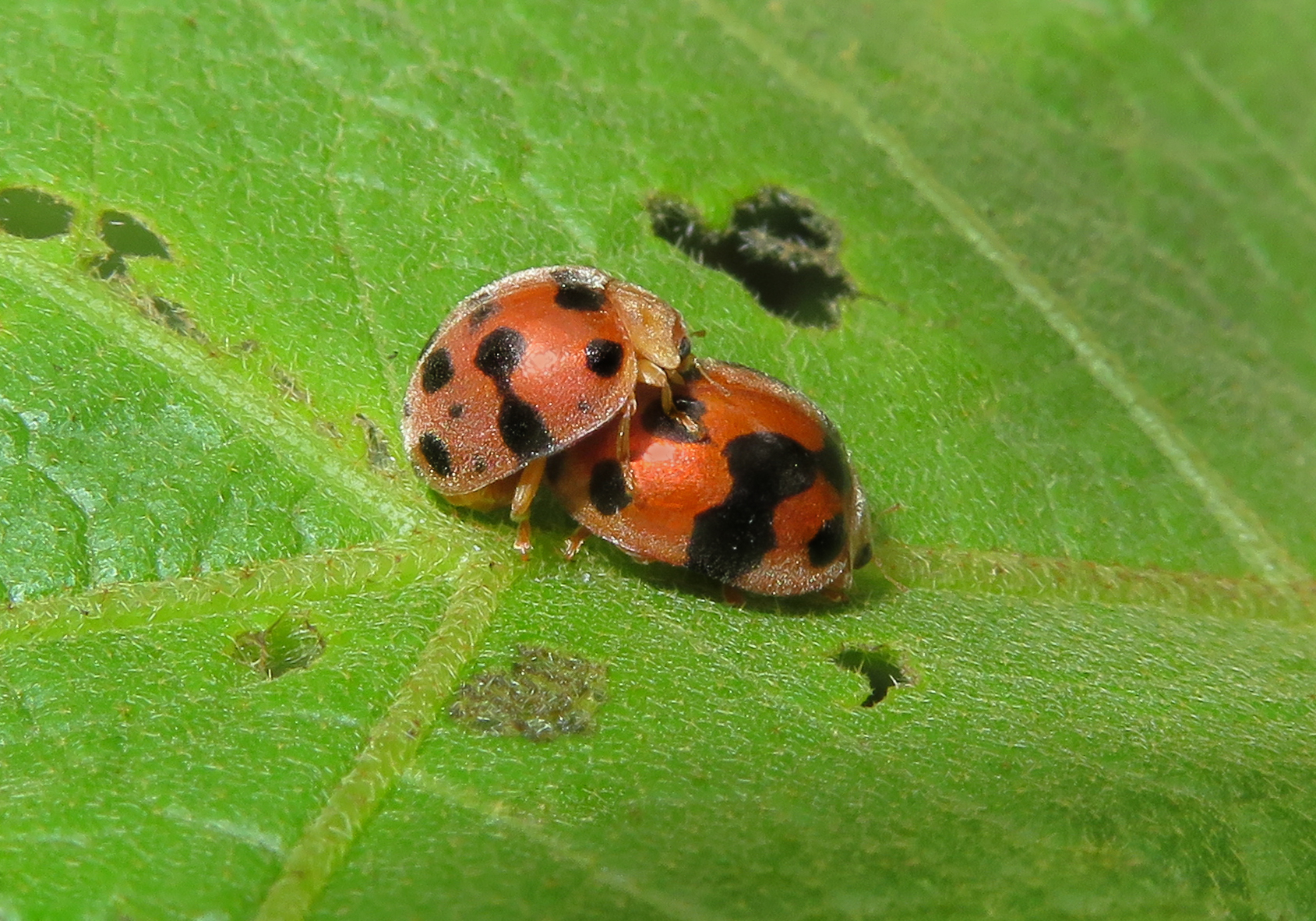
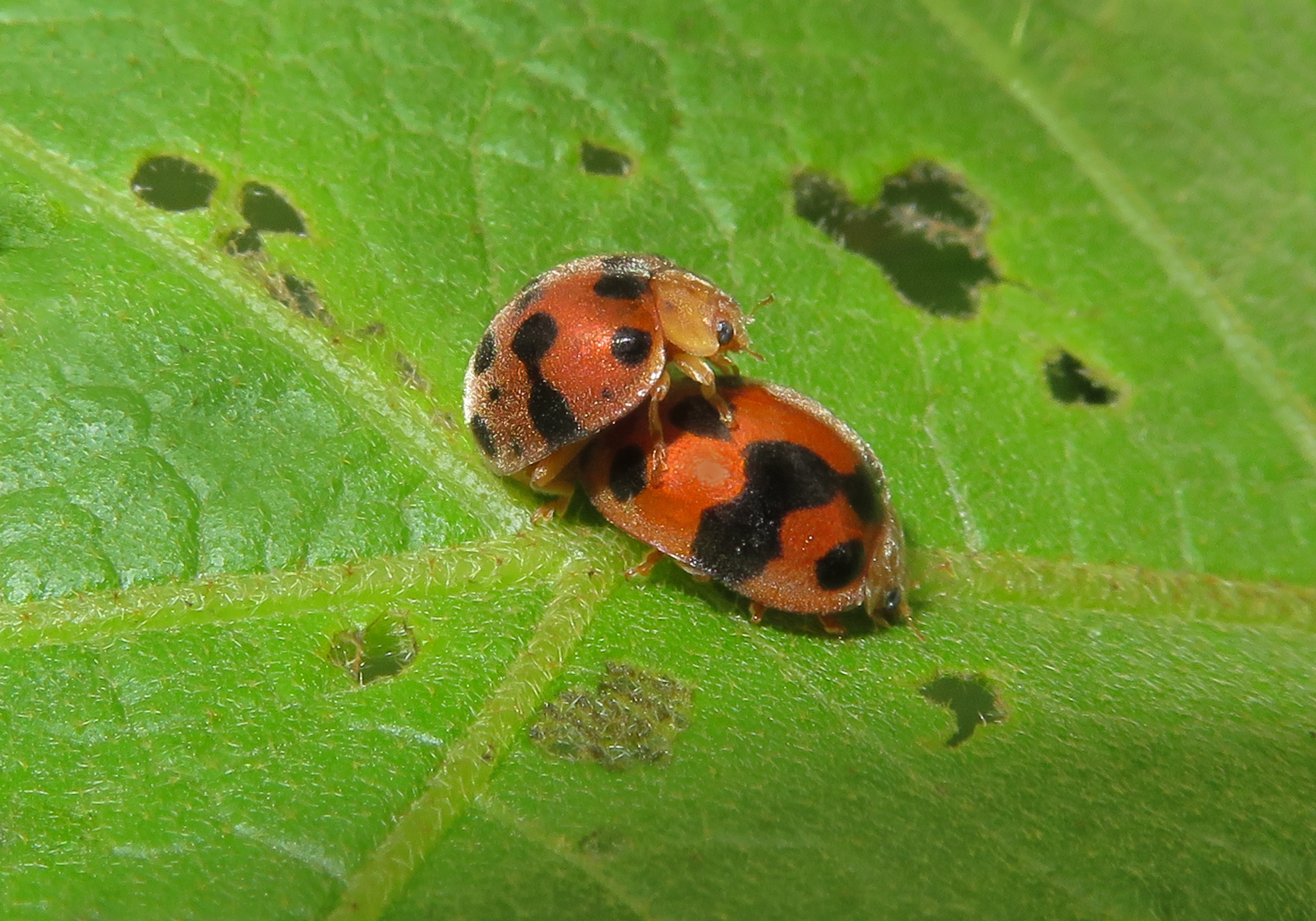
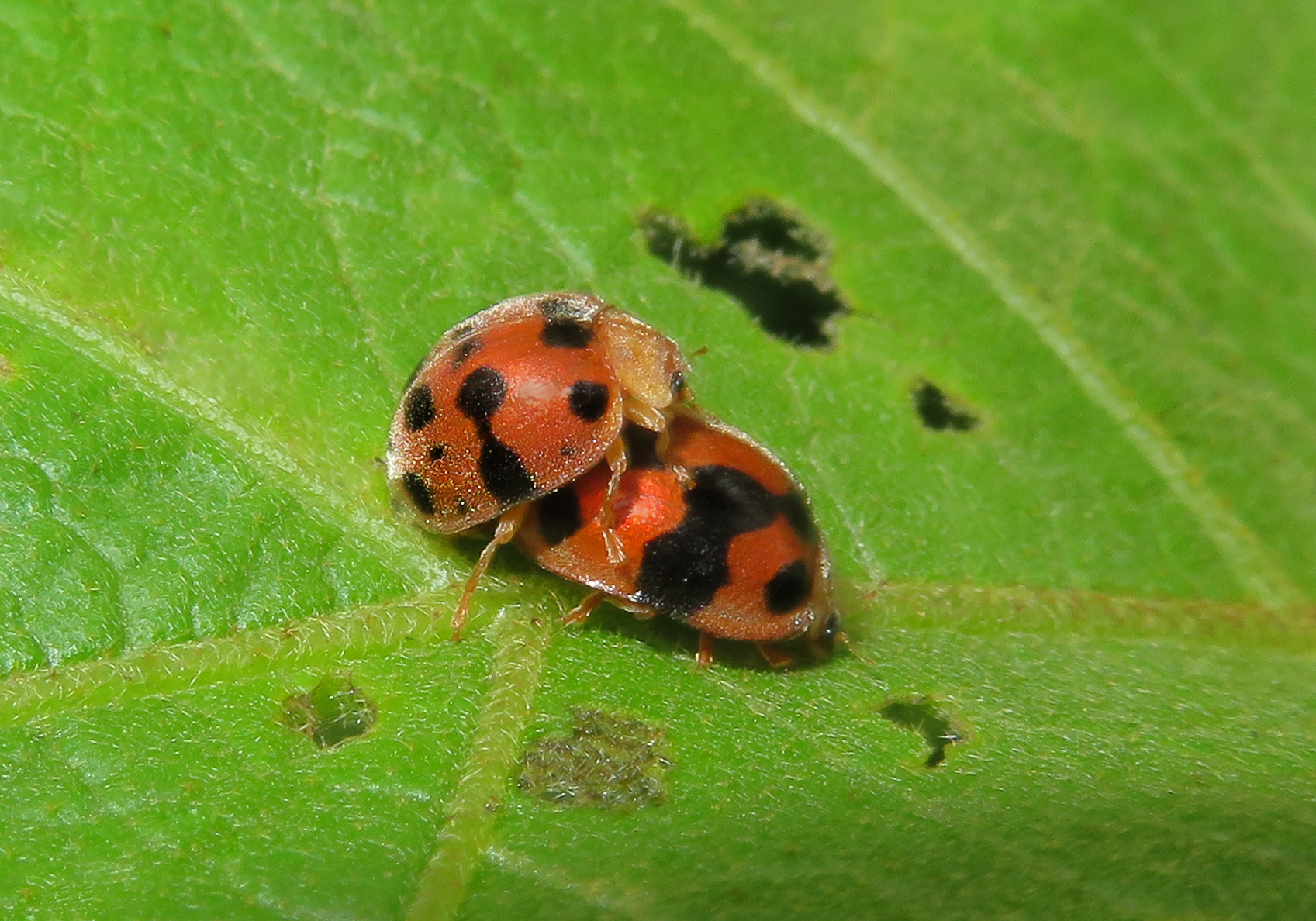
Henosepilachna is a genus of herbivorous ladybird beetles within the tribe Epilachnini (Subfamily Epilachninae, Family Coccinellidae, Order Coleoptera). Unlike the majority of ladybird beetles, which are predators of aphids and other soft-bodied insects, species of Henosepilachna feed primarily on plants. The genus is widely distributed throughout Asia, Africa, Australia, and parts of the Pacific, where its members occur in forests, agricultural fields, gardens, grasslands, and disturbed habitats.
Beetles of the genus Henosepilachna are generally small to medium-sized with the rounded, dome-shaped body typical of ladybird beetles. Their coloration varies among species but commonly includes shades of yellow, orange, reddish-brown, or brown, often decorated with black spots or other markings on the wing covers (elytra). The body is usually covered with fine hairs, giving many species a slightly velvety appearance.
Both adults and larvae are herbivorous. They feed by scraping and consuming leaf tissue, often leaving behind a network of leaf veins, a feeding pattern known as skeletonization. Host plants belong to several families, especially Solanaceae (nightshades), Cucurbitaceae (gourds), Fabaceae (legumes), and Asteraceae (daisies). Several species are recognized as economically important pests of cultivated crops such as eggplant, potato, pumpkin, melon, cucumber, and beans.
The life cycle follows complete metamorphosis with four stages: egg, larva, pupa, and adult. Females lay clusters of yellow eggs on the underside of host plant leaves. The larvae are soft-bodied and covered with branched spines, which provide protection against predators. Pupation occurs on the host plant, and adults emerge after completing development.
The genus includes numerous species, such as Henosepilachna vigintioctopunctata (the 28-spotted ladybird) and Henosepilachna pusillanima, both of which are well known as agricultural pests in Asia.
Ecologically, Henosepilachna species play an important role as herbivores, influencing plant growth and contributing to plant–insect interactions. They also serve as prey for birds, spiders, predatory insects, and parasitoids. Although several species are considered crop pests, they remain integral components of terrestrial ecosystems and contribute to overall biodiversity.