Bali Wildlife
Every Spices Matter


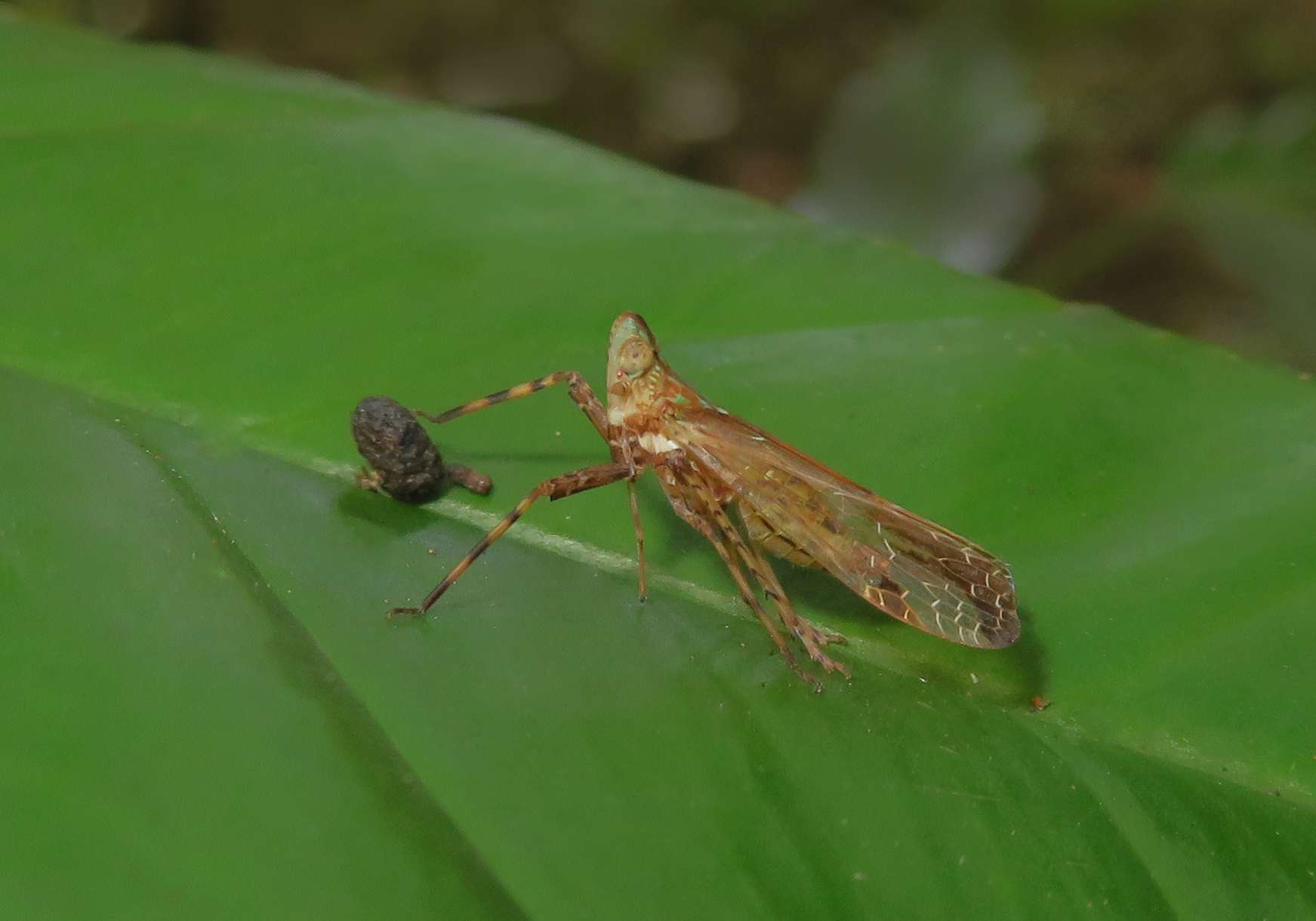
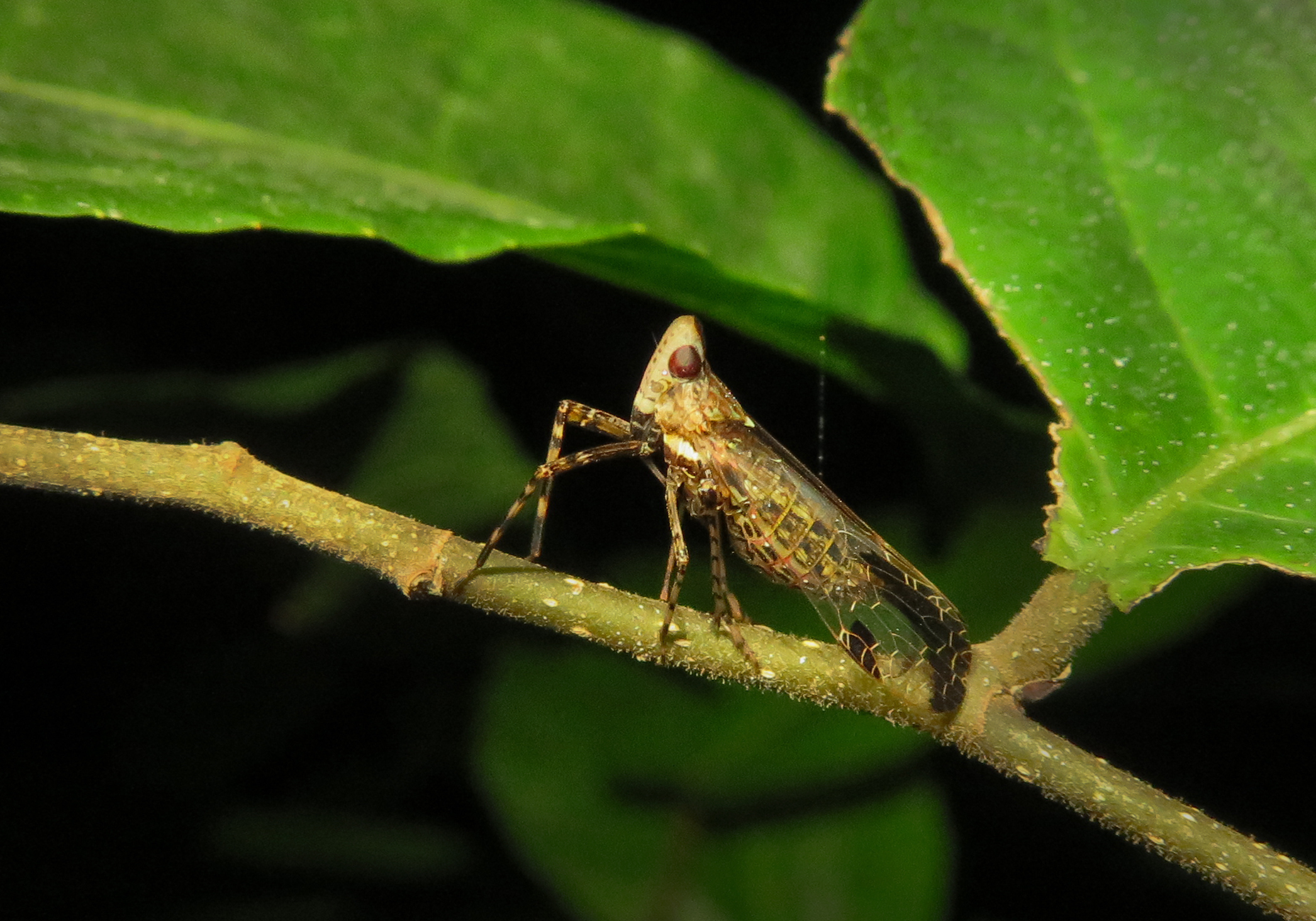
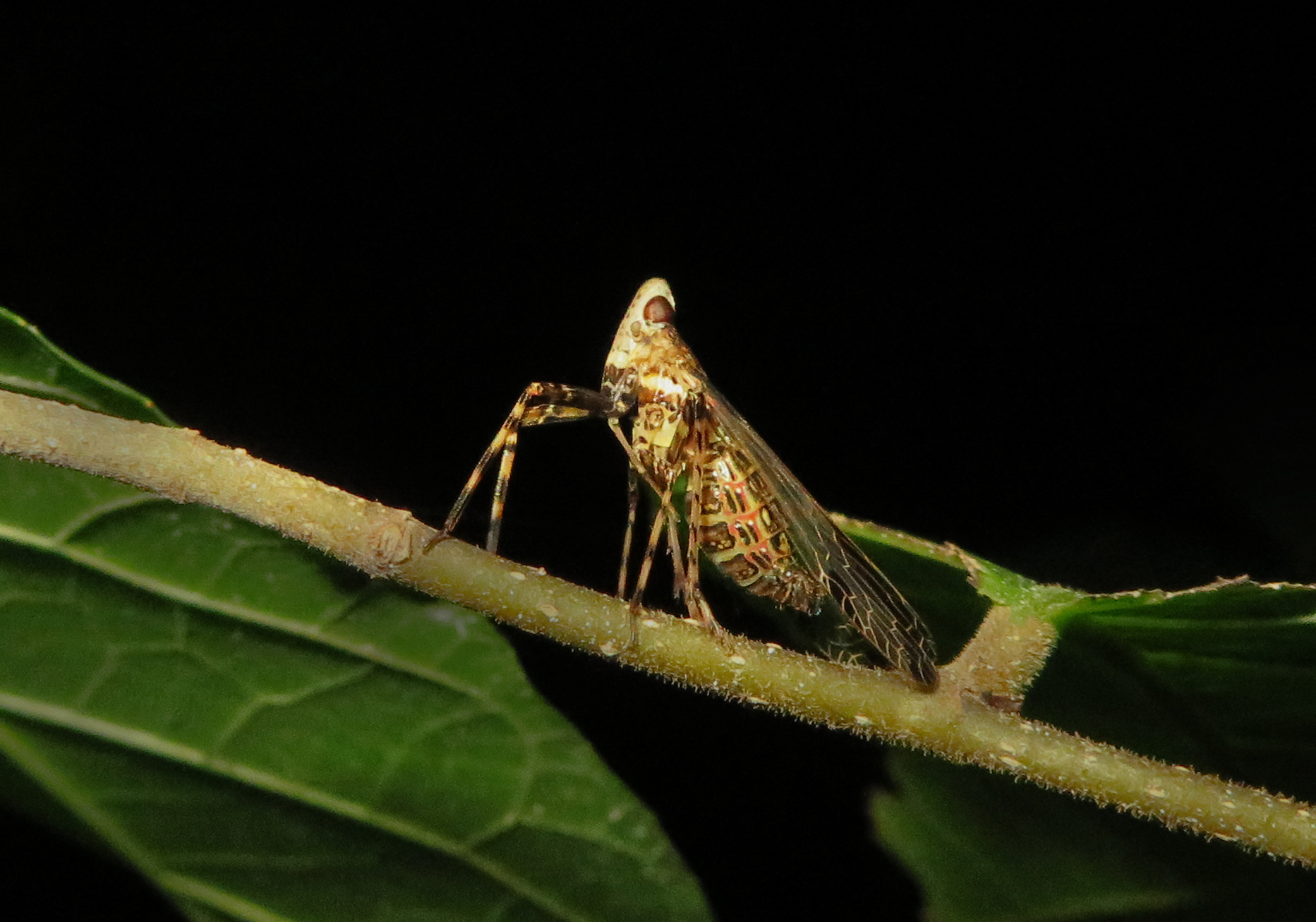
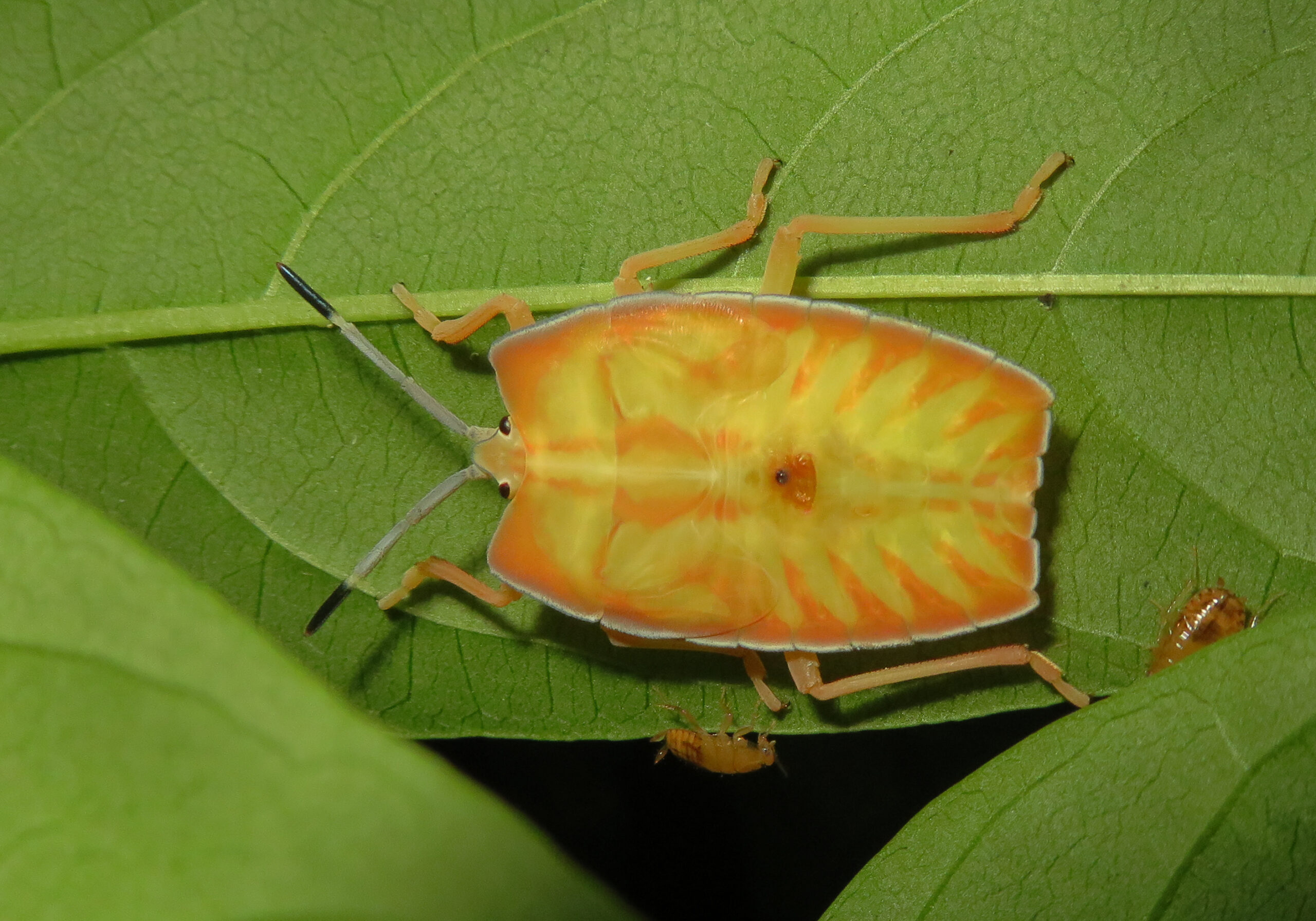
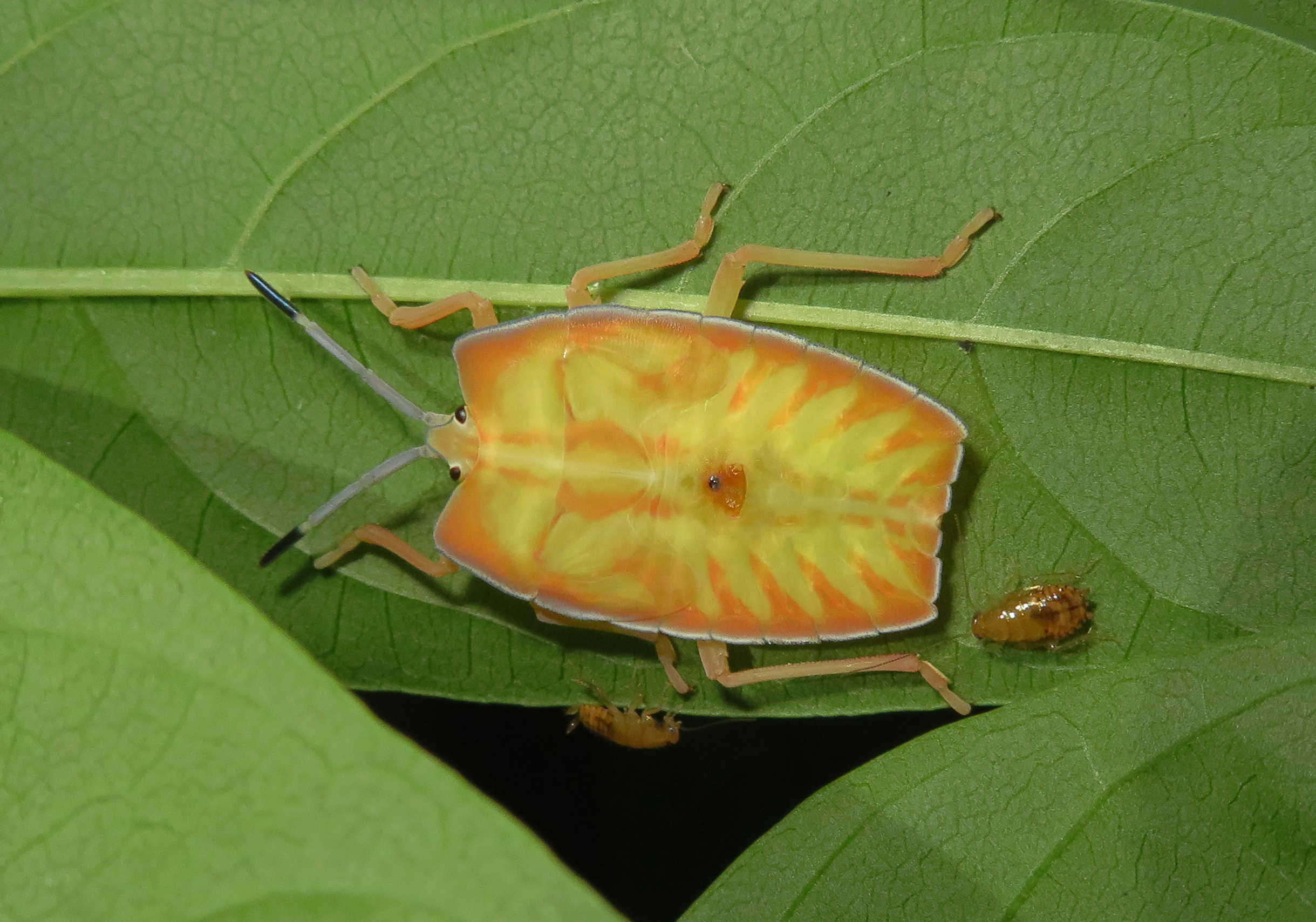
Hemiptera, commonly known as true bugs, is a large and diverse order of insects characterized by specialized piercing–sucking mouthparts adapted for feeding on fluids. These mouthparts form a jointed beak, or rostrum, which is used to extract plant sap, animal blood, or the body fluids of other insects. Members of Hemiptera are widely distributed and occupy terrestrial, freshwater, and, in a few cases, marine-associated habitats.
The body of a hemipteran is typically divided into the head, thorax, and abdomen. The head bears compound eyes, often ocelli, and a single pair of antennae. In many groups, the forewings are modified into hemelytra, in which the basal portion is thickened and leathery while the apical portion is membranous; in others, the wings may be entirely membranous or reduced. When at rest, the wings are usually held flat over the abdomen.
Hemiptera undergo incomplete metamorphosis (hemimetaboly), developing through egg, nymph, and adult stages. Nymphs generally resemble smaller, wingless versions of adults and share similar feeding habits. Respiration occurs through a tracheal system, and the circulatory system is open, as in other insects.
Ecologically, hemipterans fulfill a wide range of roles. Many species are important herbivores and sap feeders, including aphids, cicadas, and leafhoppers, while others are predators or parasites that help regulate insect populations. Some species are significant agricultural pests and vectors of plant diseases, whereas others are beneficial as biological control agents. Major groups within Hemiptera include Heteroptera (true bugs), Auchenorrhyncha (cicadas, leafhoppers, planthoppers), and Sternorrhyncha (aphids, whiteflies, scale insects), reflecting the order’s considerable morphological and ecological diversity.