Bali Wildlife
Every Spices Matter


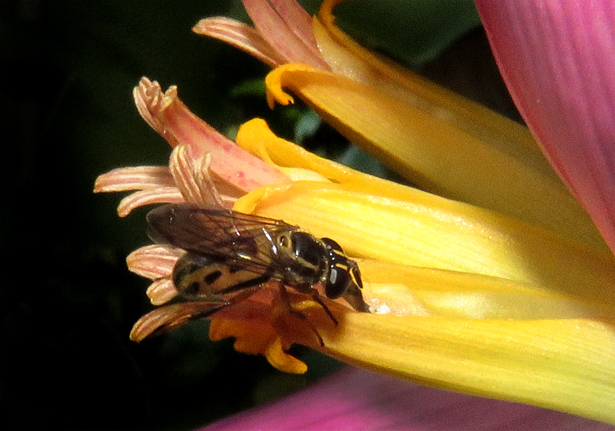
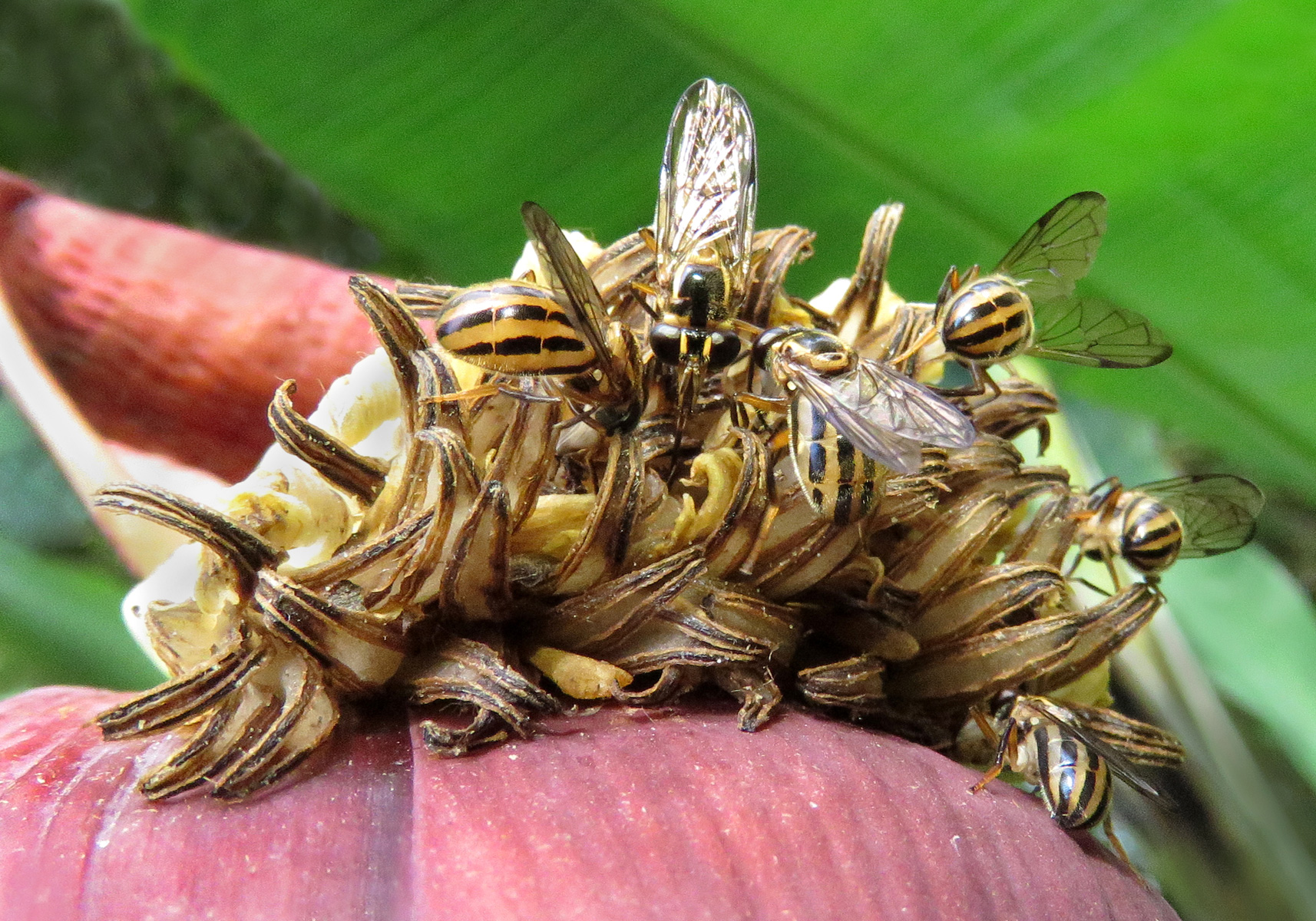
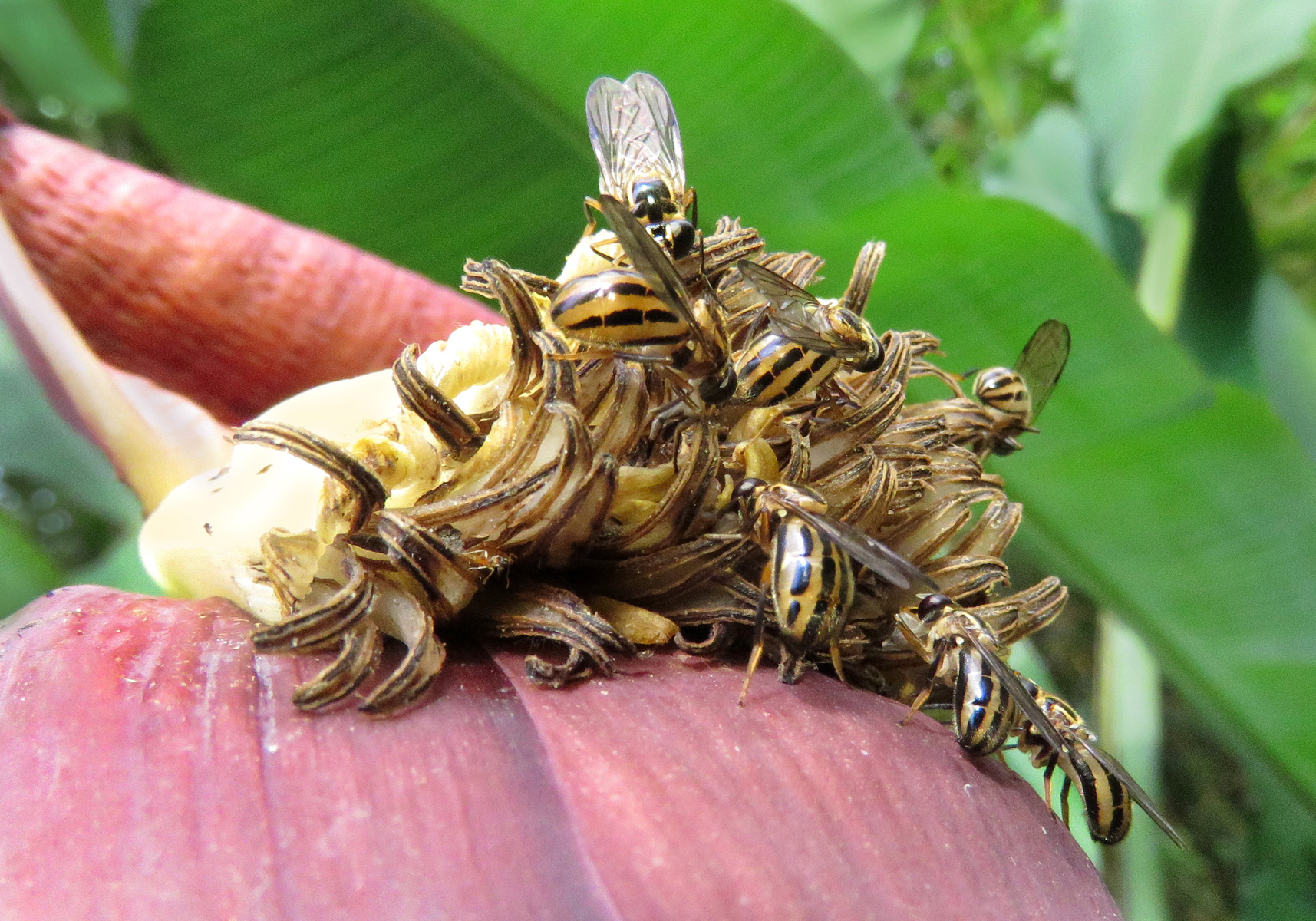
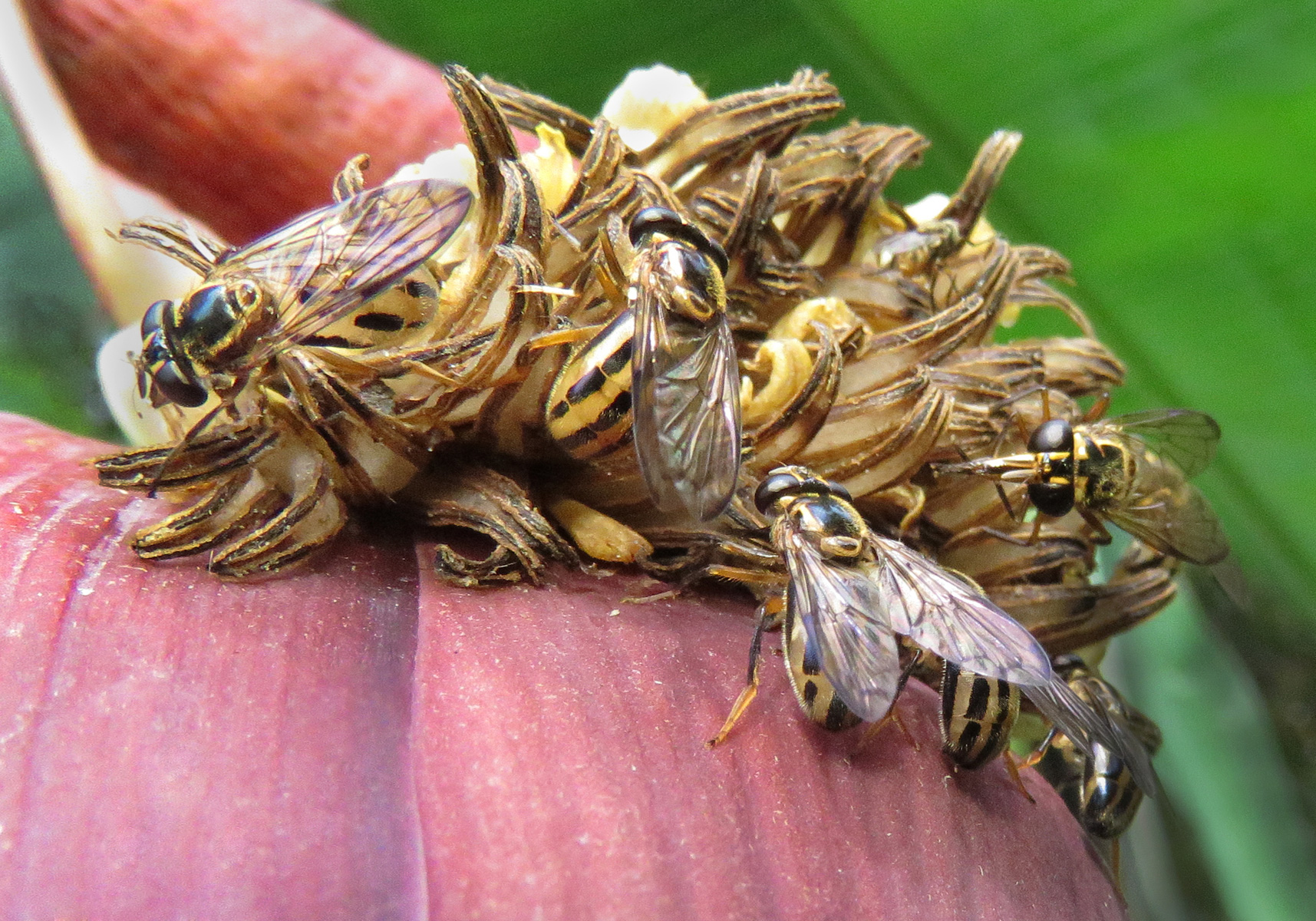
Graptomyza is a genus of hoverflies within the tribe Volucellini (Subfamily Eristalinae, Family Syrphidae, Order Diptera). The genus is primarily distributed in tropical and subtropical regions, especially in Southeast Asia, including Indonesia, Malaysia, Thailand, and surrounding areas. Species of Graptomyza are commonly found in forested habitats, gardens, and areas with abundant flowering plants.
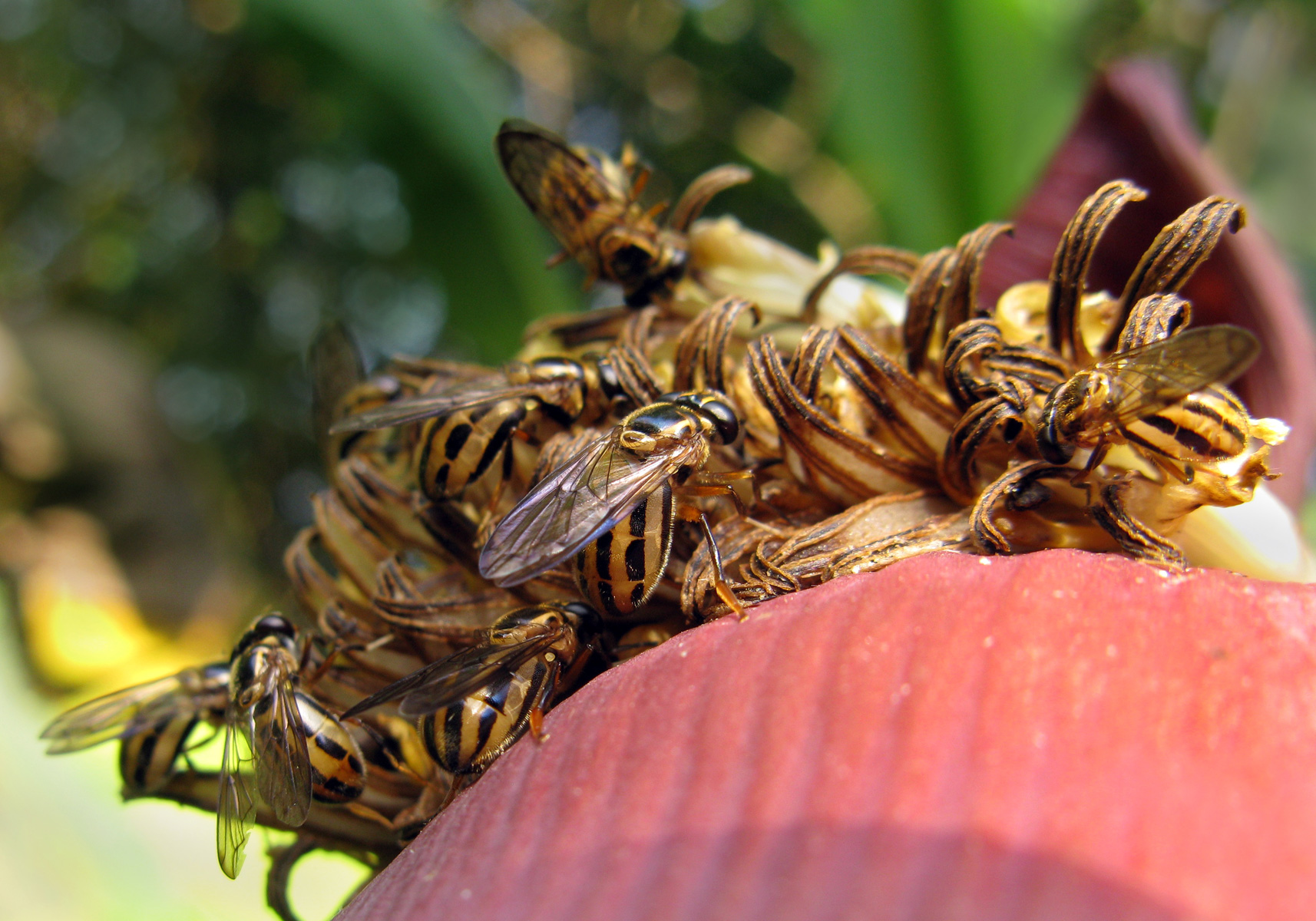
Members of the genus Graptomyza are generally small to medium-sized hoverflies with a slender and often elongated body. They typically display striking black-and-yellow banded patterns, closely resembling wasps or bees. This mimicry provides effective protection from predators. Compared to more robust hoverflies, Graptomyza species often have a more delicate and narrow appearance.
The head is relatively large, with well-developed compound eyes and short antennae bearing an arista. Wings are clear or lightly tinted, and adults are capable of agile hovering flight. They are frequently observed visiting flowers, where they feed on nectar and pollen, contributing to pollination.
The life cycle involves complete metamorphosis. While detailed information on many species is limited, larvae of Volucellini are often associated with decaying organic material or the nests of social insects such as bees or wasps. In these environments, they may act as scavengers, predators, or parasitoids, depending on the species.
Ecologically, Graptomyza plays an important role as a pollinator in tropical ecosystems, while its larvae contribute to decomposition or participate in complex ecological interactions within insect nests. Their distinctive coloration, mimicry, and ecological functions make them a notable genus within the hoverflies.