Bali Wildlife
Every Spices Matter


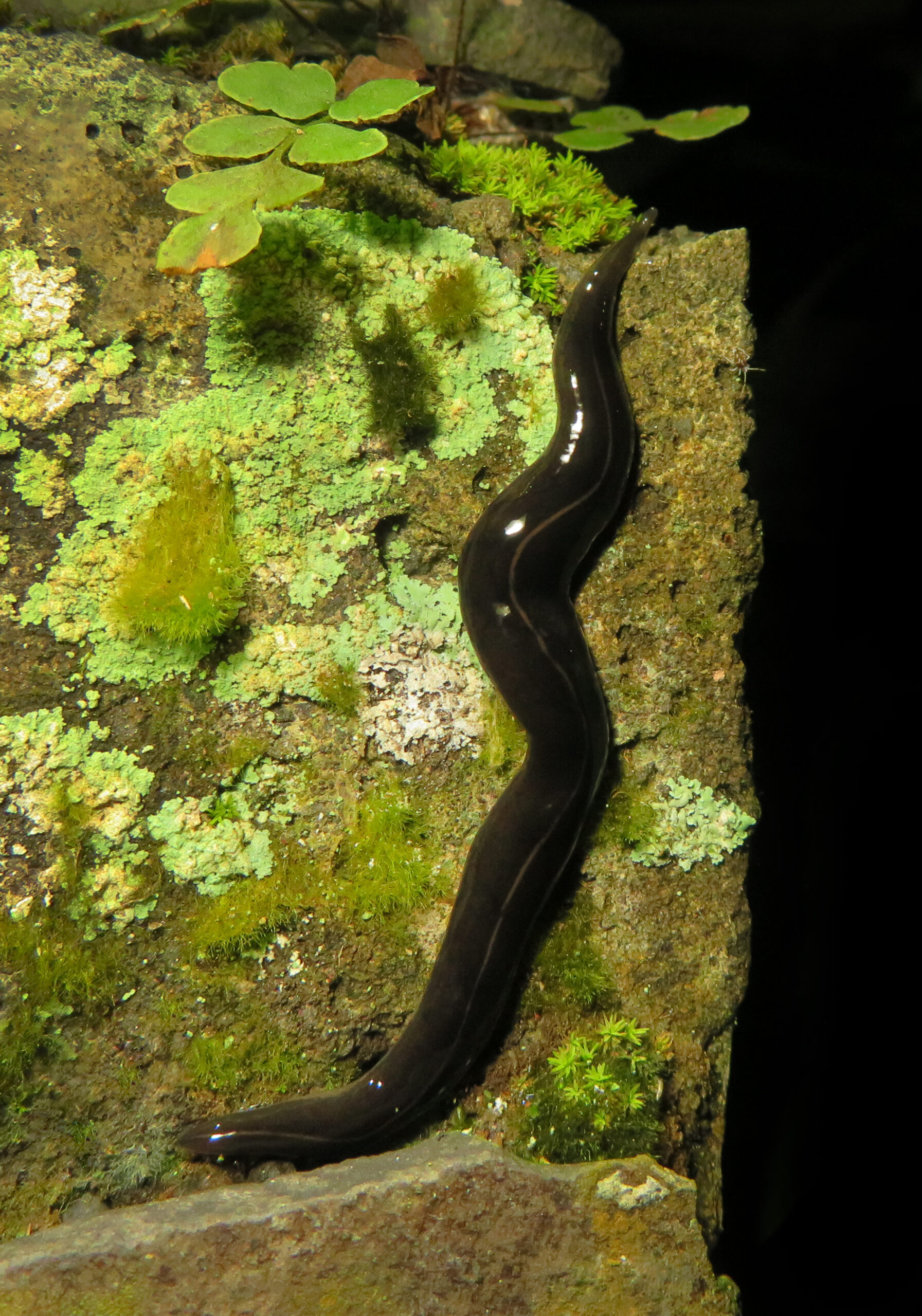
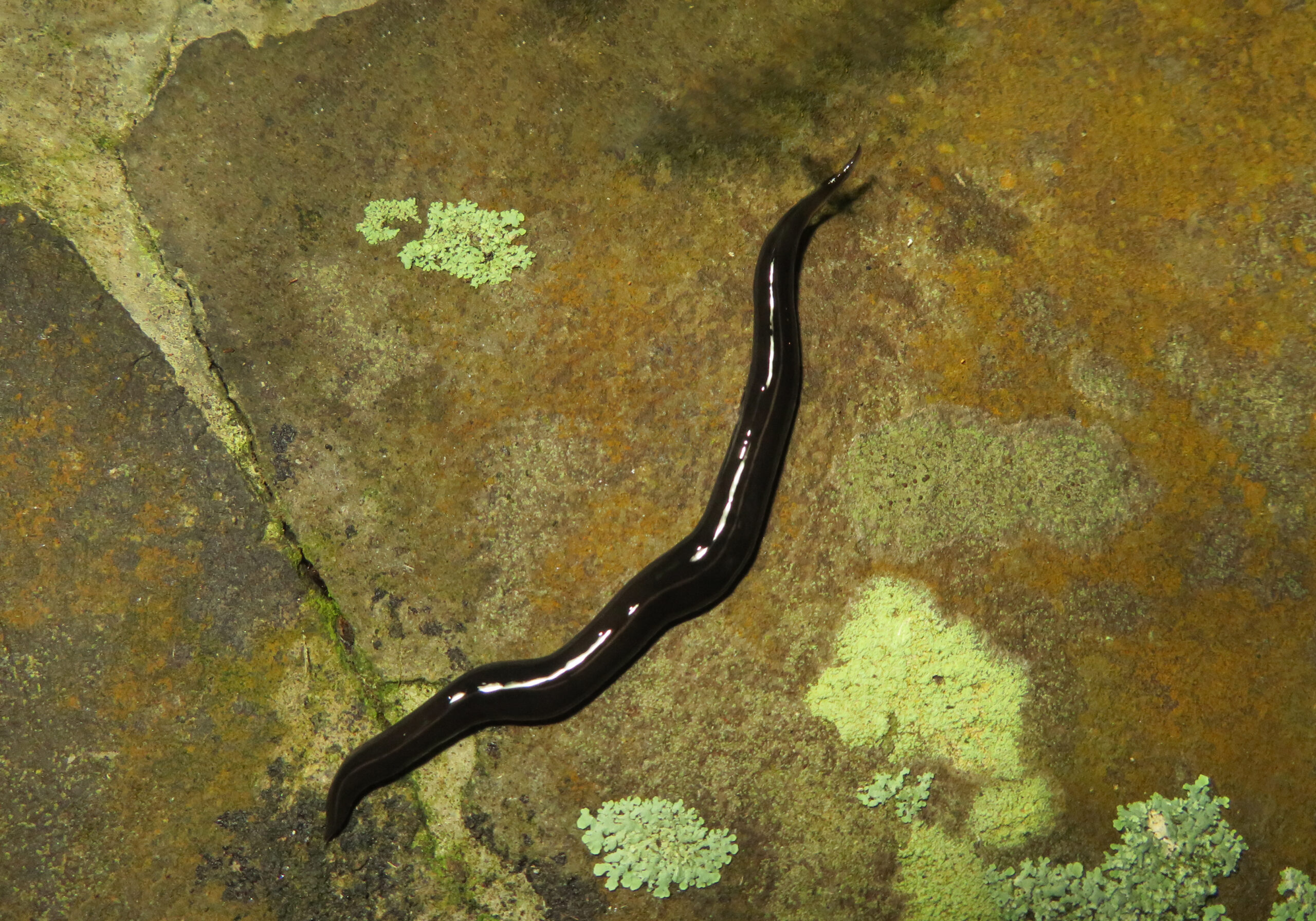
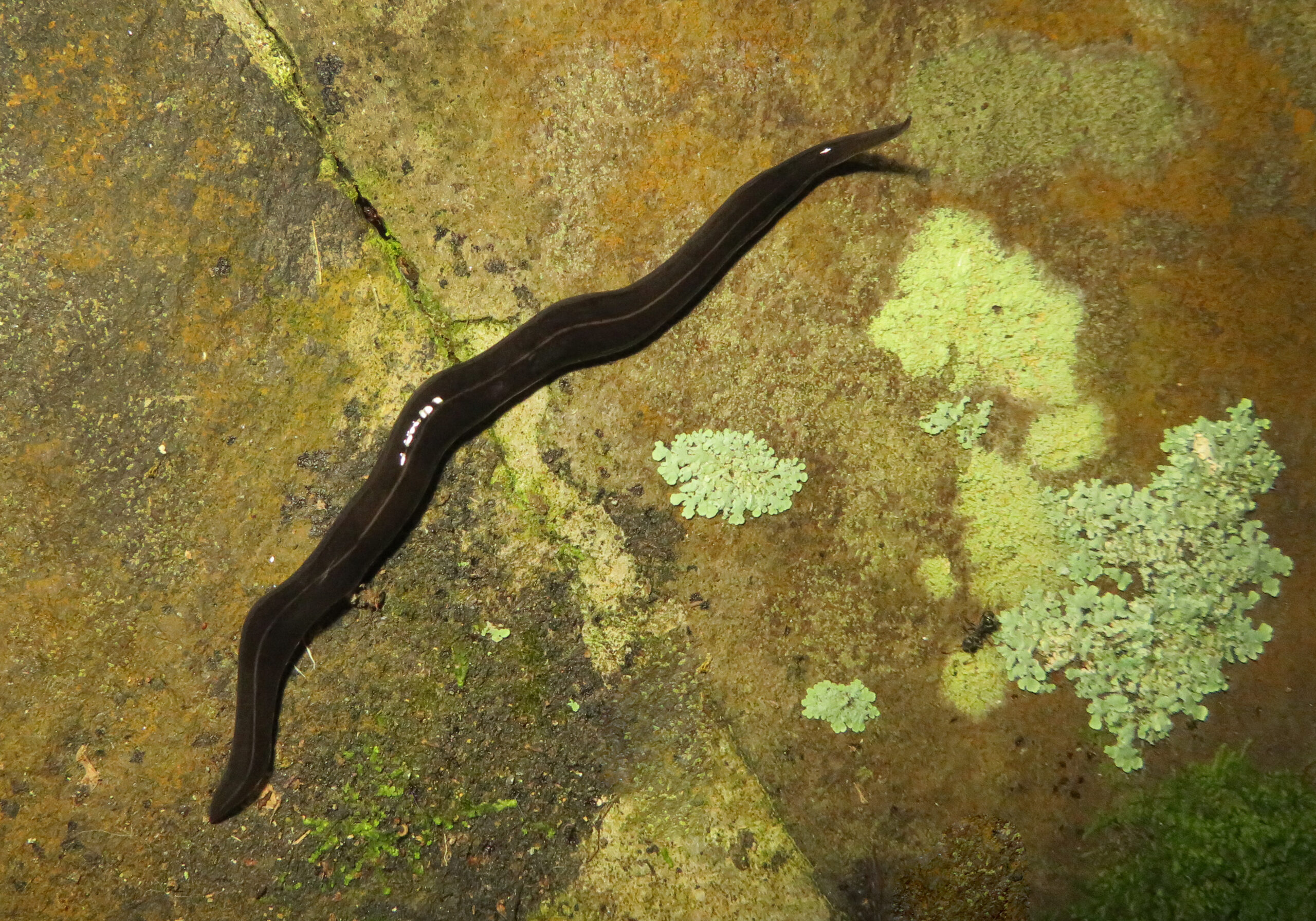
Geoplanoidea is a superfamily of terrestrial planarians within the suborder Continenticola, order Tricladida, belonging to the subphylum Rhabditophora of the phylum Platyhelminthes. Members of this superfamily are commonly referred to as land planarians.
Geoplanoidea species are fully adapted to terrestrial life and are typically found in humid tropical and subtropical environments, although some occur in temperate regions. They inhabit forest floors, leaf litter, soil, and other moist microhabitats where humidity remains high.
Morphologically, they possess elongated, dorsoventrally flattened bodies with a distinct head region that may be triangular or semicircular in shape. The head usually bears numerous eyes arranged along the margins or dorsal surface. Their epidermis produces mucus that facilitates locomotion and helps prevent desiccation.
Like other triclads, members of Geoplanoidea have a three-branched intestine and lack circulatory and respiratory systems. They rely on diffusion for gas exchange. Most species are active predators, feeding on earthworms, mollusks, and other small invertebrates. Some species are known to be invasive outside their native range and may impact local soil fauna.
Reproduction is generally sexual, and most species are hermaphroditic with complex reproductive anatomy. Some may also reproduce asexually in certain conditions. Ecologically, Geoplanoidea play an important role in regulating invertebrate populations within terrestrial ecosystems.