Bali Wildlife
Every Spices Matter


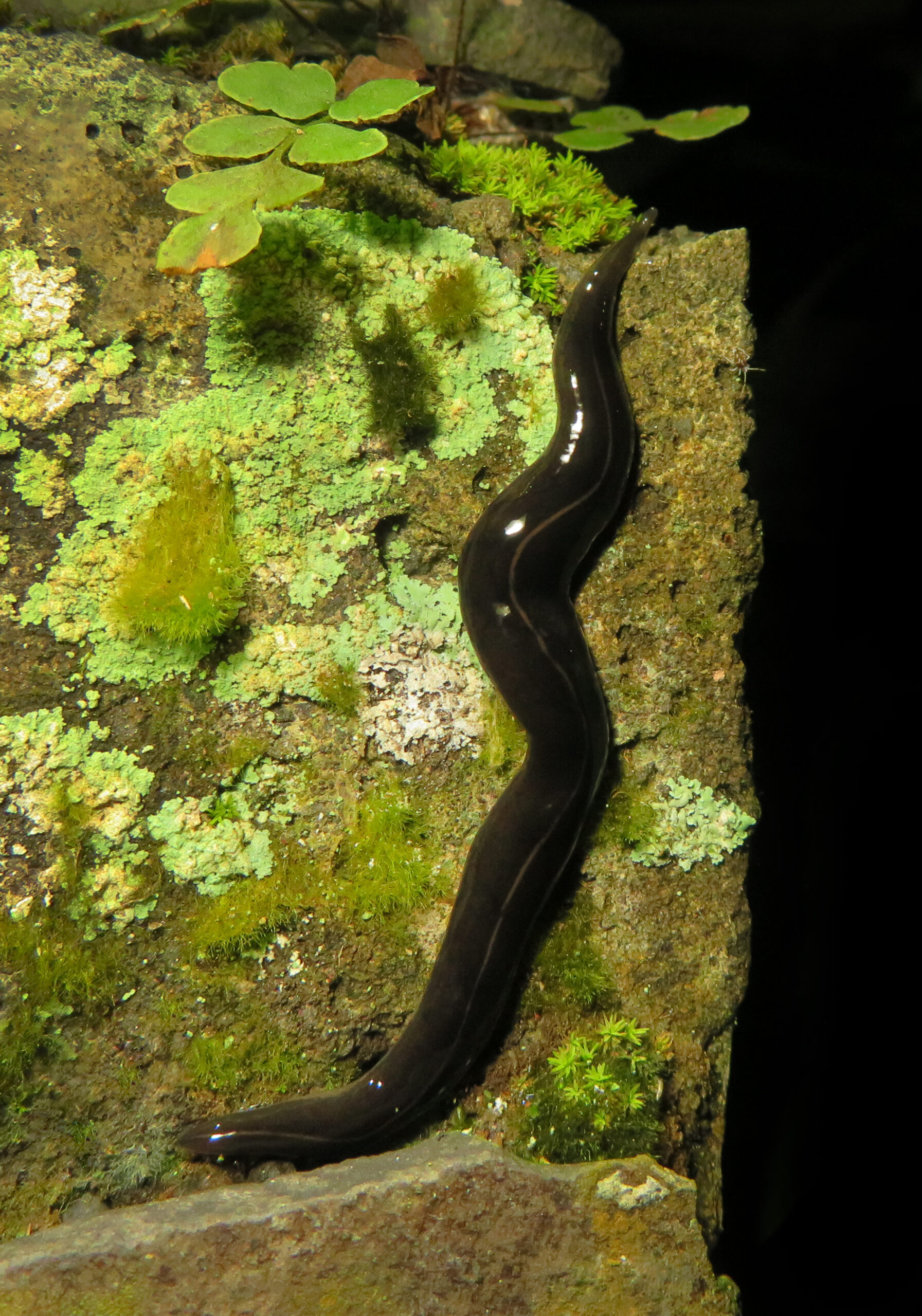
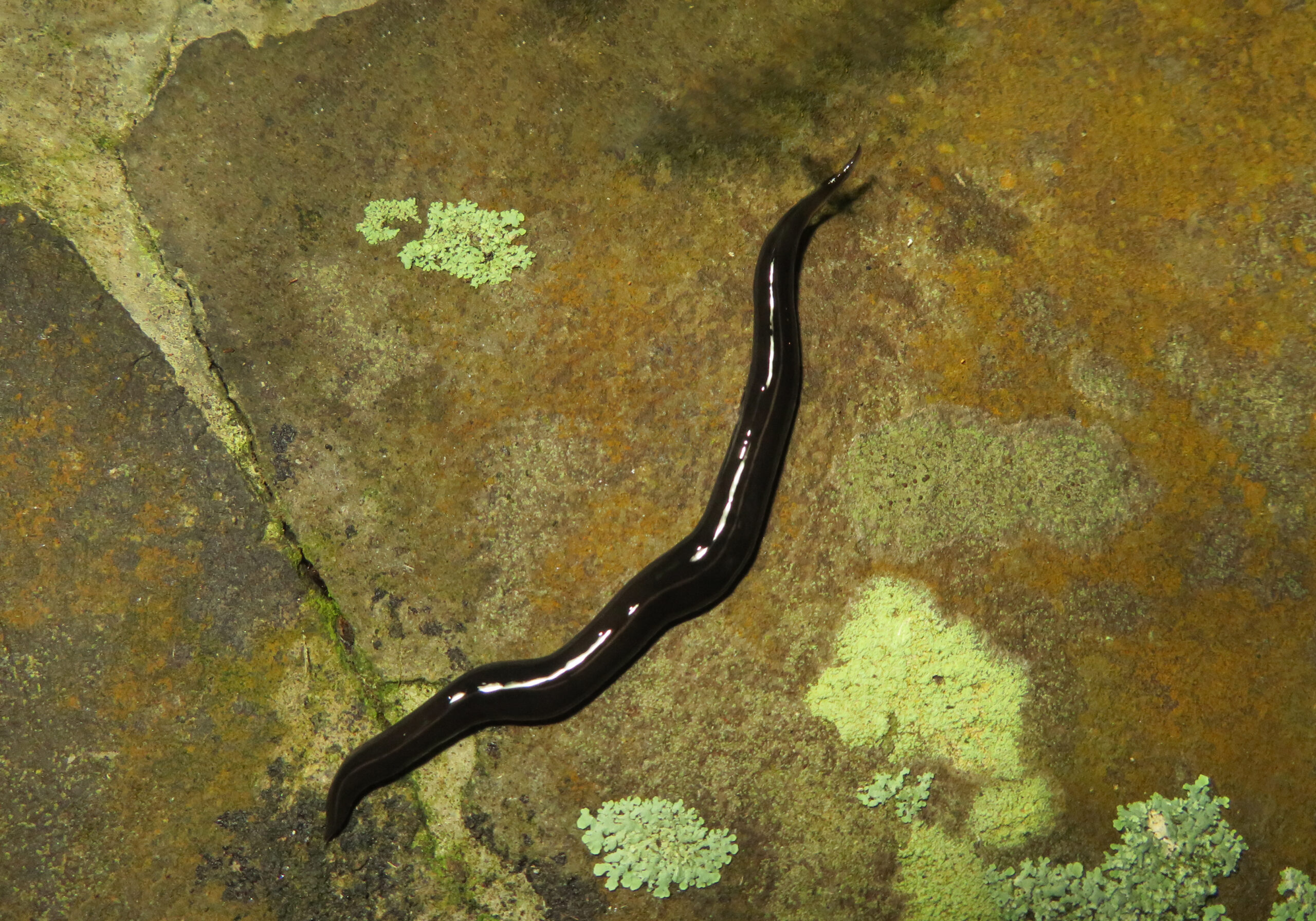
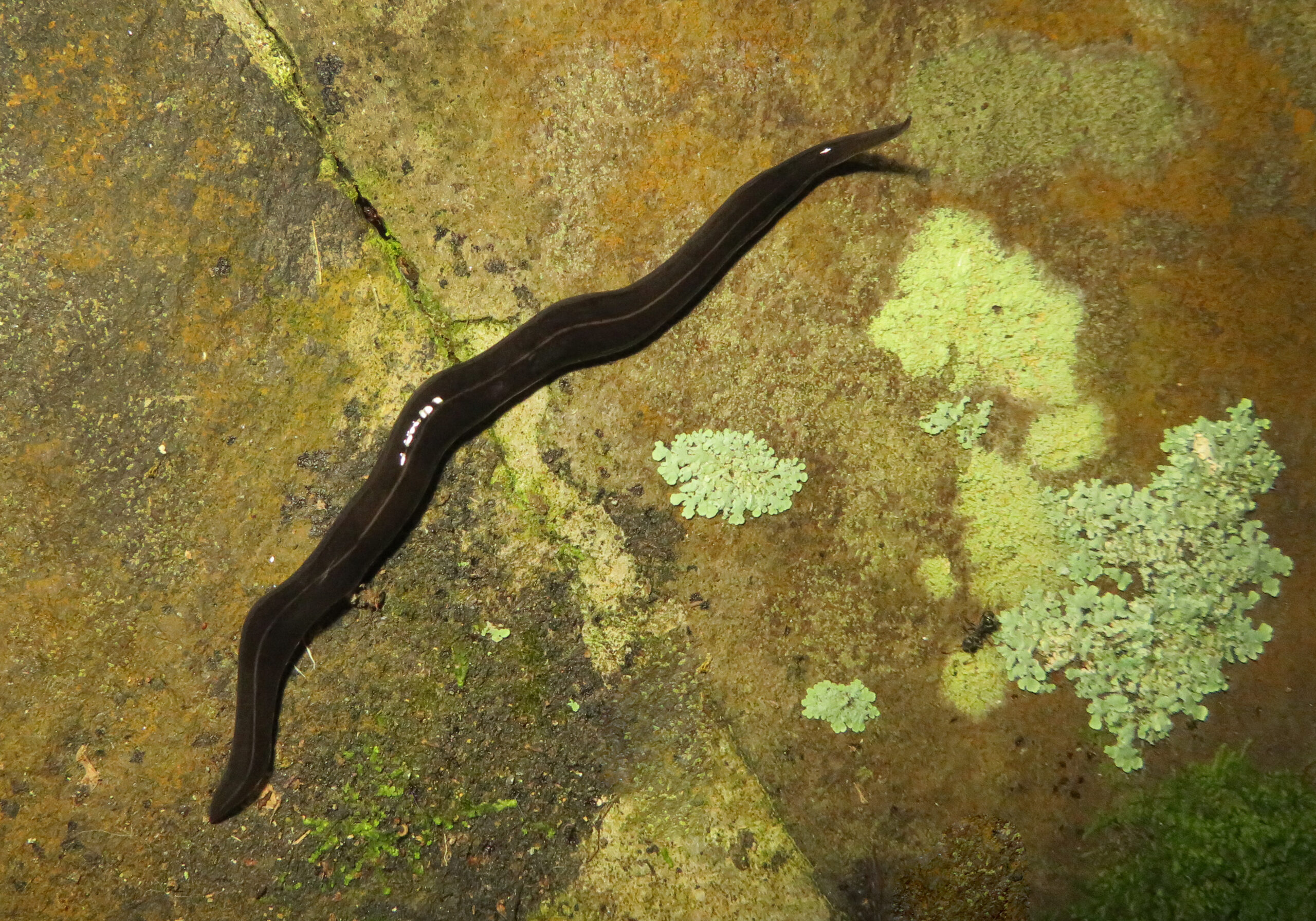
Geoplanidae is a family of terrestrial planarians within the superfamily Geoplanoidea, order Tricladida, belonging to the subphylum Rhabditophora of the phylum Platyhelminthes. It is one of the most diverse and widely distributed families of land planarians.
Members of Geoplanidae are fully adapted to terrestrial environments and are especially abundant in tropical and subtropical regions, although they also occur in temperate climates. They inhabit moist habitats such as forest floors, under logs, within leaf litter, and in soil rich in organic matter.
Geoplanids typically have elongated, dorsoventrally flattened bodies with a distinct and often broadened head. The head may be triangular, rounded, or semicircular and usually bears numerous eyes along the margins or dorsal surface. Their epidermis secretes mucus that facilitates gliding locomotion and helps prevent dehydration.
Like all triclads, they possess a three-branched intestine and lack specialized circulatory and respiratory systems, relying on diffusion for gas exchange. Most species are nocturnal predators that feed on earthworms, mollusks, arthropods, and other small invertebrates. Some species have become invasive outside their native ranges and may significantly impact local soil biodiversity.
Reproduction is primarily sexual, and most species are hermaphroditic with complex copulatory organs used in species identification. In some taxa, asexual reproduction through fragmentation may also occur. Ecologically, Geoplanidae play an important role in soil ecosystems as regulators of invertebrate populations.