

Geometrid and Swallowtail Moths (Superfamily Geometroidea)
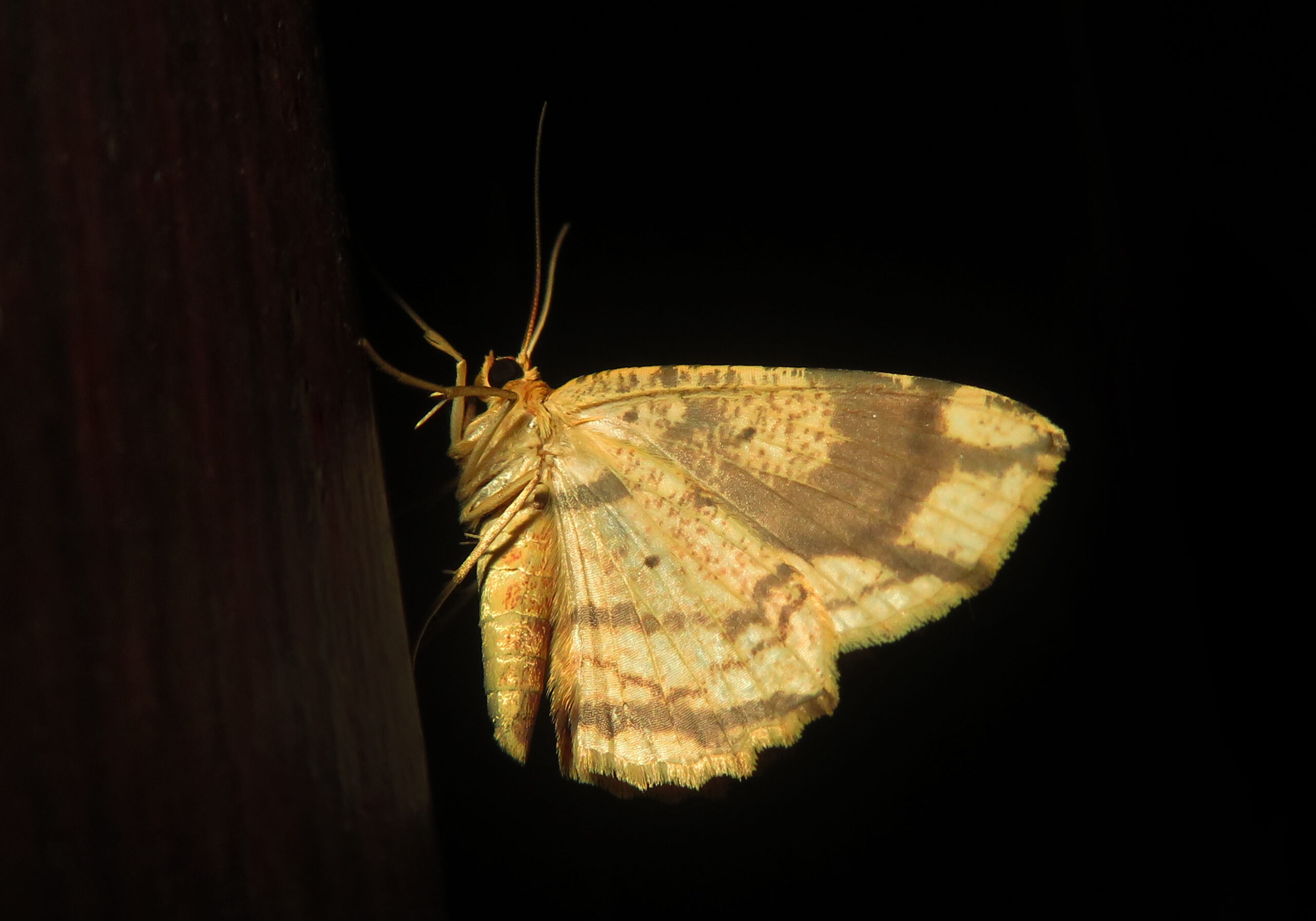
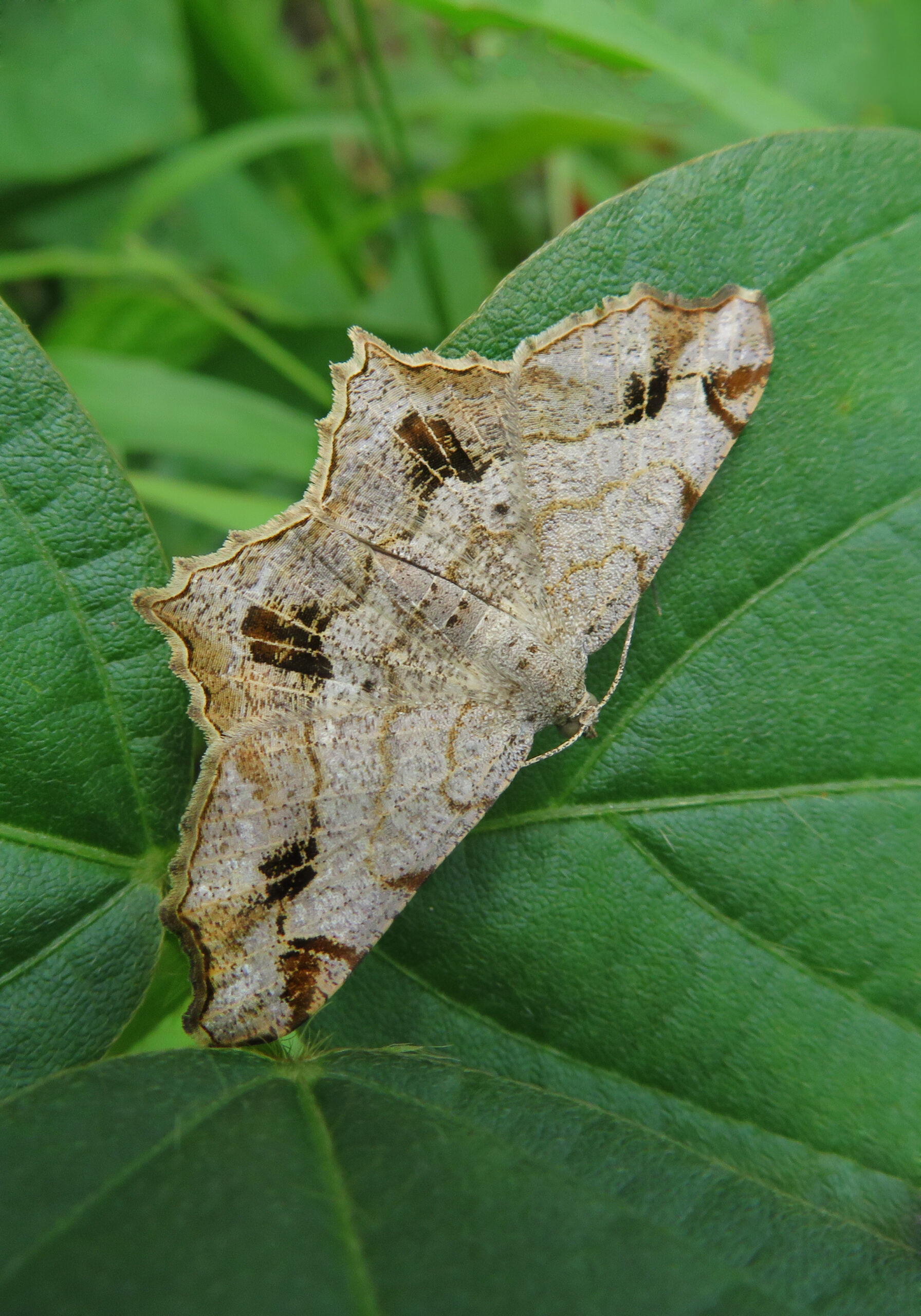
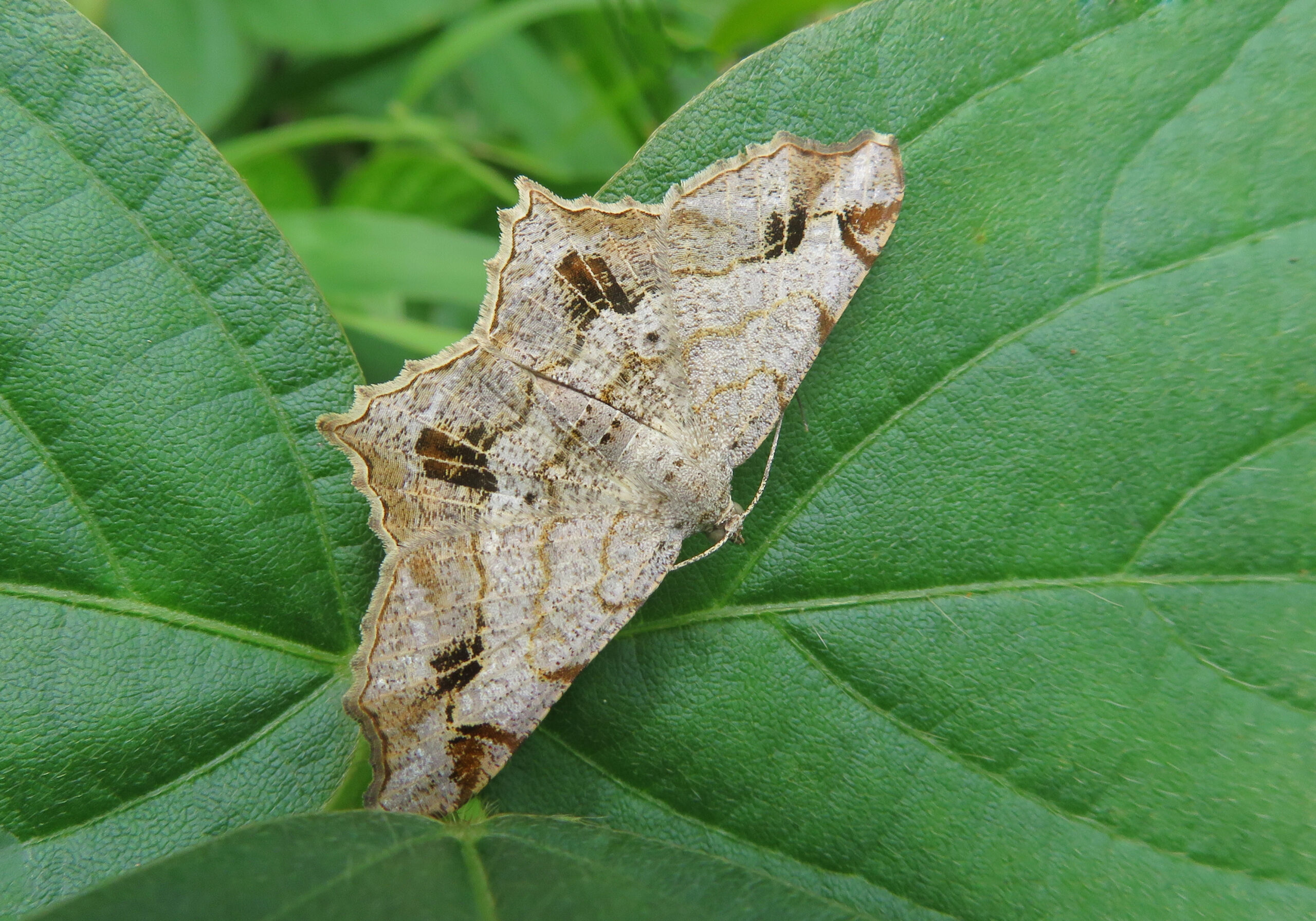
Geometroidea is a major superfamily of moths within the order Lepidoptera, comprising more than 27,000 described species distributed worldwide. Members occur on every continent except Antarctica, with the greatest diversity found in tropical and subtropical regions. They inhabit an extensive range of environments, including tropical rainforests, temperate forests, grasslands, shrublands, wetlands, deserts, alpine regions, agricultural landscapes, parks, and gardens.
Moths of the superfamily Geometroidea are generally small to medium-sized, although some tropical species are relatively large. Adults typically possess slender bodies and broad wings that are held flat when at rest. Wing coloration is remarkably diverse, ranging from cryptic shades of brown, gray, and white that closely resemble bark, lichens, or dead leaves, to brilliant green, yellow, orange, pink, or iridescent patterns. Many species exhibit intricate lines, bands, and eye-like markings that provide effective camouflage or serve in predator avoidance.
Adults are predominantly nocturnal, although numerous species are active during the day or at dusk. Most possess a well-developed coiled proboscis and feed on nectar, tree sap, fermenting fruits, or other sugary liquids, while some species feed little or not at all during their relatively short adult lifespan.
The life cycle involves complete metamorphosis, consisting of egg, larva (caterpillar), pupa, and adult stages. The caterpillars of many geometroids are commonly known as inchworms, loopers, or measuring worms because they characteristically move by looping their bodies. This distinctive locomotion results from the reduction of the middle abdominal prolegs, leaving only the thoracic legs and the posterior pair of prolegs. Many caterpillars closely resemble twigs or leaf petioles, remaining motionless when disturbed to avoid detection by predators.
Larvae feed on a wide variety of flowering plants, shrubs, trees, and herbaceous vegetation. While many species are highly host-specific, others feed on numerous plant families. Several species are economically important as defoliators of forest trees, fruit crops, and ornamental plants.
The superfamily is dominated by the family Geometridae, one of the largest families of Lepidoptera, and also includes the much smaller family Sematuridae. Geometridae alone accounts for the overwhelming majority of species diversity within Geometroidea and includes numerous well-known groups such as emerald moths, wave moths, pug moths, and carpets.
Ecologically, Geometroidea moths are important herbivores during the larval stage and contribute to pollination as nectar-feeding adults. Caterpillars play significant roles in plant–herbivore interactions and serve as an abundant food source for birds, bats, reptiles, amphibians, spiders, predatory insects, and parasitoids. Their sensitivity to habitat quality, vegetation structure, and climate makes geometroid moths valuable indicators of ecosystem health, forest integrity, and biodiversity.