Bali Wildlife
Every Spices Matter


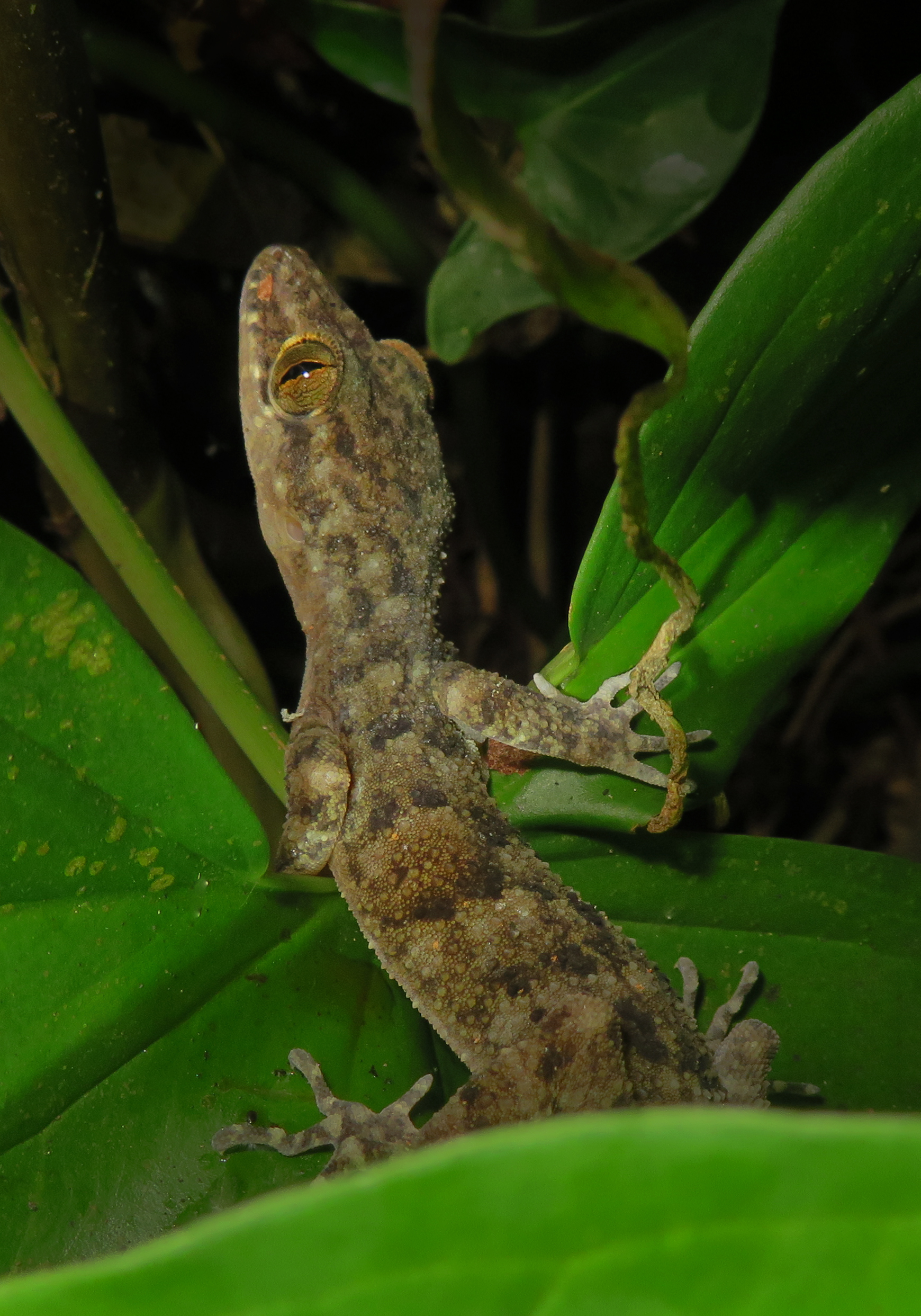
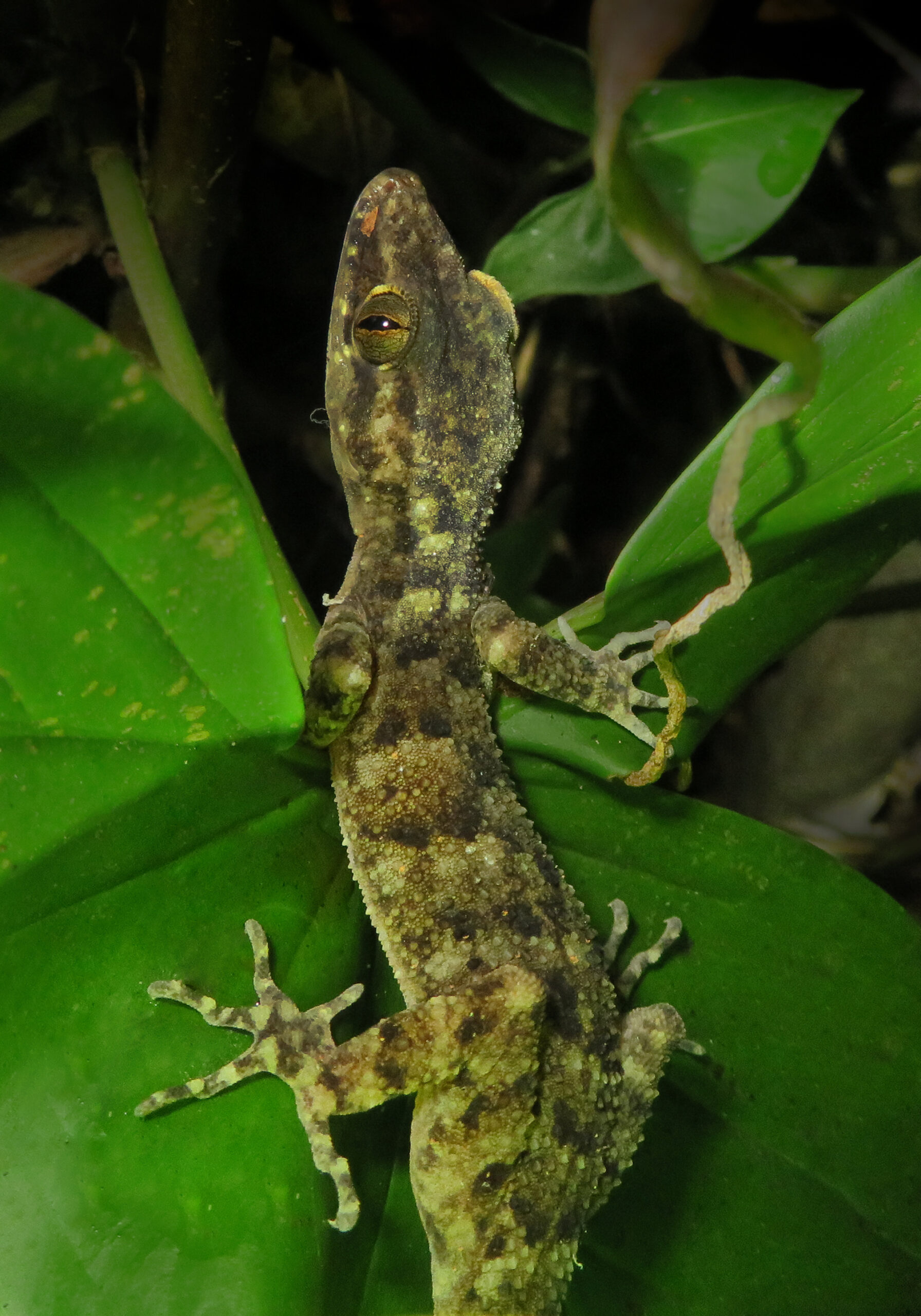
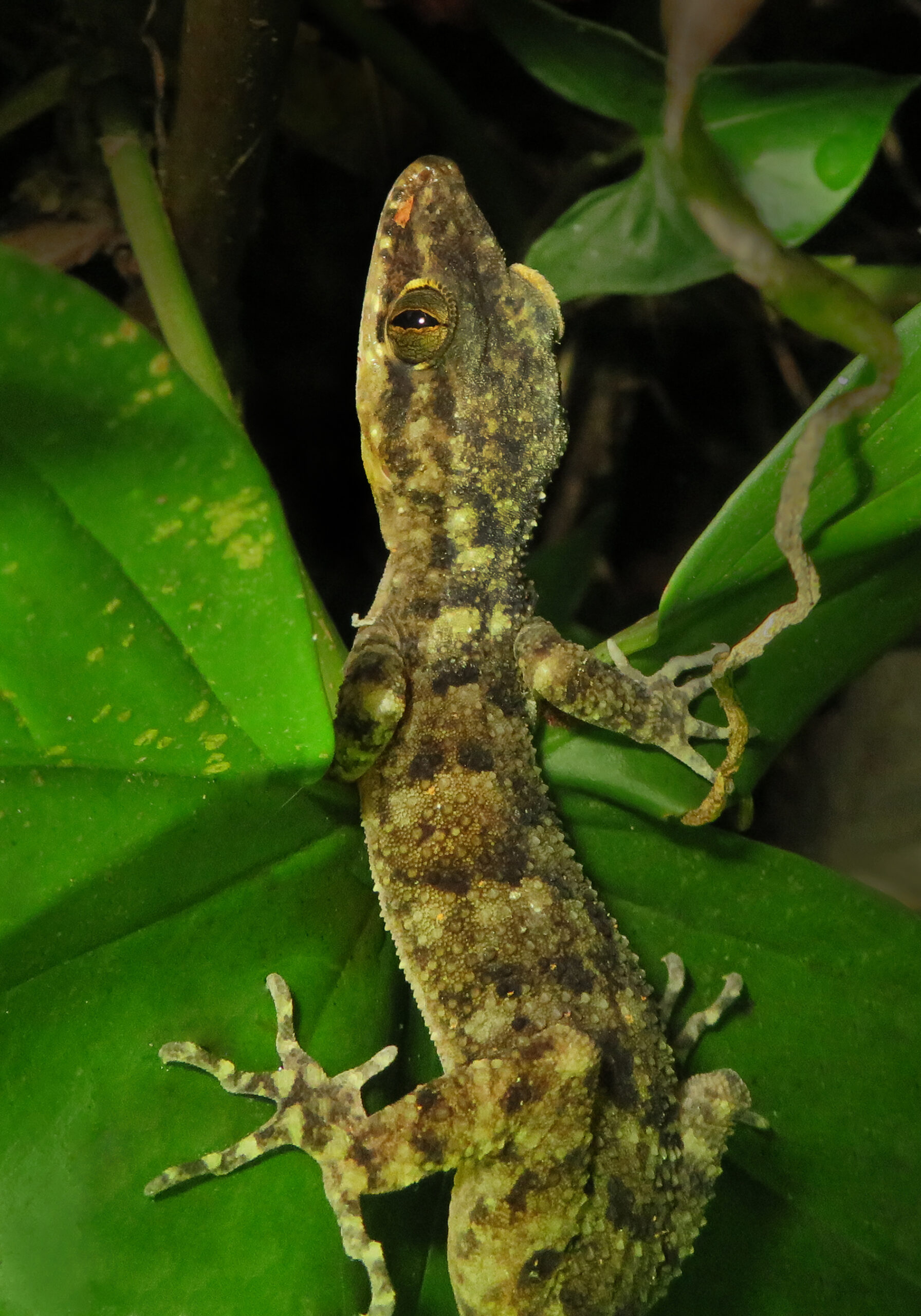
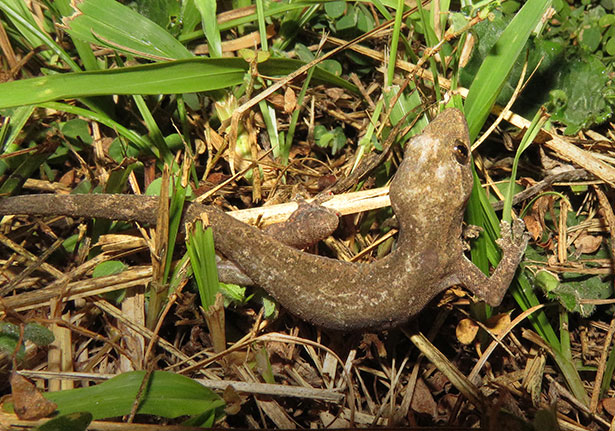
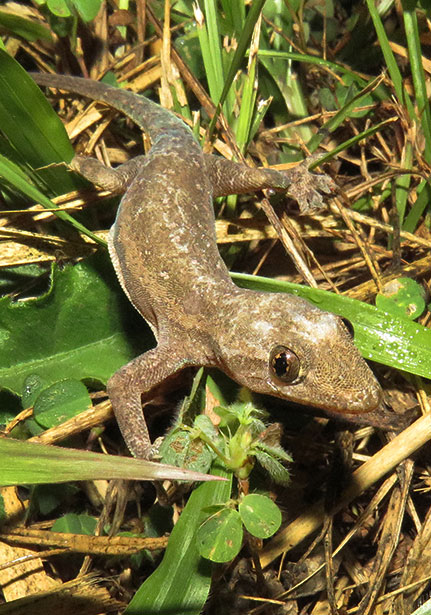
Gekkota is an infraorder of lizards within the order Squamata, traditionally placed under the suborder Sauria. This group includes geckos and pygopods (legless lizards closely related to geckos), representing one of the most distinctive and widespread lizard lineages.
Members of Gekkota are distributed across tropical, subtropical, and temperate regions worldwide, with particularly high diversity in Southeast Asia, Australia, Africa, and the Americas. They inhabit a broad range of environments including rainforests, deserts, rocky outcrops, grasslands, and human settlements.
Morphologically, geckotans are best known for their specialized toe pads in many species, which bear microscopic setae that allow adhesion to smooth surfaces through van der Waals forces. This adaptation enables them to climb vertical surfaces and even move across ceilings. Most species have large eyes with vertical pupils and lack movable eyelids, instead possessing a transparent spectacle (brille) that covers and protects the eye. However, some basal groups retain movable eyelids.
Body size ranges from very small species measuring only a few centimeters to larger forms exceeding 30 cm in total length. Coloration varies widely, often providing camouflage against bark, rocks, or foliage.
Ecologically, most Gekkota are nocturnal insectivores, feeding on arthropods such as insects and spiders. Some species are diurnal, and a few exhibit omnivorous diets that include fruit or nectar. Reproduction is primarily oviparous, with many species laying one or two hard-shelled eggs per clutch.
Due to their adaptability and close association with human environments, several gecko species have become cosmopolitan through accidental introduction.