Bali Wildlife
Every Spices Matter


Gastropoda is the largest and most diverse class within the phylum Mollusca, comprising snails, slugs, limpets, abalones, and related forms. Members of this class occur in marine, freshwater, and terrestrial environments, making them one of the most ecologically widespread groups of mollusks.
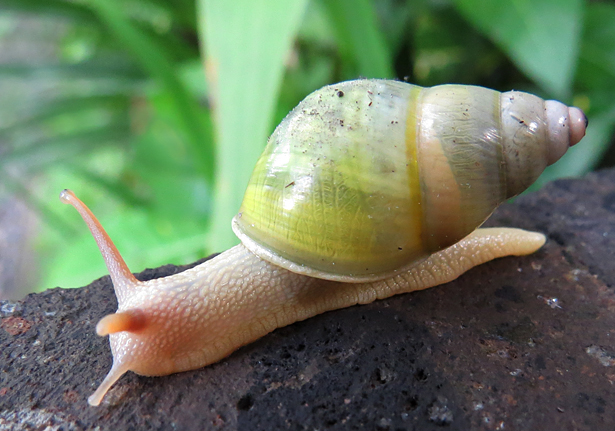
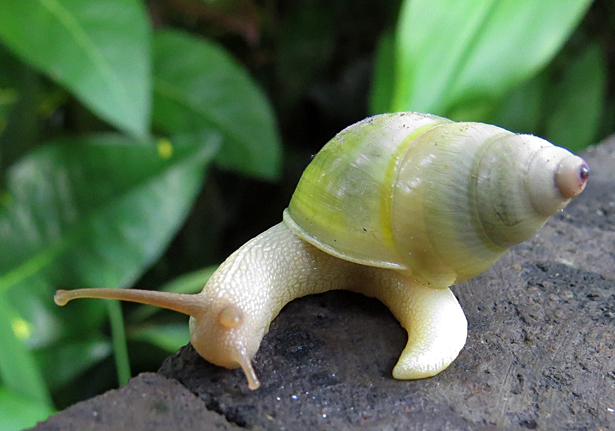
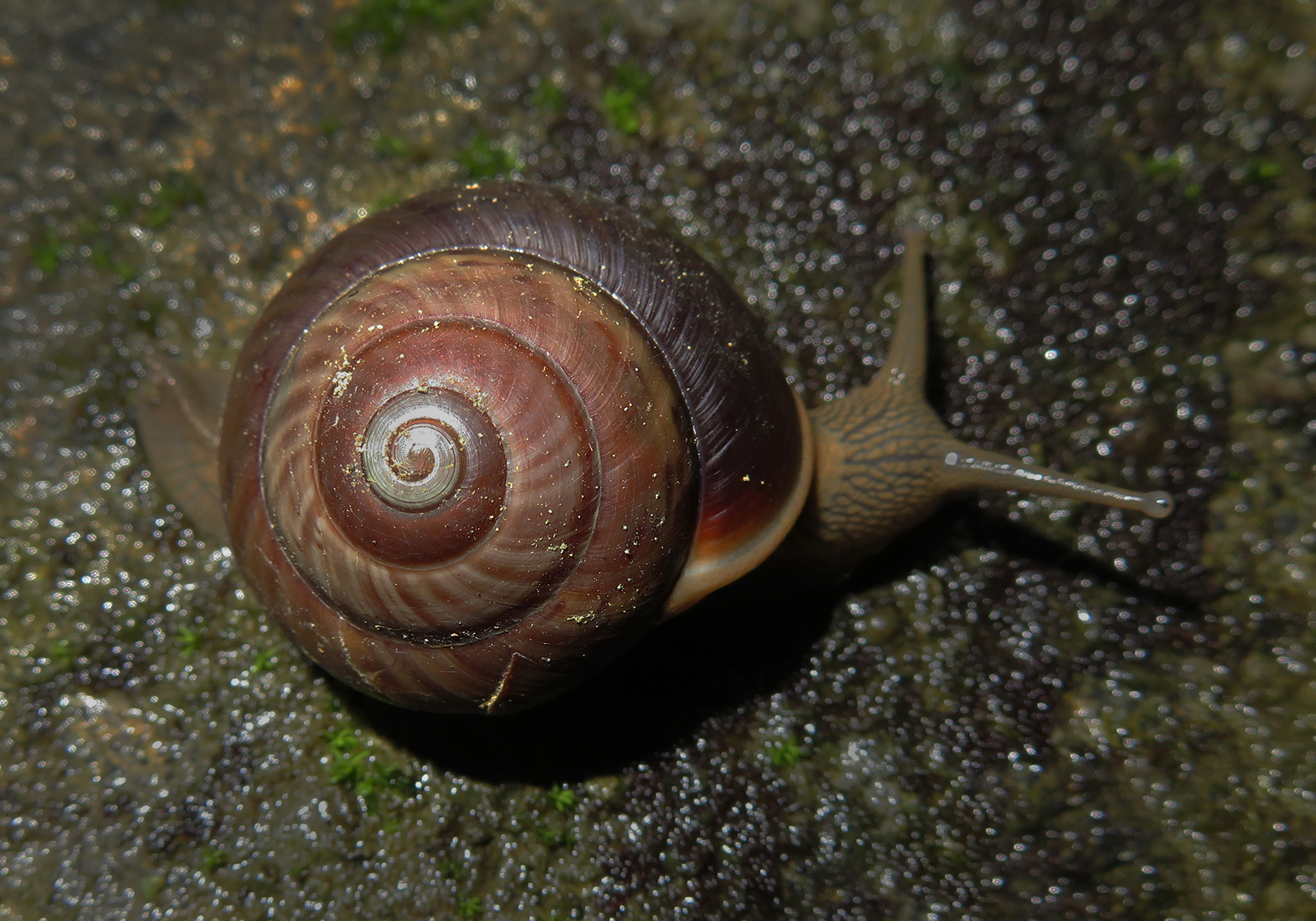
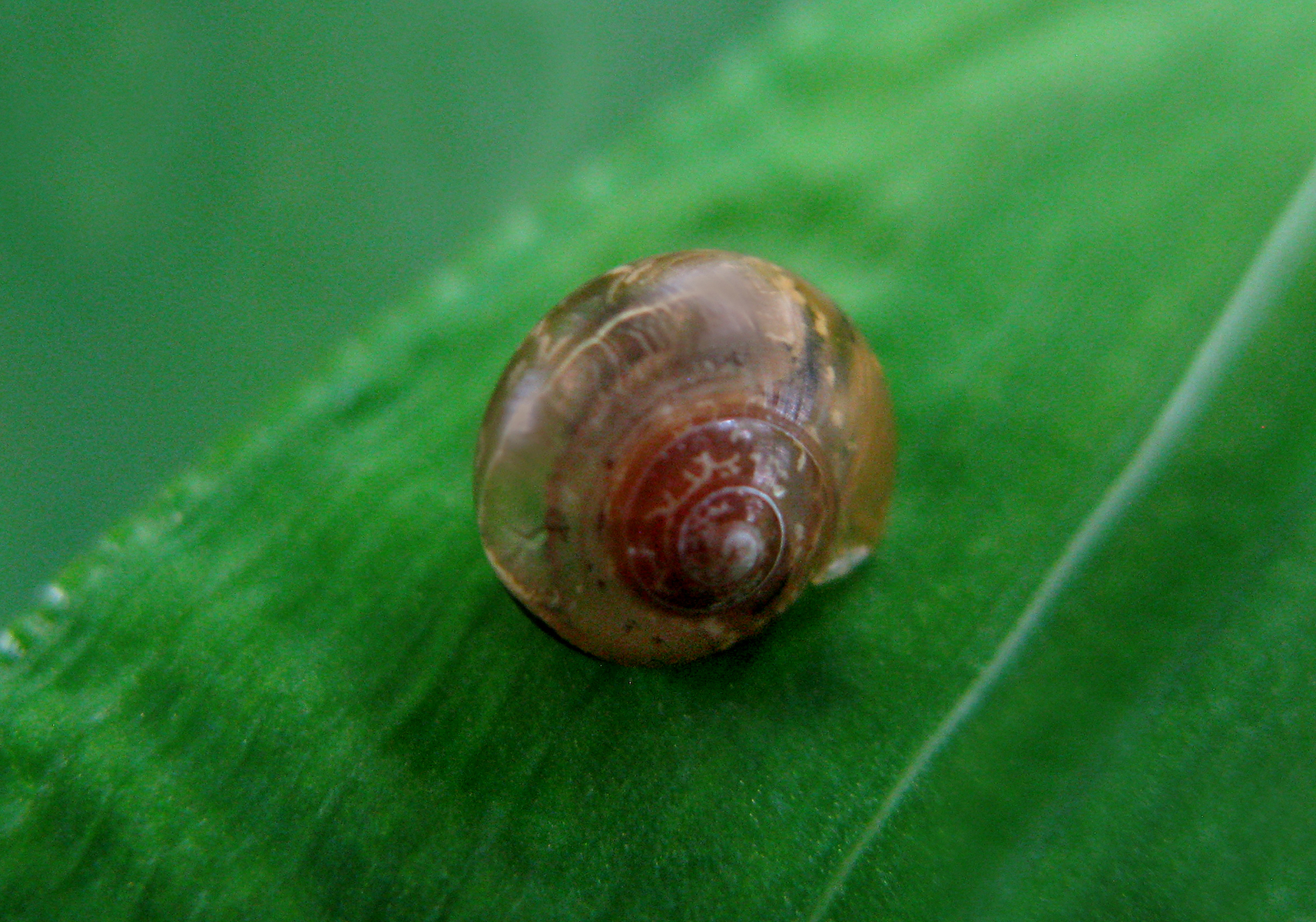
A defining feature of gastropods is torsion, a developmental process in which the visceral mass rotates 180 degrees during larval development. This unique characteristic results in the repositioning of the mantle cavity and anus toward the anterior region of the body. Most gastropods possess a single, usually coiled shell, although some groups have reduced internal shells or lack a shell entirely (as in many slugs).
The body plan typically includes a well-developed muscular foot used for crawling, a distinct head with tentacles and eyes, and a visceral mass covered by the mantle. Most species possess a radula, a specialized feeding structure with rows of microscopic teeth used for scraping algae, drilling into prey, or processing plant material.
Gastropods exhibit extraordinary ecological diversity. They may function as herbivores, detritivores, scavengers, filter feeders, or active predators. Marine species include both slow-grazing snails and highly specialized carnivorous forms, while terrestrial snails and slugs play important roles in decomposition and nutrient cycling.
Respiratory structures vary according to habitat. Aquatic species generally use gills (ctenidia), while terrestrial species possess a modified mantle cavity functioning as a lung. Circulation is typically open, and the nervous system ranges from relatively simple arrangements to more complex forms in active predatory species.
Reproductive strategies are highly variable. Many gastropods are hermaphroditic, while others have separate sexes. Development may involve free-swimming larval stages in marine species or direct development in terrestrial and freshwater forms.
Class Gastropoda represents one of the most evolutionarily adaptable molluscan groups, distinguished by torsion, shell diversity, and exceptional ecological breadth across aquatic and terrestrial ecosystems.