Bali Wildlife
Every Spices Matter


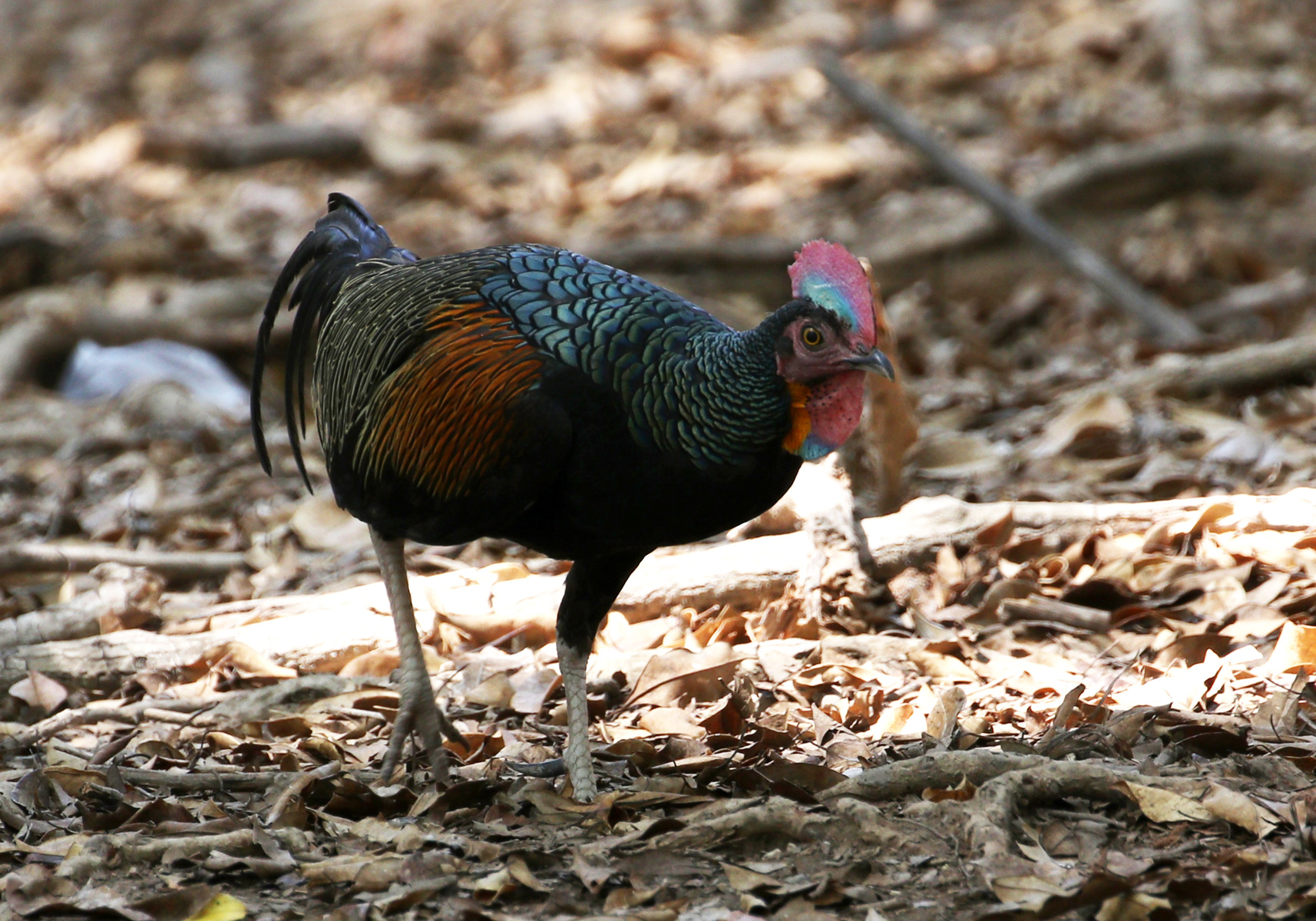
Gallus is a genus of galliform birds within the family Phasianidae, commonly known as junglefowl. Members of this genus are medium-sized, terrestrial birds characterized by robust bodies, strong legs, and short, rounded wings, adapted primarily for ground-dwelling habits with limited but rapid flight.
Species of the genus Gallus possess a distinctive fleshy comb and wattles, particularly well developed in males, along with sharp spurs on the legs used in territorial defense and mating competition. Plumage often shows strong sexual dimorphism, with males displaying brighter coloration and elongated tail feathers, while females exhibit more cryptic coloration for camouflage.
Junglefowl inhabit tropical and subtropical forests, forest edges, bamboo groves, and secondary growth across South and Southeast Asia. They are omnivorous, feeding on seeds, fruits, shoots, insects, and other small invertebrates. Ecologically, junglefowl play an important role in seed dispersal and insect population control.
The genus Gallus is of exceptional significance to humans, as it includes the Red Junglefowl (Gallus gallus), the wild ancestor of the domestic chicken (Gallus gallus domesticus). Junglefowl have therefore played a major role in agriculture, culture, and human history.