Bali Wildlife
Every Spices Matter


Galerucinae is one of the largest subfamilies of leaf beetles within the family Chrysomelidae (Order Coleoptera). The subfamily comprises more than 15,000 described species worldwide and includes the closely related flea beetles in many modern classifications. Members are distributed on every continent except Antarctica, with the greatest diversity occurring in tropical and subtropical regions. They inhabit tropical rainforests, temperate forests, grasslands, wetlands, shrublands, agricultural fields, plantations, parks, gardens, and urban green spaces.
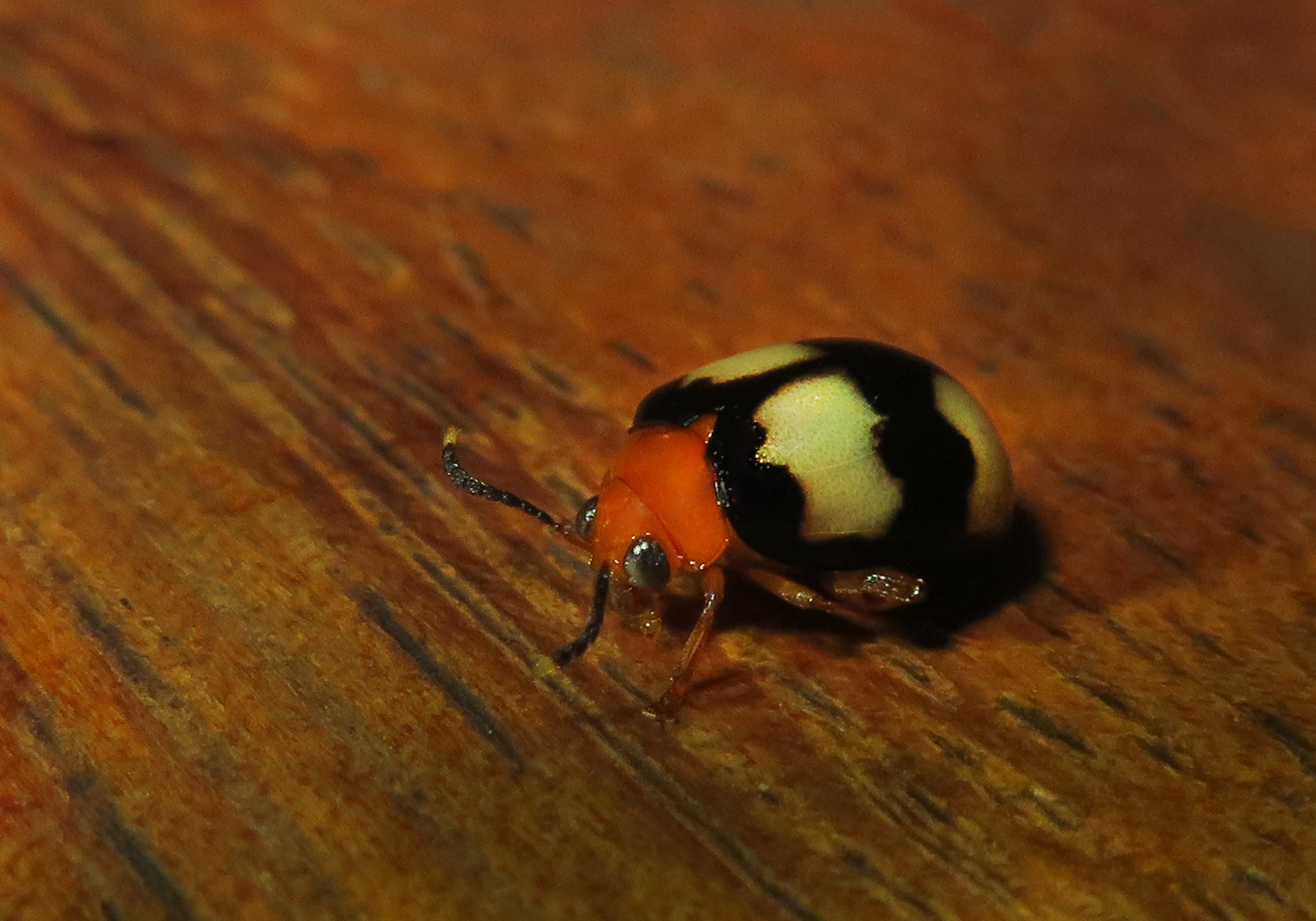
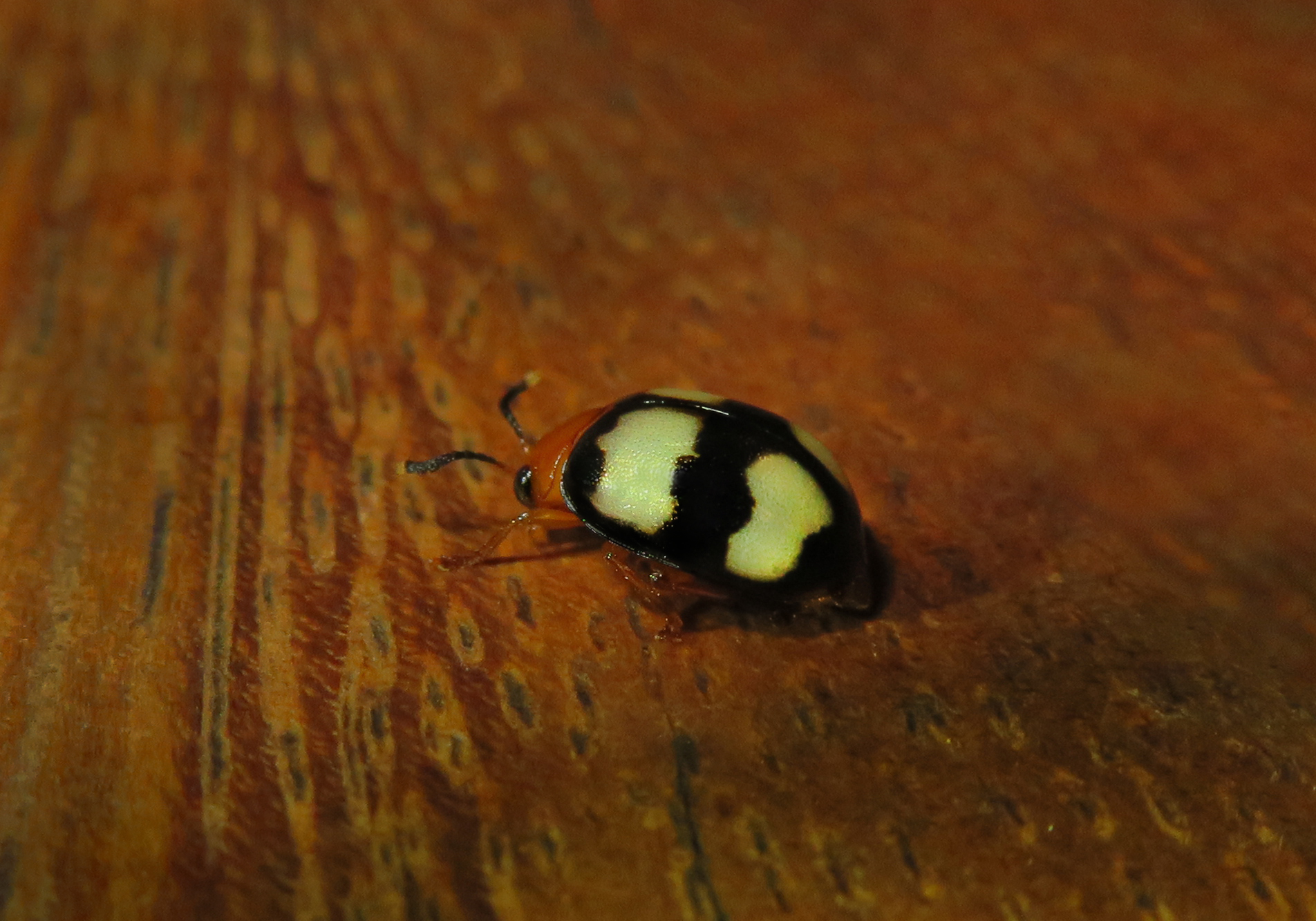
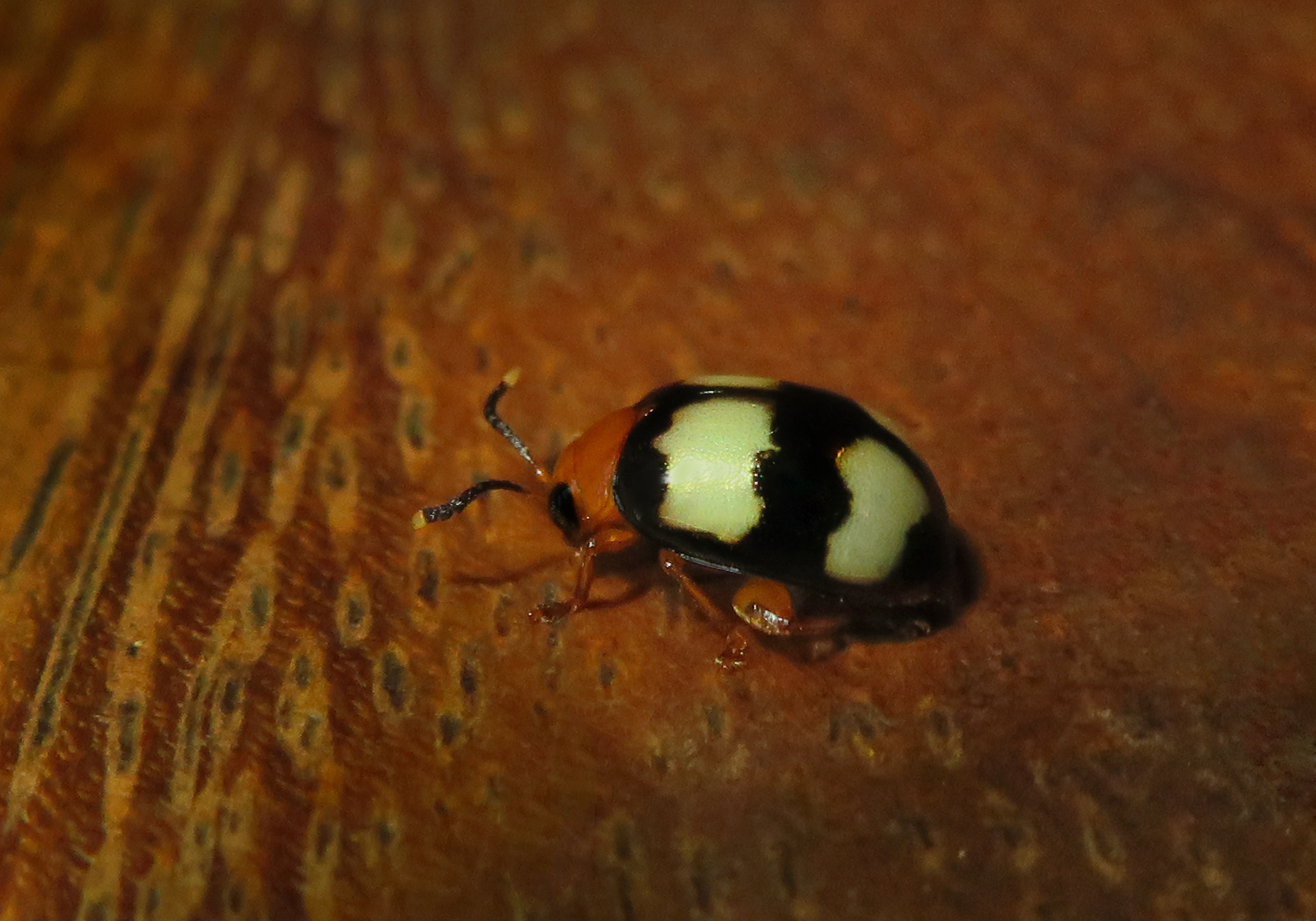
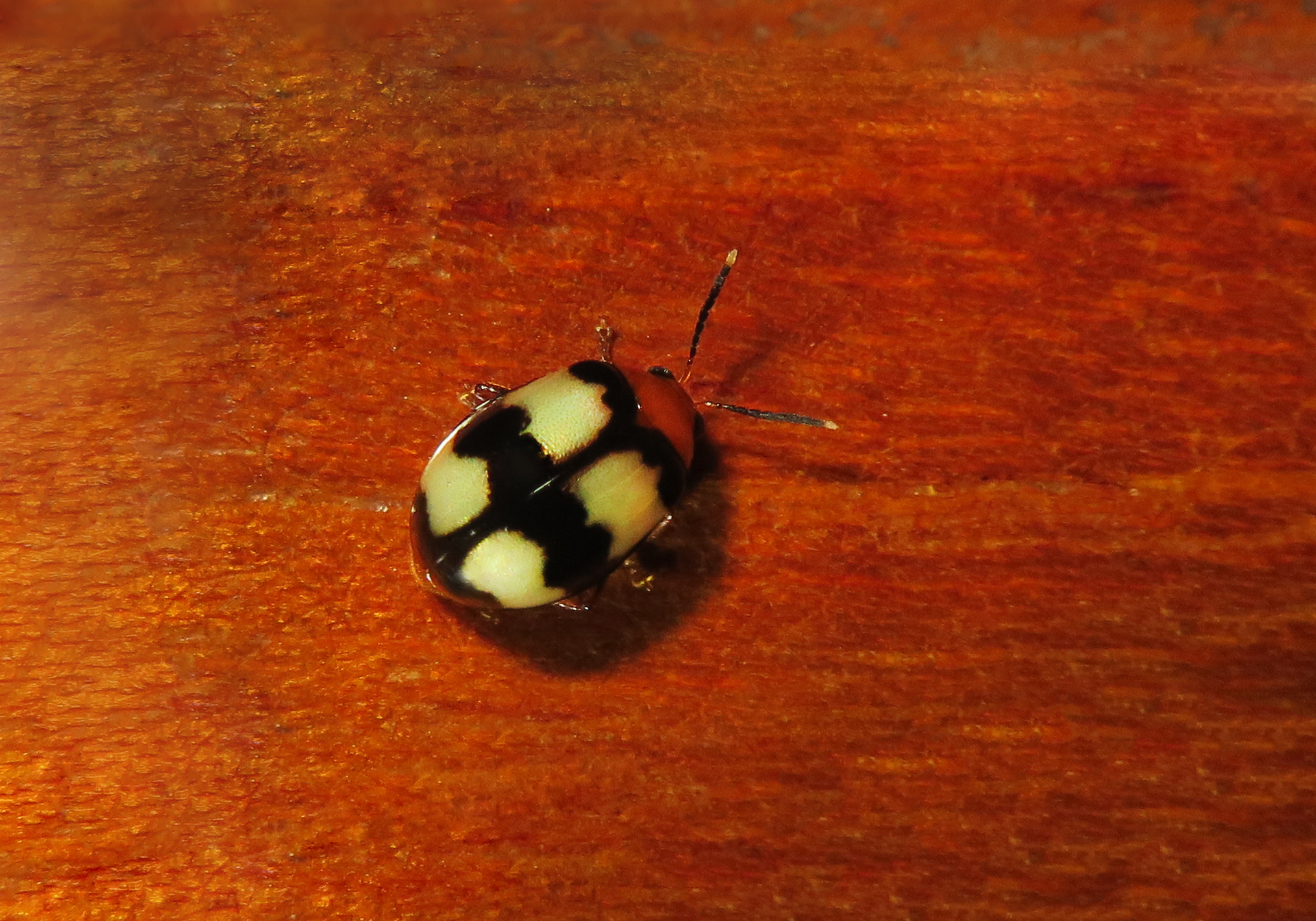
Beetles of the subfamily Galerucinae are generally small to medium-sized, measuring approximately 3–15 mm in length. They possess an oval to elongate body with smooth, well-developed elytra that completely cover the abdomen. Coloration is highly variable and may include shades of green, yellow, orange, red, brown, black, metallic blue, or combinations of contrasting colors. Many species bear longitudinal stripes, spots, or intricate patterns that aid in camouflage or serve as warning signals. In the flea beetles (tribe Alticini, included in many modern classifications), the enlarged hind femora are adapted for powerful jumping.
Adults are primarily diurnal and are commonly found on the foliage, flowers, and stems of their host plants. They are active climbers and, in many species, capable fliers. Adults feed by chewing characteristic holes or irregular patches in leaves, while some species consume flowers, pollen, or tender shoots. When disturbed, many species simply drop from the plant or take flight, whereas flea beetles escape by making rapid jumps.
Members of Galerucinae are herbivorous, with most species showing strong host-plant associations. Both adults and larvae feed on living plant tissue. Larvae may feed externally on leaves or internally on roots, stems, or other plant parts, depending on the species. Common host plant families include Fabaceae, Cucurbitaceae, Solanaceae, Asteraceae, Brassicaceae, Poaceae, and many others. Several species are economically important pests of crops, vegetables, and ornamental plants.
The life cycle involves complete metamorphosis, consisting of egg, larva, pupa, and adult stages. Females lay eggs on or near host plants. Larvae pass through several growth stages before pupating in the soil, leaf litter, or on the host plant. Adults emerge to feed, disperse, and reproduce, with many species completing one or more generations annually depending on climate.
The subfamily includes numerous well-known genera such as Aulacophora, Monolepta, Galerucella, Diabrotica, Pyrrhalta, Altica, and Phyllotreta. These genera include species that range from highly specialized forest inhabitants to widespread agricultural pests, while others are used as biological control agents against invasive weeds.
Ecologically, Galerucinae beetles are important herbivores that influence plant community composition and contribute to energy transfer within terrestrial ecosystems. They serve as prey for birds, reptiles, amphibians, spiders, predatory insects, and parasitoid wasps. Their close relationships with host plants and sensitivity to habitat change make galerucine beetles valuable indicators of vegetation diversity, ecosystem health, and environmental quality.