Bali Wildlife
Every Spices Matter


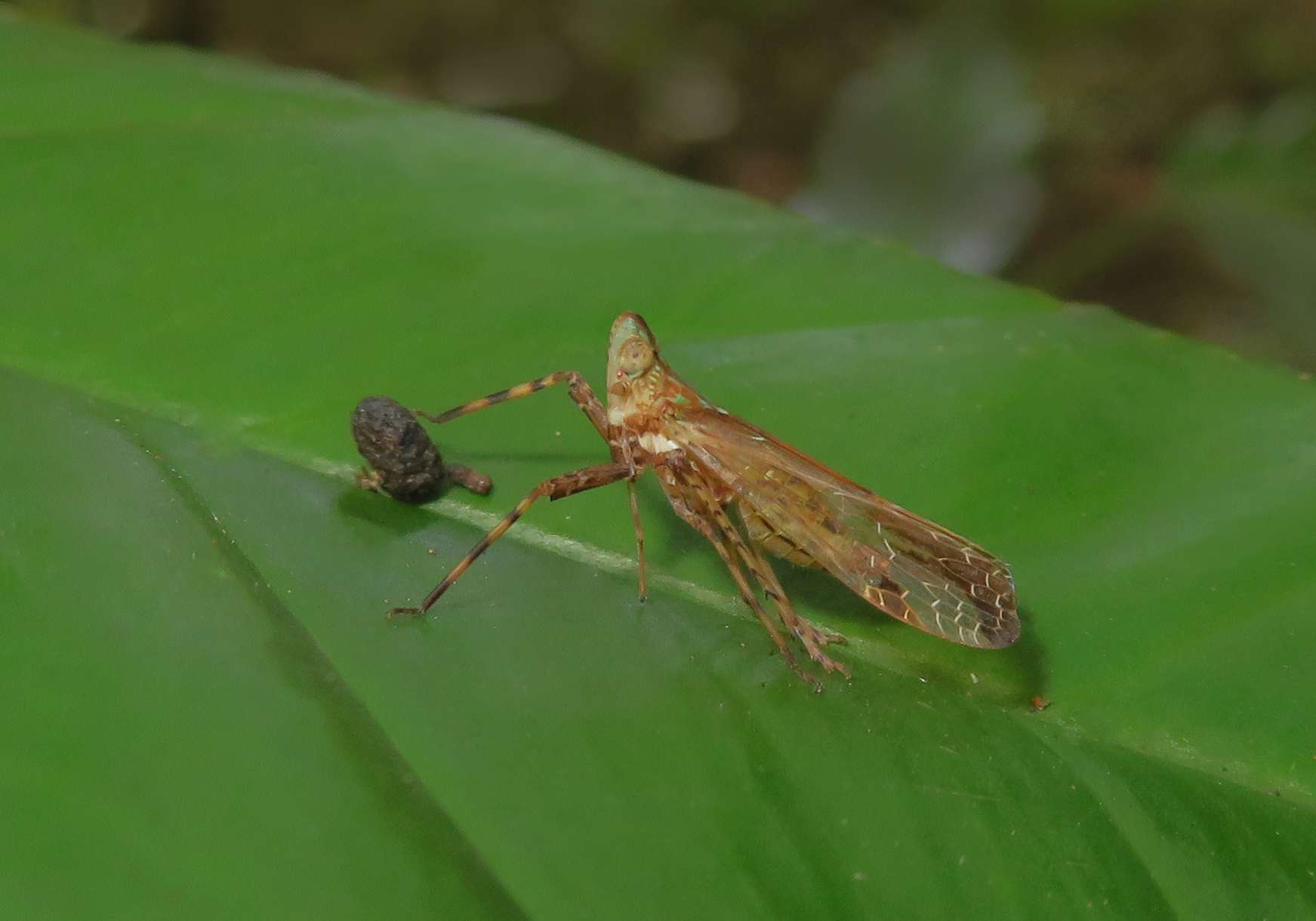
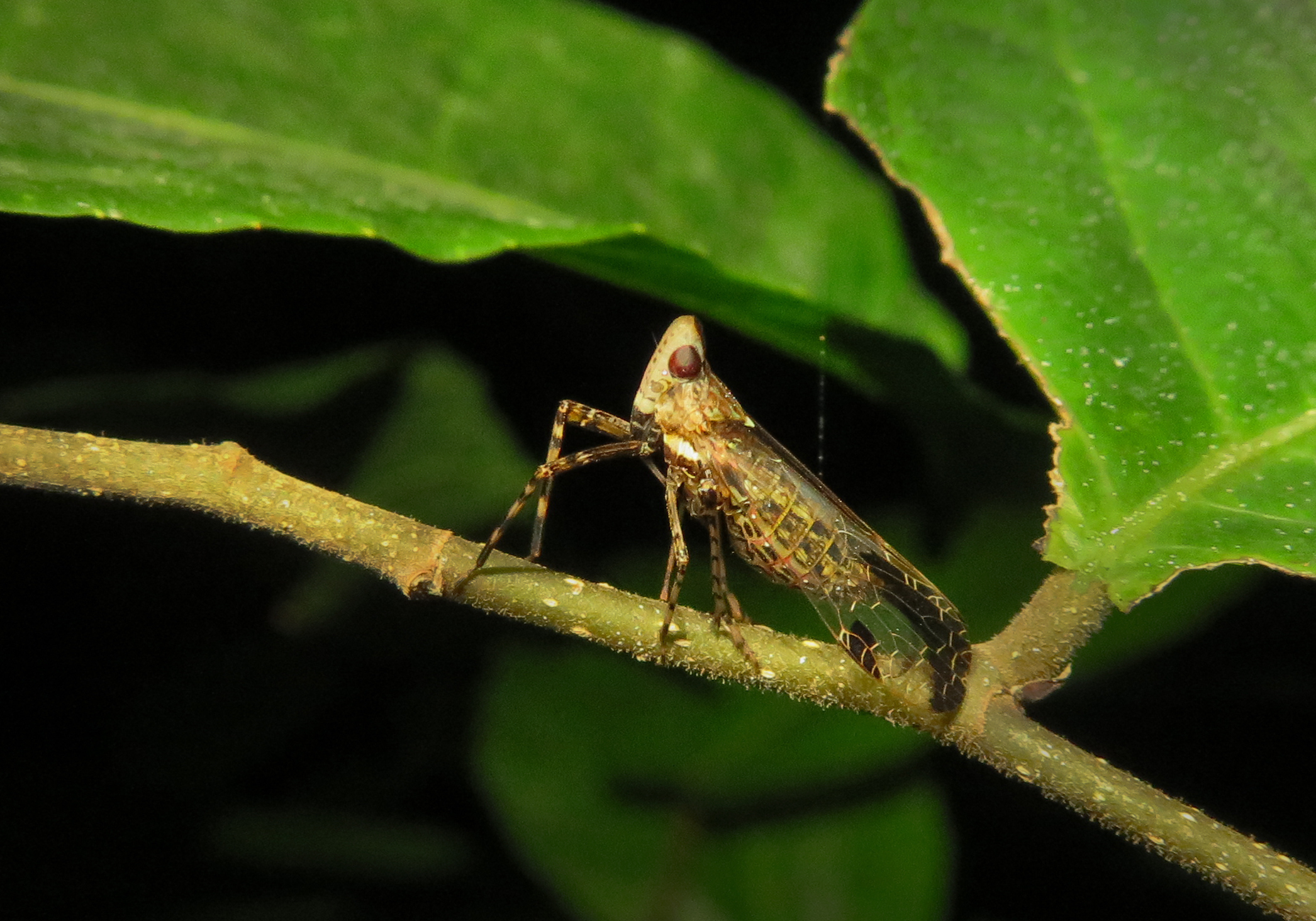
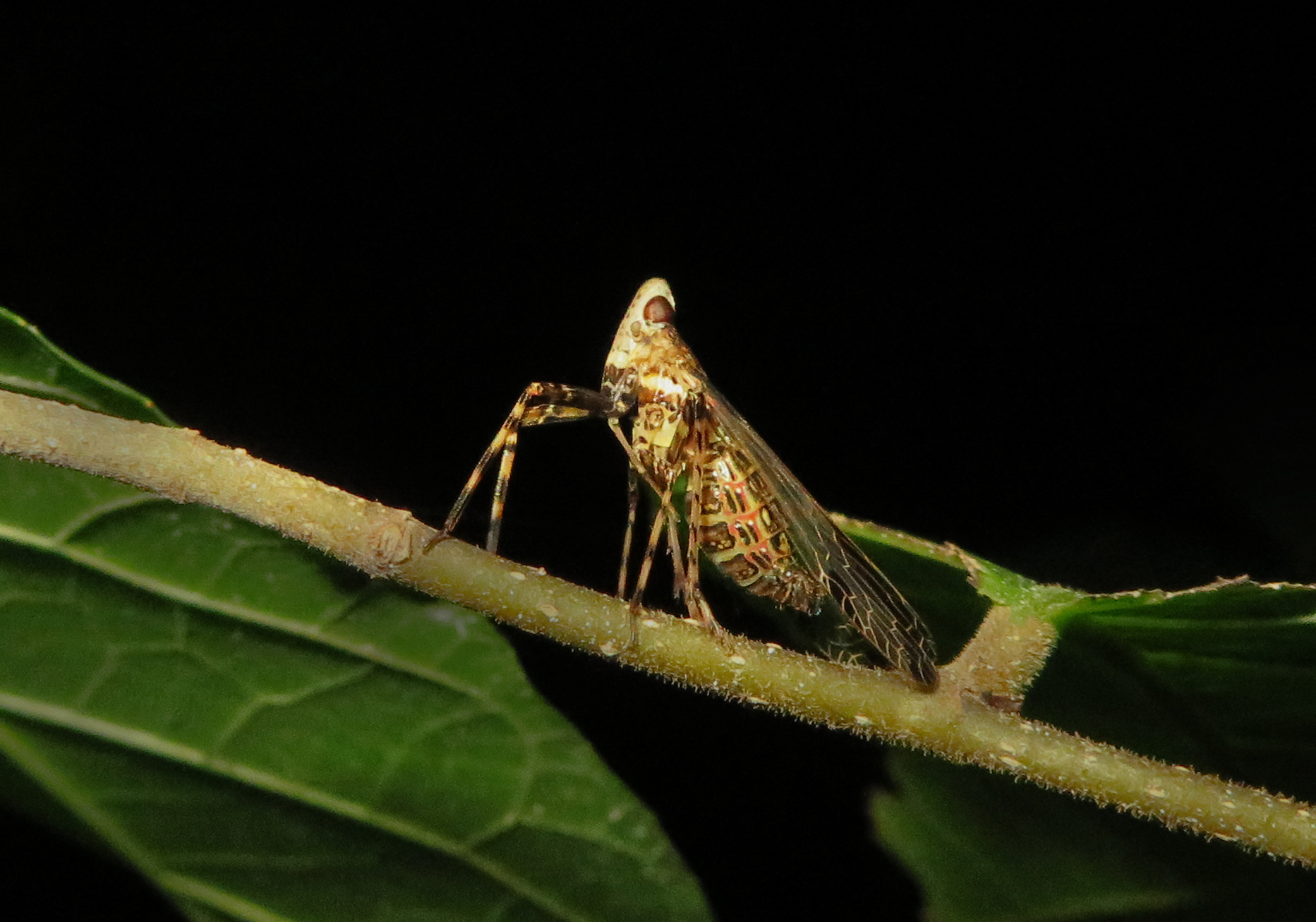
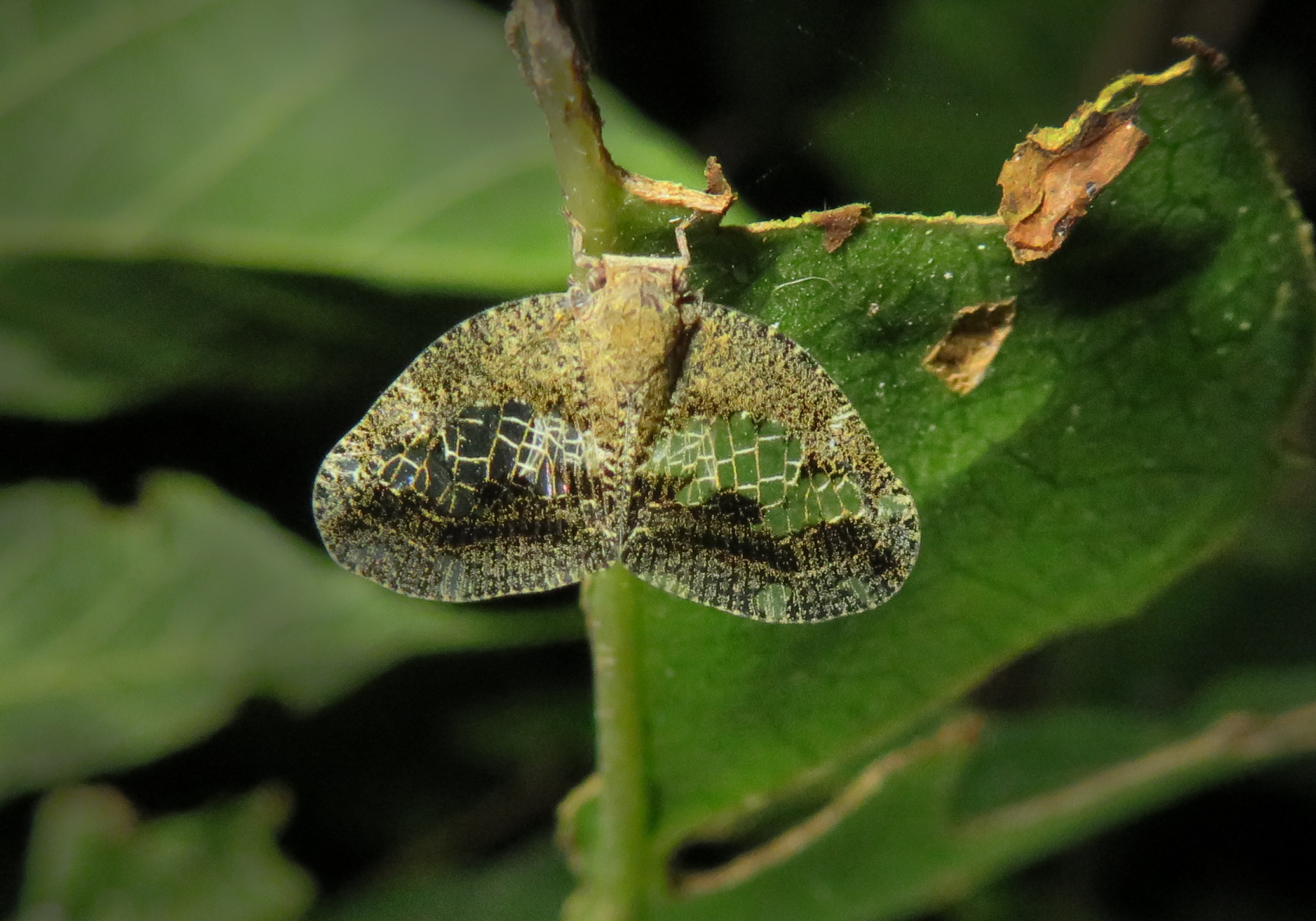
Fulgoromorpha is an infraorder within the suborder Auchenorrhyncha, comprising insects commonly known as planthoppers. This group is distinguished by its members’ specialized morphology and close ecological association with plants, particularly as sap feeders on grasses, shrubs, and trees. Fulgoromorphans are widely distributed worldwide, with greatest diversity in tropical and subtropical regions.
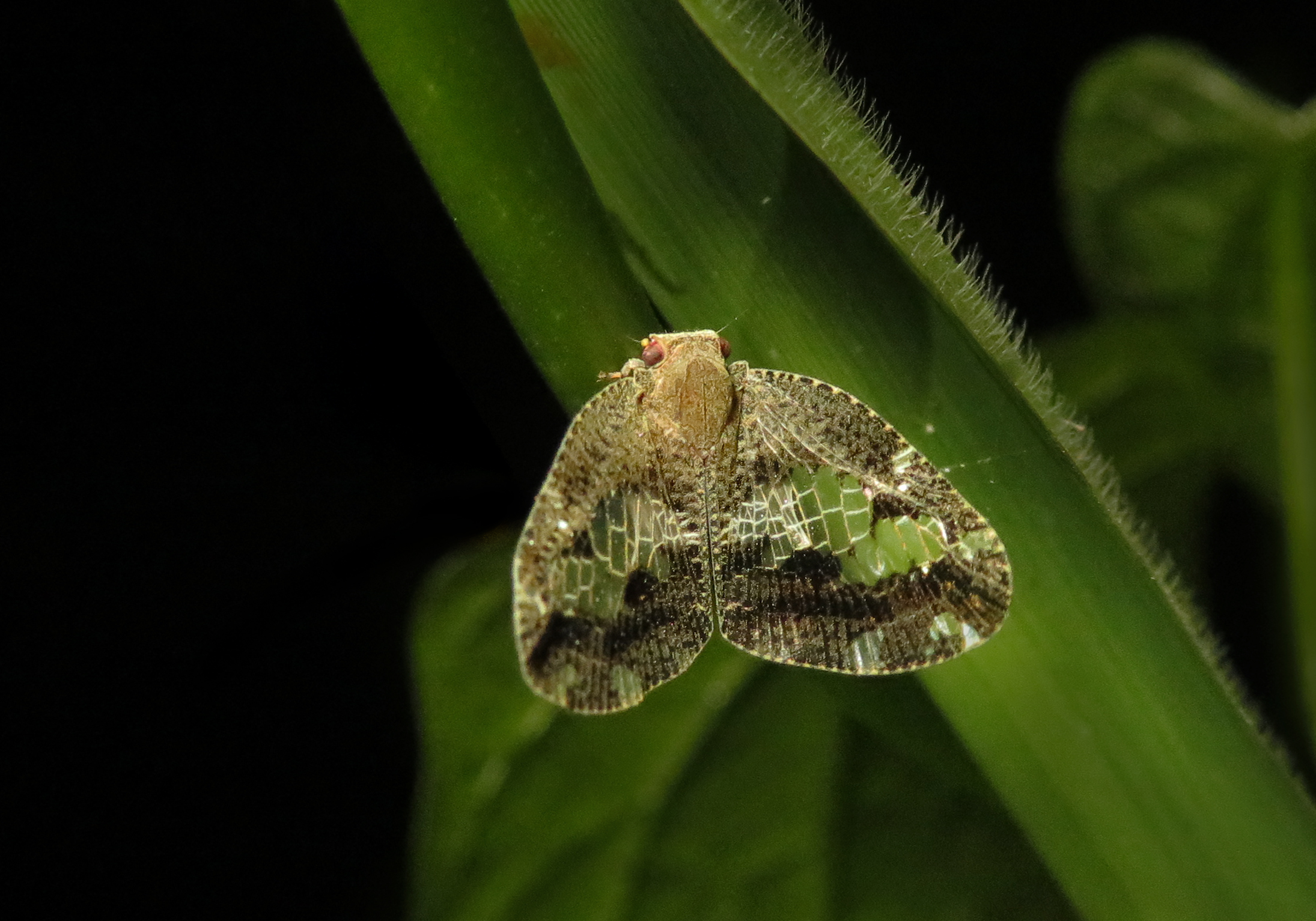
Planthoppers typically have a laterally compressed or robust body, short bristle-like antennae arising below the eyes, and a piercing–sucking rostrum adapted for feeding on phloem sap. The hind legs are often modified for jumping and may bear characteristic spines. Wings are usually well developed; forewings are commonly thickened and held roof-like over the abdomen when at rest, while hindwings are membranous and used in flight.
Fulgoromorpha undergo incomplete metamorphosis, developing through egg, nymph, and adult stages. Nymphs often differ markedly from adults in appearance and behavior and may possess wax-producing glands that secrete filamentous coverings for protection against predators and desiccation. Many species exhibit host-plant specialization, with both nymphs and adults feeding on the same or closely related plant species.
Ecologically, fulgoromorphans play important roles as herbivores within plant communities and as prey for numerous predators. Several species are of major economic importance because they act as vectors of plant pathogens, particularly viruses and phytoplasmas, causing serious diseases in agricultural crops. The infraorder includes numerous families, such as Fulgoridae, Delphacidae, Flatidae, and Ricaniidae, reflecting substantial diversity in form, behavior, and ecological adaptation.