Bali Wildlife
Every Spices Matter


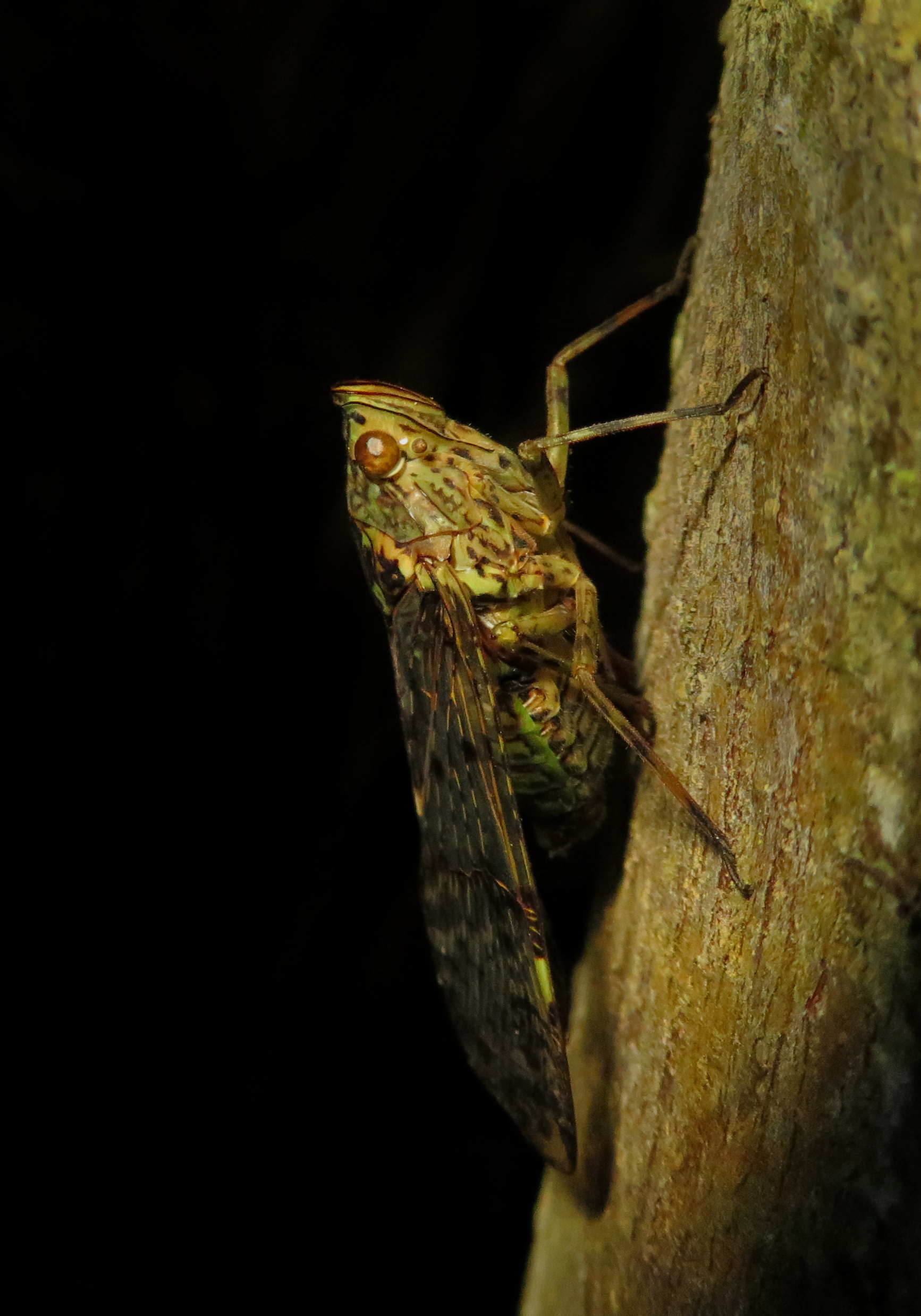
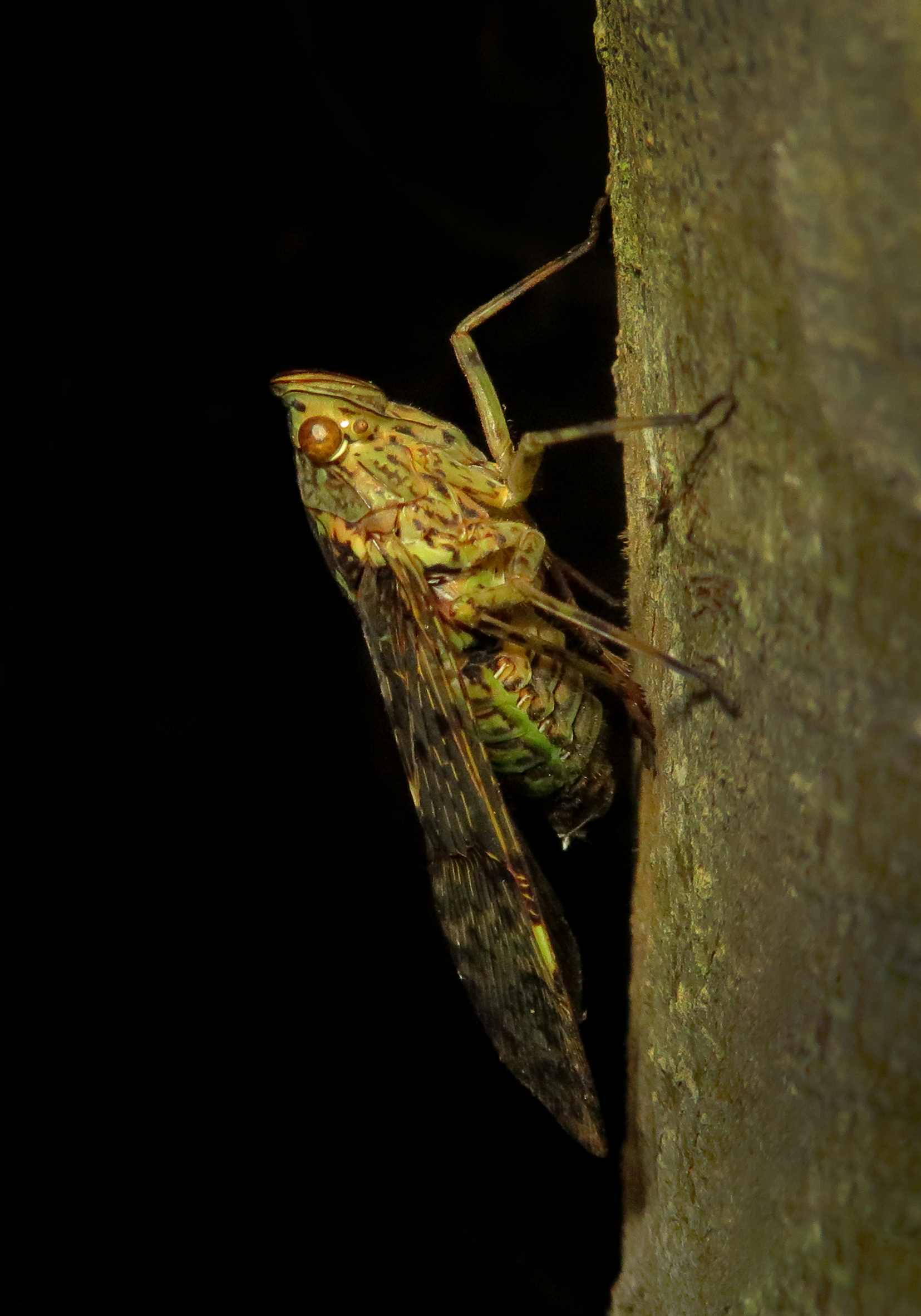
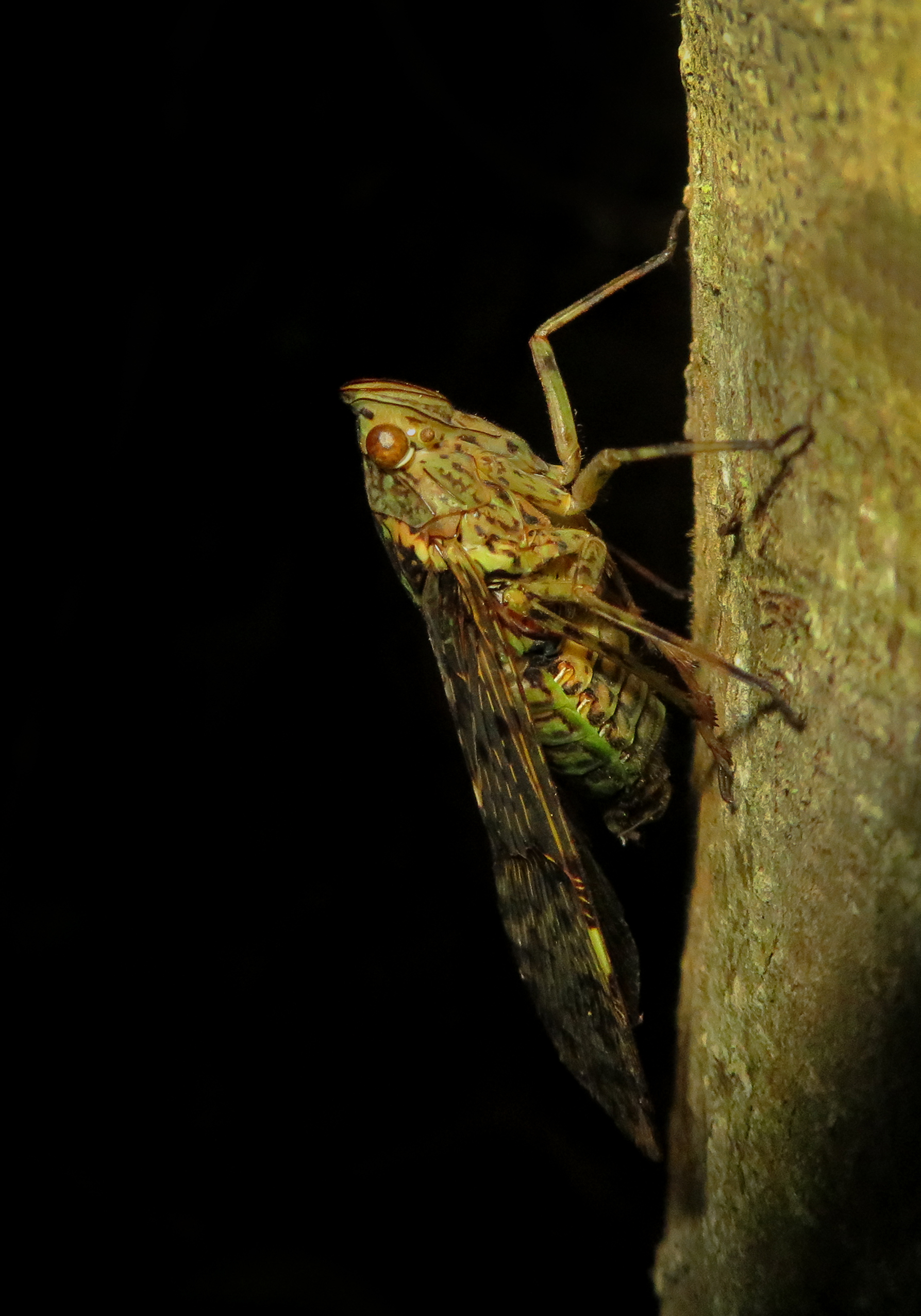
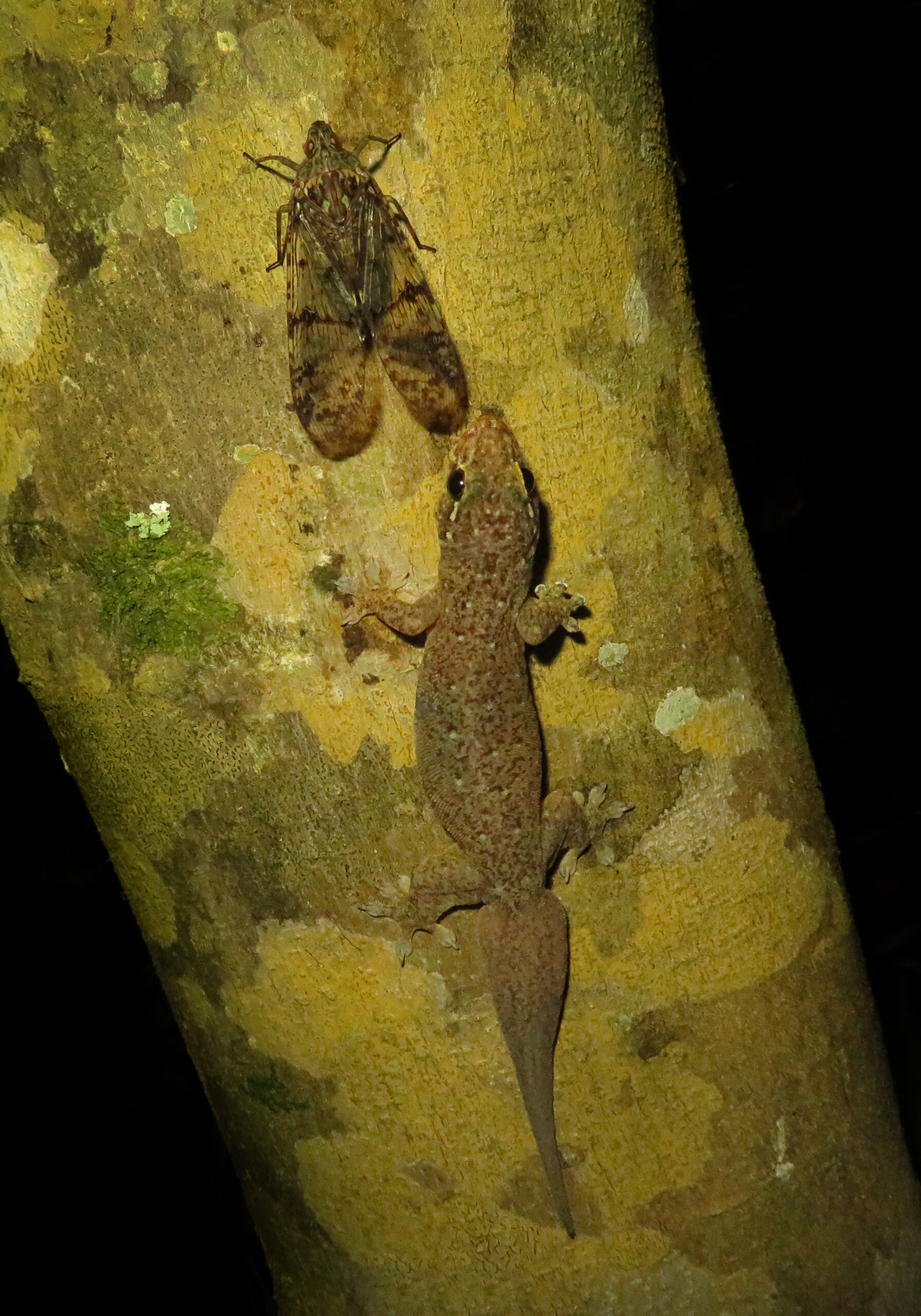
Fulgoridae is a family of planthoppers within the order Hemiptera, commonly known as lanternflies. Despite their common name, these insects do not produce light. The family comprises more than 700 described species distributed mainly throughout tropical and subtropical regions of Asia, Africa, Australia, and the Americas. They inhabit rainforests, woodlands, mangroves, plantations, orchards, and gardens, where they are closely associated with trees, shrubs, and other woody plants.
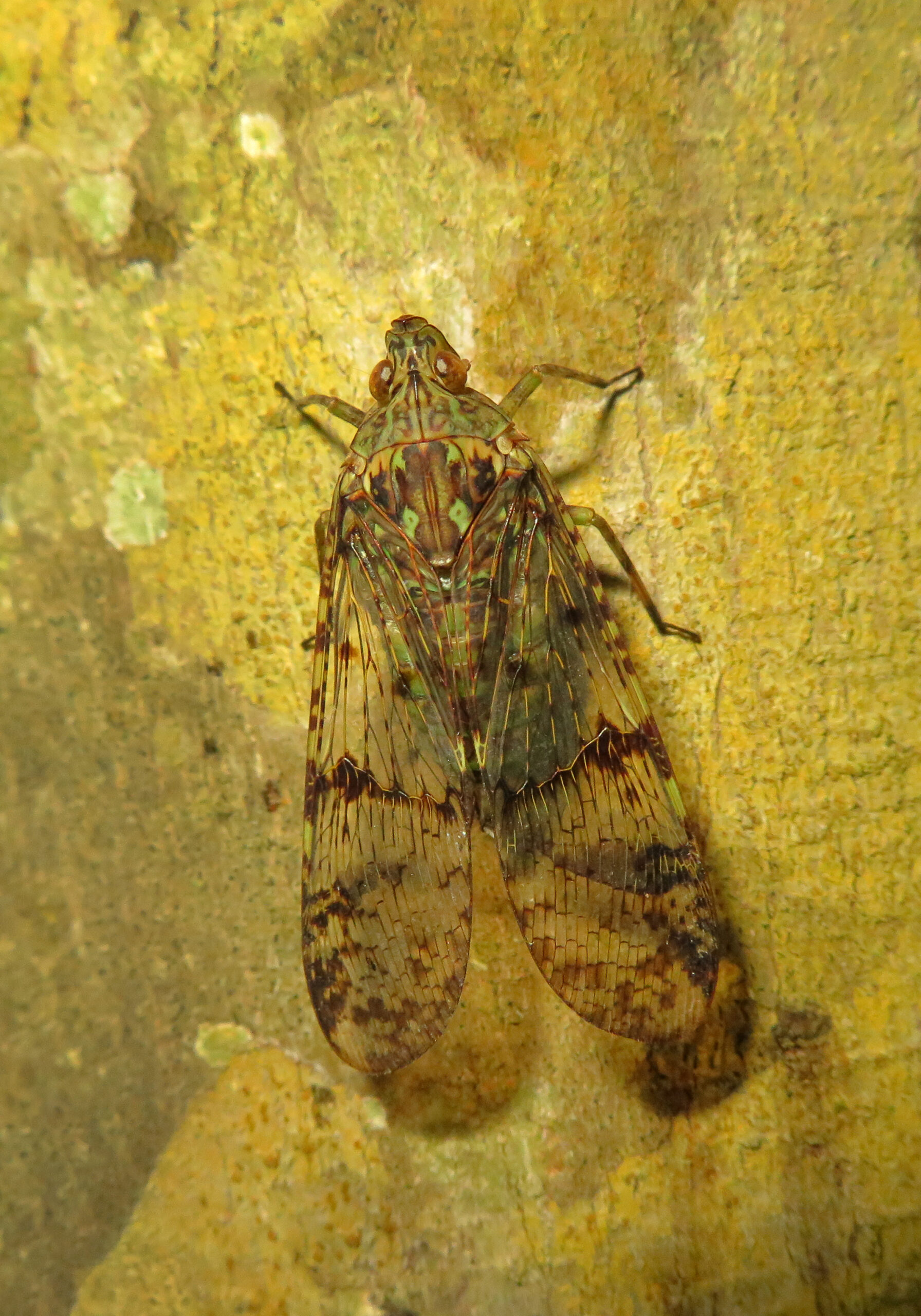
Members of the family Fulgoridae are generally medium to large-sized planthoppers characterized by a stout body, broad membranous forewings, and powerful hind legs adapted for jumping. Many species possess an elongated or inflated projection on the head, known as the cephalic process, which varies greatly in shape and length among species. Although its exact function remains uncertain, it may contribute to camouflage, mimicry, or species recognition.
Coloration is highly variable and often spectacular. Many species display combinations of green, brown, yellow, orange, red, blue, black, or white, with intricate spots, stripes, and eye-like markings. The forewings are frequently cryptically colored to resemble bark or lichens, while the brightly colored hindwings are exposed suddenly during flight, possibly serving to startle predators.
Like other planthoppers, Fulgoridae possess piercing-sucking mouthparts adapted for feeding on plant sap. Both nymphs and adults insert their stylets into stems, branches, or trunks of host plants to obtain nutrients. Nymphs are often covered with waxy filaments secreted by specialized glands, which provide protection against predators and desiccation.
The life cycle involves incomplete metamorphosis, consisting of egg, nymph, and adult stages. Females lay eggs on bark or plant surfaces, often covering them with waxy secretions. Nymphs pass through several developmental stages before molting into winged adults.
The family includes numerous remarkable genera such as Pyrops, Fulgora, Lycorma, Penthicodes, and Zanna, many of which are noted for their striking appearance and elaborate head structures. While most species have little economic impact, a few, such as Lycorma delicatula (the spotted lanternfly), have become serious agricultural pests in regions where they have been introduced.
Ecologically, Fulgoridae species function as herbivores that participate in plant–insect interactions and serve as prey for birds, reptiles, spiders, predatory insects, and parasitoids. They contribute to forest biodiversity and food web dynamics, while their extraordinary morphology and coloration make them among the most distinctive and visually impressive insects in tropical ecosystems.