Bali Wildlife
Every Spices Matter


Formicoidea is a superfamily within the infraorder Aculeata (Suborder Apocrita, Order Hymenoptera) that comprises the ants (family Formicidae). This superfamily represents one of the most evolutionarily successful and ecologically dominant insect lineages on Earth, with a worldwide distribution across almost all terrestrial habitats.
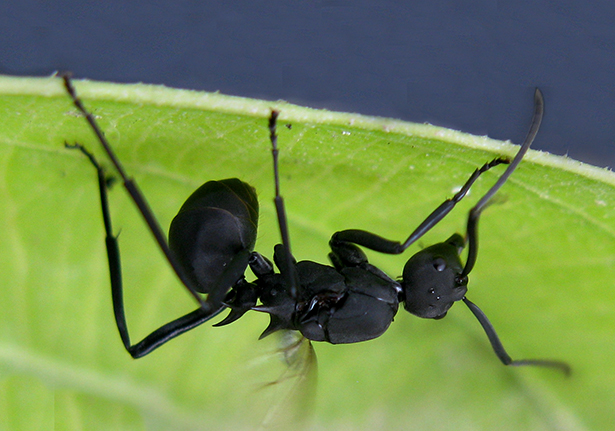
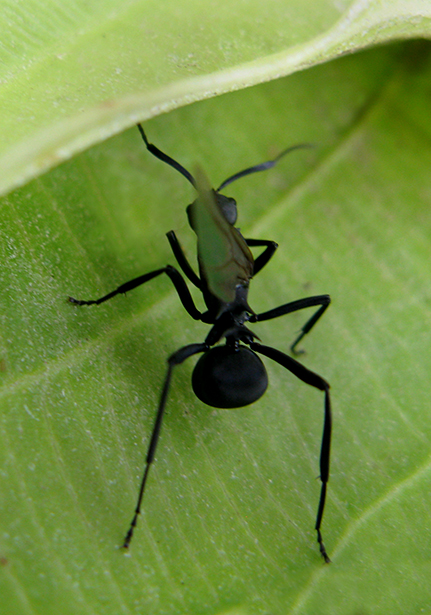
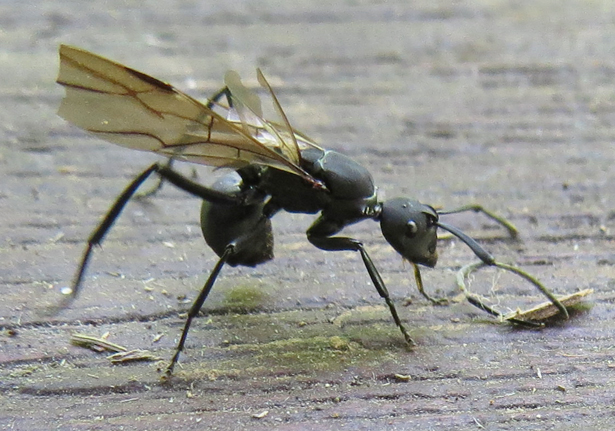
Members of Formicoidea are characterized by a distinct petiole—a narrow, nodal segment (or two segments) connecting the mesosoma and gaster—which provides flexibility and is a key diagnostic feature of ants. The antennae are elbowed (geniculate), enhancing sensory perception and communication. Most ants possess strong mandibles adapted for biting, carrying, cutting, or manipulating objects.
A defining feature of Formicoidea is eusociality. Ant colonies consist of reproductive individuals (queens and males) and non-reproductive workers, with a clear division of labor and cooperative brood care. Communication is highly developed and relies primarily on pheromones, enabling coordinated foraging, defense, and nest construction.
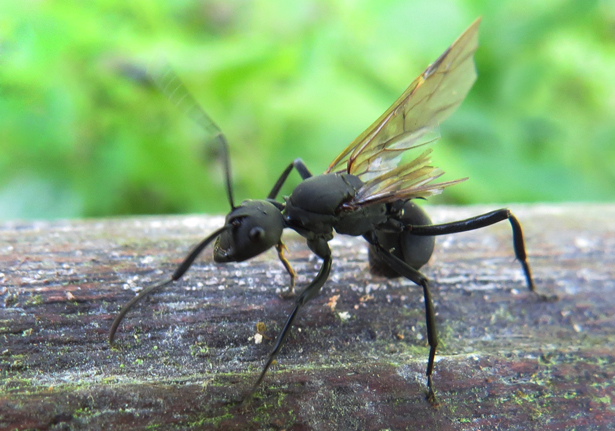
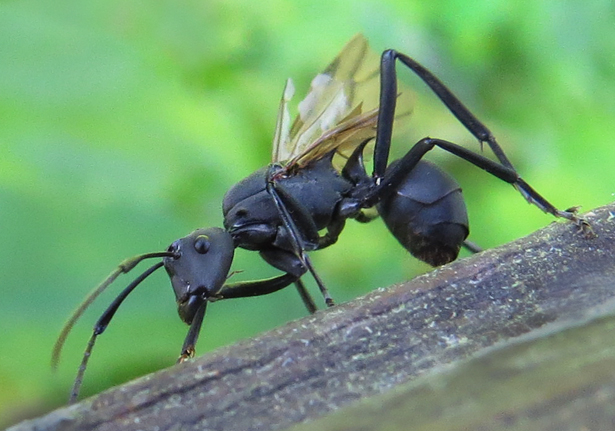
Wings are present only in reproductive forms (alates), which participate in nuptial flights. Workers are wingless. In many species, the stinger is reduced or absent, though venom may still be delivered through a sting or sprayed or applied via specialized glands.
Ecologically, ants are among the most influential organisms in terrestrial ecosystems. They act as predators, scavengers, herbivores, seed dispersers, soil engineers, and mutualists with plants and other insects. Their nesting and foraging activities profoundly affect soil structure, nutrient cycling, and community dynamics.
Development is holometabolous, with egg, larval, pupal, and adult stages. Like other hymenopterans, ants exhibit haplodiploid sex determination, which contributes to their complex social organization.
Superfamily Formicoidea, represented by the family Formicidae, stands as a cornerstone of terrestrial ecosystems, defined by advanced social behavior, morphological specialization, and exceptional ecological impact.