Bali Wildlife
Every Spices Matter


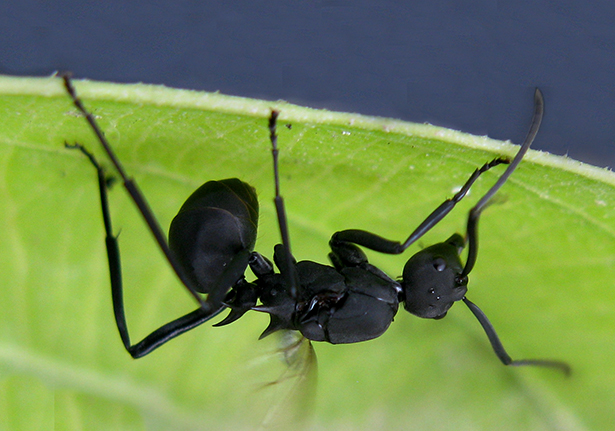
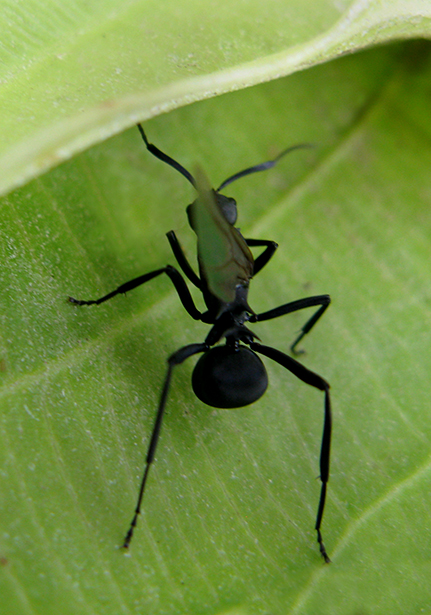
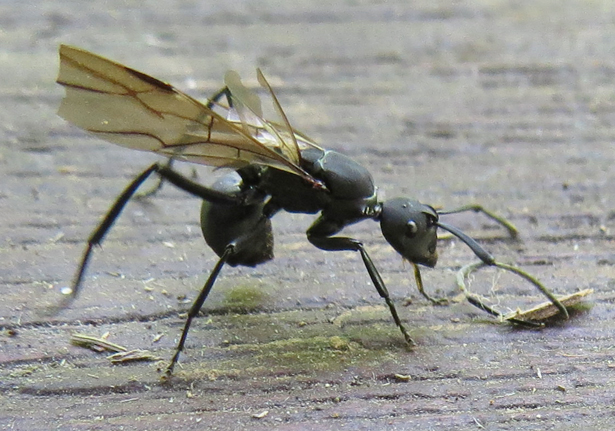
Formicinae is a large and diverse subfamily within the family Formicidae (Superfamily Formicoidea, Order Hymenoptera). It includes many well-known and ecologically important ants and is widely distributed across tropical, subtropical, and temperate regions of the world.
Members of Formicinae are characterized by the absence of a functional stinger. Instead, they possess a well-developed acidopore at the tip of the gaster, through which they spray formic acid and other defensive chemicals. The acidopore is typically circular and fringed with fine hairs, serving as a key diagnostic feature of the subfamily.
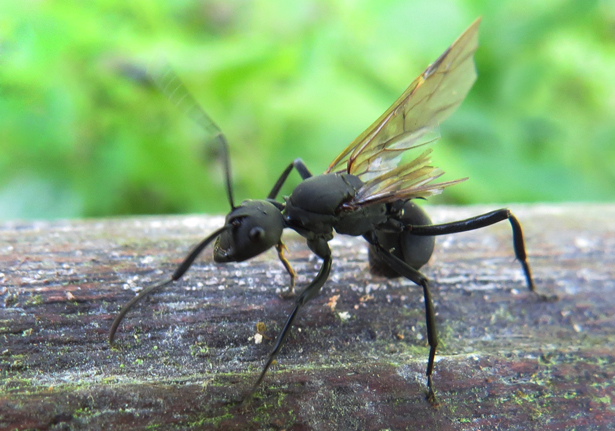
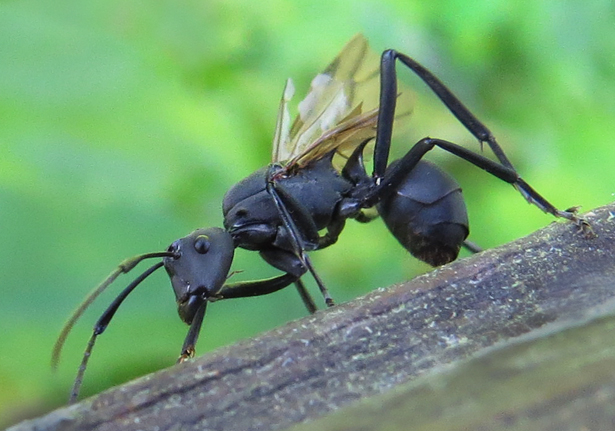
Morphologically, formicine ants usually have a single-segmented petiole, geniculate antennae with a long scape, and well-developed mandibles adapted for diverse tasks such as foraging, defense, and nest construction. Workers may be monomorphic or polymorphic depending on the genus. The body form is generally slender to robust, with coloration ranging from pale yellow to dark brown or black.
Formicinae exhibit a wide range of social behaviors. Colonies can vary from small, simple societies to very large and complex ones with thousands or even millions of workers. Communication relies heavily on chemical signals, especially pheromones used for trail marking, alarm, and nestmate recognition.
Ecologically, formicine ants occupy diverse niches. They function as predators, scavengers, mutualists, and herbivores. Many species tend aphids and other hemipterans for honeydew, while others engage in mutualistic relationships with plants or fungi. Their activities contribute significantly to soil turnover, nutrient cycling, and the regulation of other arthropod populations.
Reproduction follows the typical ant pattern, with winged males and queens participating in nuptial flights. Development is holometabolous, and sex determination is haplodiploid.
Subfamily Formicinae represents a highly successful and adaptable lineage of ants, distinguished by chemical defense via formic acid, flexible social organization, and a major role in terrestrial ecosystem dynamics.