Bali Wildlife
Every Spices Matter


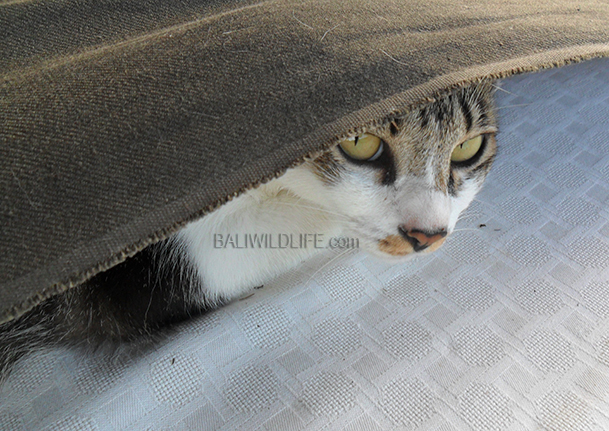
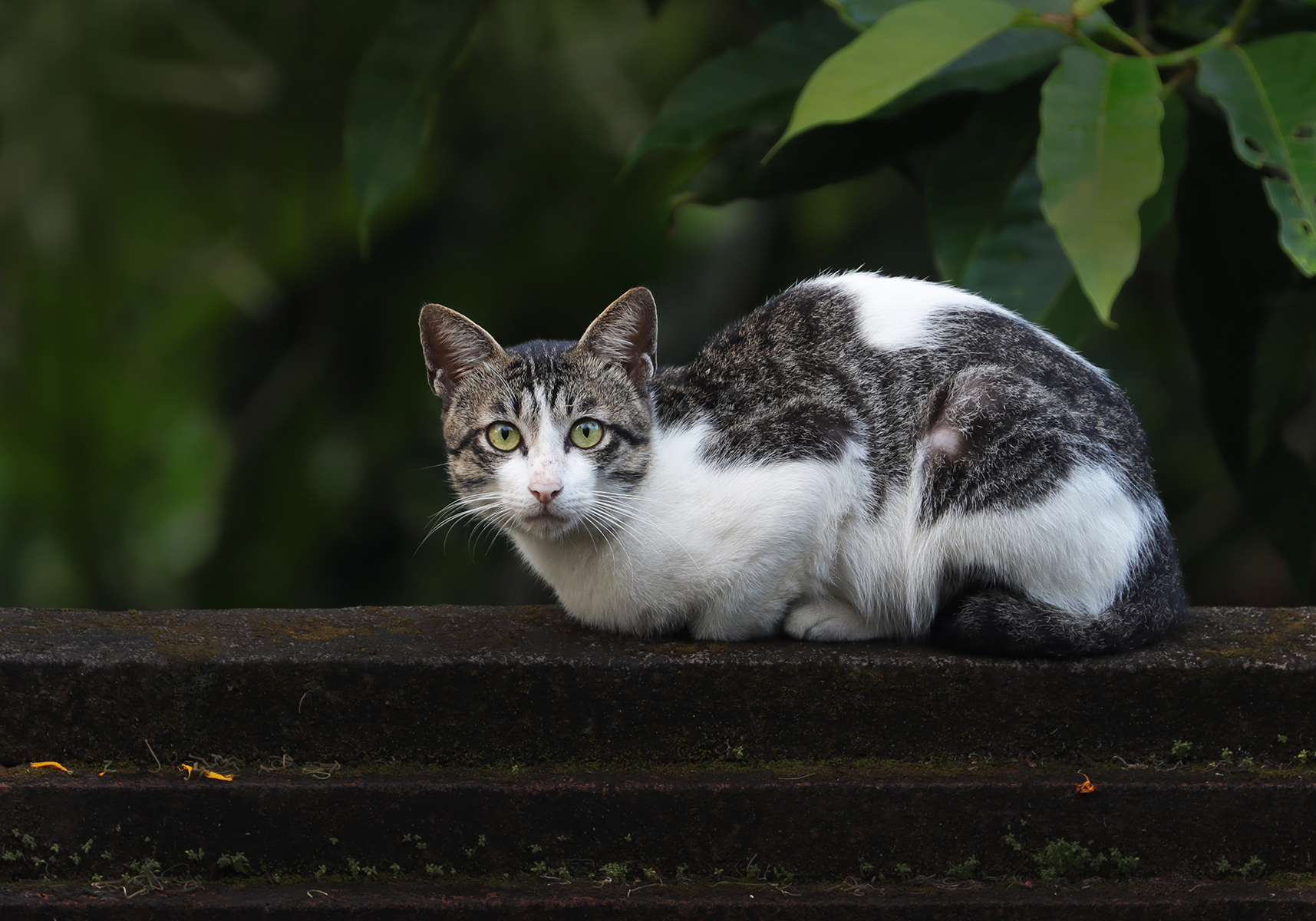
Felis catus, commonly known as the domestic cat, is a small carnivorous mammal belonging to the genus Felis within the family Felidae (order Carnivora). It is one of the most widely kept companion animals in the world and has lived alongside humans for thousands of years.
The domestic cat is believed to have been domesticated from the African wildcat (Felis lybica) approximately 9,000–10,000 years ago in the Near East. Since then, it has spread globally through human trade and migration.
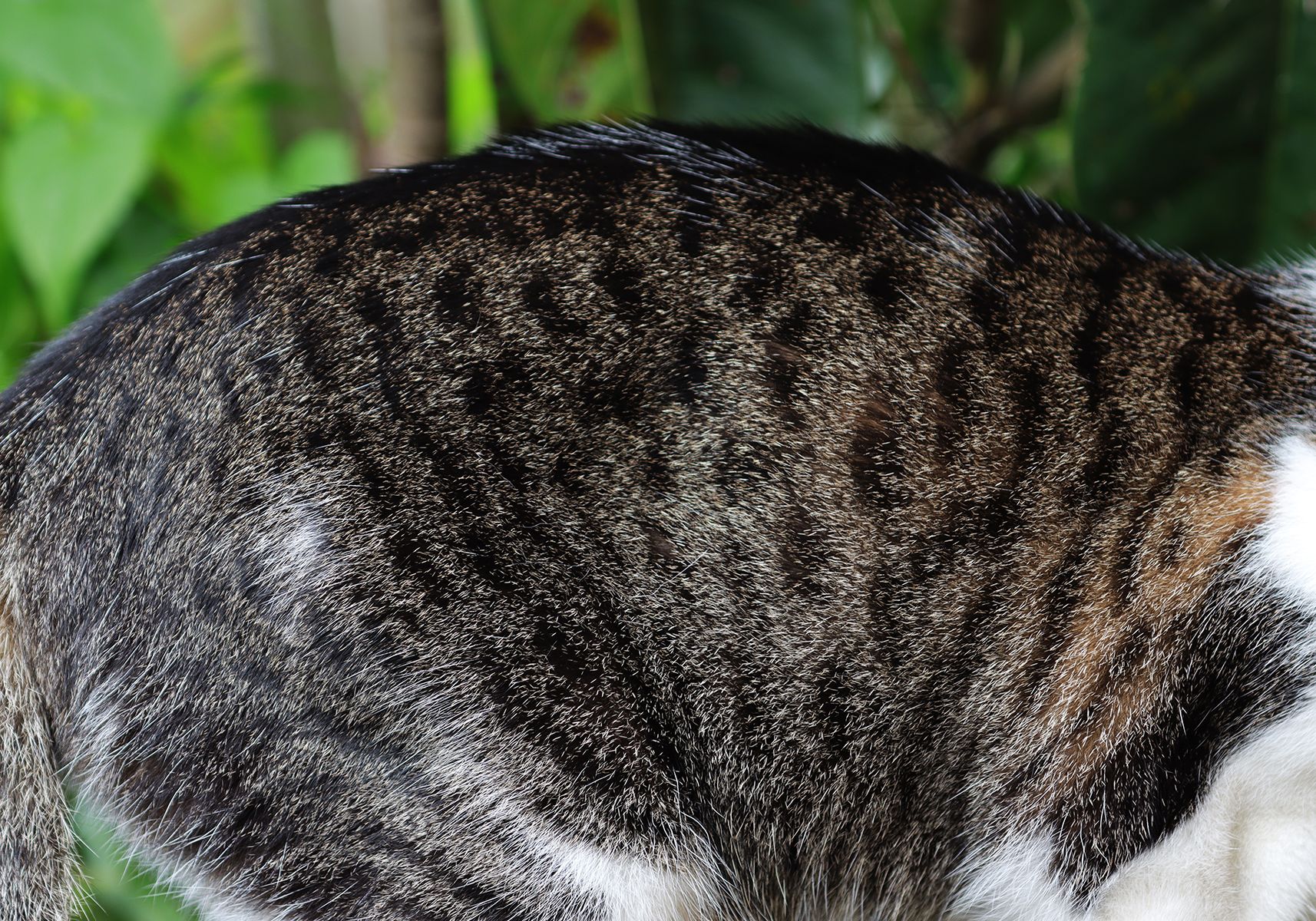
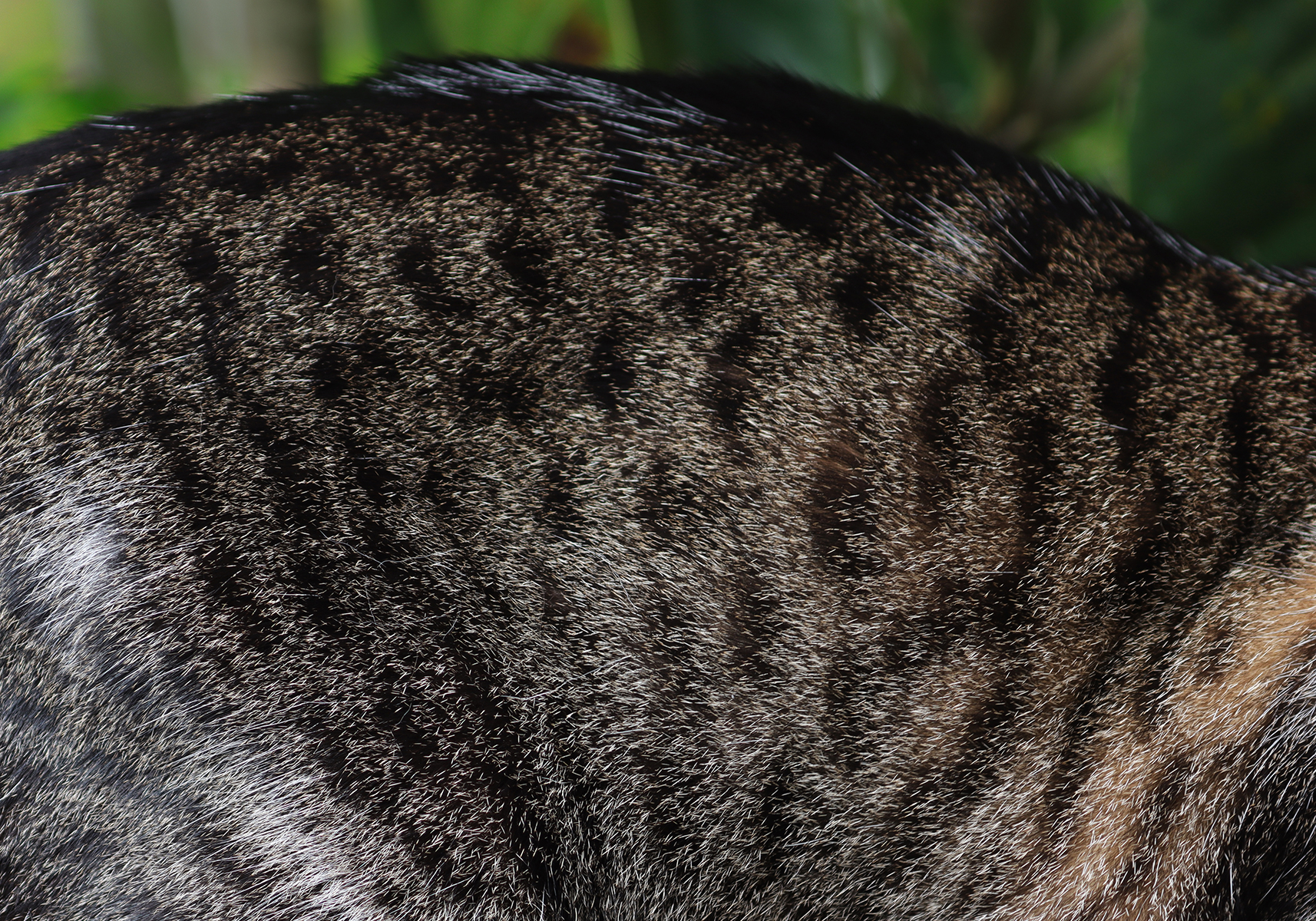
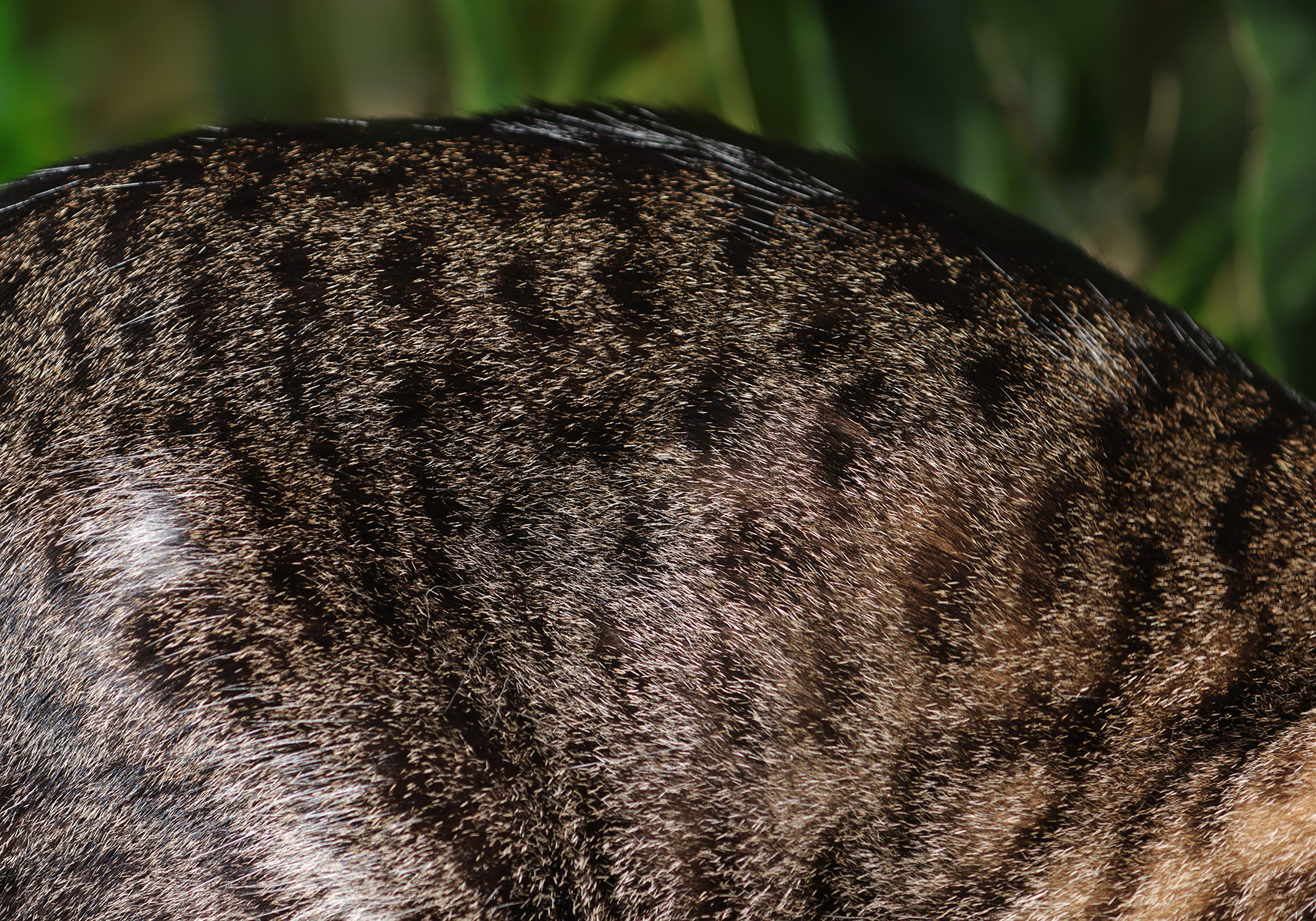
Physically, Felis catus typically weighs between 2.5–7 kg, though size and appearance vary greatly among breeds. It possesses a flexible body, retractile claws, sharp carnassial teeth, and highly developed night vision and hearing. Coat color, length, and pattern are extremely variable due to selective breeding.
Domestic cats are obligate carnivores, requiring a diet rich in animal protein. They are natural hunters, preying on small mammals, birds, and insects. Behaviorally, they are generally solitary but can adapt to social living in human households. Cats communicate through vocalizations (meowing, purring, hissing), body posture, and scent marking.
Ecologically, domestic cats play a complex role. While valued as companions and pest controllers, free-ranging populations can impact native wildlife. Today, Felis catus is found worldwide in homes, farms, and urban and rural environments.