Bali Wildlife
Every Spices Matter


Exoprosopini is a tribe within the subfamily Anthracinae (Family Bombyliidae, Order Diptera), comprising a group of bee flies that are widely distributed across tropical, subtropical, and temperate regions. Members of this tribe are particularly common in open and sunlit habitats such as grasslands, deserts, savannas, and forest edges.
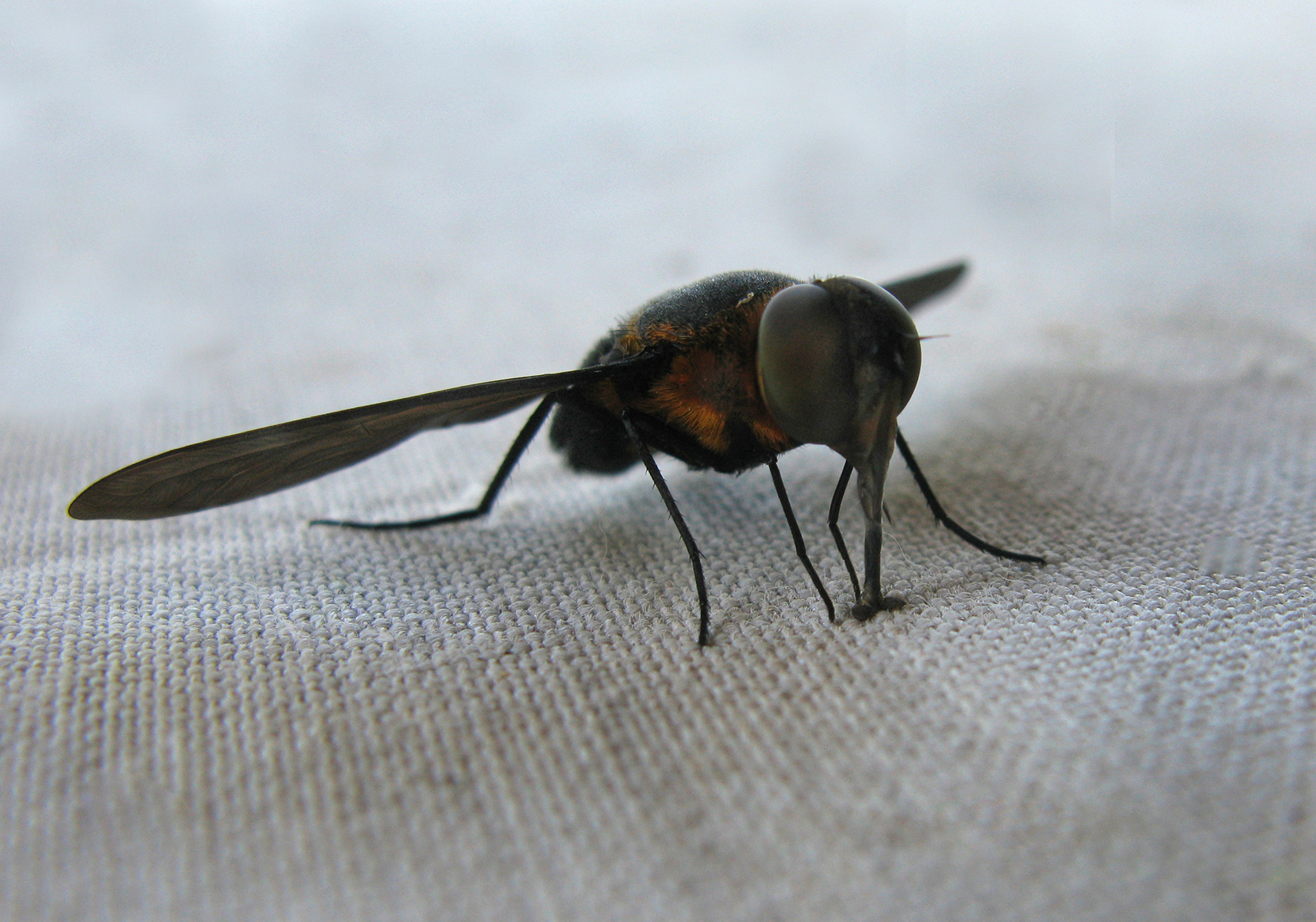
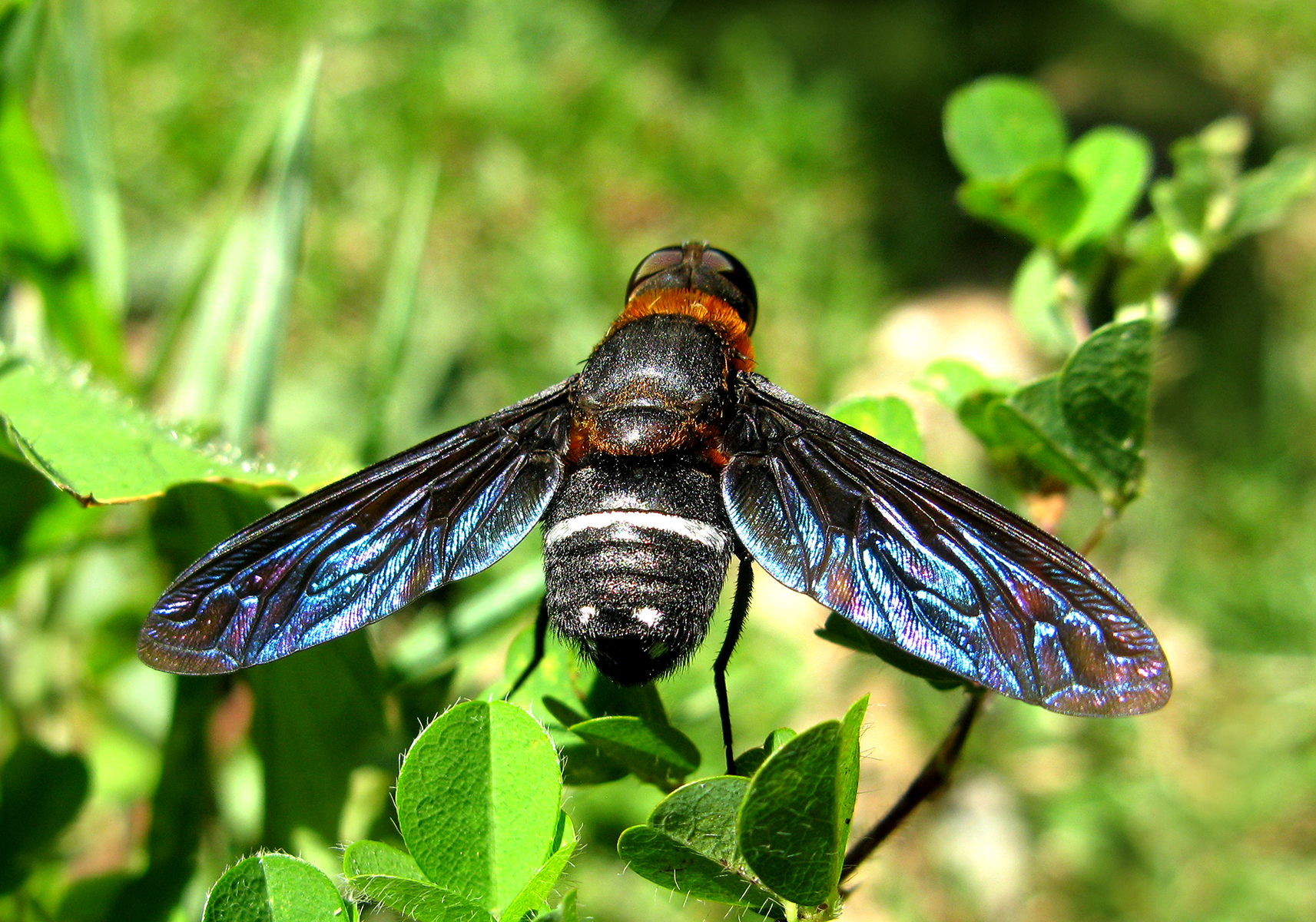
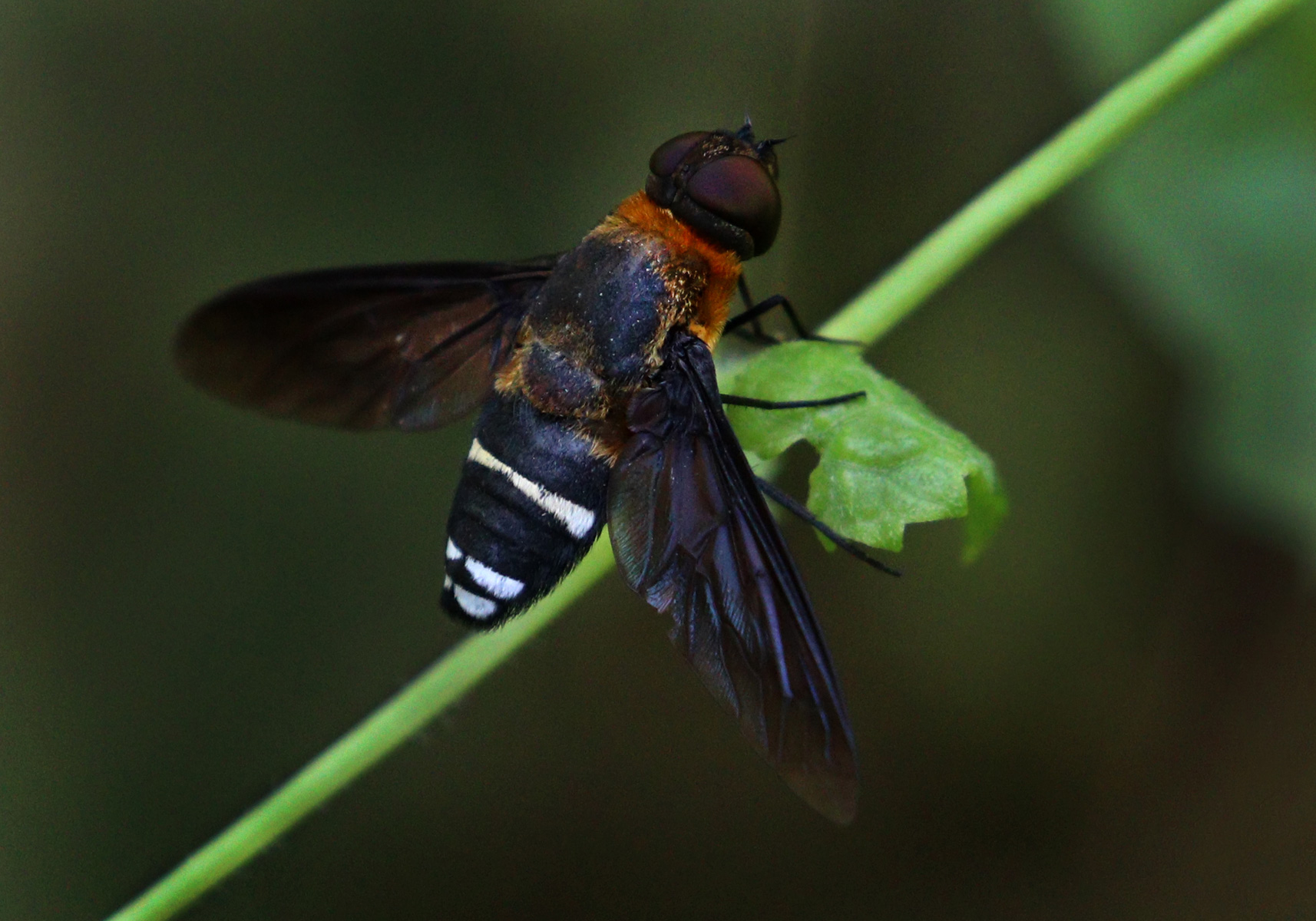
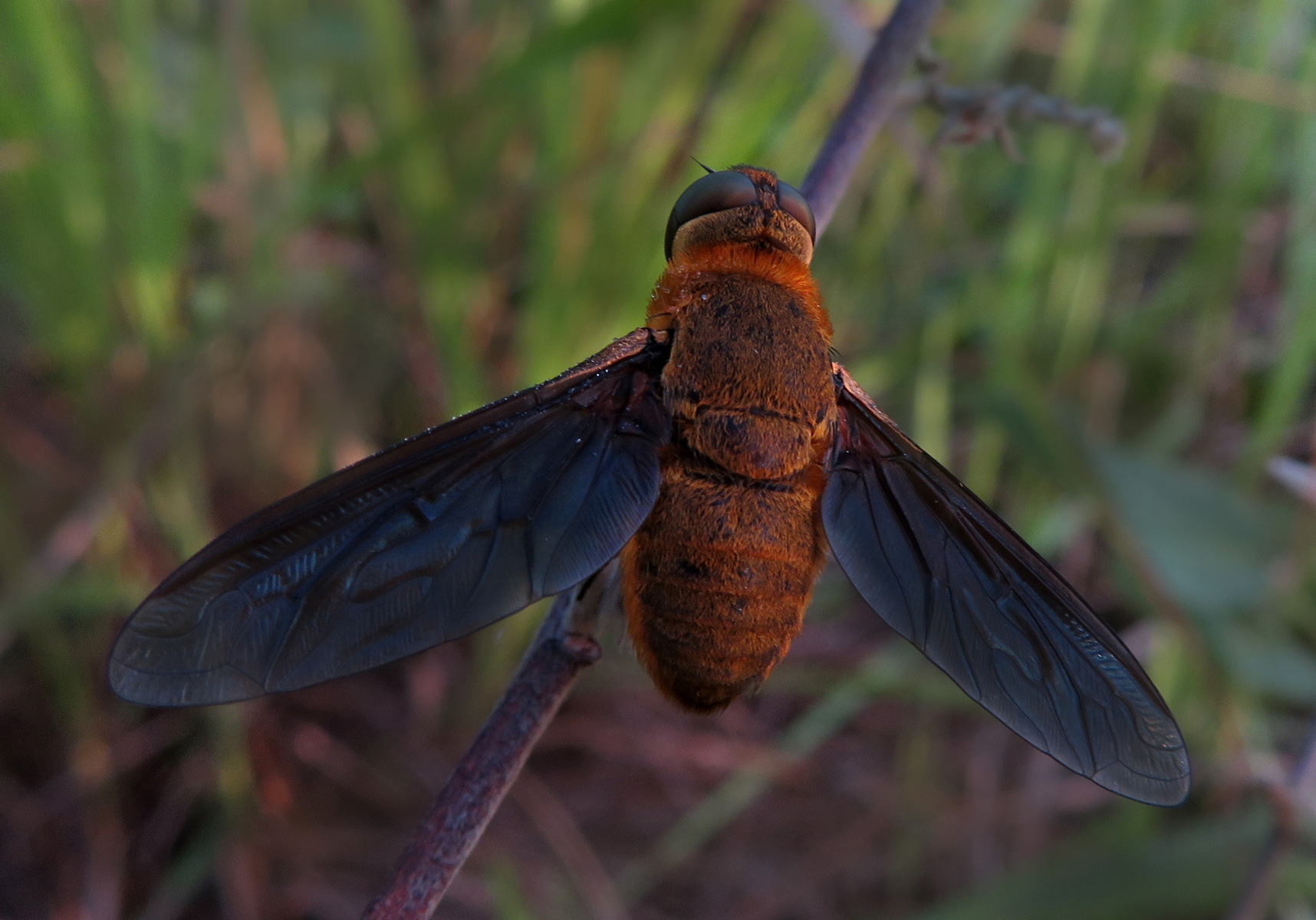
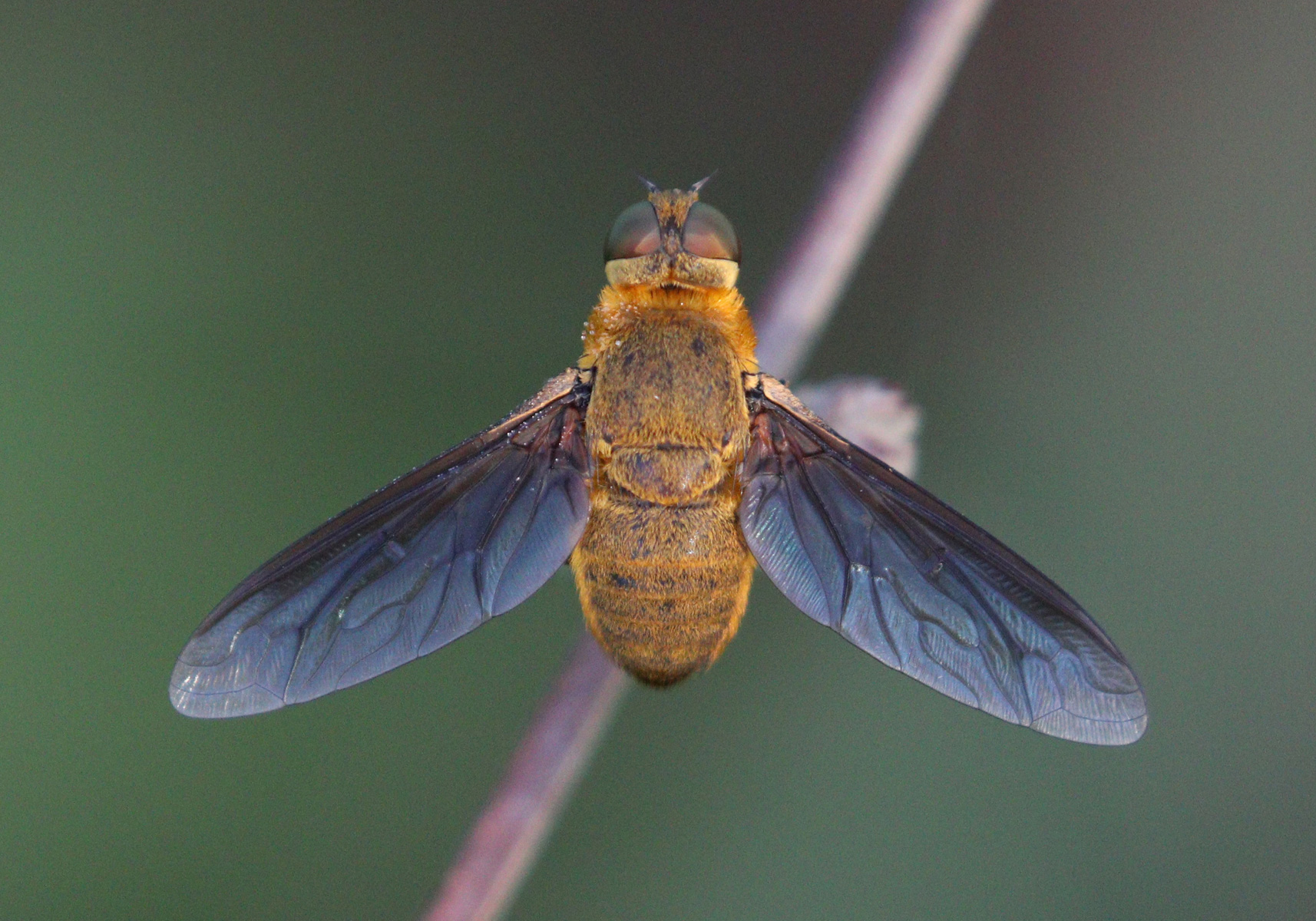
Flies of the tribe Exoprosopini are typically small to medium-sized and are often characterized by dark body coloration combined with striking wing patterns. The wings commonly display bands, spots, or patches of dark pigmentation, which can be used in species recognition and may also provide camouflage or mimicry. The body is usually robust and may be covered with fine hairs.
The head is large, with well-developed compound eyes and short antennae. Many species possess a moderately long proboscis adapted for feeding on nectar. Adults are agile fliers and are frequently observed hovering near flowers, where they feed without landing or while briefly perching.
The life cycle involves complete metamorphosis. Larvae are parasitoids and develop on or within the immature stages of other insects, particularly solitary bees, wasps, and other ground-nesting insects. Females typically lay eggs near host habitats, and the larvae actively seek out and parasitize their hosts.
The tribe includes genera such as Exoprosopa and related forms, which are often recognized by their distinctive wing markings and hovering flight behavior.
Ecologically, Exoprosopini species play a dual role in ecosystems. Adults contribute to pollination by visiting flowers, while larvae help regulate populations of other insects through parasitism. This combination of ecological functions makes them important components of biodiversity, especially in open and dry environments.