Bali Wildlife
Every Spices Matter


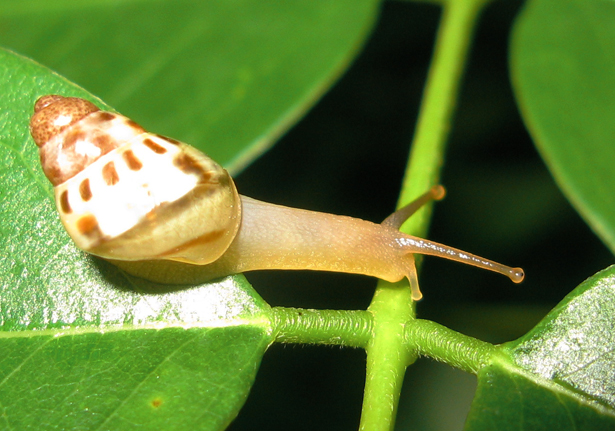
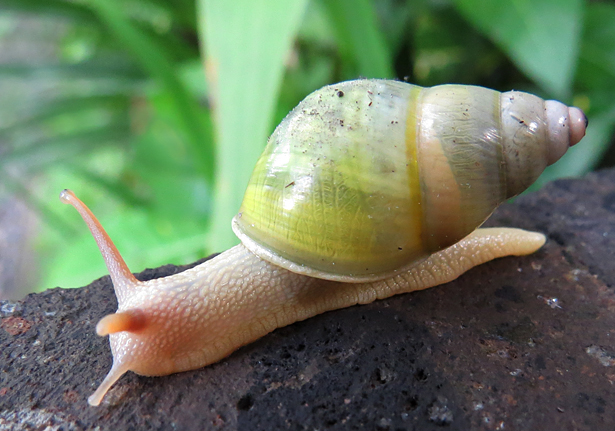
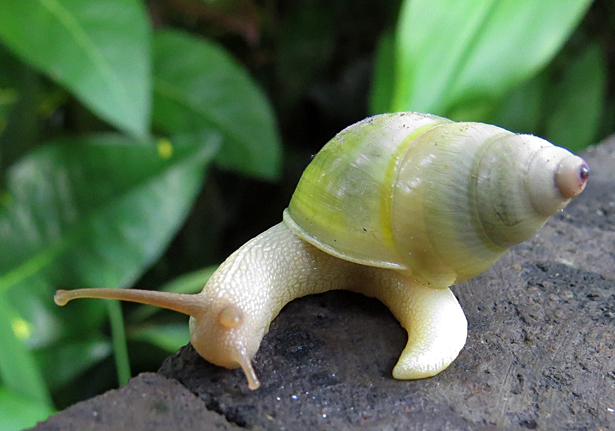
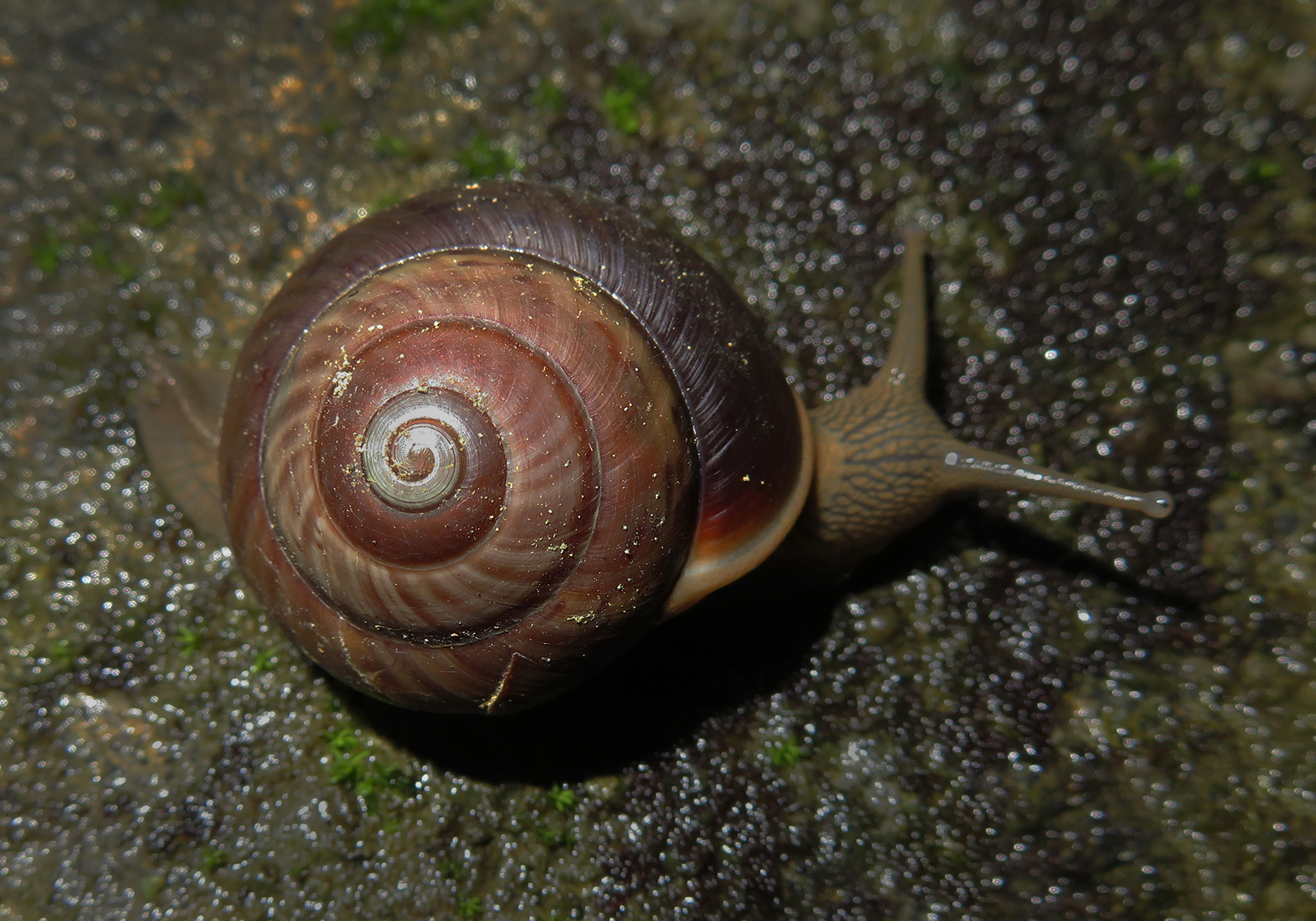
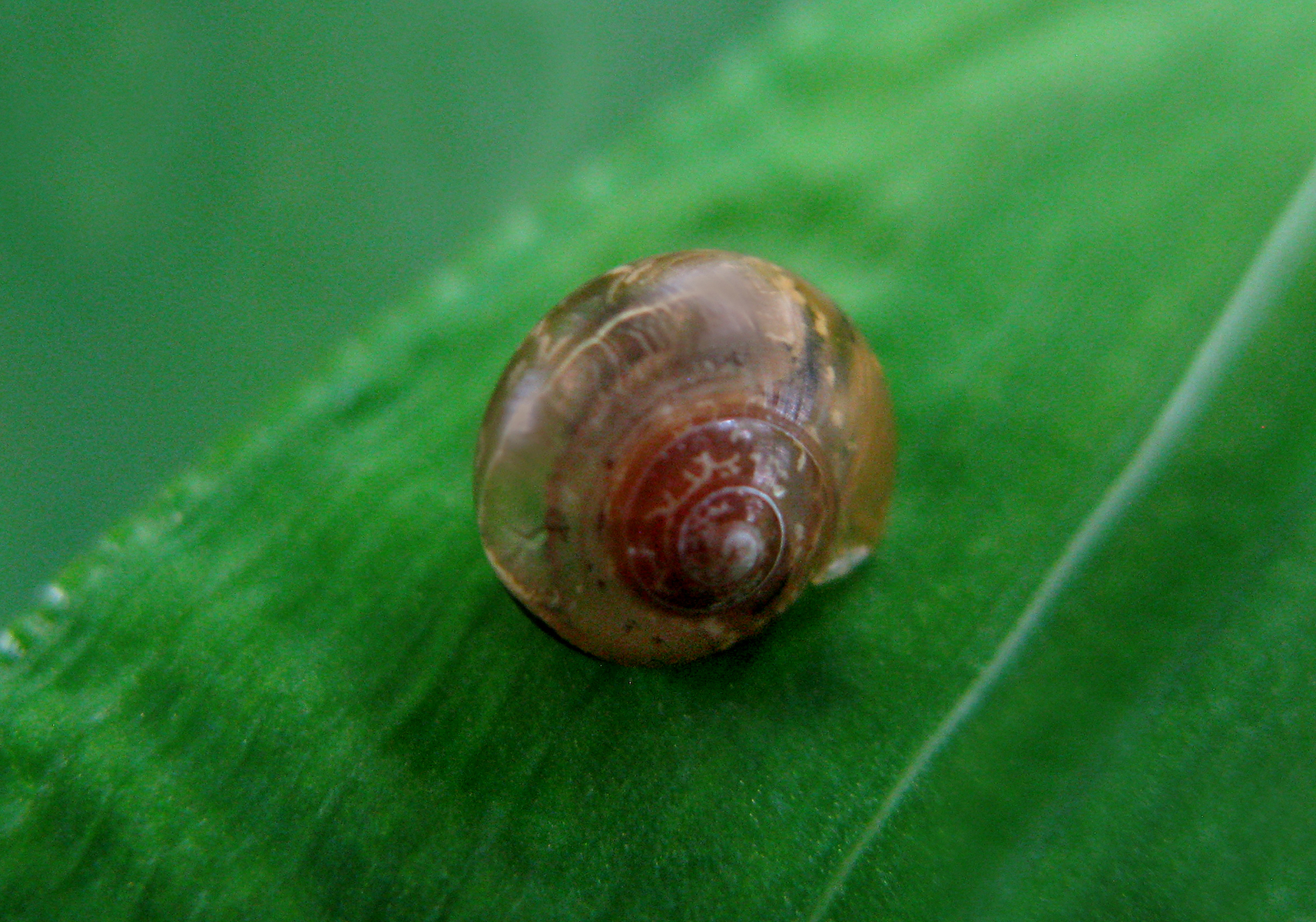
Euthyneura is a major infraclass within the subclass Heterobranchia (Class Gastropoda, Phylum Mollusca), encompassing a large and evolutionarily advanced group of marine, freshwater, and terrestrial snails and slugs. This lineage includes many familiar gastropods such as sea slugs, terrestrial snails, and related forms.
The defining characteristic of Euthyneura is the condition known as euthyneury, in which the visceral nerve cords are arranged symmetrically rather than twisted, as occurs in many other gastropods. This anatomical reorganization is associated with increased nervous system centralization and more complex sensory and behavioral capabilities.
Shell morphology in euthyneurans is highly variable. Some species retain a well-developed external shell, while others exhibit shell reduction, internalization, or complete loss, particularly among marine slugs. In many lineages, partial or complete detorsion has occurred, reducing the effects of the 180-degree torsion typical of gastropods.
Respiratory structures differ depending on habitat. Marine species may possess gills or secondary respiratory surfaces, while terrestrial members have a pulmonate lung formed from the mantle cavity. Sensory organs are often well developed, supporting diverse feeding and environmental adaptations.
Feeding strategies are extremely diverse and include herbivory, detritivory, predation, parasitism, and specialized dietary habits. Some marine euthyneurans are known for chemical defense mechanisms derived from their prey.
Reproduction in Euthyneura is commonly hermaphroditic, with complex reproductive systems and behaviors. Internal fertilization is typical, and development ranges from planktonic larval stages in marine forms to direct development in many terrestrial and freshwater species.
Infraclass Euthyneura represents a highly successful evolutionary radiation within Heterobranchia, distinguished by nervous system reorganization, trends toward shell reduction, and broad ecological adaptability across aquatic and terrestrial environments.