

Genus Euryphagus
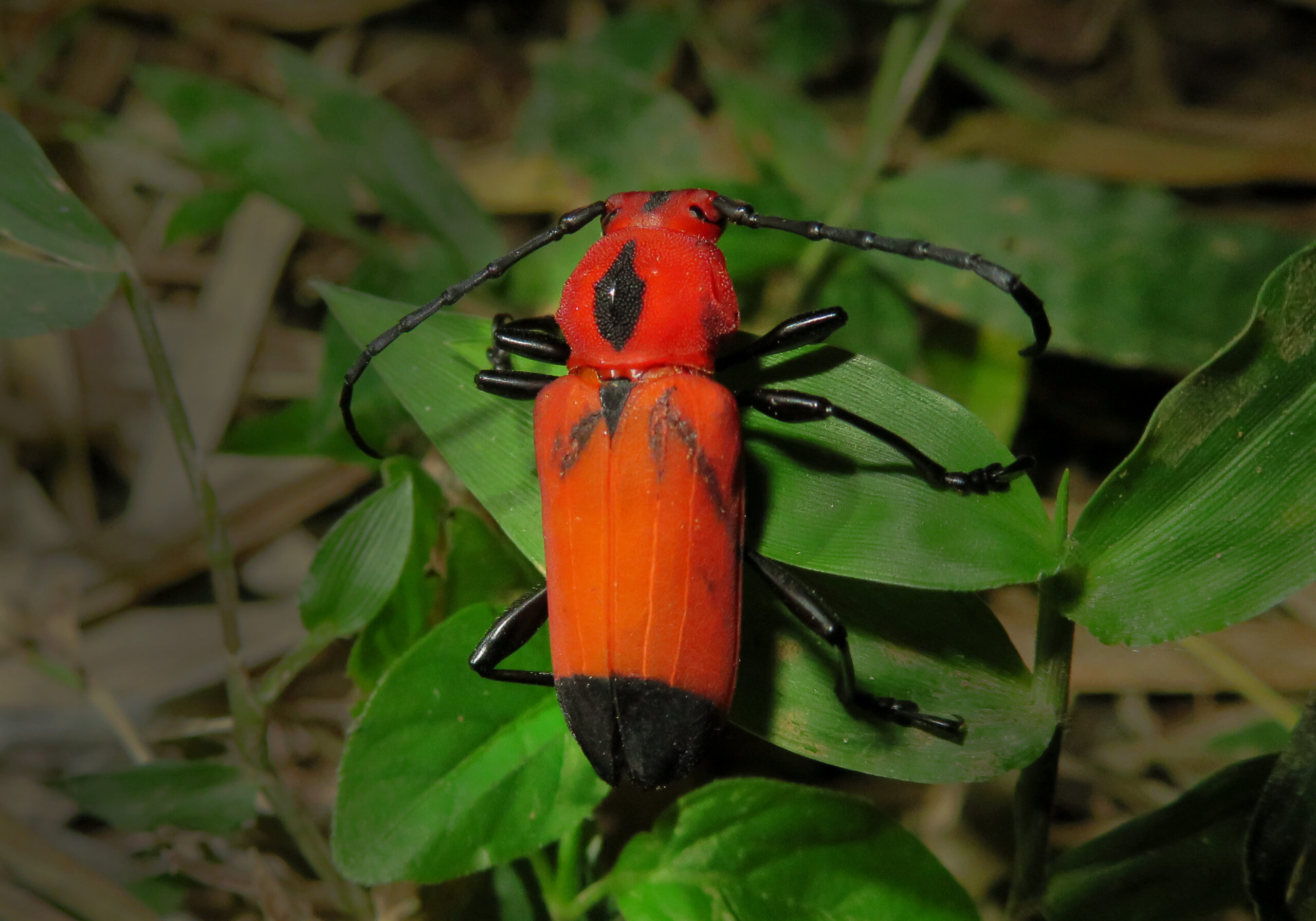
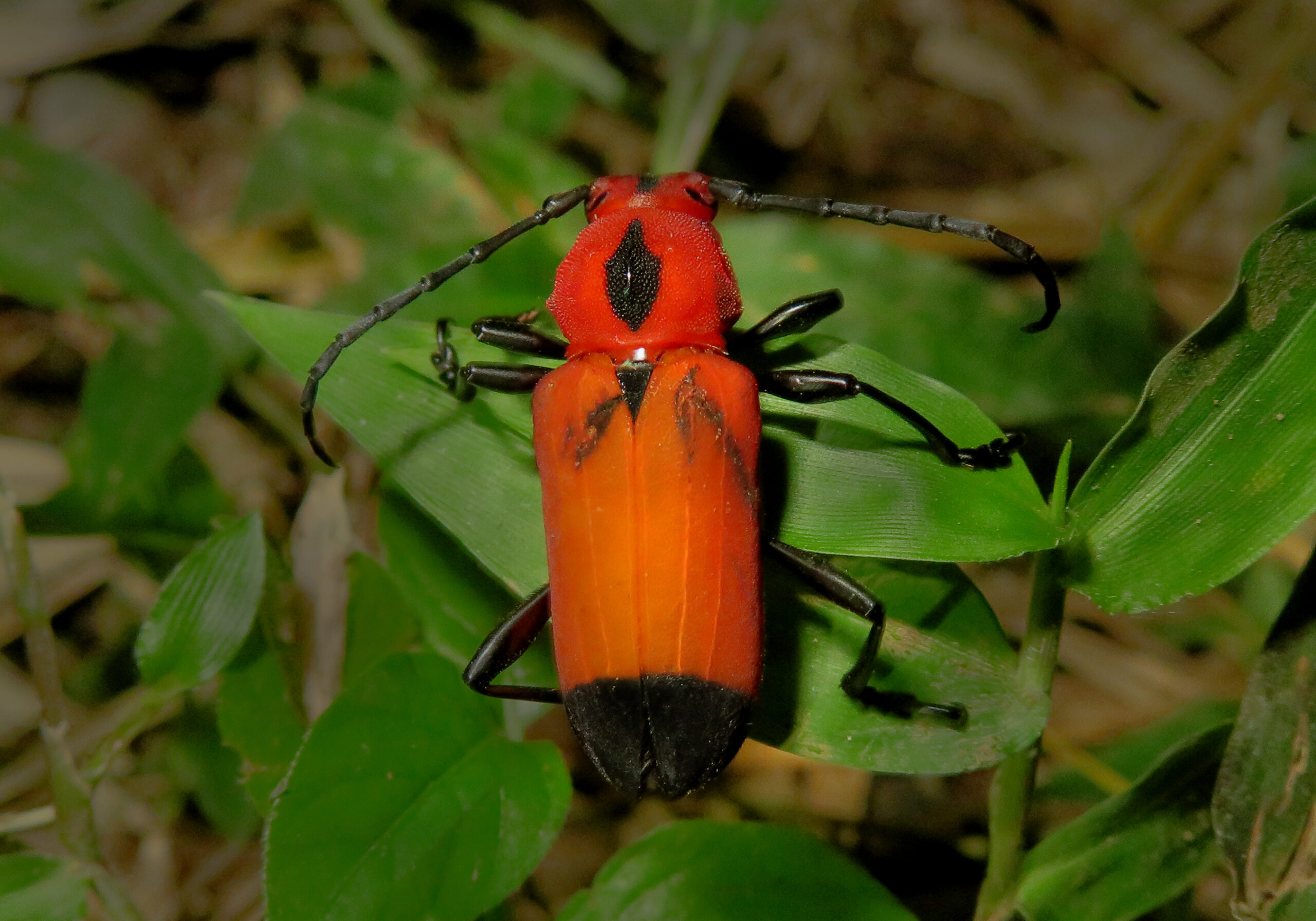
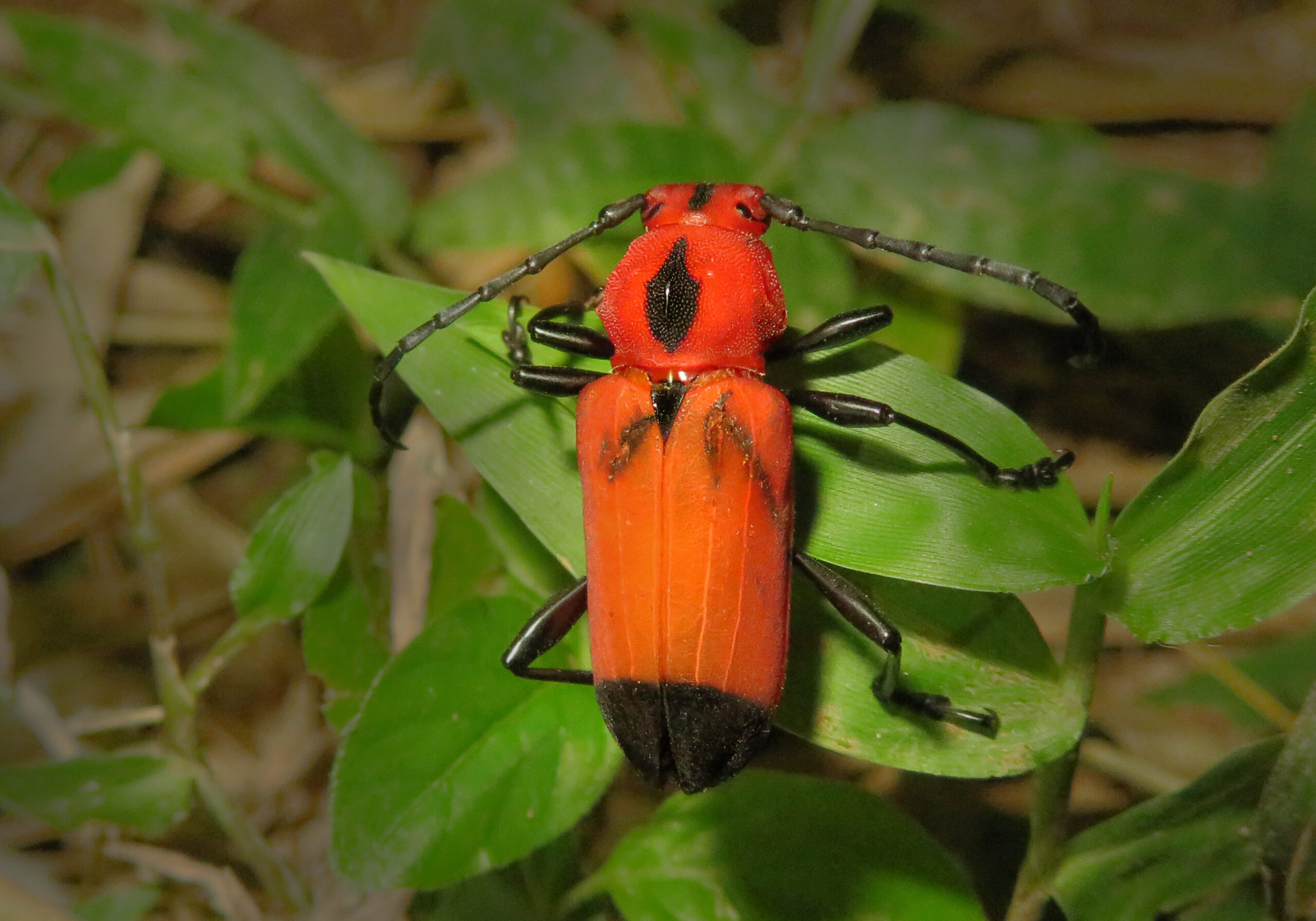
Euryphagus is a genus of longhorn beetles within the subtribe Trachyderina (Tribe Trachyderini, Subfamily Cerambycinae, Family Cerambycidae, Order Coleoptera). Species of this genus are distributed primarily in South and Southeast Asia, where they inhabit tropical and subtropical forests, forest edges, plantations, and other wooded habitats. Adults are commonly associated with mature trees and decaying wood, while the larvae develop within woody plant tissues.
Beetles of the genus Euryphagus are generally medium to large in size and are characterized by an elongated, robust body and long, segmented antennae, which are often as long as or longer than the body in males. The body is strongly sclerotized and typically dark brown to black, sometimes with reddish-brown, yellowish, or pale markings depending on the species. Fine hairs and textured sculpturing on the pronotum and wing covers (elytra) provide effective camouflage against tree bark.
Adults are active mainly during the warmer months and are frequently found resting on tree trunks, branches, fallen logs, or recently cut timber. Many species are nocturnal or crepuscular and may be attracted to artificial lights. Adults may feed on tree sap, nectar, pollen, or other plant exudates, although feeding is generally limited compared with the larval stage.
The life cycle involves complete metamorphosis, consisting of egg, larva, pupa, and adult stages. Females lay eggs in bark crevices, wounds, or exposed wood of suitable host trees. After hatching, the creamy-white, legless larvae bore into the wood, feeding on the inner bark and sapwood while excavating tunnels. Development may take several months to more than a year, depending on the species, host plant, and environmental conditions. Pupation occurs within the wood, and the adult emerges through a characteristic circular exit hole.
Species of Euryphagus are primarily associated with dead, dying, or weakened trees, where they contribute to the decomposition of woody material. Some species may occasionally develop in recently felled timber, but they are generally regarded as components of natural forest ecosystems rather than major pests.
Ecologically, Euryphagus beetles play an important role in nutrient cycling by accelerating the breakdown of wood and creating galleries that provide habitats for fungi and other invertebrates. Adults also serve as prey for birds, reptiles, mammals, spiders, and predatory insects. Their close association with mature forests and decaying wood makes them valuable contributors to forest biodiversity and indicators of healthy woodland ecosystems.