Bali Wildlife
Every Spices Matter


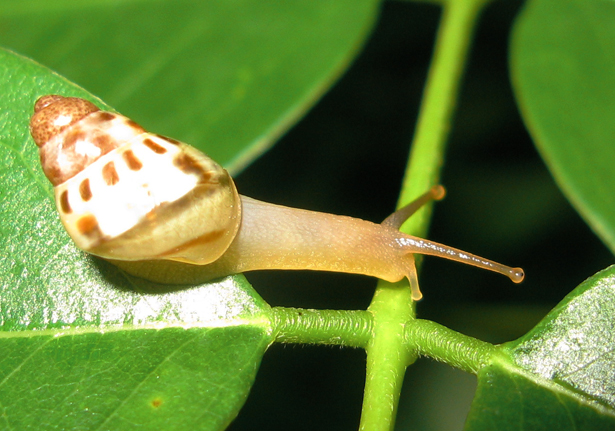
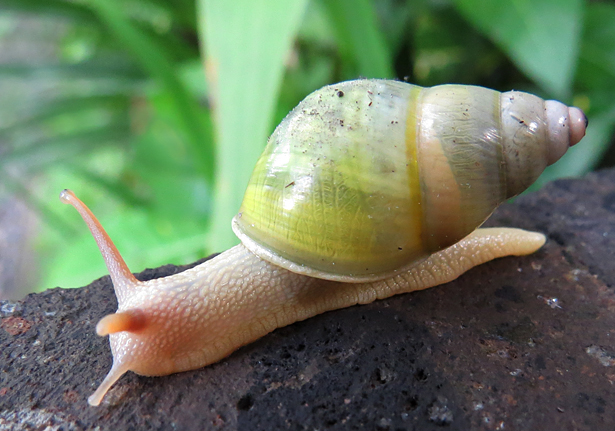
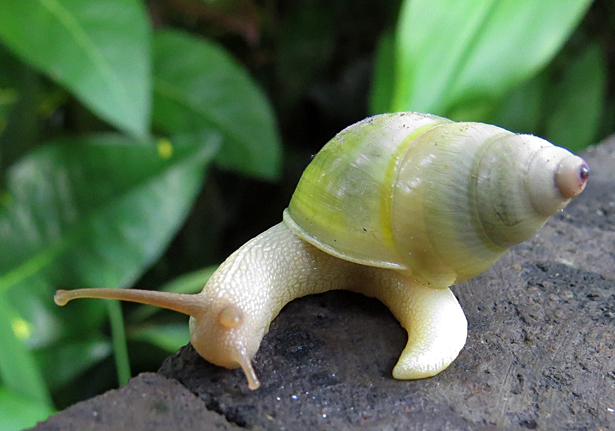
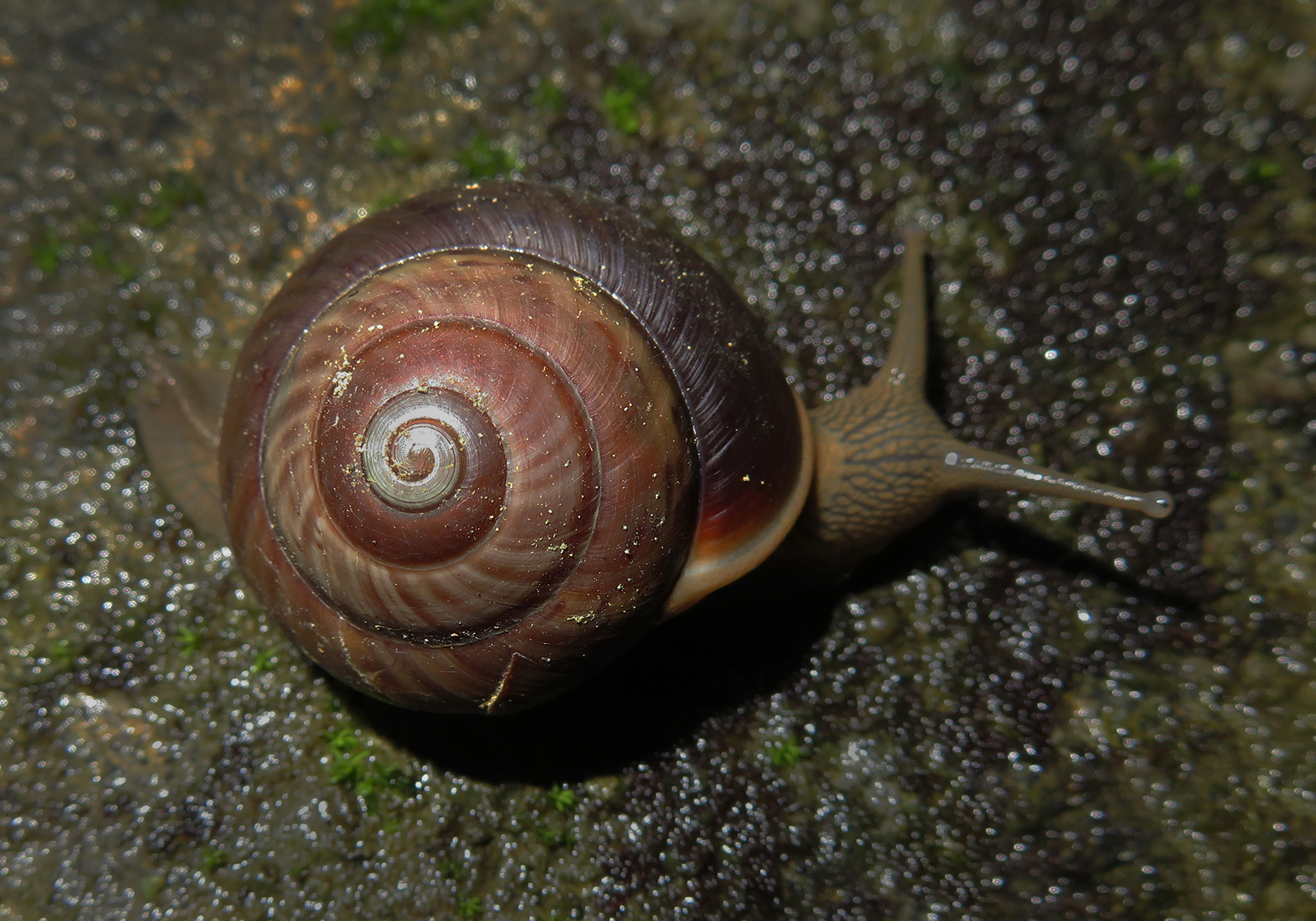
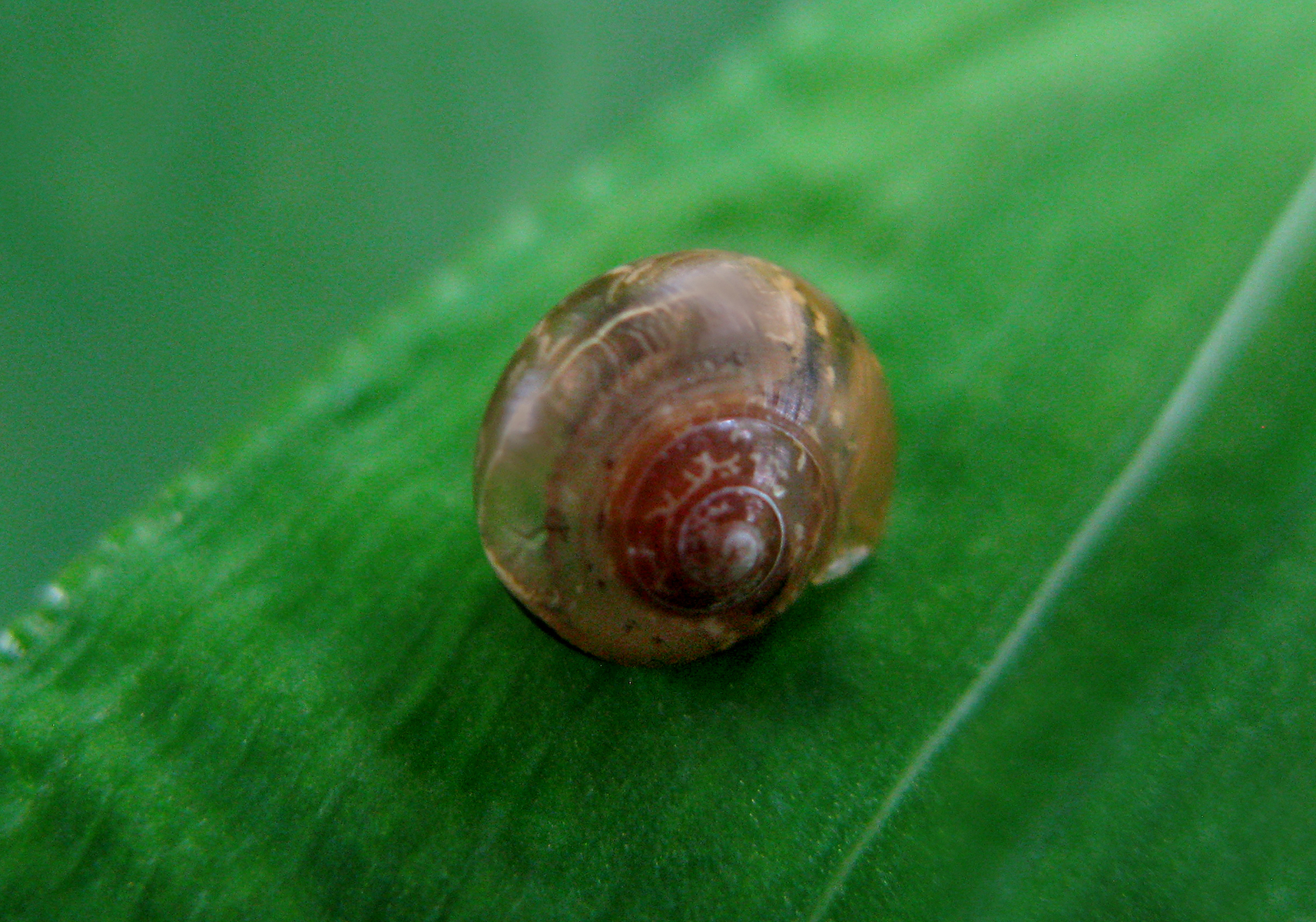
Eupulmonata is a superorder within the subterclass Tectipleura (Infraclass Euthyneura, Subclass Heterobranchia, Class Gastropoda, Phylum Mollusca). This group includes the majority of air-breathing land snails and slugs, as well as several freshwater lineages, and represents one of the most successful terrestrial radiations of gastropods.
Members of Eupulmonata are characterized by the presence of a highly developed pulmonate lung, formed from the mantle cavity and adapted for efficient air breathing. The mantle cavity typically opens to the outside through a small respiratory opening called the pneumostome. True gills are absent in terrestrial forms.
Shell morphology varies widely within the superorder. Many species possess a well-developed, often coiled external shell, while others—particularly slugs—show shell reduction or complete loss. The body is generally elongate with a muscular foot adapted for crawling on land, and the head bears tentacles with eyes positioned at their tips or bases, depending on the lineage.
Eupulmonates exhibit advanced nervous system organization and well-developed sensory structures, supporting complex behaviors such as homing, mate recognition, and environmental response. Most species are simultaneous hermaphrodites, possessing both male and female reproductive organs. Mating often involves elaborate courtship behaviors, and internal fertilization is standard. Development is typically direct, without free-swimming larval stages.
Ecologically, Eupulmonata occupies a broad range of terrestrial habitats including forests, grasslands, agricultural areas, wetlands, and urban environments. Species function primarily as herbivores, detritivores, and decomposers, contributing significantly to nutrient cycling and soil formation. Some species are important agricultural pests, while others serve as bioindicators of environmental health.
Superorder Eupulmonata represents a key evolutionary transition from aquatic to fully terrestrial life within gastropods, distinguished by pulmonary respiration, reproductive specialization, and extensive ecological diversification on land.