

Genus Euphranta
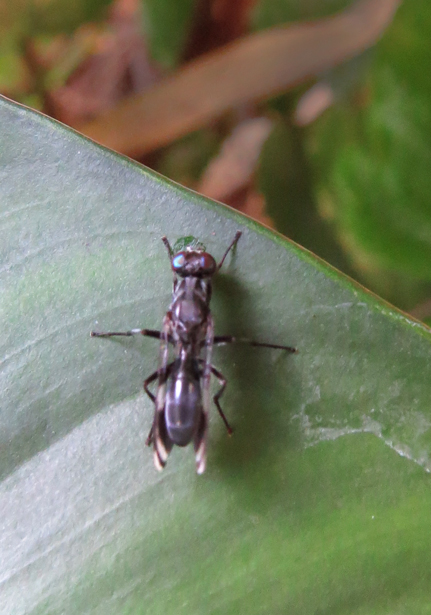
Euphranta is a genus of true fruit flies within the tribe Adramini (Subfamily Trypetinae, Family Tephritidae, Order Diptera). The genus is primarily distributed in tropical and subtropical regions of Asia, including Southeast Asia, with some species extending into adjacent regions. Members of Euphranta are typically associated with forested habitats and areas where suitable host plants are available.
Flies of the genus Euphranta are generally small to medium-sized and display the characteristic features of tephritid flies, including patterned wings with bands, spots, or intricate markings. These wing patterns are often used in visual signaling during courtship and territorial interactions. The body is compact, with well-developed compound eyes and short antennae bearing an arista.
The life cycle involves complete metamorphosis. Larvae are phytophagous and typically develop within plant tissues such as fruits, stems, or other parts of host plants. Females use a specialized ovipositor to deposit eggs into plant material, where larvae feed internally and are protected from many external threats. Pupation usually occurs in the soil or within plant tissue.
Adults are commonly found resting on leaves or near host plants and may feed on nectar, plant exudates, or other liquid resources. Behavioral displays involving wing movements are often observed and play a role in communication and mating.
Although detailed biological information is limited for many species, Euphranta is part of a group of flies that are important in plant–insect interactions. Some species may have localized economic significance depending on their host plants, while others contribute to natural ecosystem processes.
Ecologically, Euphranta species act as herbivores and participate in complex ecological networks involving host plants, predators, and parasitoids. Their diversity and specialized relationships with plants make them an important component of tropical biodiversity.